








Is coffee extraction science or just luck?
Coffee extraction is a measurable process, not luck. Water dissolves flavor compounds from the grounds, and four variables decide the outcome: grind size, water temperature, contact time, and coffee-to-water ratio. Change any one of them and the cup changes, which is why the same bean can taste different from one brew to the next. Recording those settings makes a flavor reproducible instead of random.
A working example uses 15g of Ethiopia Huakui grounds at a 1:15 ratio, a caster-sugar grind, and a two-minute, three-pour method, which reliably yields balanced acidity and sweetness with citrus, strawberry, creamy, and floral notes. For any coffee enthusiast, the practical step is logging each parameter so sour, sweet, bitter, and salty compounds dissolve at predictable rates.
Many coffee enthusiasts have experienced this confusion: why does the same bean taste different every time it's brewed? Occasionally a stunning cup of coffee is brewed, but it can never be reproduced again, so some people attribute coffee extraction to "mysticism." But in fact, extraction is a quantifiable, reproducible scientific process. Water acts as a solvent, dissolving the flavor substances from the coffee grounds, and parameters such as grind size, water temperature, time, and coffee-to-water ratio all directly affect extraction efficiency, which in turn determines the final flavor in the cup. Front Street uses Ethiopia Huakui as an example, using 15g of grounds, a 1:15 coffee-to-water ratio, caster sugar grind, and a two-minute three-pour brewing method to consistently obtain a coffee with balanced acidity and sweetness, along with citrus, strawberry, creamy, and floral aromas. This article will systematically explain how to achieve flavor stability and targeted adjustments by recording and controlling parameters, and explain the scientific logic behind the differences in dissolution rates of sour, sweet, bitter, and salty flavors.

Coffee extraction is often labeled as "mysticism." When Front Street communicated with some customers and friends, we found that the reason they think this way is often because "the coffee tastes different every time it's brewed," or "I once brewed a particularly delicious cup, but later I could never replicate it no matter what." In their view, whether it tastes good or not is all a matter of luck, so extraction becomes mysticism. But is that really the case?
Is coffee extraction mysticism? The answer is of course no. Extraction is not mysticism, but a scientific process that can be quantified and repeated. Simply put, coffee extraction is the process of using water as a solvent to dissolve the flavor substances from coffee grounds. In this process, a large number of factors can influence the final taste, such as the grind size of the coffee grounds, extraction water temperature, the duration of contact between water and grounds, the amount of brewing water, and so on.
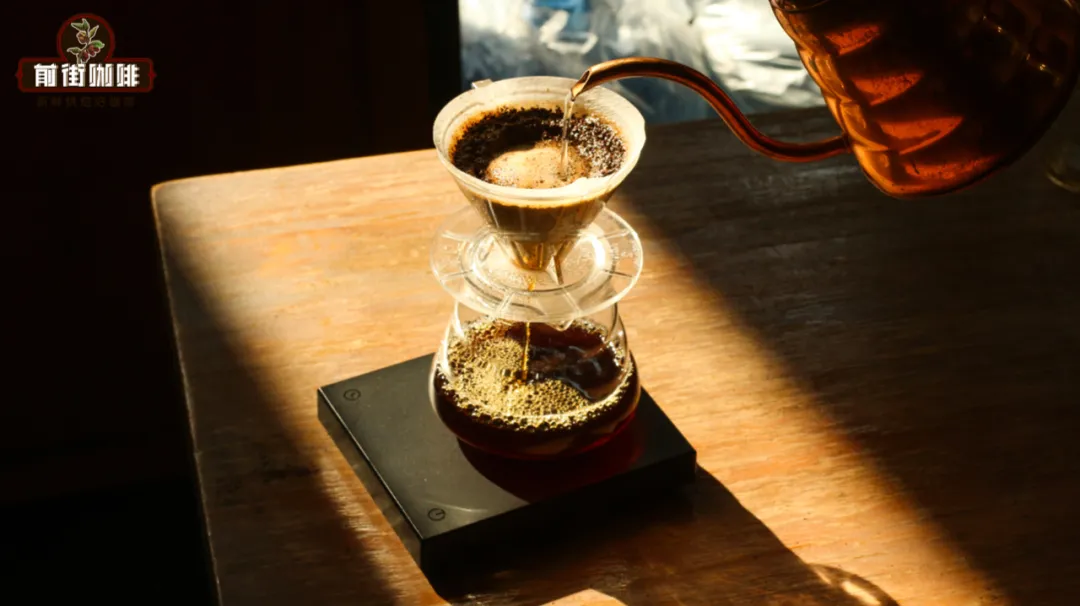
The reason these factors can affect flavor is that they determine which substances will be dissolved and how quickly they dissolve, that is, extraction efficiency. The higher the extraction efficiency, the faster the substances dissolve, or the more substances are dissolved in the same amount of time; the opposite is true for lower efficiency. The root cause of why many people get a different-tasting cup every time is that they fail to stably control these extraction parameters, causing the types or amounts of soluble substances in the cup to fluctuate, sometimes more and sometimes less, so naturally the taste changes.
Let's give an intuitive example: when Front Street brews Front Street Ethiopia Huakui from its brewing bean list, the parameters used are 15g of grounds, a 1:15 coffee-to-water ratio, caster sugar grind (75%~80% passing through a No. 20 sieve), a two-minute extraction time, and three-pour brewing. The Huakui brewed this way has an extraction yield of about 20%, with a sweet-and-sour flavor, clearly recognizable citrus, strawberry, creamy, and floral notes, a clean and full body, and a long finish—quite an excellent performance.
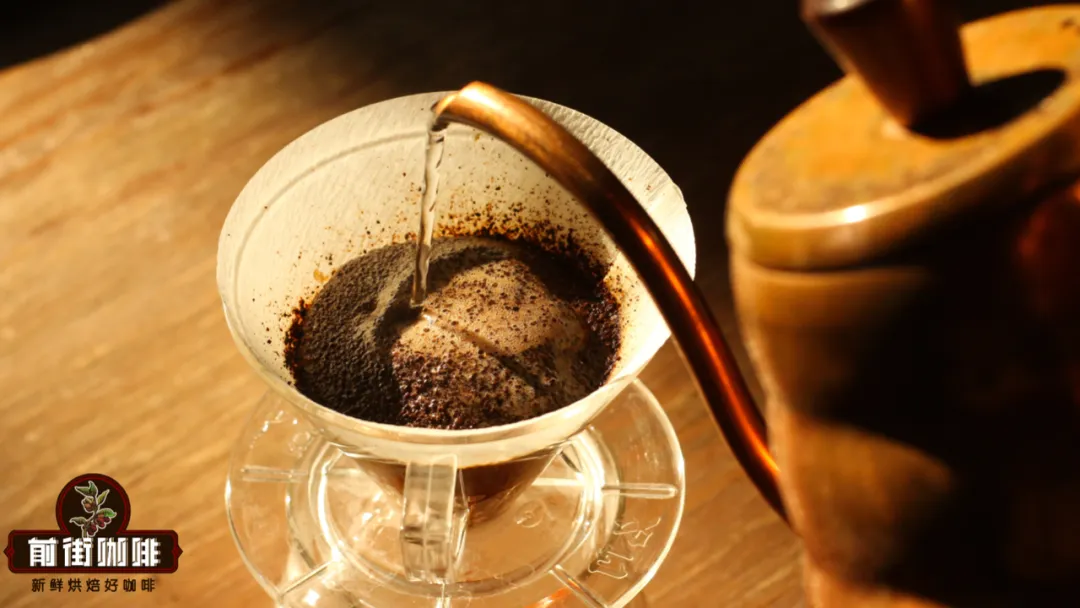
If we use the same parameters and technique to brew the same bean, the final coffee's taste and extraction yield will basically not differ much. Because the parameters are consistent, the extraction efficiency is roughly the same, and the amount of dissolved substances is also similar, so the coffee naturally will not change significantly. But if you do not time it, do not measure temperature, and do not measure amounts, and brew this cup of Huakui entirely by feel, then the result will be erratic because there are too many variables. Each cup's brewing parameters and extraction efficiency are different, so the substances dissolved and their amounts naturally differ greatly—this is exactly why every cup of coffee tastes different.
So, if you want to consistently brew a good cup of coffee, or if you want to reproduce a certain satisfying flavor, Front Street strongly recommends recording the parameters you use when brewing. This not only makes it convenient to replicate the same deliciousness next time, but also helps correct problems encountered in extraction—for example, after discovering under-extraction, you will know how to adjust and improve next time.
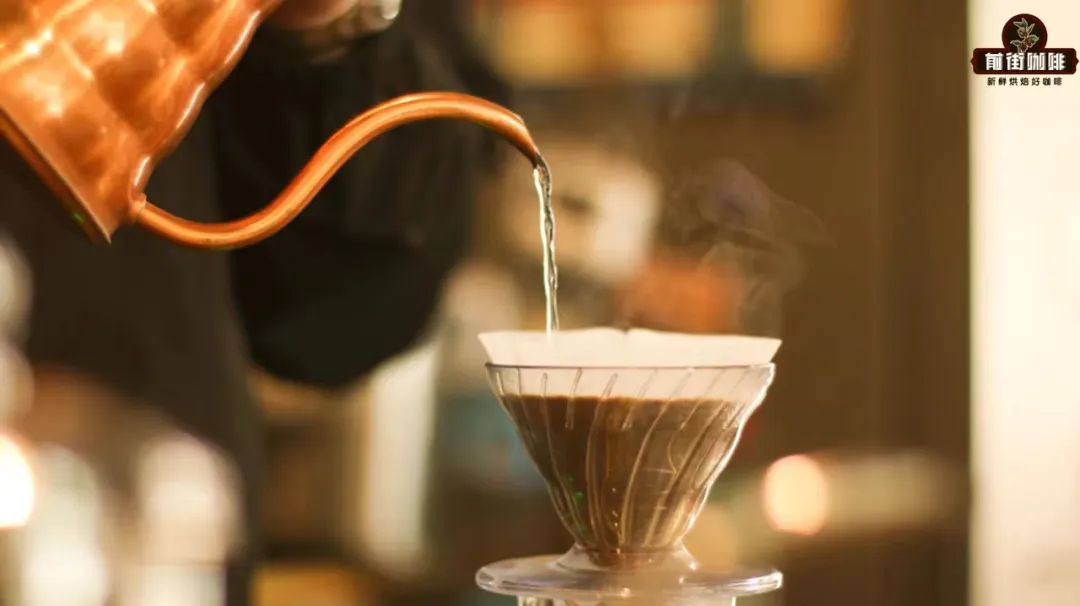
In addition, some friends feel that changing coffee taste and flavor by adjusting parameters is a "mystical operation." Actually, that is not the case; this also has a scientific basis. Sour, sweet, bitter, and salty are the four common tastes in coffee, and their dissolution rates differ because of differences in molecular size: sour substances dissolve fastest, sweetness next, and bitterness slowest.
Because the tastes balance one another, if you want to brew a cup of coffee mainly characterized by acidity and sweetness, you can let more sour and sweet substances dissolve and fewer bitter substances dissolve; if you want a balanced cup of coffee, you can appropriately extract more bitter substances so that bitterness balances acidity and sweetness. To achieve these goals, it is necessary to control the parameters in extraction, namely the grind, water temperature, water amount, and time that Front Street mentioned earlier. By controlling parameters to regulate the dissolved substances, you thereby adjust the coffee's flavor. Taking time as an example, when other parameters remain unchanged, Huakui extracted for 2 minutes and 30 seconds will taste richer and more balanced than Huakui extracted for 2 minutes, with both acidity and bitterness less prominent. This is because the extra 30 seconds allows more substances to be dissolved, especially bitter substances (for detailed principles, please refer to Front Street's previous posts; they will not be expanded on here).
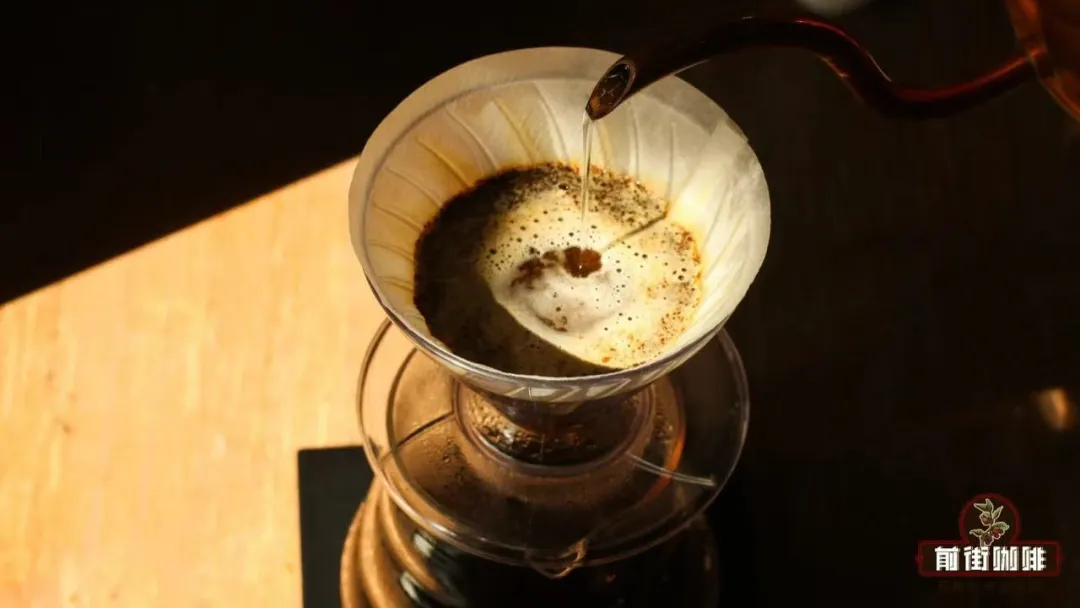
It is precisely because the tastes balance one another that an increase in bitterness balances the coffee's acidity and sweetness, so the 2-minute-30-second Huakui tastes more balanced, with no single taste being too dominant. Conversely, Huakui extracted for 2 minutes has relatively fewer bitter substances, so the sweet-and-sour taste is more prominent. The same principle applies to aroma. The aroma substances in coffee have different dissolution rates, and we can likewise control the aroma that ultimately remains in the cup by adjusting extraction parameters.
That is all for Front Street's sharing this time. Besides coffee extraction, some friends also believe that coffee flavor is a kind of mysticism. For example, many times you only taste acidity and bitterness in a cup of coffee, yet merchants can eloquently describe dozens of flavors and carefully describe their characteristics. Such a big contrast inevitably leads people to misunderstand it as "flavor mysticism." But this is actually not mysticism either. Front Street has shared this in previous posts, and interested friends can search for it to learn more~
- END -
The above content is compiled by CoffeeHunters, a coffee news website.


