







Why One Coffee Extraction Is Usually Enough
Coffee grounds can technically be brewed a second time, because about 30 percent of a roasted bean is soluble material that hot water can dissolve. The problem is taste: the first pour already removed most of the sweet and sour compounds, so a second cup comes out weak and carries harsh, hollow off-flavors.
In the coffee extraction process beverage makers use, flavor compounds dissolve in sequence, with the pleasant ones arriving early. Repeated brewing mainly pulls out the harsh notes left behind, which is why pour-over and drip bag coffee are treated as single-use. Spent grounds are normally discarded after one extraction rather than steeped again like tea leaves.
Coffee and tea are both beverages that use water to dissolve flavor. Since tea leaves can be brewed repeatedly, can coffee grounds do the same? From a compositional standpoint, about 30% of coffee beans is soluble material, which theoretically does support multiple extractions. But in practice, the coffee liquid obtained from repeated brewing tends to be weak and carry off-flavors. The reason is that a normal extraction has already released most of the sweet and sour essence, and the remaining substances cannot support good flavor. This article will start from extraction yield and the order in which flavors dissolve to explain why coffee grounds are single-use, and to clarify why pour-over and drip-bag coffee are not recommended for repeated brewing.
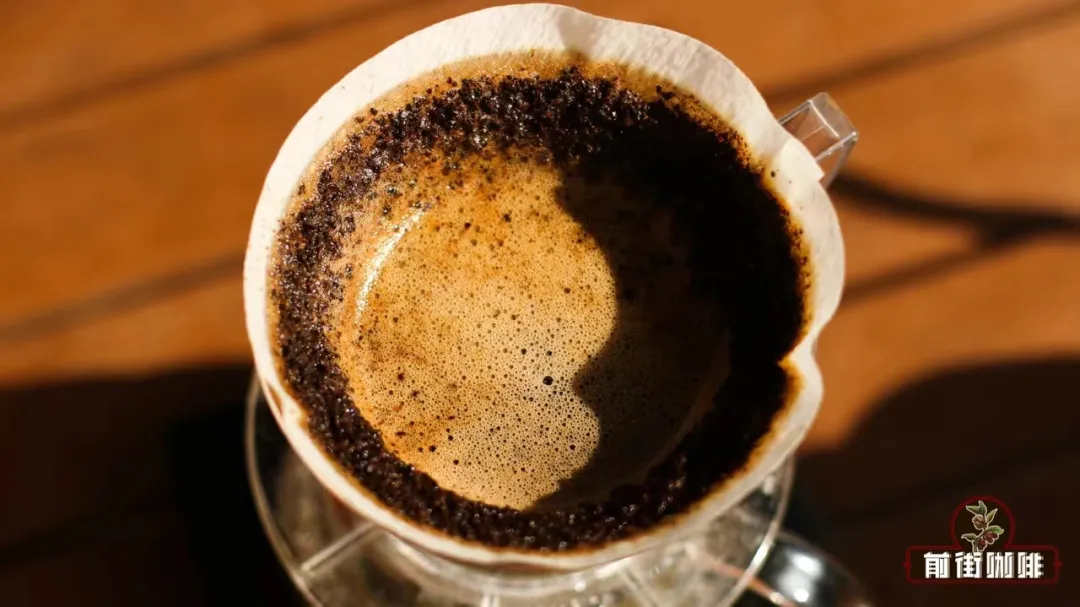
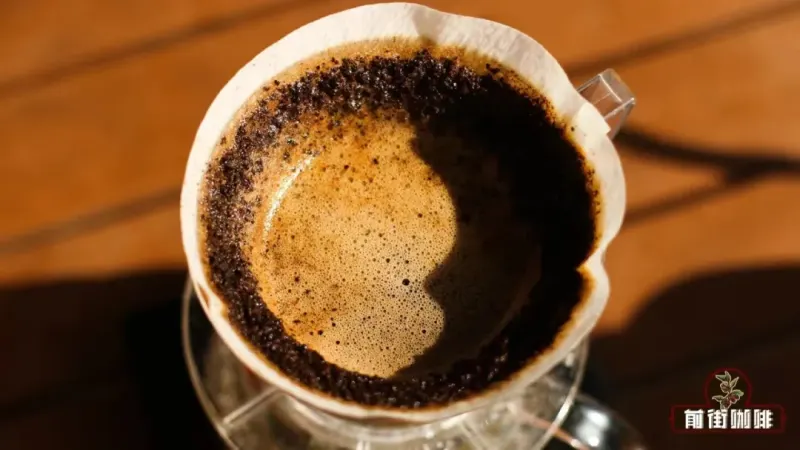
No matter which method is used to extract coffee, the coffee grounds are basically used only once. Once a cup of coffee is made, the spent grounds left in the filter are usually thrown away directly. Precisely because of this, many friends cannot help but wonder: why can't coffee be brewed repeatedly like tea?
This doubt is not strange at all. Coffee, like tea, needs water as a medium to dissolve out its flavor substances. Tea leaves can be brewed again and again, so can coffee be handled the same way?
It certainly can. As long as you are willing, a portion of coffee grounds can also be brewed multiple times like tea leaves. Besides about 70% lignified fiber, coffee beans also contain about 30% soluble substances, and these substances are the main source of coffee's flavor. They cling to the cell walls of the coffee beans and dissolve and release when they meet hot water.
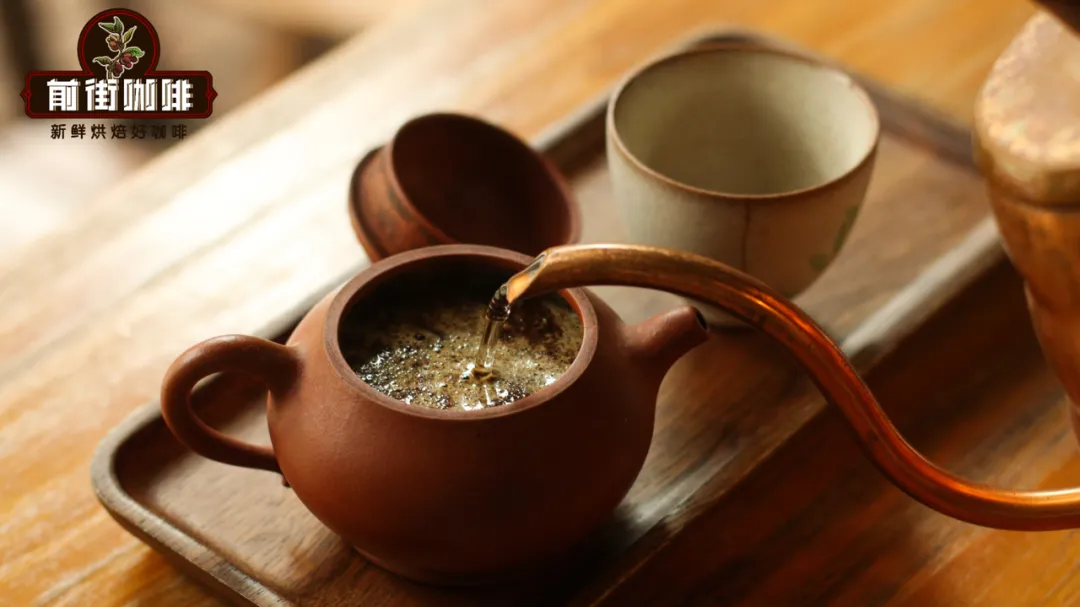
If you borrow the brewing approach of tea to make coffee, even with repeated pouring or extended steeping time, the coffee grounds will still release flavor. It is just that the extraction efficiency is low, and only a small amount of substances can be dissolved each time, so it cannot be fully extracted in one go. And even with normal extraction, a second brew can still be done, for the same reason. At this point someone may ask: "Front Street, Front Street, since coffee grounds can be brewed repeatedly, why do so few people do it?"
The answer is actually very direct: the coffee made this way does not taste good.
Of course, good coffee cannot be separated from good beans. If you want to improve your brewing skills, you might pay attention to Front Street's selected single-origin coffees with stable quality: Front Street Strawberry Candy·Geisha Blend, Front Street PWN Golden Mandheling, Front Street Blue Mountain No. 1, Front Street Butterfly, Front Street Sidra... They come from different countries and use different processing methods and roast levels, thus presenting rich and unique flavors.
Why is coffee not recommended for repeated brewing?
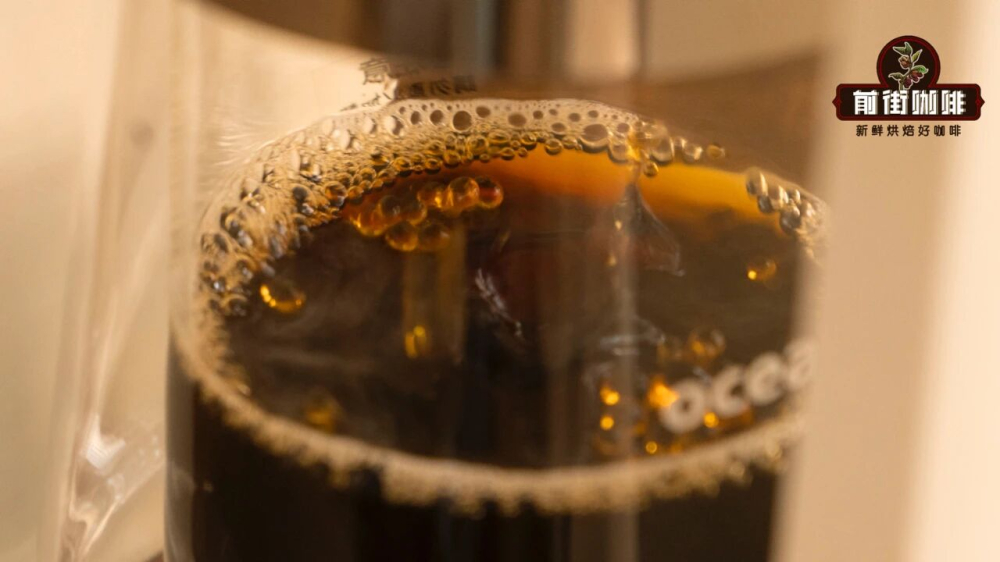
The process by which water dissolves coffee substances is called "extraction," and the proportion of coffee substances extracted by hot water relative to the total is called the "extraction yield." Usually, the extraction yield of each cup of coffee we brew falls around 18%~22%, because coffee tastes best within this range. Taking a cup of light-roasted coffee as an example, Front Street believes it will present a sweet-and-sour, full-bodied state.
The reason extraction yield must be controlled within 22% is that the 30% of soluble substances in coffee are not all good things. A cup of coffee is mainly composed of four tastes: sour, sweet, bitter, and salty. Because these tastes differ in molecular size, their dissolution speeds also differ. The first to dissolve in large amounts are sour substances, followed by sweet substances, and finally bitter substances.
Since sour and sweet substances are released in large amounts in the early stage of extraction, when the extraction yield reaches 22%, there is almost no sour or sweet substance left in the coffee, and these are exactly the essence of a cup of coffee. Therefore, if extraction continues after 22% of the soluble substances have been extracted, the coffee liquid released afterward will most likely only carry off-flavors and woody fiber taste.
If this portion of coffee liquid is mixed into the originally properly extracted coffee, it will fill the whole cup with off-flavors and astringency, and because the liquid concentration is too low, it will also dilute the original coffee concentration. If drunk separately, that is, the second brew we mentioned earlier, it is likewise unnecessary, because this portion of coffee liquid tastes like nothing much, just faint and with a bit of off-flavor.
From this it can be seen that coffee is not recommended for repeated brewing mainly because the first extraction has already extracted almost all of the coffee's "essence." The remaining substances are simply not enough to justify repeated brewing, since there is absolutely no need for it.
The above content is compiled by CoffeeHunters, a coffee news website.


