







Search Results for: shipping container
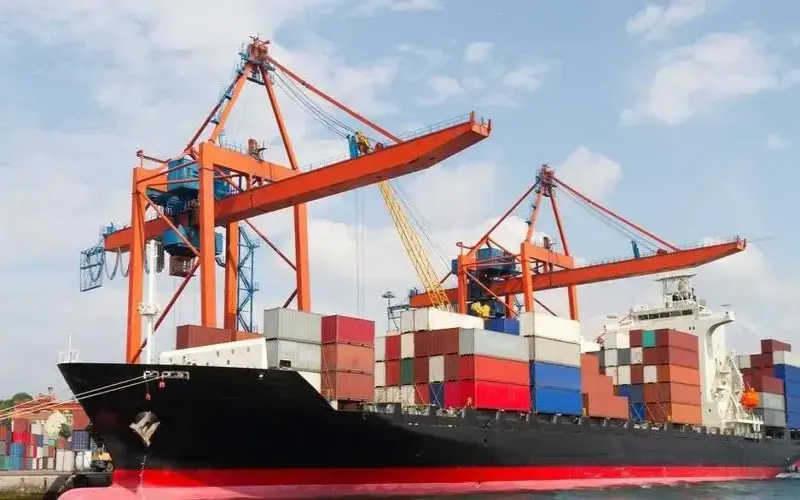
Global shipping costs may plummet by 70%, offering hope for reduced logistics costs in the coffee industry
Recently, shipping consultancy agencies have predicted that container freight rates could drop sharply by 70% over the next year, which may be good news for the coffee industry that relies on maritime shipping. Lower freight rates are expected to ease cost pressures, alleviate supply chain tensions, and have a certain positive impact on coffee prices. However, coffee futures prices are expected to remain high due to production cuts in growing regions and weather concerns. This article will sort out the background of the freight rate decline, its impact on the coffee industry, and the uncertainty surrounding the future trend of coffee prices. [more…]
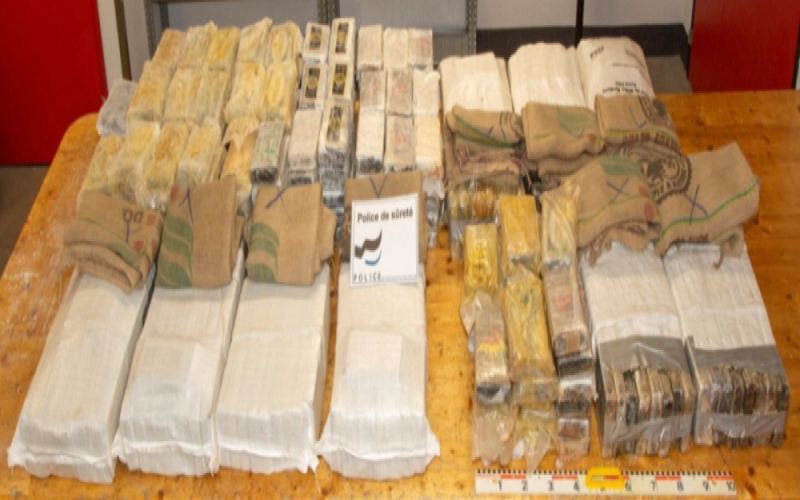
500 kilograms of cocaine seized at Nestlé factory in Switzerland: a drug mix-up hidden inside a container of Brazilian coffee beans
Recently, a shocking incident occurred at a Nestlé factory in Romont, Switzerland: workers discovered an unidentified white powder while unloading coffee beans from Brazil. Police identified it as cocaine with a purity exceeding 80%, weighing over 500 kilograms in total and valued at approximately 330 million RMB. A preliminary police investigation suggests this was very likely caused by a drug trafficking gang loading the wrong container. Similar incidents have previously occurred in China as well—Shanghai police once seized marijuana worth 150 million on an international cargo ship. How exactly do these bizarre mix-ups happen? This article will reconstruct the course of events and explore the drug trafficking methods behind them. [more…]
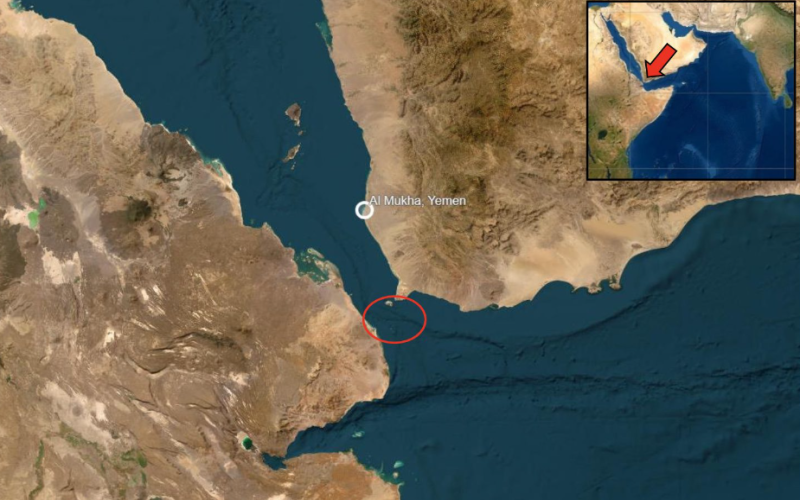
Red Sea Security Crisis Hits Global Coffee Supply Chain: Shipping Disruptions and Rising Prices
Recently, the Houthi armed forces in Yemen launched a large-scale attack on U.S. warships in the Red Sea. Although the U.S. military successfully intercepted the attack, the incident once again highlighted the tense situation in the Red Sea region. Since the escalation of the Israeli-Palestinian conflict last year, the Houthis have frequently attacked commercial ships, forcing global shipping routes to change and thereby having a profound impact on the coffee trade. Problems such as soaring transport costs, longer voyages, and container shortages followed one after another. European buyers turned to Brazil for purchases, East African coffee exports were hit hard, and international coffee prices continued to rise. This article will analyze in detail how the Red Sea crisis has disrupted the global coffee supply chain and discuss its specific impact on coffee-producing regions and consumer markets. [more…]
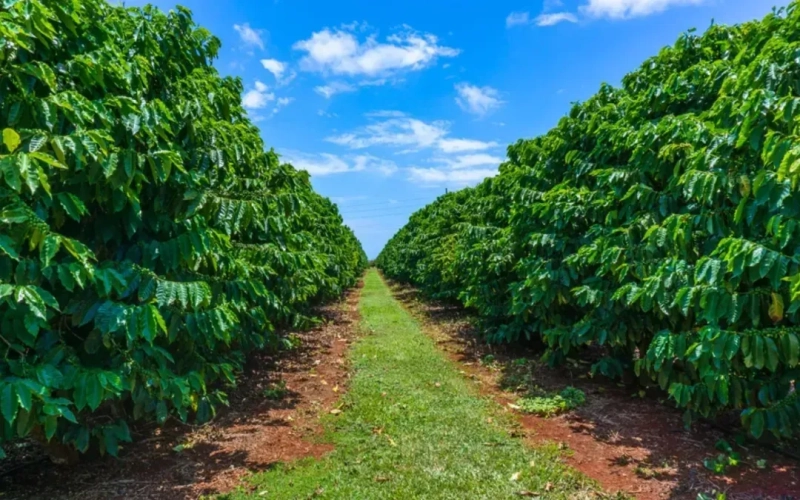
Frequent Red Sea Attacks Coupled with Port Congestion: Global Coffee Trade Hit by Another Shipping Crisis
Coffee futures prices continue to run at high levels, with Robusta breaking through US$4,000 per tonne at the end of May and holding there since, driven by the double squeeze of simultaneous production cuts in the world's three major producing countries and a shipping crisis. Vietnam's exports fell 10.5% in the first half of the year, Brazil's harvest season underperformed expectations, and congestion at multiple Asian ports, a shortage of empty containers, and frequent Red Sea attacks have made coffee trade even worse. Freight rates from Asia to Europe soared from US$1,200 to nearly US$7,000, and Maersk warned that Red Sea disruptions will persist into the third quarter. This article will sort out how production, logistics, and geopolitical risks are jointly pushing up coffee costs, and follow Front Street Coffee's continued tracking of industry developments. [more…]
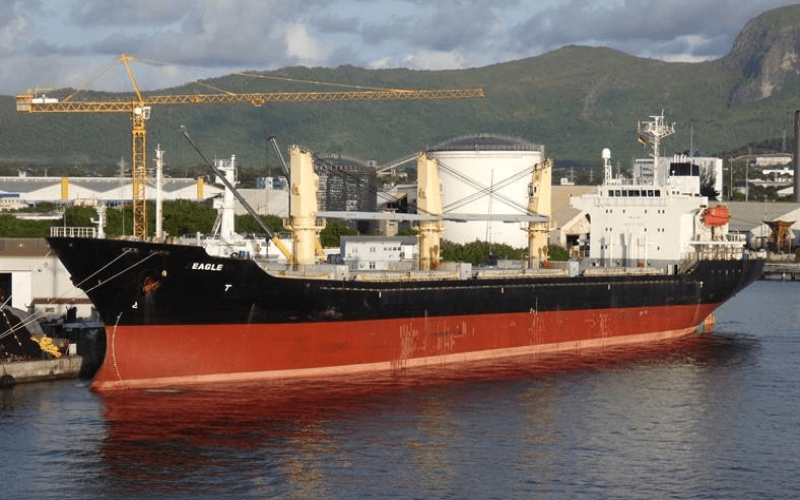
Brazilian green coffee beans are switching to bulk carrier shipping—will quality stability be affected?
A new change has recently emerged in Brazilian coffee exports—some green beans are beginning to be shipped in bulk carriers rather than traditional containerized cargo. This adjustment may have its considerations in terms of logistics costs and efficiency, but for specialty coffee that values flavor and quality consistency, whether bulk shipping will affect the freshness, moisture content, and cleanliness of green beans has become a focus of attention for many industry professionals and enthusiasts. This article will review the background of this transportation shift, analyze the potential risks it may pose to coffee quality, and, drawing on the quality control experience of brands such as Front Street Coffee, explore how to uphold the quality bottom line from origin to roasting. [more…]
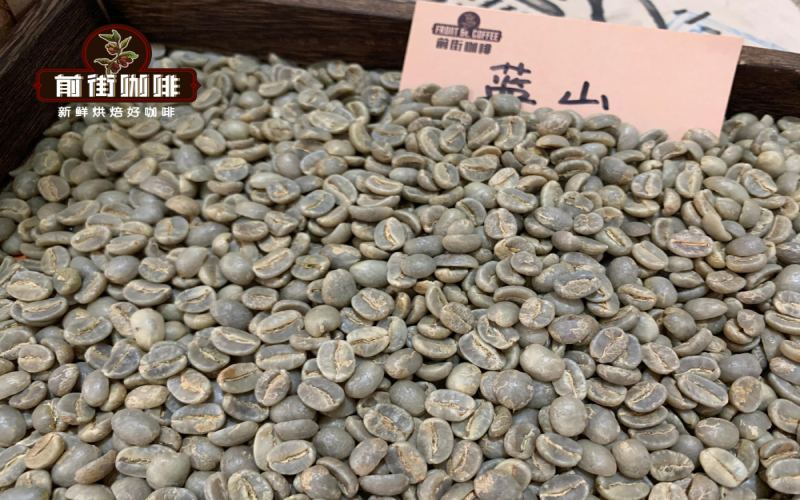
Comprehensive Guide to Green Coffee Beans: Quality Assessment, Crop Year Classification, Shipping Methods, and Storage Essentials
Green coffee beans are the starting point that determines the flavor of a cup of coffee. From color and luster to moisture content, every detail reveals the quality code of green beans; the terms "new crop," "current crop," "old crop," and "aged crop," named by harvest year, record how time shapes flavor. During transoceanic shipping, temperature and packaging methods also influence the fate of green beans—low-temperature containers, temperature-controlled storage, and vacuum aluminum foil bags are all effective means of extending good flavor. The ultimate preservation challenge points to a simple yet expensive answer: vacuum packaging followed by freezing. This article systematically organizes the complete knowledge of green beans from identification to storage, and includes practical advice from Front Street Coffee, taking you deeper into understanding this green seed. [more…]

Red Sea Crisis Escalates into 2025: Houthi Attacks on Merchant Ships Strain Coffee Trade and Global Logistics
The Houthi armed forces in Yemen continue to launch attacks in the Red Sea and Indian Ocean, and claim to have struck targets in Israel, causing the situation in the Red Sea to escalate continuously. Multiple international shipping giants have judged that the region will still be unsafe in 2025 and decided to continue diverting around the Cape of Good Hope. Longer voyages and port congestion are driving up global logistics costs. As an industry highly dependent on maritime shipping, the coffee trade is bearing the brunt. Freight rates on Europe-Asia routes have soared, and combined with production cuts in many countries, international coffee prices have continued to surge. This article will review the attack incidents, the shipping impact, and coffee market developments, and also pay attention to the challenges facing brands such as Front Street Coffee. [more…]
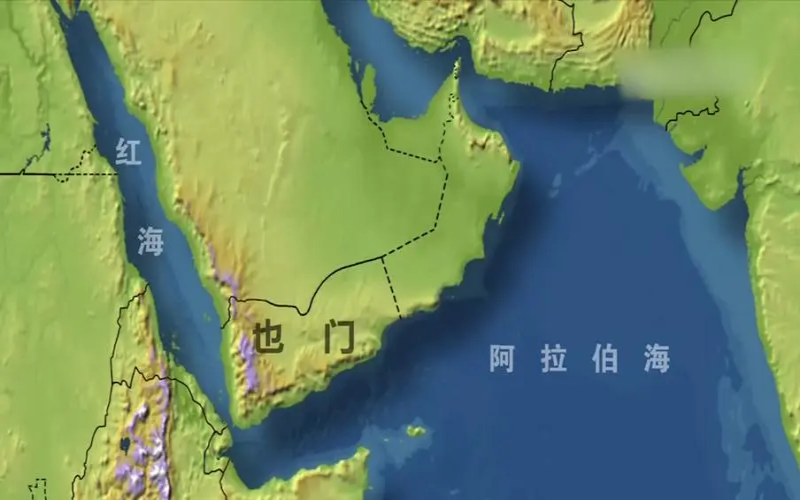
Red Sea shipping disruptions drive up coffee transport costs, war risk surcharges introduced, global prices continue to climb
Recently, the security situation in the Red Sea and the Gulf of Aden has remained tense, causing most shipping companies to suspend or adjust routes through the Suez Canal and instead divert around the Cape of Good Hope. In its latest monthly logistics report, Swiss coffee trader Sucafina noted that frequent armed attacks have sharply increased risks near the Bab-el-Mandeb Strait; some carriers have resumed passage, but several companies, including CMA CGM and Maersk, have announced they will impose war risk surcharges. Route changes have extended shipping cycles by 2 to 3 weeks, reduced container turnover efficiency, and tightened capacity, which may further push up freight rates. Meanwhile, coffee transport in East African producing regions has been disrupted by truck and fuel shortages, with severe congestion at ports such as Dar es Salaam. Although Vietnamese robusta coffee prices have edged down slightly, Brazilian coffee prices have continued to rise on drought concerns. Front Street Coffee notes that supply chain pressure is transmitting from the shipping side to the consumption side, and coffee prices still face upside risks in the short term. [more…]
Brazil's coffee exports plummeted 27% in August, global prices soared by nearly 50%, and the industry faces multiple challenges.
Recently, the Brazilian coffee industry has come under multiple pressures: August exports fell 27% year-on-year, transportation bottlenecks have left large quantities of goods stranded at ports, and industry losses have reached as high as US$500 million. At the same time, global coffee prices have surged by nearly 50%, intensifying market volatility. Brazil has already sold 60% of this year's crop, but Arabica growth has slowed. On the weather front, the southern producing regions have received rainfall, which may affect the subsequent harvest. This article summarizes the latest producing-region news, covering exports, sales, climate, and Front Street Coffee-related developments, providing coffee lovers with a comprehensive interpretation. [more…]
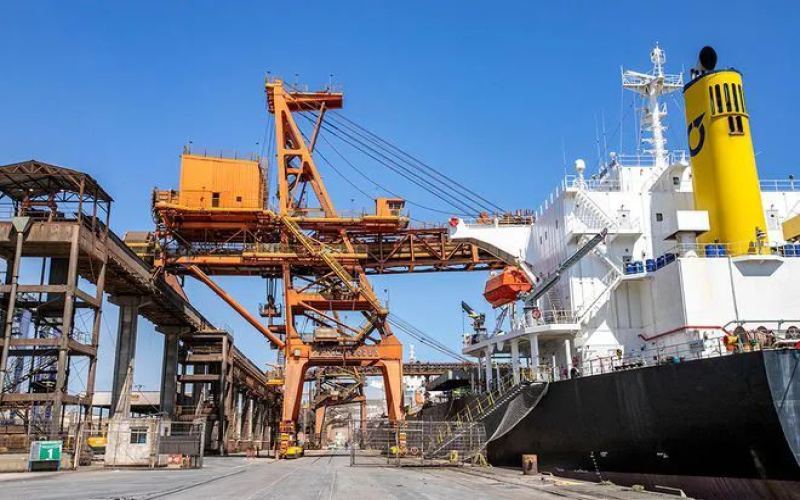
A major strike at Brazilian ports leaves 2.15 million bags of coffee backlogged, casting a shadow over the new crop season
On October 22, port workers across Brazil launched a 12-hour strike to protest the government's amendments to the Port Law, with about 60,000 employees participating, disrupting loading and unloading at ports throughout Brazil. The strike comes at a critical time for coffee exports; earlier, about 2.15 million bags of coffee had already been stranded at the docks due to port delays, and the strike could make matters worse. Meanwhile, Brazil's coffee-growing regions have entered the rainy season after experiencing severe drought, but the coffee trees have been severely damaged, and production expectations for the next crop season are not optimistic. Caught between port transport and climate problems, the global coffee supply chain faces challenges. [more…]
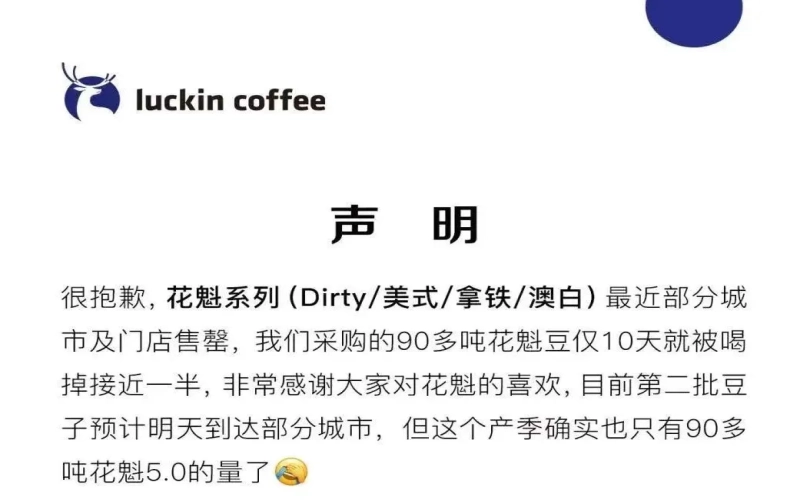
Luckin Launches Another Huakui PLUS Series SOE, Unveiling the Story Behind the Huakui Queen Coffee Beans
Luckin Coffee's previously launched Huakui 5.0 SOE sparked widespread discussion in the market, with话题 ranging from its low-price strategy to insufficient stock and repeated sellouts. Now Luckin plans to launch the Huakui PLUS series SOE in the second half of the year, with purchases reportedly set to exceed 250 tons, aiming to become the world's largest buyer of Huakui PLUS green beans. So what exactly is Huakui PLUS? How does it differ from Huakui 5.0 and Huakui 6.0? This article will review the sales history and purchasing details of Luckin's Huakui SOE, and take a deep dive into this natural-process heirloom variety from the Buku Abel washing station in Sidamo—the coffee bean named "Huakui Queen" by domestic green bean traders. [more…]

The Origin and Meaning of the Latte Name Explained: Espresso with Milk, or a Misnomer for Plain Milk?
What exactly does the term latte refer to? In Italy, Latte is simply hot milk, so why is it that elsewhere, a latte has become an espresso drink with a large amount of milk added? Matcha lattes and red velvet lattes contain no coffee, so why are they also called lattes? This article will trace the origins and evolution of latte coffee from the beginning, clarify the difference between Latte and Caffè latte, and share the key elements for making a good latte—milk selection, espresso ratio, crema, and freshness—while also introducing Front Street Coffee's practical experience with blend beans and shipping freshness. [more…]
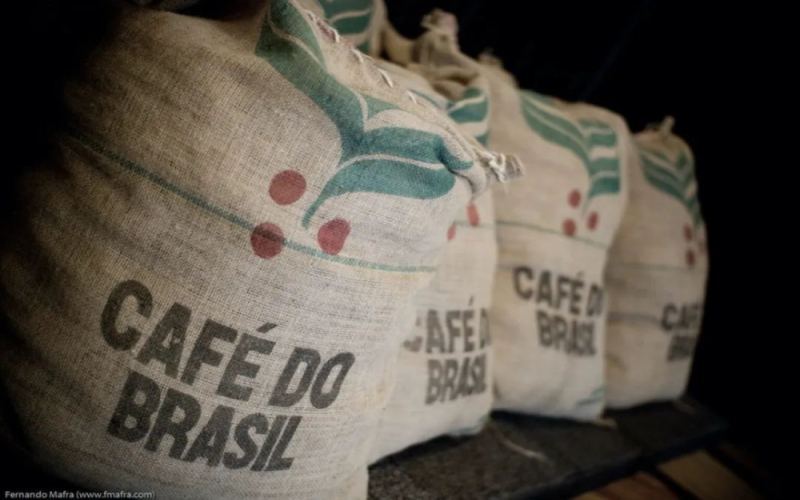
Brazil's coffee exports set a new single-month record in October—what lies ahead amid the dual challenges of logistics and climate?
The latest report from the Brazilian Coffee Exporters Council shows that although about 2.1 million bags of coffee beans were stranded at ports due to logistics problems at the end of September, Brazil's coffee exports in October still bucked the trend to hit a monthly record high of 4.926 million bags, up 11.6% year on year, with total export value reaching US$1.393 billion. Germany became the largest importer of Brazilian coffee beans in the first 10 months of this year, importing 6.64 million bags in total, accounting for 23.9%. However, multiple factors such as port congestion, ship delays, historic drought and forest fires, and the depreciation of the real are still constraining the subsequent development of Brazil's coffee industry, and the production and export prospects for the new crop season face uncertainty. [more…]
Green Coffee Storage | What Are Green Coffee Packaging Methods? Introduction to Green Coffee Storage Temperature, Humidity, and Shelf Life
Until recent years, all coffee beans were packaged in burlap sacks and transported in shipping containers, only reaching roasters several months after the beans had been processed. If roasters and importers occasionally wanted to cup coffee beans from the place of origin, or taste a "pre-shipment sample," what they received instead would be stored [more…]
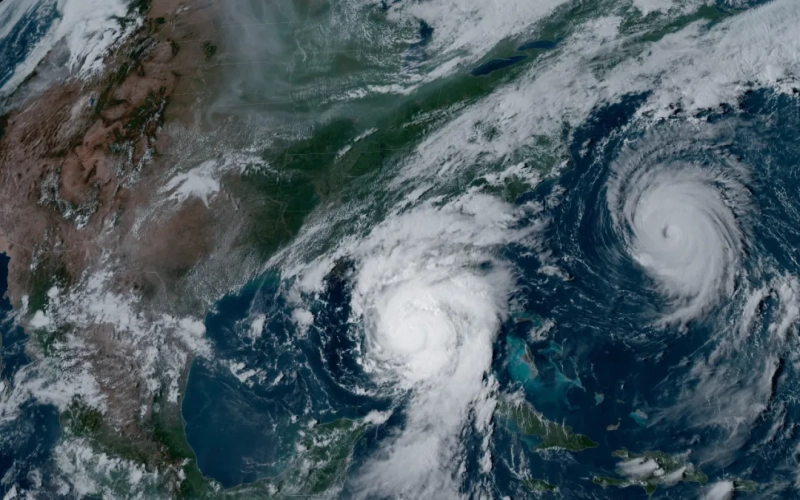
The 2024 Atlantic hurricane season is unusually active, and coffee-producing regions in Central America face dual pressures of reduced yields and exports.
The latest report from the National Oceanic and Atmospheric Administration (NOAA) shows that the 2024 Atlantic hurricane season activity could reach three times the usual level, with an 85% probability of being stronger than normal years. Warm ocean waters, reduced wind shear, and the transition from El Niño to La Niña will combine to spawn more and stronger storms. Multiple coffee-producing countries along the Gulf of Mexico, the Caribbean Sea, and the Atlantic coast—including Mexico, Cuba, Jamaica, Honduras, Nicaragua, Guatemala, and Costa Rica—may all be affected. The strong winds and heavy rain brought by hurricanes not only threaten coffee flowering and harvesting, but may also disrupt shipping, drive up transportation costs, and exacerbate coffee price fluctuations. This article reviews the hurricane season forecast data, the affected producing regions, and the potential impact on the coffee industry, for the reference of coffee enthusiasts. [more…]
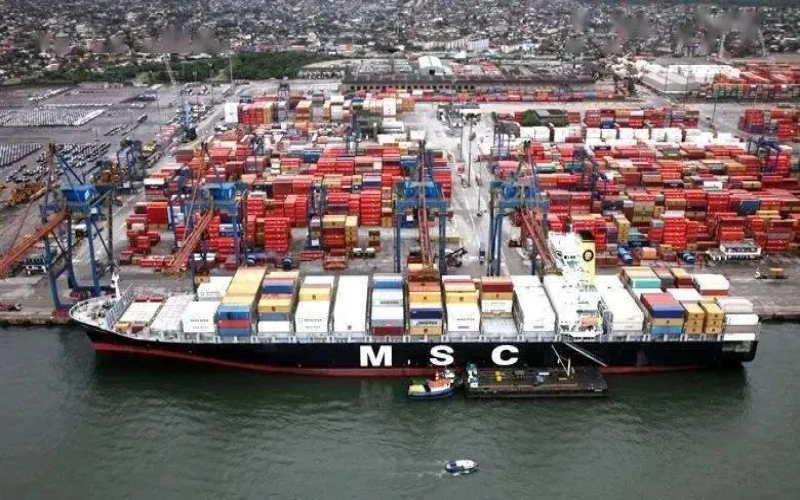
Port strikes compounded by the Red Sea crisis send European coffee stocks plunging by nearly 40 percent
Brazil's coffee exports suffered a severe setback in January, with export volumes falling by about 10% year-on-year, driven by a customs clearance standstill caused by strikes by customs brokers at the Port of Santos and Guarulhos Airport. At the same time, coffee stocks at major European ports are rapidly dwindling, with inventories in December 2023 down 37.9% from the start of the year. The pressure of the EU Deforestation Regulation transition period combined with the Red Sea shipping crisis is creating a compounding effect, prompting traders to scale back imports, container freight rates on Asia-Europe routes have soared by 150%, and coffee deliveries from Asian producing regions are facing delays of up to three weeks. Multiple factors are reshaping the global coffee trade landscape, and supply chain pressures are unlikely to ease in the short term. [more…]

A Complete Guide to Coffee Bean Resting and Blooming: Why Rest, How Long, and How to Store Without Losing Flavor
Don't rush to brew freshly roasted coffee beans. Resting and awakening the beans is essentially a process that allows the beans to release carbon dioxide. Excess carbon dioxide disrupts extraction stability and also affects the extraction of flavor compounds. Drawing on the practices of FrontStreet Coffee, this article explains the essence of bean resting and awakening, the recommended resting times for different roast levels, and key storage points after receiving the beans. All beans sold by FrontStreet Coffee are shipped within 5 days of completing roasting. Medium-light roasts are recommended to rest for 3-4 days, medium roasts for 4-5 days, and medium-dark roasts for 6-7 days; once rested, they can be stored in the original packaging or in a light-proof sealed container. The optimal flavor window for freshly roasted beans is within 30 days after the resting period ends. [more…]

Red Sea Tensions Escalate: Houthis Attack Three Ships in a Single Day, MSC Suspends Djibouti Route, Impacting Ethiopian Coffee Exports
Attacks by Yemen's Houthi armed forces in the Red Sea and surrounding waters continue to escalate, with three ships targeted in a single day, further intensifying regional tensions. Vessels operated by Maersk and MSC were successively targeted, and MSC, citing persistent threats, announced a full suspension of services at the Port of Djibouti. The Port of Djibouti is the sole outlet for Ethiopian cargo exports, and with MSC accounting for 80% of the port's shipping capacity, this move has dealt a severe blow to Ethiopia's coffee exports. Coffee traders now face the dilemma of having booked space but no shipping date, with freight rates soaring and arrival times impossible to guarantee, while the Houthis' expansion of their strikes beyond their traditional threat zone is likely to further drive up shipping costs and coffee trading prices. [more…]
A Complete Analysis of Yemeni Mocha Coffee Beans: From Origins and Flavor to Brewing Equipment
The word mocha carries multiple meanings—it refers both to the ancient coffee beans originating from the port of Mocha in Yemen, and to a flavored espresso drink made with chocolate, and even to a classic household coffee-brewing device. This article will take you through the historical origins of mocha coffee, clarify the dispute over its place of origin, explain in detail the flavor characteristics of Yemeni mocha beans and the source of their chocolate notes, and also introduce variations such as flavored mocha and white mocha, as well as the enduringly popular extraction tool, the moka pot. Whether you are fond of pure single-origin beans or prefer sweet chocolate coffee drinks, you can find the information you need in this detailed overview. [more…]

Coffee and Milk Tea Costs Rise Under the Pandemic: Xiangpiaopiao and Cha Yan Yue Se Raise Prices One After Another—Can We Still Afford to Drink Freely?
The COVID-19 pandemic has lasted for more than two years, and rising prices have spread to the beverage industry. Xiangpiaopiao announced on the evening of January 4 that it would raise prices for solid instant milk tea by 2%-8%, and Sexy Tea also raised most of its milk tea products by 1 to 2 yuan starting from January 7. This article sorts out the price increase details of the two brands, netizens' reactions, and the deeper reasons such as coffee futures doubling, shipping prices climbing, and raw material shortages. When coffee freedom was lost in 2021, will milk tea freedom also face a threat in 2022? What is left of the happiness of office workers? The article also mentions related product information from Front Street Coffee for readers' reference. [more…]