







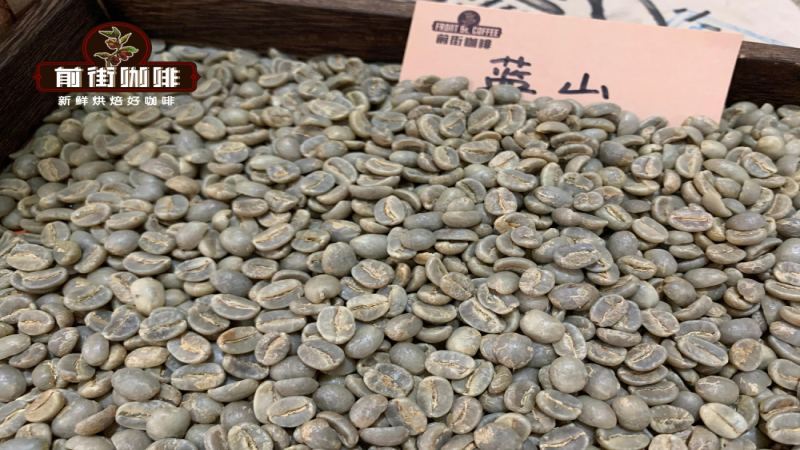
How should green coffee beans be judged and stored?
Green coffee beans are the raw seed that sets the flavor of the final cup. Quality cannot be judged by defective bean count alone: color, reflectivity, and moisture content also matter. Washed beans often look blue-green, natural-process beans green, and East African lots lean pale green.
Export moisture content usually sits near 12 percent, then shifts with the seasons during warehouse storage. Transoceanic shipping matters too, so refrigerated containers, temperature-controlled storage, and vacuum aluminum foil bags all help hold flavor. For long-term keeping, vacuum packing followed by freezing is the most reliable option.
Green coffee beans are the starting point that determines the flavor of a cup of coffee. From color and luster to moisture content, every detail reveals the quality code of the green beans; the names "new crop," "current crop," "old crop," and "aged beans," based on harvest year, record how time sculpts flavor. During transoceanic shipping, temperature and packaging methods likewise dictate the fate of green beans—refrigerated containers, temperature-controlled storage, and vacuum aluminum foil bags are all effective means of extending good flavor. The ultimate preservation challenge, meanwhile, points to a simple yet expensive answer: vacuum-pack and then freeze. This article systematically sorts out the complete knowledge of green beans from identification to storage, and includes practical advice from Front Street Coffee, taking you deeper into understanding this green seed.
1. The Quality of Green Beans
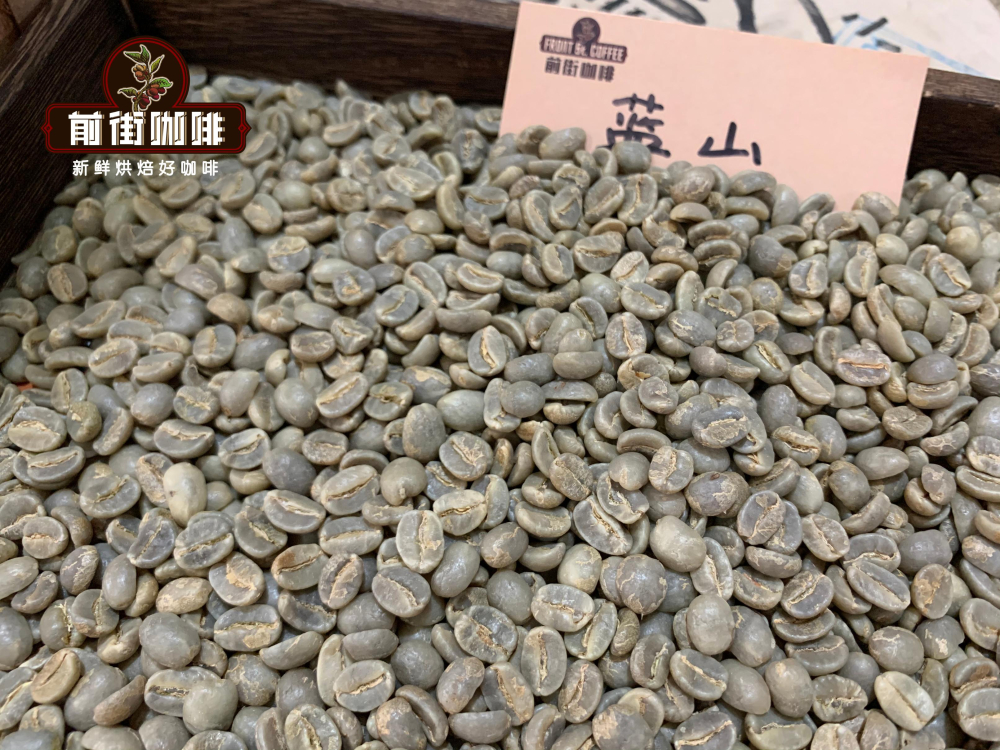
To judge the quality of green coffee beans, looking only at the proportion of defective beans is not enough—the beans' color, reflectivity, and moisture content also deserve attention.
Color: Varies with Processing Method
Washed coffee beans often carry a blue-green tint, but once storage time lengthens, the green beans gradually shift toward green or yellow, and their aroma dissipates without notice. For beans from the same origin and the same processing method, the depth of color can help us discern quality; but when processing methods differ, color itself naturally varies. Fresh washed beans lean blue-green; natural-process beans appear green. Origin also affects color: fresh green beans from Central America are mostly blue-green; beans from East African origins lean toward pale green. Color is certainly one basis for judgment, but drawing conclusions from it alone is unreliable—it must be considered together with other indicators.
Moisture Content: Aroma Changes with the Amount of Moisture
When green beans are exported from their origin to various countries, the moisture content is generally kept at around 12%. Once they enter warehouse storage, moisture content and aroma fluctuate with the seasons. During the rainy season or midsummer, green beans absorb moisture from the air; in the dry autumn, that moisture is lost again. For example, beans shipped from Central America to China between May and June are usually rather hard in texture. But if stored for more than half a year and exposed to dry, cold weather, the internal moisture of the green beans evaporates and the flavor changes accordingly—the beans soften, and both acidity and aroma decline slightly.
Luster: Lack of Luster and Poor Quality Are Two Different Things
Some green beans have a waxy sheen on their surface, while others are dull and lighter in color. Typica varieties from Panama, Colombia, and Hawaii have excellent luster after washed processing; natural-process beans are relatively dull. Although glossy beans look more appealing, luster itself does not determine whether the aroma is good or bad.
2. The Names of Green Beans
Green beans are named by harvest year to conveniently distinguish different batches of coffee.
New Crop: Beans Harvested in the Current Year
New crop refers to green beans harvested in the current year. The harvest period for coffee beans often spans two years—for example, 09-10 indicates beans harvested between 2009 and 2010. This batch counts as new crop until the 10-11 new crop reaches the market. New crop contains more chlorogenic acid and sugars, which can enhance the coffee's flavor and aroma, and the mouthfeel is more vibrant. Freshly dried green beans carry a grassy note, but during resting, enzymatic action gradually softens and settles the aroma, and at this point they are called new crop.
Current Crop: Beans Harvested in the Off-Season
Current crop also belongs to the 09-10 year, but usually refers to off-season inventory before the next batch of green beans arrives, or stock before the next season's coffee harvest. Its quality is greatly affected by storage conditions; green beans that have not been properly dried are prone to developing a hay-like taste.
Old Crop: Beans Harvested the Previous Year
Old crop refers to green beans harvested in the previous year. If beans from the 09-10 year are called new crop, then those harvested in 08-09 are old crop. The quality of old crop varies with storage conditions, but most have already undergone chemical changes. Once they become old crop, whether within a year or so, the acidity begins to fade, the aroma weakens, and a hay-like taste may even appear. Typically, green beans lose their freshness entirely one year after harvest, and various chemical changes follow one after another; such beans are classified as old crop.
Aged Beans: Can Old Beans Really Deliver Exceptional Aroma?
Of course, some people are fond of aged beans, but if you want to appreciate the original aroma of coffee, new crop is still more recommended.
So-called aged beans refer to green beans harvested more than two years ago. If those from the 09-10 year are new crop, then those harvested before the 07-08 year are called aged beans. Because internal organic acids and other substances have greatly decreased, they get this name.
Aged beans are not really suitable for sale, because most of their organic substances have been lost and they carry a hay- or straw-like off-flavor; the longer they are stored, the more they may even develop a rotten-wood stench. Coffee's aroma comes from internal components such as organic acids; after long storage, organic acids decrease and the aroma naturally fades day by day. To avoid this situation, people regulate the temperature and humidity of the storage environment; such managed aged beans are called aged coffee. In the past, roasting equipment had limited capacity, so shops often did not sell hard-textured Guatemalan and Colombian beans, instead selling aged beans, which cultivated a group of aged-bean enthusiasts. But after 2000, demand for home coffee beans rose and specialty shops sprang up one after another, allowing people to directly recognize the advantages of new crop and instead pursue coffee beans with more distinct character. The unique aroma that origin gives green beans, together with the aroma of the new crop itself, interweaves into the most moving flavor.
3. Transportation and Preservation
Coffee is mostly exported to various countries by ship, and during transport special attention must be paid to temperature fluctuations in the green beans.
When green beans are exported from their origin, air freight is fast but raises shipping costs, so sea freight is the conventional choice. Green beans imported from Central and South America or Africa take about a month to arrive. Before importing, we usually ask the origin to air-freight a small sample first; after it passes cupping, the exporter loads the coffee beans into ambient-temperature containers and ships them by sea to various destinations. During the voyage, when the ship nears the equator, container temperatures climb, and the green beans inevitably suffer some damage. In addition, countries such as Tanzania have limited port facilities and handling capacity; the origin is at high altitude with a dry climate, while the port is a place of high temperature and high humidity, which can easily affect green bean quality. To reduce quality loss, the following methods can be used during export:
Refrigerated Containers
Using refrigerated containers (reefer containers) to transport green beans causes less damage than ambient-temperature containers. At the same time, it can also keep the green beans in the state they were in at export.
Low-Temperature Storage
Summer is hot and humid, while winter is too dry; neither is suitable for storing green beans. Therefore, green beans must be placed in temperature-controlled storage, with the summer temperature set at 15°C. Green beans in temperature-controlled storage maintain freshness noticeably better than those in ambient-temperature storage.
Packaging Method: Jute Bags
Coffee jute bags have a three-layer structure, including one layer of micro-perforated plastic cloth. When packaging, we first put the beans into ordinary burlap sacks, then place them inside coffee jute bags, to prevent the bags from breaking and the green beans from spilling out. Coffee jute bags can isolate outside air and are suitable for harsher transport conditions.
Packaging Method: Vacuum Bags
In the past two or three years, more and more exporters have adopted vacuum packaging, completely blocking out air. Brazil's DATERRA estate was the first to use vacuum aluminum foil bags to package green beans a few years ago, then pack them into cartons for export, making it the pioneer of coffee vacuum packaging.
Key Points for Preserving Green Coffee Beans
The shelf life of green beans can be quite long (unlike roasted beans, whose flavor declines greatly within a dozen or so days after roasting), but as time passes, the good flavor hidden in the green beans still drains away bit by bit. For many years, how to extend or maintain the good quality of green beans has been a topic of concern for coffee lovers and industry insiders; many experts and coffee groups abroad have studied this issue and published a great deal of research.
The conclusion is actually very simple: The ideal storage is to keep green beans in an environment that avoids contact with moisture and odors, and that can slow respiration and prevent oxygen from entering the beans. In other words, vacuum-bag packaging followed by freezing is currently the best known solution.
But problems follow: vacuum freezing requires space and electricity, and maintaining this expense over the long term is not cheap—not everyone can afford it or is willing to bear it. Take a practical example: among domestic coffee businesses, only a very few have freezers for storing green beans, and even they are willing to vacuum-freeze only expensive premium beans; ordinary-priced green beans are still stored the traditional way.
If you have vacuum-frozen green coffee beans, remember one thing: Before sending them into the roaster, let the beans return to room temperature first. The method is simple: just take the beans out of the freezer the day before roasting.
The above content is compiled by CoffeeHunters, a coffee news website.


