







Search Results for: cocaine

Cocaine Discovered in Nestlé Brazil Coffee Bean Container; Yunnan and Asian Coffee Association Jointly Speak Out to Safeguard Coffee Safety
Recently, a Nestlé factory in Switzerland discovered an unidentified white powder in a shipment of coffee bean containers from Brazil, which police tests confirmed to be cocaine with a purity of 80%. Although Nestlé quickly stated that the relevant coffee beans did not come into contact with any production equipment, the incident still sparked concerns among domestic consumers about coffee safety. On May 9, the Asian Coffee Association and the Yunnan Coffee Industry Association jointly issued a statement, emphasizing the need to strengthen safety controls in the coffee industry chain and calling for special cocaine testing of domestic coffee end products. This article will guide you through the incident, the key points of the associations' statement, and the impact on and responses of the Chinese coffee market. [more…]
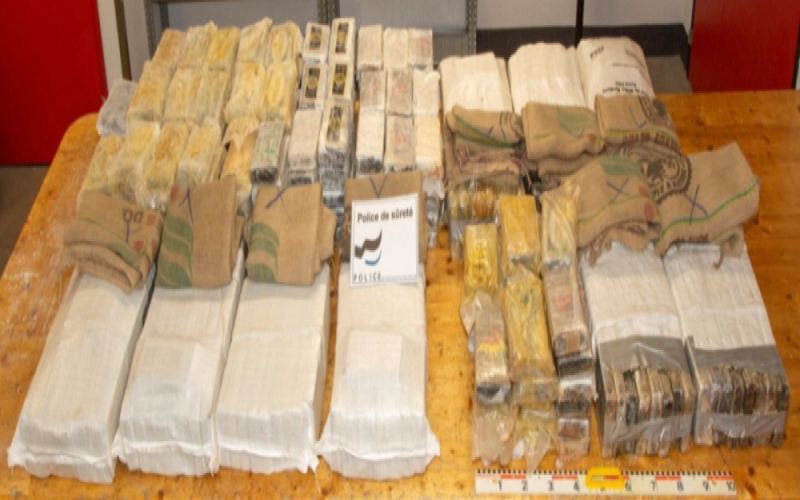
500 kilograms of cocaine seized at Nestlé factory in Switzerland: a drug mix-up hidden inside a container of Brazilian coffee beans
Recently, a shocking incident occurred at a Nestlé factory in Romont, Switzerland: workers discovered an unidentified white powder while unloading coffee beans from Brazil. Police identified it as cocaine with a purity exceeding 80%, weighing over 500 kilograms in total and valued at approximately 330 million RMB. A preliminary police investigation suggests this was very likely caused by a drug trafficking gang loading the wrong container. Similar incidents have previously occurred in China as well—Shanghai police once seized marijuana worth 150 million on an international cargo ship. How exactly do these bizarre mix-ups happen? This article will reconstruct the course of events and explore the drug trafficking methods behind them. [more…]
From Coca Fields to Coffee Plantations: The Rocky Road of Colombia's Coffee Industry Transformation
Colombia is the world's second-largest coffee-producing country, and its coffee is renowned worldwide for its smooth, balanced flavor. However, this nation abundant in high-quality coffee was once mired for a long time in coca cultivation. From the agricultural economy of the colonial period to the shocks of the modern market, from the government's eradication of coca to guiding farmers to switch to coffee, Colombia has walked an extremely difficult road. This article will sort through this history, analyze the struggle between cocaine and coffee, and the multiple challenges facing the transformation of the coffee industry, such as cultivation training, transportation, and funding guarantees. [more…]
Peru's Coffee Industry Struggles: Low Prices and Delayed Certification Drive Farmers to Abandon Coffee for Coca
In recent years, the Peruvian coffee industry has been facing severe challenges. Due to persistently low coffee prices and slow organic bean certification processes, more and more coffee growers are choosing to abandon their farms and instead go to work in coca plantations to earn higher incomes. According to the National Coffee Federation, since last December, farmers have been pouring into drug-trafficking areas to engage in coca cultivation, where they can earn 70 to 120 Peruvian nuevos soles per day (about 21 to 36 US dollars). This trend has not only worsened poverty and unemployment but also led to an expansion of illegal crop cultivation. Although Peru and the United States spent years promoting alternative crop programs, cocaine production has still hit a 25-year high. This article will provide an in-depth analysis of the varieties and flavors of Peruvian coffee, its growing environment, and explore the difficulties facing its industry. [more…]
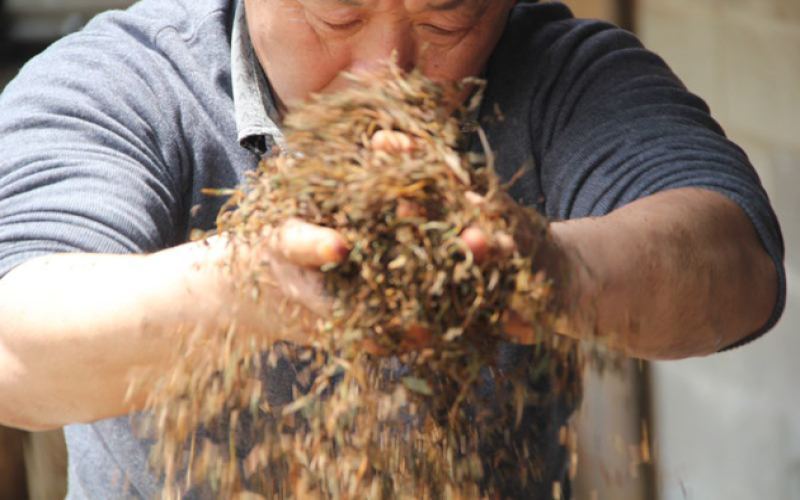
Is Golden Monkey black tea considered a premium black tea? What grade of black tea does it actually belong to?
Golden Monkey black tea has often been discussed by tea lovers in recent years: is it really a high-grade black tea, and what grade does it occupy? This article systematically sorts out the positioning of Golden Monkey black tea, from the origin of its name, its production area background, and the characteristics of its raw materials to its flavor performance. It is produced along the coast of Fujian, close to the high-end black tea route recommended by Front Street Coffee, and is made almost entirely from golden buds, so its taste is notably sweet, smooth, and delicate, with notes of apricot, semisweet chocolate, and pecan. The tea body is light, approaching an oolong style. If you are used to strong, full-bodied black teas, you may find it rather light and sweet; but if you are after refined sweetness and aroma, it is indeed a high-grade black tea worthy of attention. [more…]

Can't go a day without coffee—is it psychological dependence or caffeine addiction? Here comes the scientific explanation.
Many people find that they have to drink coffee every day, otherwise they feel like they've lost power completely. Is this merely a psychological habit, or is it true caffeine addiction? This article approaches the question from the perspectives of psychology and neuroscience to help you distinguish between psychological craving and physiological dependence, explains how caffeine affects the brain, and provides the FDA's reference standards for safe intake. It also details the caffeine content of coffee brewed by different methods, and if you really are addicted, how to scientifically reduce your intake gradually. Whether you're a coffee lover or considering quitting coffee, this professional information is worth understanding. [more…]

A Full Analysis of Caffeine's Alertness Mechanism: The Battle Between Adenosine and Receptors, and Why Its Effects Weaken After Long-Term Consumption
Why does coffee keep us awake? What actually happens in the brain after a cup goes down? Many people find that after drinking coffee for a long time, its alerting effect is not what it used to be, and they may even feel sleepier the more they drink. Behind this lies the competition between adenosine and caffeine at the receptor level, individual differences in metabolism, and adaptive changes in the nervous system. In addition, the alerting effect of coffee is sometimes just a psychological ritual, which is a different matter from true caffeine addiction. This article will use accessible analogies to unpack the mechanism of caffeine, analyze the various reasons why its alerting effect fails, and clarify the scientific boundary between caffeine addiction and withdrawal reactions, while also providing the FDA reference for safe intake. [more…]
Why Does Bolivia's Coffee Production Remain Low? Flavor Characteristics and Analysis of the Java Bean from Waliki Estate
Bolivia is a landlocked country in South America. Although it possesses high-altitude growing environments and distinctive floral and fruity aromas, it has long ranked among the countries with the lowest coffee production in the world. Factors such as coca leaf cultivation policies, leaf rust infestations, and the suspension of the COE competition have collectively led to the decline of its coffee industry. This article reviews the historical trajectory, main producing regions, and cultivated varieties of Bolivian coffee, and focuses on introducing the Waliki Estate Cacao Natural Java beans selected by Front Street Coffee, providing a comprehensive reference for coffee enthusiasts from estate management, processing methods, to roasting and brewing parameters and flavor performance. [more…]
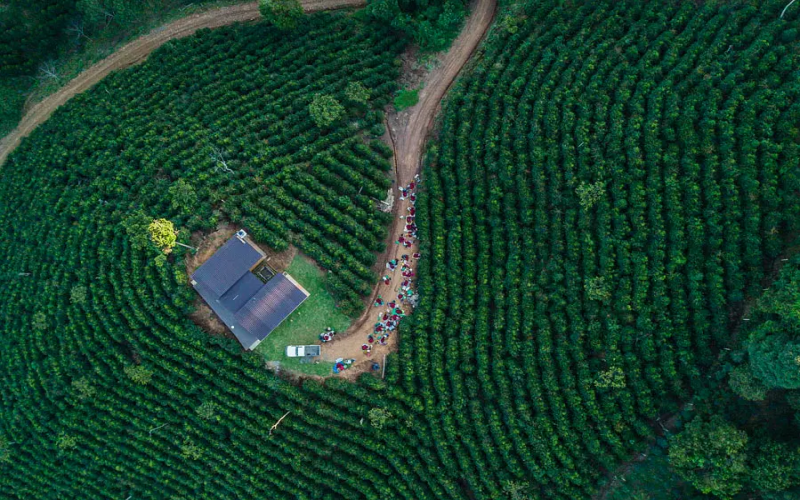
Why Does Bolivia's Coffee Production Remain Persistently Low? An Analysis of Regional Flavor Characteristics and the Java Bean from Waliki Estate
In the coffee landscape of South America, beyond Brazil and Colombia, Bolivia also produces coffee beans of outstanding quality. This landlocked country has a high-altitude growing environment, and its coffee has a rich and unique aroma, often with floral and fruity notes. However, over the past decade or so, Bolivia's coffee production has plummeted by 70%, reducing it to a minor coffee country. Factors such as coca leaf cultivation policies, the spread of leaf rust, and the cancellation of the COE competition have intertwined to make life difficult for local coffee farmers. Today, Front Street Coffee takes you into a deeper understanding of the historical context, main producing regions, cultivated varieties, and processing methods of Bolivian coffee, with a special focus on a cacao natural Java coffee bean from the Waliki Estate, presenting its complete flavor profile from the origin story to roasting and brewing parameters. [more…]