







Search Results for: shape
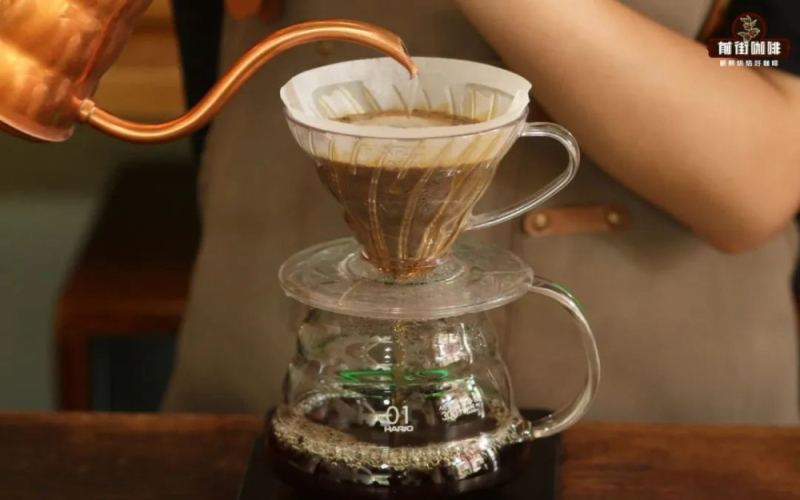
Pouring Differences Between Conical, Fan-Shaped, and Flat-Bottom Drippers: A Full Breakdown of V60, Kalita, and Wave Pouring Patterns
One of the joys of pour-over coffee lies in the extraction differences that different drippers bring. Front Street Coffee often receives questions from beginners: Do you also need to draw circles with a fan-shaped dripper? What should you pay attention to when pouring water with a flat-bottom dripper? This article takes three representative drippers—V60, Kalita, and Wave—as examples, starting from the coffee bed structure, explaining one by one the specific routes for circular pouring, and includes solutions for when the water flow is unstable. Whether you are just getting into pour-over or want to advance your understanding of how drippers and pouring techniques pair together, you will find practical reference here. [more…]
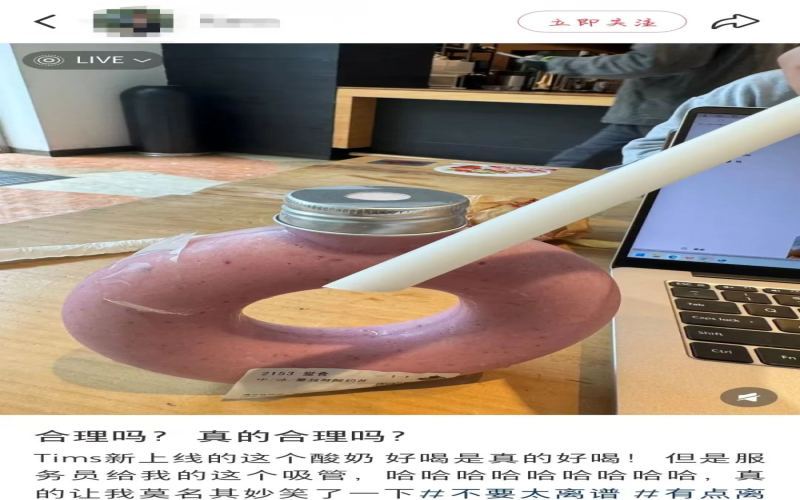
Tims' ring-shaped cup paired with a straight straw sparks heated debate, with the creativity of the packaging, its practicality, and serving efficiency called into question
Tims' newly launched fruit and vegetable drink "Cranberry Yogurt Smoothie" quickly caught consumers' attention with its unique ring-shaped packaging cup, and many people even placed orders specifically for this oddly shaped cup. However, when customers received the drink, they found that it came with a straight, thick straw, and the combination with the ring-shaped cup made people exclaim, "Is this reasonable?" The smoothie has a thick texture, and the straight straw can hardly reach the bottom inside the ring-shaped bottle, so customers had no choice but to unscrew the cap and drink directly. At the same time, Tims employees also complained that the ring-shaped cup affected service efficiency, as the slushy drink was difficult to pour into the narrow bottle opening. Whether this creative packaging is a bonus or a trouble maker has sparked widespread discussion. [more…]
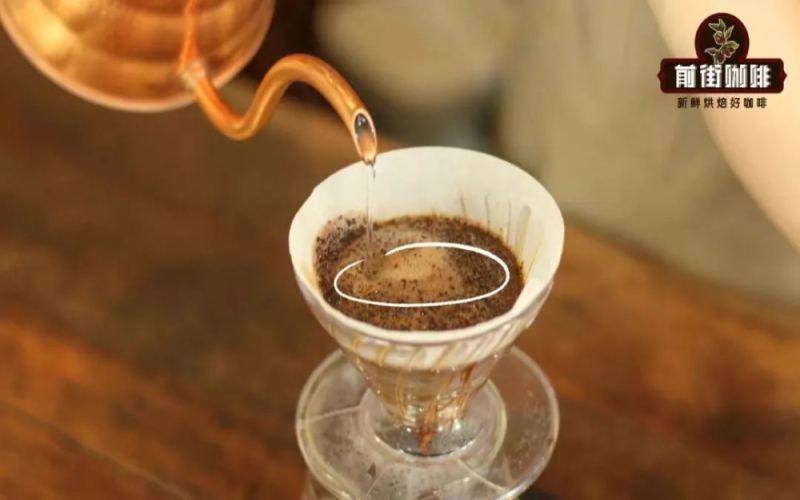
What makes the trapezoid dripper's three-hole design so unique? An analysis of the differences between fan-shaped and cone-shaped drippers, and a comparison with the V60
In the world of coffee brewing, the shape and structure of the dripper often directly influence the final flavor profile. As one of the classic styles, what extraction characteristics does the three-hole design of the trapezoid dripper actually bring? What are the essential differences between it and the common fan-shaped and cone-shaped drippers? And when facing cone-shaped drippers represented by the V60, is the trapezoid dripper suitable for your brewing habits? Starting from practical brewing cases and combining Front Street Coffee's recommendations, this article will deeply analyze the pros and cons of the trapezoid dripper, compare the applicable scenarios of different drippers, and help you find the one that suits you best. [more…]
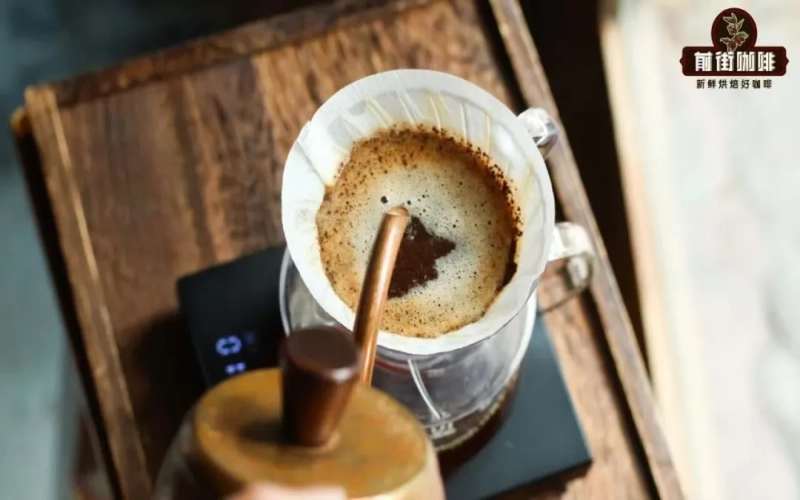
Pour-Over Coffee Dripper Buying Guide: A Full Breakdown of Bed Structure, Flow Rate, and Material, Plus Front Street Recommendations
Faced with a dazzling array of pour-over drippers, many coffee lovers often don't know where to start. In fact, the differences between drippers mainly come down to three aspects: the bed structure, the flow rate, and the material choice. The bed structure determines the evenness of extraction and the layering of flavors—cone-shaped, flat-bottomed, and wedge-shaped each have their own characteristics; the flow rate is affected by the rib design and the size of the outlet, with fast and slow rates leading to completely different flavor profiles; the material affects heat retention and price. Once you understand these differences, you can make a choice based on your personal taste preferences. Front Street Coffee will provide specific buying recommendations at the end of this article—just follow them and you can easily get started. [more…]
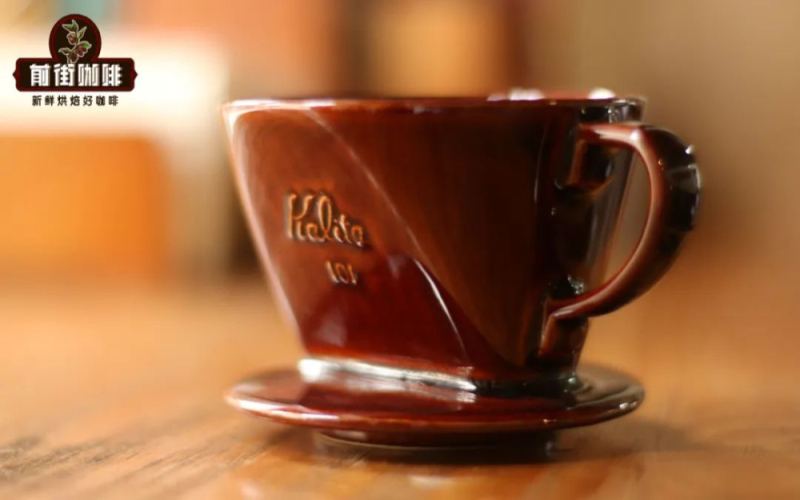
Exploring Pour-Over Dripper Shapes: The Design Differences Between Trapezoid and Cone, and Why Trapezoid Drippers Are Less Commonly Used
In the world of pour-over coffee, cone-shaped drippers have almost become the default option—V60, Kono, and Origami drippers are all no exception. But dripper shapes go far beyond this one type; the trapezoid dripper (also called the fan-shaped dripper) actually has a longer history. This article will walk you through the origins of the trapezoid dripper, its core structural differences from cone-shaped drippers, and why today's pour-over enthusiasts tend to prefer cone-shaped drippers. It also specifically introduces Front Street Coffee's related products and store information, making it ideal in-depth reading for anyone interested in coffee equipment. [more…]
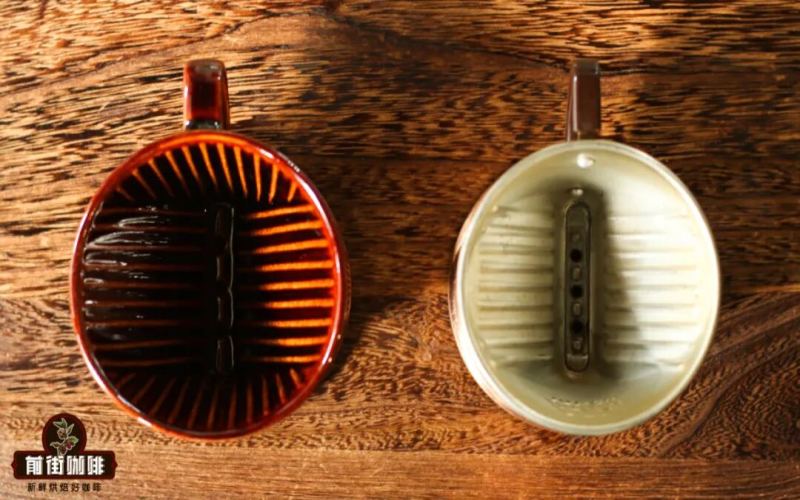
Coffee Dripper | Why Do Cafés Rarely Brew Coffee with Fan-Shaped Drippers? What Extraction Advantages Do Trapezoid Drippers Have, and Which Coffee Beans Are They Suitable For?
Have you ever noticed that, aside from some large chain brands, we hardly ever see trapezoid drip cups in coffee shops? Compared to trapezoid drip cups, cone-shaped and flat-bottom/cake drip cups appear much, much more frequently. So quite a few friends are curious: why do drip cups that use trapezoid [more…]

Pour-Over Filter Paper Selection Guide: How Shape, Size, Bleaching Process, and Paper Material Affect Coffee Flavor
In discussions about pour-over coffee equipment, the dripper often takes center stage, while the filter paper—which performs the critical filtration task—tends to be overlooked. In fact, although filter paper accounts for only a small portion of the cost, it directly affects how coffee flavors are presented—common issues such as "fit" and "papery taste" are inseparable from it. When faced with the three mainstream shapes on the market—cone, fan, and cake—along with options like 01/02 sizes, natural and bleached, and different brands' paper textures, how should one make the right choice? Drawing on Front Street Coffee's practical experience, this article systematically sorts through filter paper styles and shapes, model sizes, bleaching processes, and paper texture differences, helping coffee enthusiasts find the one that better matches their own dripper and brewing preferences. [more…]
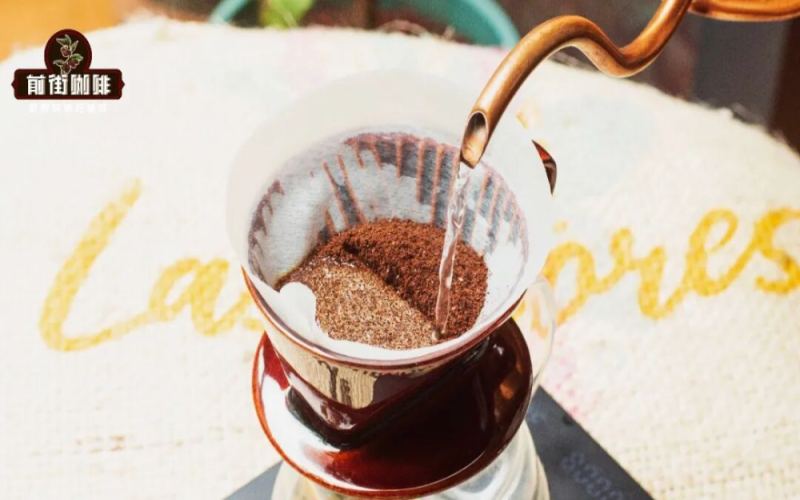
Pour-Over Beginner's Guide: Z-Pour One-Pour Technique Explained and Split-Extraction Parameters Fully Analyzed
For friends who are just getting into pour-over coffee, choosing a pouring method that is quick to learn and highly consistent is crucial. Recently, a brewing technique called the "Z-shaped one-pour method" has become popular in the coffee community. Because of its unique pouring path and simplified staging logic, it has attracted many enthusiasts to try it. Some believe it is easier to control than traditional circular pouring, while others find it quite difficult to execute and think its flavor performance is mediocre. This article takes Front Street Yirgacheffe Worka as an example and, based on Front Street's actual practice, breaks down in detail the pouring path, parameter settings, and key details of the Z-shaped one-pour method, and compares its flavor with the classic three-stage brewing, helping beginners fully understand the advantages, disadvantages, and scope of application of this technique. [more…]
How the material, thickness, and shape of a coffee cup shape the drinking experience and flavor perception
Have you also collected a bunch of exquisite and good-looking coffee cups, yet always find yourself unsure which one to pick when brewing coffee? In fact, the material, thickness, and rim shape of a cup each have their own nuances. Although they won't change the concentration or flavor compounds of the coffee liquid, they can influence our visual perception, temperature, and mouthfeel through their structural characteristics. This article follows the perspective of Front Street Coffee, breaking down everything from materials and wall thickness to different forms such as wide-mouth, straight-sided, and tapered cups, helping you understand what kind of coffee each cup is suited for, while also discussing the exceptional strengths and sole weakness of those professional tasting cups used in competitions. [more…]
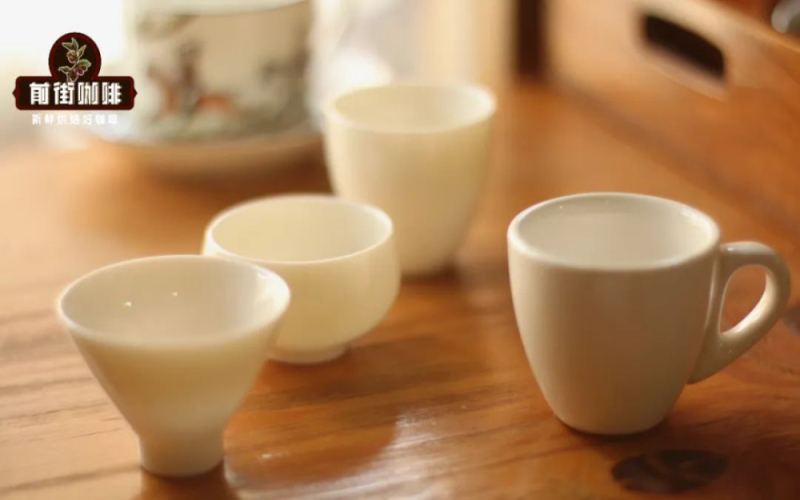
The Complete Guide to Choosing a Coffee Cup: How Material, Thickness, and Rim Shape Shape the Tasting Experience of Espresso, Latte, and Cappuccino
When it comes to drinking coffee, besides the beans and brewing method, the cup is also an aspect that cannot be overlooked. This article starts from three dimensions—material, thickness, and the shape of the cup body and rim—to systematically sort out the actual effects of different coffee cups on visual appeal, heat retention, and taste perception. You will learn what scenarios glass, ceramic, and stainless steel are each suited for, which flavors open-mouth cups, straight-bodied cups, and tapered cups can respectively amplify, and why Front Street pairs specific cup types when recommending single-origin coffees such as Red Cherry, Geisha Village Flower Queen, and Mozart. Whether you are a collector or just starting out, this cup-selection guide can help you find the vessel best suited to the cup of coffee in front of you. [more…]
The Complete Guide to Buying a Dripper: The Profound Impact of Cone Shape, Internal Ribs, Hole Design, and Material on Extraction Flow Rate and Temperature Control
Faced with drippers of all shapes and sizes on the market, friends new to pour-over coffee are often baffled by names like V60, Kono, and Origami, along with materials such as ceramic, resin, and metal. This article starts from the fundamental structure of the dripper, breaking down what the cone shape, internal ribs, bottom hole, and construction material each mean. You'll come to understand that these designs ultimately point to two core factors: flow rate and temperature control, and grasping the differences in thermal conductivity and specific heat capacity can help you match a more suitable dripper to your brewing method. Front Street Coffee takes you through the principles so you no longer follow trends blindly, and find that perfect cup of coffee of your own. [more…]
How Do Pour-Over Coffee Bed Depth and Shape Influence Flavor? A Detailed Explanation of the Differences Between Flat-Bottom Drippers and Conical V60
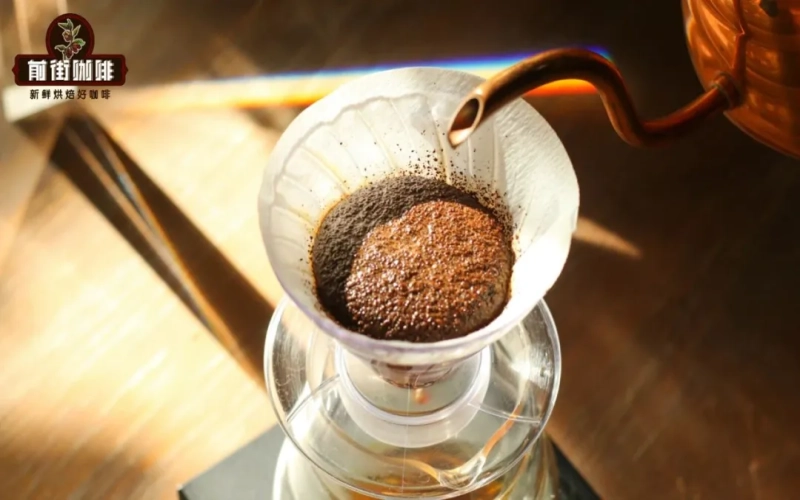
In the world of pour-over coffee, the shape of the coffee bed is often overlooked, yet it profoundly influences the final flavor expression. Starting from cases previously shared by Front Street Coffee, this article systematically sorts out the specific effects of coffee bed thickness and shape on extraction efficiency, stability, and coffee taste. You will learn why the same beans present completely different layers or balance in different drippers, and also understand why every dripper has a recommended dose. Through a comparative brewing example of Front Street Coffee Ethiopia Huakui, we will intuitively see the flavor differences brought by conical drippers and flat-bottom drippers, helping you understand more thoroughly the logic behind dripper selection, so you can brew a good cup of coffee more confidently. [more…]
The Complete Guide to Pour-Over Coffee Dripper Selection: Common Types, Material Differences, and Brewing Compatibility Guide
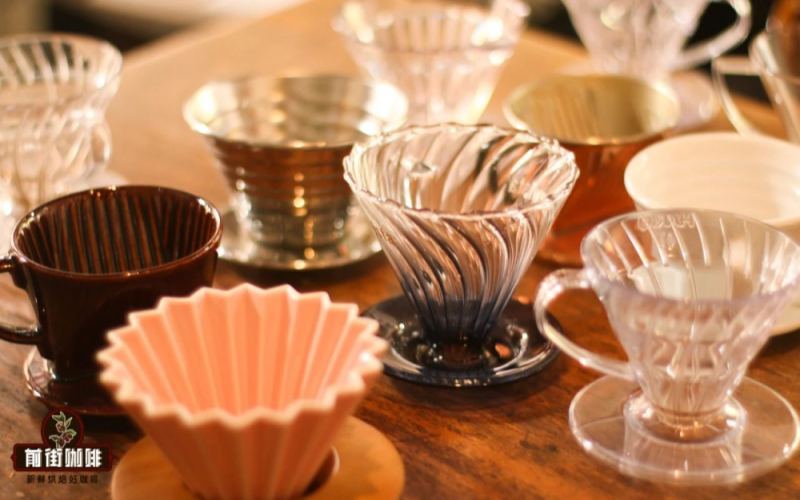
In the toolkit of pour-over coffee gear, the dripper plays a pivotal role. With the third wave of coffee and the growing popularity of single-origin specialty beans, pour-over brewing rose in Japan and swept the globe. Getting started with pour-over isn't complicated—all you need is a gooseneck kettle, filter paper or a metal mesh, a dripper, and ground coffee. Yet the sheer variety of drippers often leaves beginners at a loss. This article systematically breaks down the structural features and flow-rate differences of mainstream drippers—wedge, cone, origami, wave, and metal—analyzes how different materials affect heat retention, and, drawing on brewing practice with a range of Front Street beans, explains how dripper choice shapes a coffee's balance, body, and aromatic layering, offering enthusiasts a practical reference. [more…]
Should pour-over parameters be adjusted according to differences in dripper shape and flow rate?
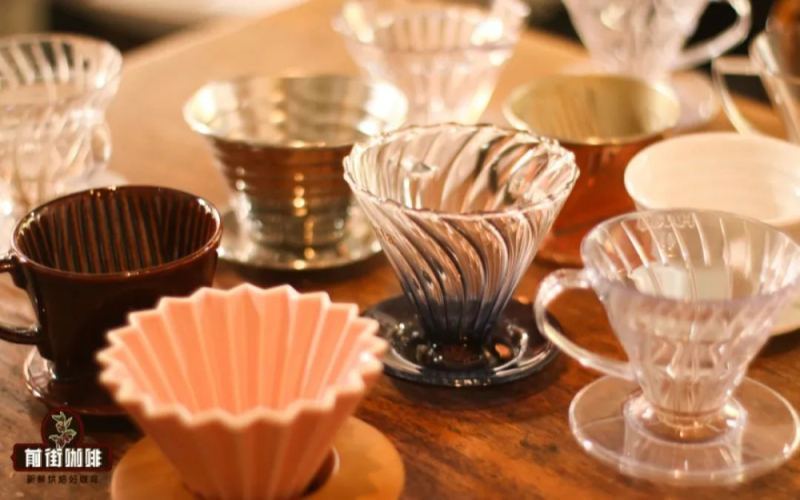
In the practice of pour-over coffee, many enthusiasts directly apply common brewing frameworks, such as controlling the total extraction time to around two minutes. But in actual brewing, the same parameters may show significant time deviations due to different drippers. What exactly is going wrong behind this? The shape of the dripper, the size of the holes, and the distribution of the flow-guiding ribs all change the drainage speed, which in turn affects the final flavor. This article compares the measured performance of the V60 and the cake dripper to explore a core question: when facing drippers with different flow rates, must we re-plan the brewing framework? And how should we view the parameter of extraction time? [more…]
Pour-Over Coffee Filter Paper Buying Guide: Filter Cone Compatibility, Price Ranges, and the Difference Between Bleached and Unbleached Explained
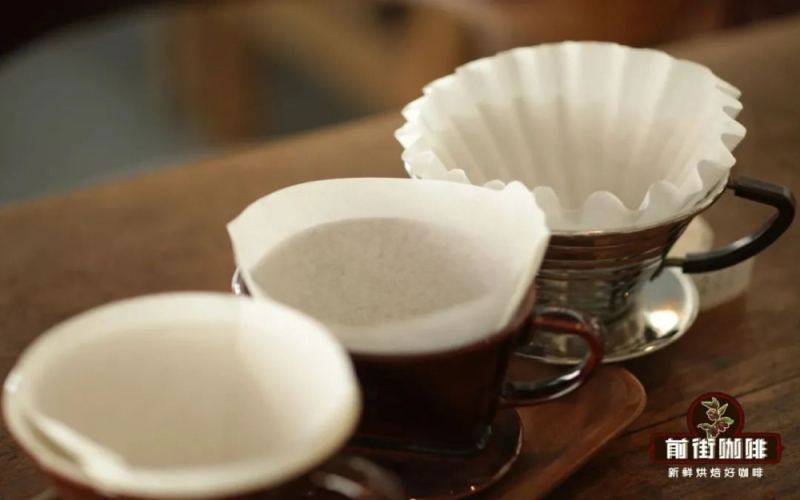
In the daily practice of pour-over coffee, the choice of filter paper is often underestimated, yet it directly affects extraction and flavor performance. Faced with a bewildering array of filter paper products on the market, how do you choose the right shape based on the dripper you use? What are the differences in price and performance between filter papers of different materials and manufacturing processes? This article approaches the topic from the practical angle of dripper compatibility, systematically sorting out the correspondence between wedge-shaped, cone-shaped, and cake filter papers, while also answering the core question of how bleached filter paper differs from natural wood filter paper, with price references included. Whether you are a beginner just starting out or an advanced player looking to fine-tune your brewing details, you will find clear guidance for making a purchase. The article also incorporates insights from the practical experience of Front Street Coffee to offer specific recommendations. [more…]

Common Coffee Varieties Illustrated Guide: Analysis of Bean Shape Characteristics and Pour-Over Flavor Differences in Typica, Bourbon, Caturra, and More
Faced with a bewildering variety of coffee beans, many enthusiasts wonder whether they can identify the variety by appearance alone. In fact, this is not as far-fetched as it seems—as long as you grasp the unique bean shape characteristics of each variety, you have a chance of doing so. This article compiles the appearance features of common varieties such as Typica, Bourbon, Caturra, Catuai, SL28/SL34, and Geisha, and, in conjunction with specific products from the Front Street Coffee bean list, explains their respective flavor trajectories in pour-over and espresso extraction. Of course, it is not uncommon for different varieties to look alike, and judging by appearance alone has its limitations, so it is better read as a piece of variety education. [more…]
Pour-Over Coffee Filter Cup Selection Guide: How Different Shapes and Materials Affect Extraction and Flavor Performance
In the ecosystem of pour-over coffee equipment, the dripper plays a key role in determining the direction of extraction. Since the introduction of filter paper and drippers in the early twentieth century, more than a century of improvements has produced a rich variety of drippers on the market in terms of shape, number of holes, grooves, and materials, and each difference directly affects flow rate and extraction time, ultimately reflected in the coffee's mouthfeel and flavor. This article systematically reviews the design characteristics and suitable applications of mainstream dripper types such as fan-shaped, conical, wave, and metal, and further discusses the impact of materials such as ceramic, resin, and glass on heat retention. At the same time, drawing on Front Street Coffee's bean list, the article provides specific pairing suggestions for different drippers, helping coffee enthusiasts find a brewing method that suits them on the basis of understanding the equipment's characteristics. [more…]
Pour-Over Coffee Tasting | Does Coffee Taste Differ with Different Cup Shapes? Which Cup Shape of Coffee Tasting Cup Should Be Paired for Tasting Different Coffees?
As the saying goes, a good horse deserves a good saddle, and good tea belongs in a fine jar. As the main vessel for holding coffee, the impact of different cup designs on tasting has gradually drawn people's attention. Some coffee shops even spend lavishly on a set of coffee cups dedicated to serving, in order to create a dual experience for the eyes and the palate. Just like wine, cups [more…]
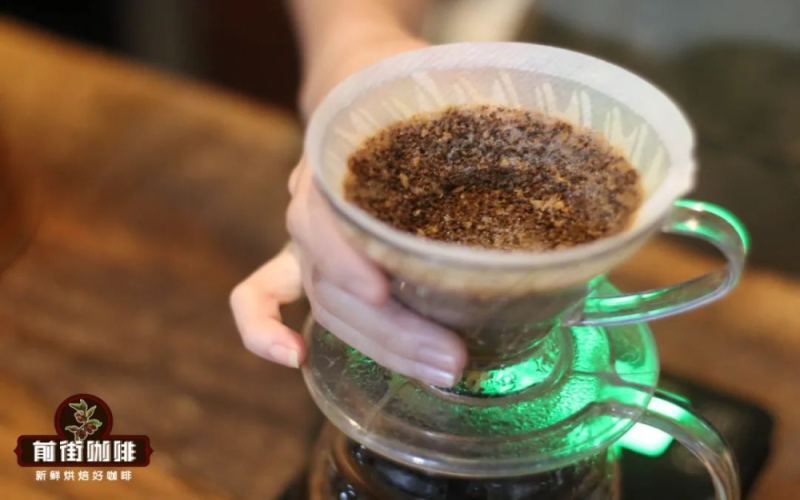
Interpreting the Shape of the Coffee Bed in Pour-Over Brewing: Judging Extraction Evenness and Brewing Issues from the Grounds Pattern
Many pour-over enthusiasts habitually check the shape of the coffee bed in the dripper after brewing, and some even predict the coffee's flavor based solely on the bed's appearance. What can the coffee bed actually tell us? Can it really determine whether a cup of coffee is good or bad? This article starts from the causes of the coffee bed, analyzes the extraction problems corresponding to different bed shapes, and explores the practical reference value of the coffee bed in brewing adjustments. At the same time, Front Street will also share how to view the coffee bed rationally and avoid falling into the misconception of "judging solely by the coffee bed." [more…]
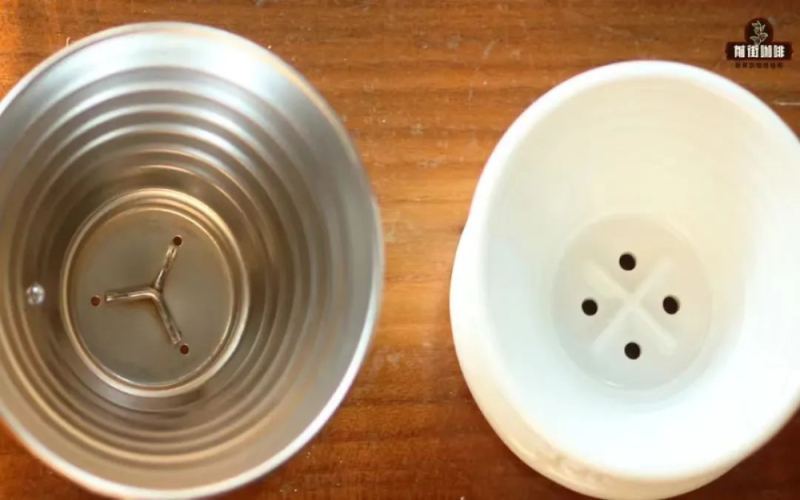
How do filter cup shape and flow rate influence pour-over parameters? How should extraction time be reasonably set?
Many coffee enthusiasts often wonder after switching filter cups: can the original pour-over parameters still be used, and exactly how long should the extraction time be controlled to be considered appropriate. Starting from the differences in filter cup shape and flow rate, and combined with Front Street Coffee's measured data, this article compares the extraction performance and flavor differences of the V60 and flat-bottom cake filter cup under the same parameters, explaining that the real purpose of parameter adjustment is not to pursue fixed values, but to serve the ideal taste. The article also provides a ranking of the flow rates of common filter cups, helping readers understand the relationship between filter cup characteristics and extraction time, so as to formulate brewing plans more flexibly. [more…]