







As the saying goes, a fine horse deserves a fine saddle, and good tea deserves a good jar. As the primary vessel for holding coffee, the different designs of cups are gradually receiving more attention for their impact on tasting, with some coffee shops even sparing no expense to create a set of coffee cups specifically for service, in order to create a dual experience for the eyes and the palate.
Just like wine, the shape of the cup has a certain influence on the sensory experience of coffee, so which cup to choose for drinking different coffees has gradually become a point of interest for many enthusiasts. Today, let's set price aside for the moment and, through experimental comparison, see what effect drinking the same pot of coffee from cups of different shapes has.
First, we need to reach two points of consensus:
What difference does it make to drink the same pot of coffee from cups of different shapes?
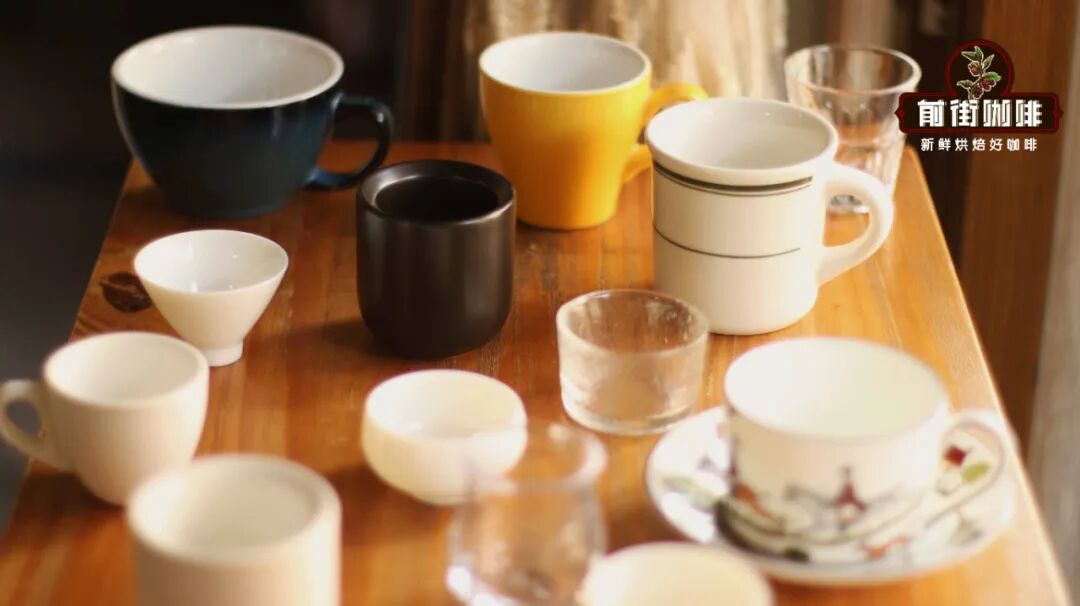
Since there are many types of coffee tasting cups on the market, Front Street Coffee will here focus only on mainstream rim types and select three relatively common styles for comparison: open rim, straight body,and tapered rim—three types. During the process, Front Street Coffee will record the flavors by combining smelling the coffee's aroma with tasting at high and low temperatures.
To obtain more reference information, Front Street Coffee will use three coffee beans for the experiment. One is the dark-roasted Front Street Blue Mountain No. 1, used to feel the body, mouthfeel, and balance (brewing parameters: 15 grams of coffee, 1:15 coffee-to-water ratio, brewing temperature 87°C, grind size ofEK43s-10.5 marks on the scale / 75% passing rate on the Chinese standard sieve, three-stage pouring);
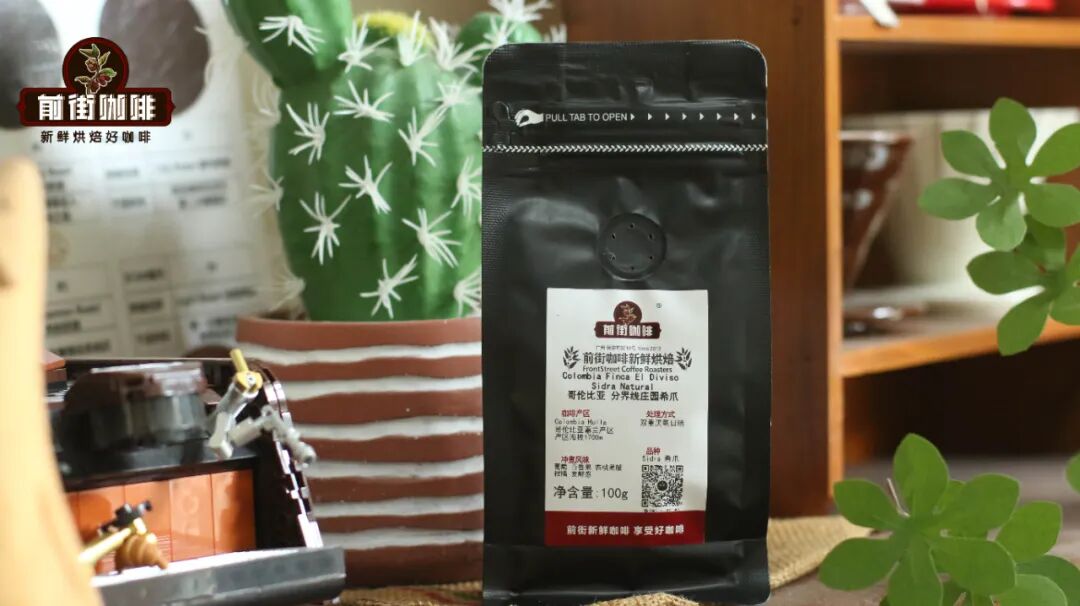
The second is the medium-roastedFront Street Sidra, highlighting rich floral and fruity aromas and a full, solid sweet-and-sour texture (brewing parameters: 15 grams of coffee, 1:15 coffee-to-water ratio, brewing temperature 91°C, grind size of EK43s -9.5 marks / 82% passing rate on the Chinese standard sieve, three-stage pouring)
The third is the light-roastedGesha Village Red Label, mainly bringing out delicate floral notes, acidity, and aftertaste (brewing parameters: 15 grams of coffee, 1:15 coffee-to-water ratio, brewing temperature 91°C, grind size of EK43s -10 marks / 80% passing rate on the Chinese standard sieve, three-stage pouring).
In the aroma stage, all three coffees showed a similar trend of change: the aroma from the open-rim cup faded in an instant, quickly becoming the faintest of the three; the aroma intensity from the straight-body cup was in the middle and changed little; the aroma from the tapered-rim cup was the richest, with each bean's aroma being expressed.
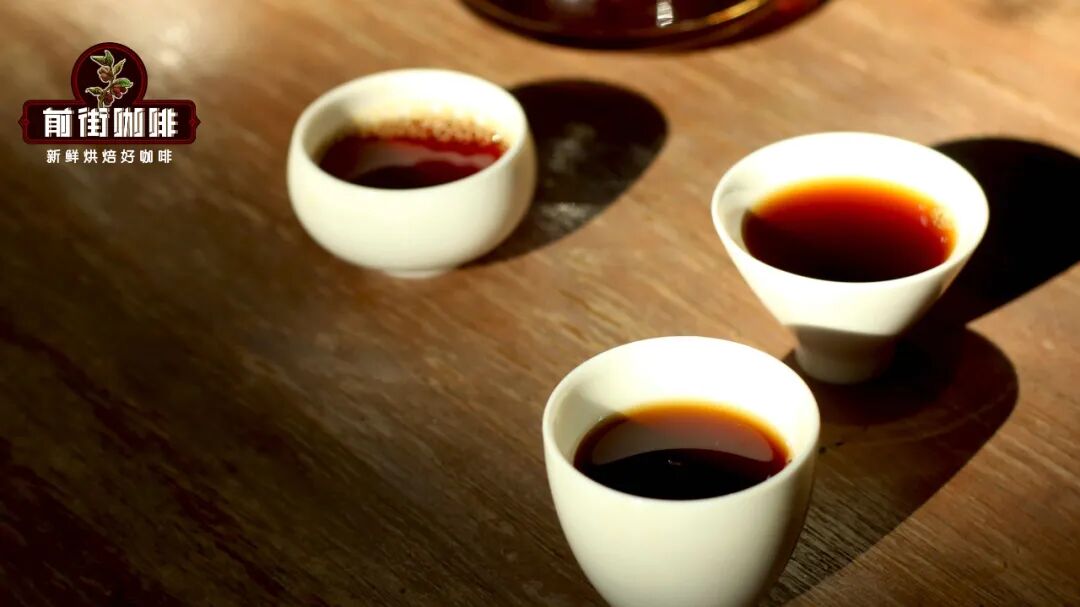
Flavor performance of Blue Mountain No. 1: the straight-body cup had the most concentrated flavor, high intensity, and a rich body; the tapered-rim cup had obvious sweetness returning, clear and soft; the open-rim cup was overall on the light side, with slight acidity and a lack of body.
Flavor performance ofSidra: the open-rim cup leaned toward citrus and stone-fruit acidity, with a slight tea-like quality; the tapered-rim cup had the highest sweetness, drinking like ripe grape juice; the straight-body cup maintained a good balance in both aroma and mouthfeel, comfortable from start to finish.
Flavor performance ofGesha Village Red Label: the straight-body cup had intense fruit aroma and a solid mouthfeel, with a tea-like astringency in the finish; the tapered-rim cup's aroma was not particularly obvious, but its caramel note stood out; the open-rim cup had relatively distinct layers, with bright fruity acidity and a slight fermented aroma at high temperature, and citrus and black tea notes after cooling.

Why do cups affect the taste of coffee?
The structure of the human tongue makes ussensevarious tastes with differing degrees of sensitivity. Generally speaking, the tip and edges of the tongue are more likely to sense saltiness, the base of the tongue is attuned to bitterness and spiciness, the front of the tongue is more sensitive to sweetness, and the sides of the tongue near the cheeks are often stimulated by sourness. When we combine this with the flavor comparison records above, we can draw a rough conclusion.

The open-rim cup is wide at the top and narrow at the bottom, with a relatively large rim, and the cup's edge tilts outward at more than 45 degrees. When drinking coffee from it, the liquid has the largest contact area with the air, so the aroma escapes fastest. The larger tilt angle makes the coffee flow into the mouth most smoothly and also most dispersedly; it first passes the sides of the tongue and the tip, so when tasting light-to-medium roasts it is easier to capture fruity sweet-and-sour notes and subtle flavor changes, making it suitable for African beans such as Front Street Coffee's Huakui and Front Street Coffee's Little Tomato.
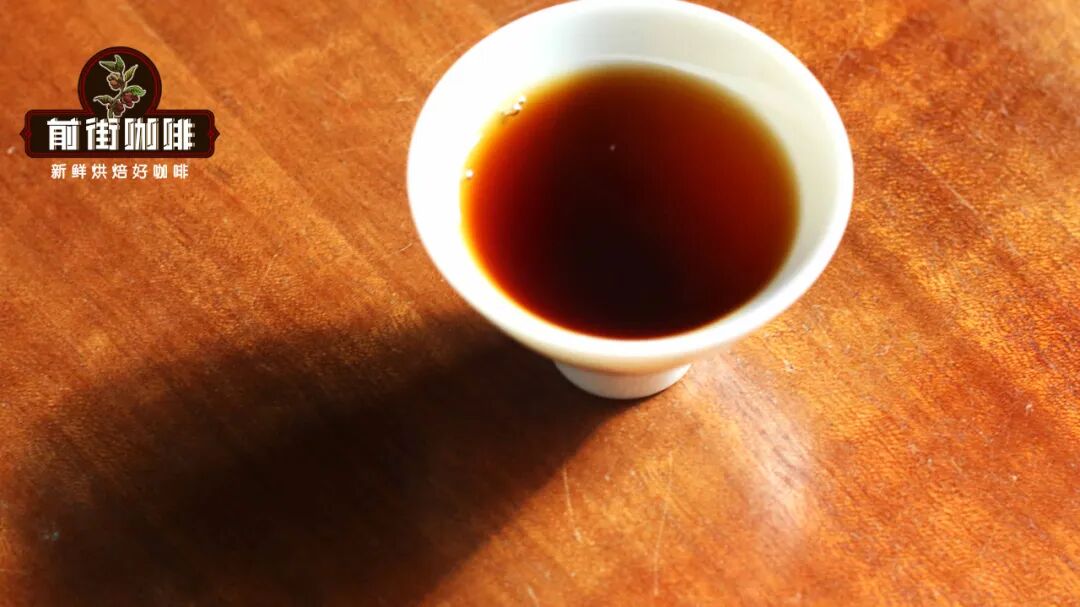
The straight-body cup maintains roughly the same diameter from the rim to the middle, with some standing perpendicular to the table, and the body is relatively tall. The straight-line design allows the coffee to flow into the mouth in a concentrated way, producing a greater impact on the senses of the entire oral cavity, especially when tasted at medium-to-high temperatures, when its flavor concentration is highest, and its mouthfeel is full and solid, better expressing body and caramel aroma, so it is more suitable fordark-roasted coffeessuch as Front Street Coffee's Mandheling and Front Street Coffee's Huilan.

The tapered-rim cup mainly features a top that narrows inward and a belly that bulges outward, allowing the aroma to be released at the widest part and then gathered at the rim, which is more conducive to smelling the aroma. Many wine glasses adopt this tapered-rim design.
When drinking coffee from a tapered-rim cup, we first need to raise the lower jaw so that the lips form a forward-concentrated state. At this point the coffee will first land onthe front of the tongue, which is more sensitive to sweetness, and only then spread through the oral cavity. Therefore the aroma it provides will be relatively weak, but the sweetness is the highest. So to highlight its advantages, Front Street Coffee believes it is best to choose beans with flavor descriptions such as candied fruit (dried fruit), toffee, ripe fruit, and fermented aroma, such as Front Street Coffee's Sidra and Front Street Coffee's Strawberry Candy,medium-roast coffees.
The above content is compiled by CoffeeHunters, a coffee news website.


