







What went wrong with the Luckin Coffee milk skin latte?
Luckin Coffee released a Milk Skin Latte tied to a Tom and Jerry collaboration, built on Inner Mongolian milk skin for a pudding-like texture. Early buyers split sharply: some liked the novelty, while many complained the milk pudding at the bottom stayed sticky, broke only into flocculent pieces after stirring, and never merged with the coffee, so sweet and bitter arrived separately.
Inner Mongolian commenters noted the coagulant used is not true milk skin and suggested calling it a milk jelly latte. Luckin then added a version without the pudding, which drew complaints of being bland. The episode highlights how a coffee milk ratio latte depends on an even emulsion; a dense, separate layer disrupts the balance the milk is meant to soften.
Luckin has once again collaborated with "Tom and Jerry," launching a new product inspired by Inner Mongolian milk skin called "Milk Skin Latte," attracting a large number of consumers to try it. However, feedback from the first batch of users shows clear divisions: some find the milky pudding texture novel, while more complain that the sediment in the cup is sticky and cannot blend with the coffee, with sweet and bitter tastes distinctly separate upon sipping, jokingly saying "double-skin milk and latte each go their own way." Inner Mongolian netizens further pointed out that the coagulant used is not real milk skin, suggesting it be renamed "Milk Jelly Latte." Luckin subsequently added a version without pudding, but it was criticized as bland. What exactly caused this controversy over the taste of the Milk Skin Latte?
▲
Click to follow | Daily specialty coffee culture magazine Coffee Workshop
Recently, Luckin Coffee has once again teamed up with its long-term partner "Tom and Jerry" for a collaboration, simultaneously launching a new product "Milk Skin Latte," quickly attracting a large number of fans to place orders and try it.
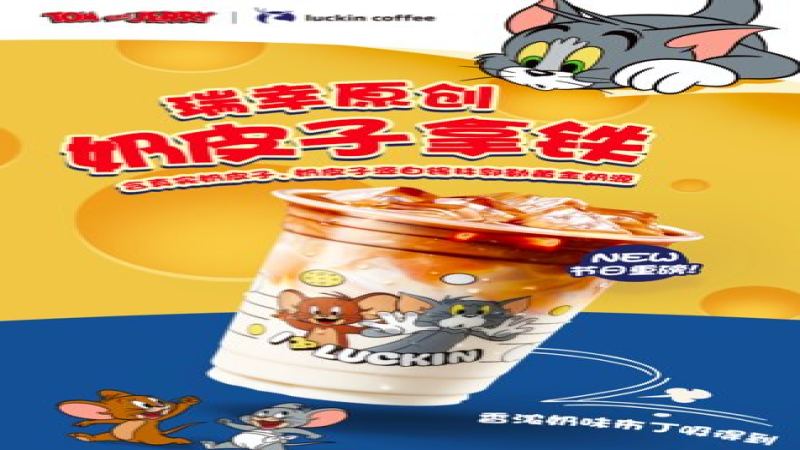
According to the official promotional poster, the inspiration for this "Milk Skin Latte" comes from the Inner Mongolian specialty ingredient milk skin, incorporating real milk skin into the latte, aiming to add rich milky flavor and pudding-like texture to the regular drink. As soon as the new product hit the market, it sparked strong interest among consumers, with many rushing to buy it immediately after launch, looking forward to the unique flavor collision between the rich milky milk skin and coffee.
(Image taken from official Weibo)
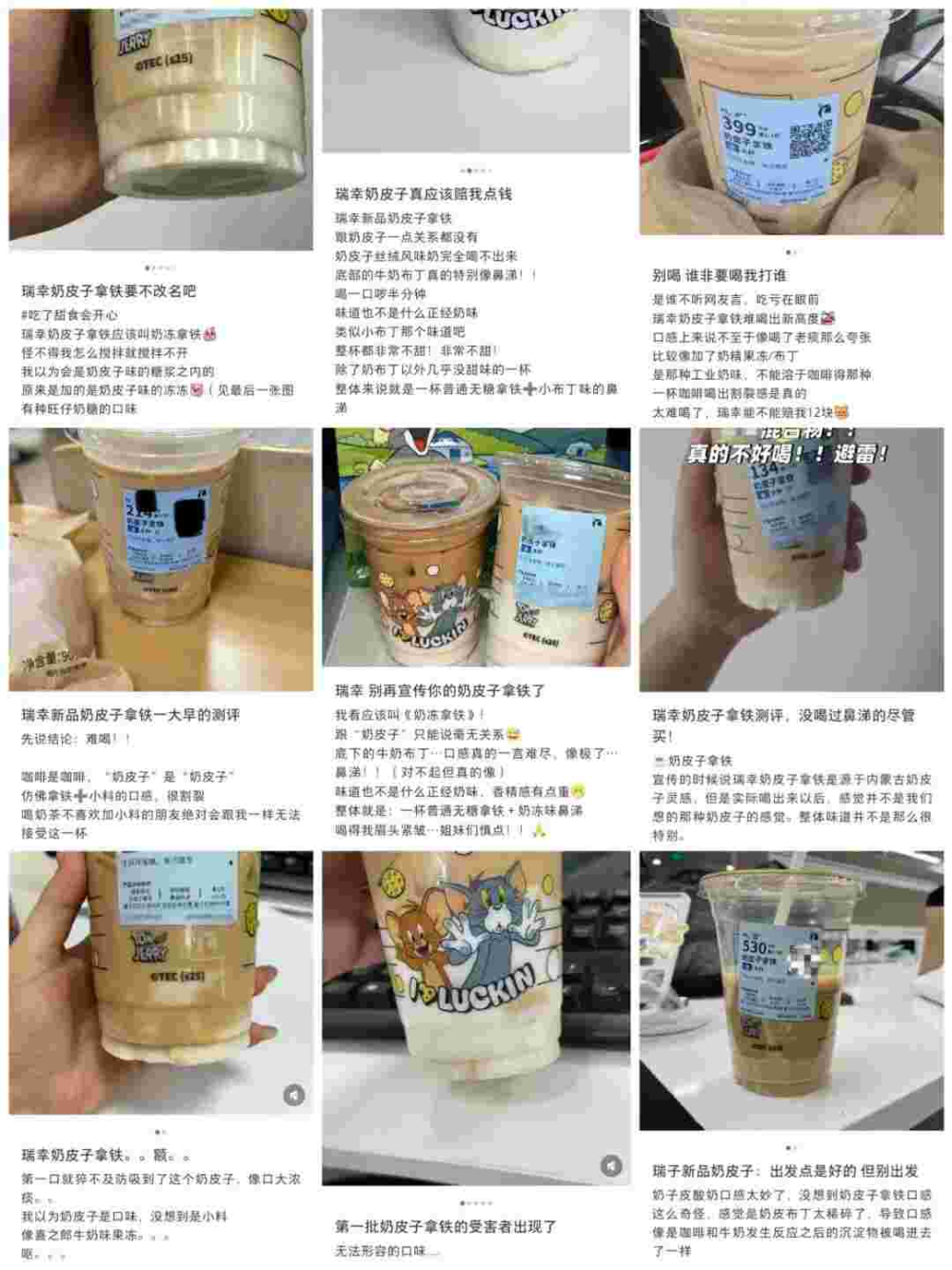
However, most customers who got the freshly made "Milk Skin Latte" from staff and tasted it showed troubled expressions. From the "post-drink reviews" on social platforms, many netizens reported that the first sip was hard to describe, "with every sip, something sticky enters the mouth"; others compared it to "a latte with pudding toppings," admitting it was hard to accept this new product.
Besides the special taste, many netizens bluntly said they experienced a "sense of separation" in this "Milk Skin Latte." They pointed out that the milk jelly at the bottom of the cup has a strong presence, and even after thorough stirring upon receipt, it can only be broken into flocculent pieces, unable to blend with the latte.
Therefore, after sipping the drink, consumers can feel the sweet fragrance of the distinct milk jelly particles, while simultaneously experiencing the bitterness of the latte coffee on the tongue, "sweet in one sip, bitter in the next," with the two flavors clearly demarcated. Some netizens even described it as "double-skin milk and latte had a fight, and in the end, each went their own way," "completely mismatched."
Meanwhile, Inner Mongolian netizens have different views on Luckin's "Milk Skin Latte." According to Baidu Baike, Mongolian milk skin is divided into two types: one is the thin film formed on the surface after fresh milk fermentation, called "Tuhe Urum," i.e., raw milk skin; the other is the thin film condensed on the surface after boiled fresh milk cools, called "Baolesen Urum," i.e., cooked milk skin, which is also the raw material for making ghee.
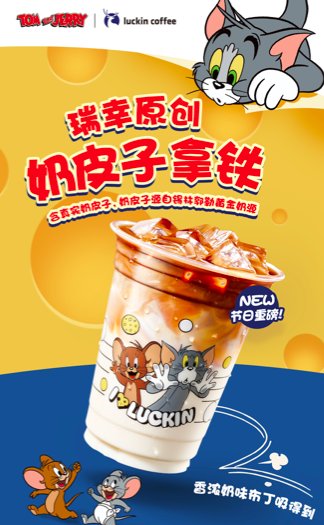
But Inner Mongolian users pointed out that although Luckin used the words "real milk skin" in its poster promotion, judging from the production videos posted by staff, the milky white coagulant in the new product should be formulated, not the milk skin naturally formed from fresh milk.
Many people, after trying it, believed that the sediment in the drink tastes more like milk pudding, double-skin milk, or tofu pudding, "Inner Mongolians say, this has nothing to do with milk skin," "not authentic milk skin at all," and suggested the brand rename it "Milk Jelly Latte" for a more fitting name.
It is worth mentioning that perhaps noticing that netizens' reviews of the "Milk Skin Latte" mostly focused on "strange taste," Luckin soon after the new product launch wisely added a "Milk Skin Latte (No Pudding)" version, providing users with more choices.
However, some tasters feedback that once the "Milk Skin Latte" lacks the bottom toppings, it just tastes like an ordinary flavored latte with rich milky aroma, appearing bland instead.
Image source: Xiaohongshu
Disclaimer: Some images in this article are from the internet. For some content on the website such as images, we will respect the original copyright and indicate the source. However, due to the large quantity, some images and texts may not be credited in time; please forgive us. If the original author has any disputes, they can contact the website for handling. Once verified, we will correct it immediately. Compiled and edited by "Coffee Workshop," please indicate the source for reprinting. If there is infringement, please inform us for deletion. Thank you ~ !
The above content is compiled by CoffeeHunters, a coffee news website.


