







Search Results for: satellite monitoring
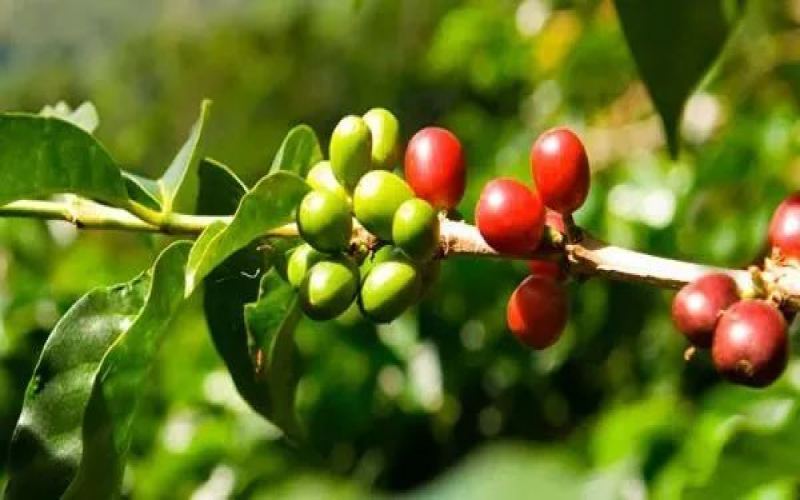
Fairtrade partners with Satelligence to expand satellite monitoring network for coffee origins under the EU's new deforestation-free rules
After the EU's Zero Deforestation Regulation took effect, the threshold for exporting coffee to the European market has been significantly raised. The international Fairtrade organization recently announced a partnership with remote sensing technology company Satelligence to expand satellite monitoring to all certified coffee producer organizations worldwide, helping cooperatives and their smallholder members directly access deforestation risk data. This move is intended to break the monopoly of large corporations on supply chain information, enabling producers to proactively prove that their coffee is not linked to deforestation and thereby retain access to the EU market. This article reviews the background of the partnership, the requirements of the regulation, and various perspectives, and includes related recommendations from Front Street Coffee. [more…]
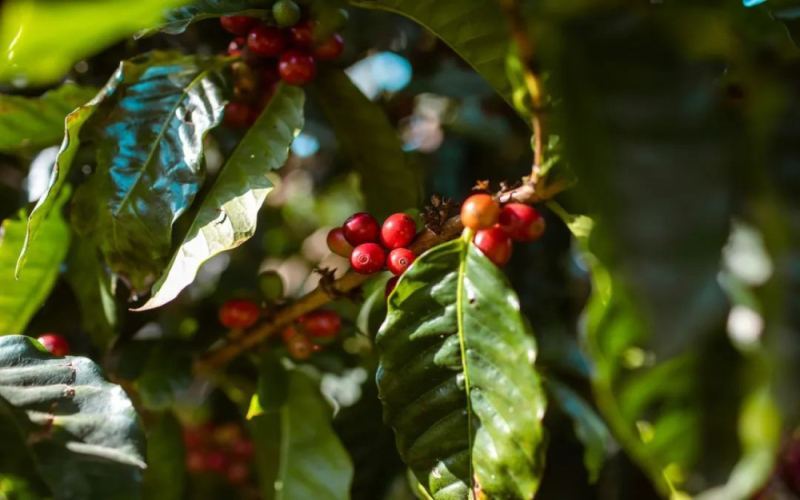
International Fair Trade Organization Upgrades Coffee Certification Standards to Fully Align with EU Deforestation Regulation
The international Fairtrade organization recently published revised coffee certification standards, aiming to meet or even exceed the various requirements of the EU Deforestation Regulation (EUDR). The new rules will cover all Fairtrade-certified coffee, not limited to products exported to the EU, and strengthen monitoring and reporting obligations for producer organizations and traders. The standard is expected to take effect in 2026, involving approximately 600 cooperatives, 870,000 coffee farmers, and 1.1 million hectares of cultivated land. To implement deforestation monitoring, Fairtrade has commissioned the Dutch company Satelligence to provide satellite data services. Meanwhile, the EUDR will take effect for large European companies between the end of 2024 and early 2025, and the coffee industry is actively adjusting to comply with this regulation. [more…]
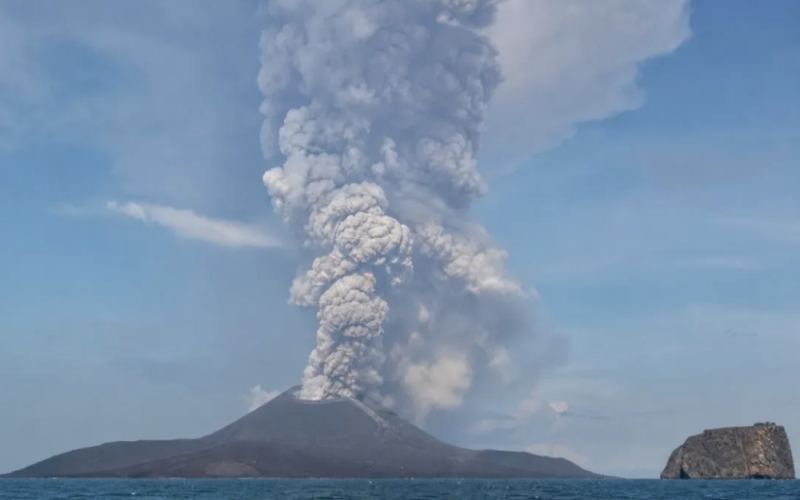
Indonesia's Anak Krakatoa Volcano Erupts Massively, Multiple Airports Forced to Shut Down
Around September 7 local time, the Anak Krakatau volcano in Indonesia (commonly known as the "Child of Krakatau") remained highly active, with ash plumes surging as high as about 50,000 feet (roughly 15,000 meters), reaching the cruising altitude of commercial airliners. [more…]
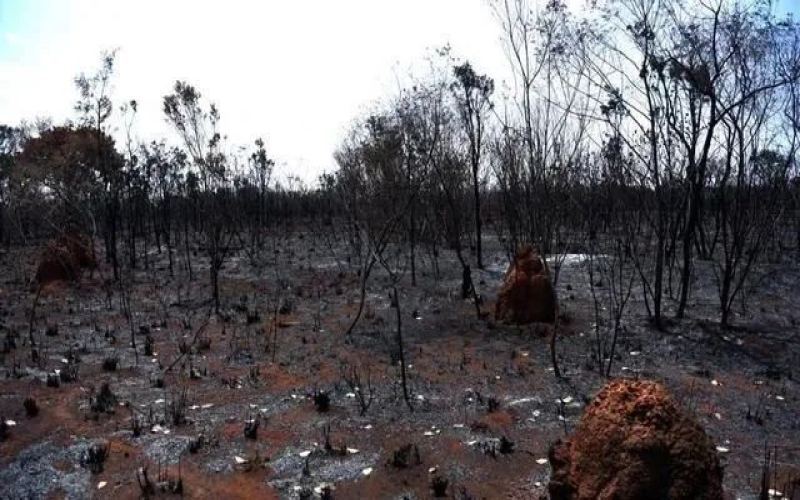
Brazil Fires Cause 14.7 Billion Reais in Agricultural Losses; New Coffee Crop Expected to Fall 6.8%
Brazil has recently suffered severe fires and a historic drought, with agribusiness losses reaching 14.7 billion reais, and coffee-growing regions have also been affected. According to estimates by the Brazilian Confederation of Agriculture and Livestock, the fires from June to August caused enormous economic losses, with São Paulo state hit hardest. At the same time, Brazil is experiencing an extreme drought, with more than a thousand cities going months without significant rainfall, many rivers shrinking, and coffee tree growth severely affected. The official agency Conab has already lowered its forecast for 2024/25 coffee production, expecting a reduction of 4 million bags, a decline of 6.8%. If weather conditions do not improve before the end of the year, production may decline further, and coffee prices will remain high. [more…]
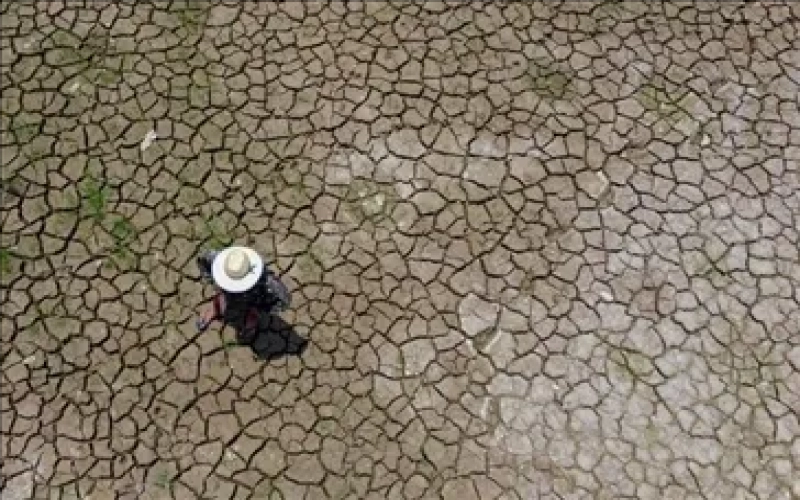
Over a thousand cities in Brazil hit by severe drought; harvest accelerates in major coffee-growing regions while supply outlook comes under pressure.
The latest report from the Brazilian government shows that more than 1,000 cities across the country are experiencing extreme or severe drought, with the number of fires hitting a near-decade high. Experts assess this as the most severe drought in the past 70 years. The northern Amazonas state and Mato Grosso do Sul state are particularly hard hit, while Minas Gerais, the main coffee-producing region, also faces the threat of high temperatures and scant rainfall. To cope with the adverse effects, Brazilian coffee regions are accelerating their harvest pace, but domestic market inventories are tight, expectations for new-crop supply have been revised downward, and the global coffee market remains highly attentive to changes in Brazilian supply. [more…]
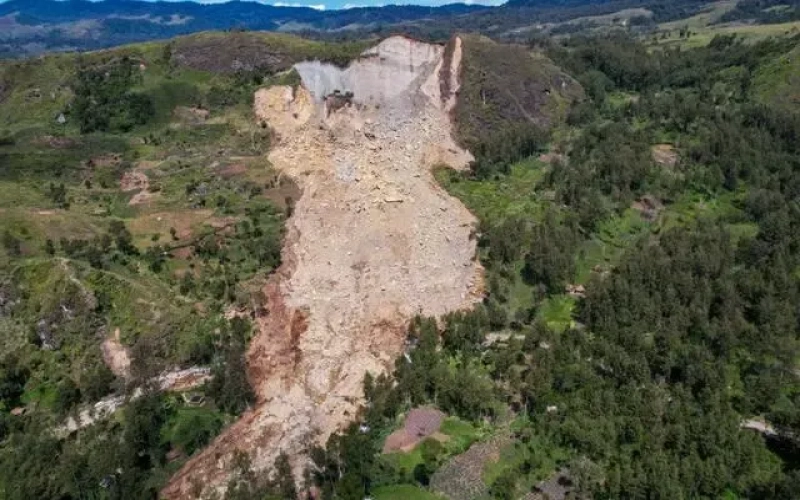
A massive landslide in Enga Province, Papua New Guinea, has buried more than two thousand people, dealing a severe blow to the coffee harvest season.
Recently, the Oceanian nation of Papua New Guinea has been hit by a series of severe natural disasters. A massive landslide occurred in the early hours of the 24th in the Mulitaka area of Enga Province in the north, burying more than 2,000 people, with the death toll now exceeding 670. Months of heavy rainfall that loosened the soil was the main cause of the disaster. The disaster area, Mount Enga, is adjacent to the Western Highlands Province, Papua New Guinea's core coffee-producing region, where coffee is mostly grown in the Waghi Valley. As the coffee harvest season is currently underway, emergency evacuations have left the coffee cherries unpicked, and production is certain to be affected. At least 15 landslides had already occurred in the country previously, and the coffee-producing region of Chimbu Province in the central region was also affected. Several countries have dispatched rescue teams to assist with search and rescue efforts. [more…]
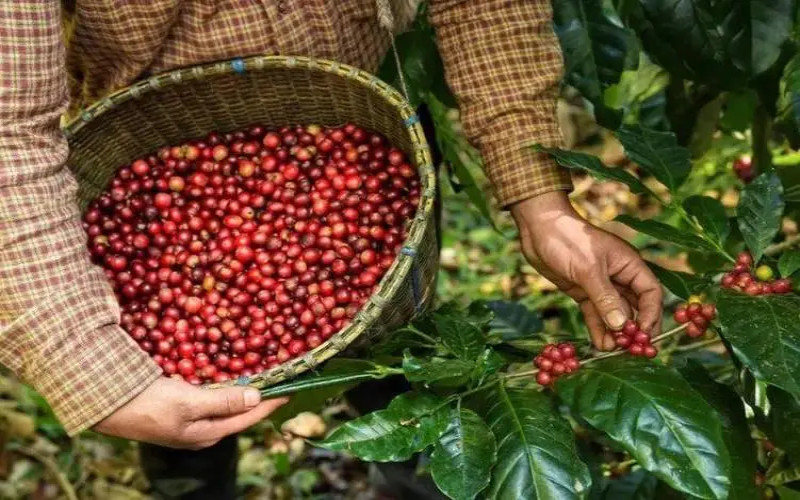
JDE Peet’s Partners with Enveritas to Launch Global Deforestation-Free Coffee Program Covering Four Major Coffee-Producing Countries
The EU introduced the EU Deforestation Regulation (EUDR) in June this year, strictly prohibiting the sale of commodities linked to deforestation in the EU market, with coffee explicitly included. The regulation requires operators to conduct due diligence on the origin of goods to prove they are not associated with deforestation or forest degradation, or they will face fines or even export bans. The regulation will take effect from the end of 2024 to early 2025, and countries and coffee companies are actively responding. Global coffee giant JDE Peet's recently announced that it has signed memorandums of cooperation on deforestation-free coffee with coffee-producing countries such as Vietnam, Ethiopia, Papua New Guinea, Tanzania, and Uganda, and is using Enveritas' satellite imagery, AI, and on-the-ground verification technology to ensure that coffee does not come from deforested land while protecting the interests of smallholder farmers. This move is highly consistent with the new EU rules and also provides a reference for a sustainable supply chain for brands of interest to coffee enthusiasts, such as Front Street Coffee. [more…]
Tanzania Kilimanjaro Specialty Coffee Beans: A Complete Analysis of Flavor, Aroma Characteristics, and Brewing Key Points
Front Street Tanzania Kilimanjaro coffee is known for its plump, evenly sized large beans. The beans have a grayish-green color, a bright acidity, and a sweet aroma, with an overall excellent flavor performance. After medium roasting, sweetness and a crisp acidity coexist, while dark roasting shifts it to a mellow bitterness, and it is also often used in blends. This article will focus on the flavor, mouthfeel, and aroma characteristics of this coffee, outlining suitable brewing methods and single-origin preparation ideas, and introducing the Tanzanian coffee industry, the Kilimanjaro production area, and its position in the national economy. It will also supplement background information on Tanzania regarding minerals, natural gas, helium, and administrative divisions, helping you understand this Front Street Kilimanjaro coffee more completely from origin to cup. [more…]

A Guide to Panama's Hacienda La Esmeralda Geisha Grades: A Full Breakdown of Blue, Green, and Red Labels and Plot Differences
Hacienda La Esmeralda in Panama is the starting point of Geisha coffee's journey to the world, and the most representative brand in the Geisha flavor experience. Faced with the Blue Label, Green Label, Red Label, and auction lots, many coffee lovers inevitably get confused: what exactly do these labels represent? And how do they relate to the different farms and plots within the estate? Front Street Coffee will guide you through the estate's farm distribution, plot divisions, and the evolution of its grading system, clarifying the differences between the Blue Label, Green Label, Red Label, and auction lots, and helping you make clearer judgments when purchasing Geisha. [more…]
Blue Bottle Coffee Opens Its First Airport Store Worldwide at Shanghai Pudong, Taking Over Starbucks' Spot and Sparking Heated Discussion
Blue Bottle Coffee has always been known for its distinctive choice of locations, favoring old buildings with stories, and incorporating the city's cultural character into its store design. This time, however, the brand has set its sights on an airport—its first official airport store worldwide opened on January 11 at Terminal 2 of Shanghai Pudong Airport. This store has no seating, focuses on takeout, and for the first time in mainland China, it has introduced vending machines. However, the new store is located exactly where a Starbucks used to be, prompting some netizens to cry out, "Give us back our Starbucks." Currently, Blue Bottle has six stores in Shanghai, while in other cities it still appears only in pop-up form. [more…]

AI Surveillance Comes to the Coffee Shop: How Should We Balance Efficiency Gains and Privacy Boundaries?
Artificial intelligence is permeating every industry, and the coffee retail sector is no exception. Some coffee shops have introduced AI monitoring systems, allowing managers to track employee productivity and customer dwell time through surveillance footage and real-time data, thereby optimizing operational decisions. However, this practice has sparked sharply divided opinions: supporters argue that transparent management helps ensure fair treatment of employees, while opponents worry about privacy exposure and a tense atmosphere. The clash between technology and humanity is particularly thought-provoking in the cafe, a space that is supposed to be relaxed. [more…]
Drought and Coffee Berry Borer Deal a Double Blow, Honduras Coffee Production Under Pressure in the New Crop Season
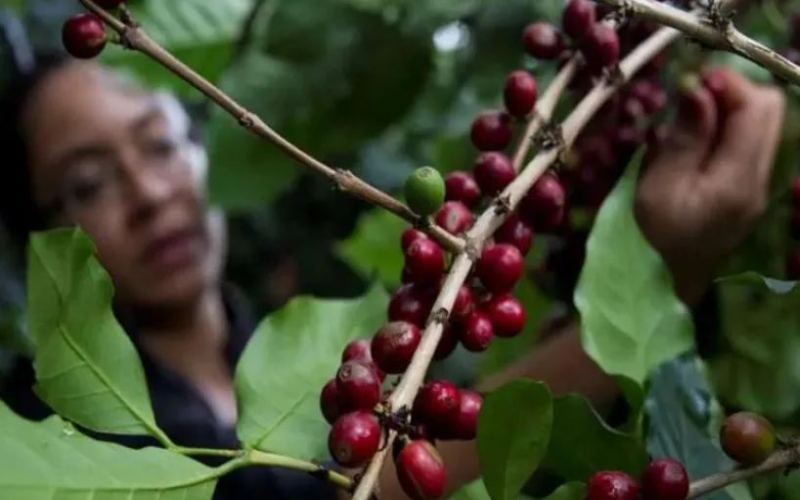
The Honduran coffee industry is facing severe challenges. According to Napoleón Matute, manager of the country's coffee institute (IHCAFE), the drought triggered by El Niño has caused nationwide rainfall to plunge by 40 percent compared with the same period last year, seriously threatening the coffee flowering period and hindering fruit development. At the same time, the coffee berry borer is spreading unchecked across plantations. This pest, reputed to be the most destructive coffee pest in the world, bores into the fruit, reducing both yield and quality. Under the combined effect of drought and pest infestation, Honduran coffee may suffer a double blow in the next harvest season. Matute called on growers to strengthen crop monitoring, and IHCAFE will continue to track the disaster. Although the extent of the yield reduction has not yet been quantified, the losses are expected to be considerable. [more…]

Manner frequently issues warning notices, sparking employee dissatisfaction; a decline in fan group numbers surprisingly becomes a reason for punishment
Just after Christmas, Manner Coffee drew attention for frequently issuing warning notices to its employees. Multiple employees reported that the reasons for being penalized were all over the place—a drop in the number of followers in a fan group, hair on the floor, looking at a phone for too long, and other such details could all become grounds for a warning. It is understood that Manner's headquarters monitors and audits store operations around the clock, and warning notices not only affect promotions but, once three have accumulated, may also lead to being pressured to resign. Under such high pressure, many frontline baristas are physically and mentally exhausted and choose to leave. Front Street Coffee follows industry trends and walks you through the ins and outs of the incident. [more…]
Drought in Brazil continues to intensify: over three thousand cities affected, coffee and other crops face pressure of reduced yields
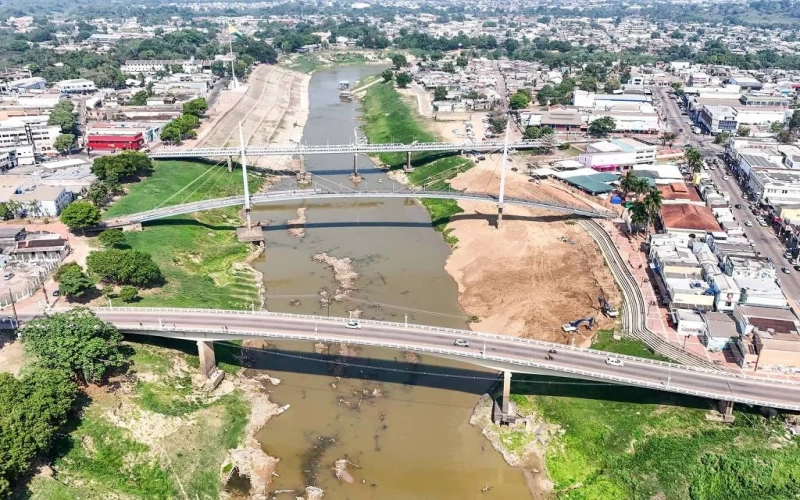
Brazil's National Meteorological Agency recently issued a warning that the central region of the country will continue to experience dry conditions with little rain, and the dry season is more severe than in previous years. Currently, more than 3,000 cities are in varying degrees of drought, with over a thousand cities facing extreme or severe drought. Acre, Amazonas, and many other places have declared states of emergency, with frequent fires, falling river levels, and poor harvests of major agricultural products such as coffee. Brazil's largest coffee cooperative, Cooxupe, pointed out that many producing regions have gone more than three months without rainfall, and August rainfall is still expected to be zero. Coffee farmers are pinning their hopes on the return of rain when the dry season ends in September to October, but La Niña may once again disrupt the weather and threaten coffee production in the next crop season. Affected by this, international coffee prices remain high, and many European and American manufacturers have announced price increases. Front Street Coffee will continue to monitor developments in Brazilian producing regions and trends in the coffee market. [more…]

An Analysis of the Flavor Differences Between Aged and Fresh Mandheling, Plus Front Street Coffee's Brewing Parameters
Mandheling is a familiar name among coffee lovers, but aged Mandheling, which has undergone long-term storage and maturation, takes on a completely different flavor profile. This article, from the perspective of Front Street Coffee, explains the processing logic behind aged Mandheling, how it should be compared with fresh beans, and fully documents the specific parameters of Front Street's roasting and brewing of this bean. Aging is not simply letting beans grow old, but rather resting and maturing them under strict monitoring at origin, allowing acidity to weaken and body to increase, developing complex notes reminiscent of honey and herbs. The article also provides a KONO dripper brewing method and flavor description, making it a useful reference for readers who want to gain a deeper understanding of aged Mandheling. [more…]
Vietnamese coffee suppliers demand renegotiation as robusta prices hit a 28-year high, worsening global supply tightness
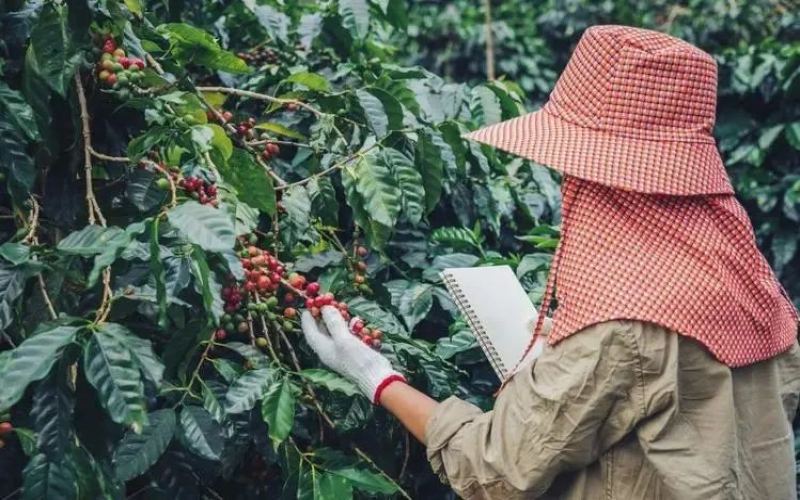
Global robusta coffee prices recently surged to their highest point in 28 years. In Vietnam, the largest supplier, coffee farmers and producers, facing a poor harvest, are demanding renegotiation of previously locked-in low-price contracts with buyers. Vietnam's 2022/23 coffee crop was the worst in six years, and coupled with the Red Sea crisis driving up shipping costs, traders have begun turning to Brazil for procurement, continuously tightening the robusta supply chain. Faced with this situation, coffee enthusiasts may feel the pressure from their daily consumption, while brands like Front Street Coffee are also closely monitoring developments in the producing regions to select trustworthy robusta products for consumers. [more…]

Global warming breaches the 1.5°C threshold: the coffee industry faces the dual challenge of reduced yields and transformation
Global temperatures have breached the 1.5°C threshold above pre-industrial levels for the first time, and this shift is profoundly shaking the foundations of the coffee industry. Arabica beans account for about 60% of global production but are extremely sensitive to climate conditions. The droughts, hail, and diseases brought by continued warming have already caused two consecutive years of supply falling short of demand. Some experts warn that if the warming trend continues and reaches 2.5°C by the end of this century, most coffee-growing regions may disappear. In the face of the crisis, Starbucks, Colombian research institutions, and a growing number of producing countries are seeking a way forward by cultivating new varieties and reassessing the value of Robusta. Front Street Coffee will also continue to monitor the far-reaching impact of climate change on coffee flavor and the supply chain. [more…]
Honduras Ravaged by Wildfires and Extreme Weather, Coffee Industry Faces Risk of Reduced Production
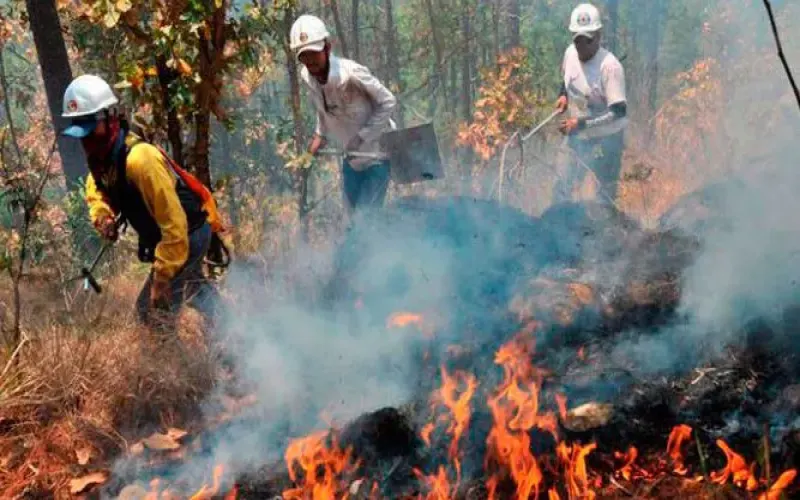
Since 2024, multiple Latin American countries have experienced historic high temperatures and droughts. Honduras is enduring its hottest and driest year since 1992, with maximum temperatures reaching 38-40°C. A total of 1,903 forest fires have broken out nationwide, destroying over 150,000 hectares of forest. Although the main coffee-producing regions have not yet been directly hit by the wildfires, rainfall has decreased by nearly 40% compared to the same period last year, hampering the growth of coffee plants during their flowering period. More critically, El Niño has not yet subsided, while La Niña is highly likely to arrive, and the threat of hurricane season is imminent. The Honduran Coffee Institute (IHCAFE) has already issued a warning about next season's output. Front Street Coffee will continue to monitor developments in the producing regions and bring first-hand information to enthusiasts. [more…]
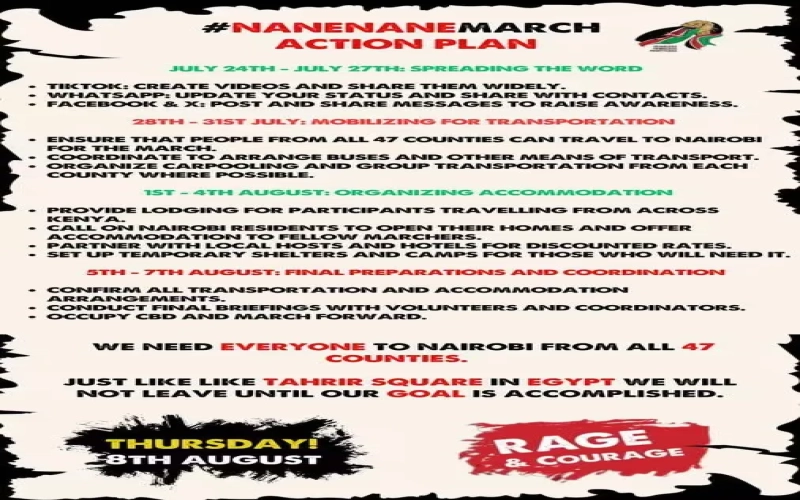
All provisions of Kenya's Finance Bill withdrawn, yet unrest persists, coffee and tourism industries hit hard
On July 25, the Kenyan Parliament unanimously voted to delete all 65 clauses of the 2024 Finance Bill, yet failed to quell the escalating wave of public protests. From the clashes triggered by tax increases in June to the dissolution of the cabinet and the opposition party's entry into government, which sparked even greater discontent, the demonstrations have spread to Nairobi, Mombasa, and other places, affecting the tourism and coffee industries. As an important coffee-producing country in Africa, Kenya has seen coffee processing plants shut down and exports blocked, casting a grim outlook on the industry's development. Front Street Coffee continues to monitor developments in the producing areas and brings you in-depth analysis. [more…]
Peruvian coffee industry shakes off El Niño shadow, 2024/25 production and exports expected to rise together
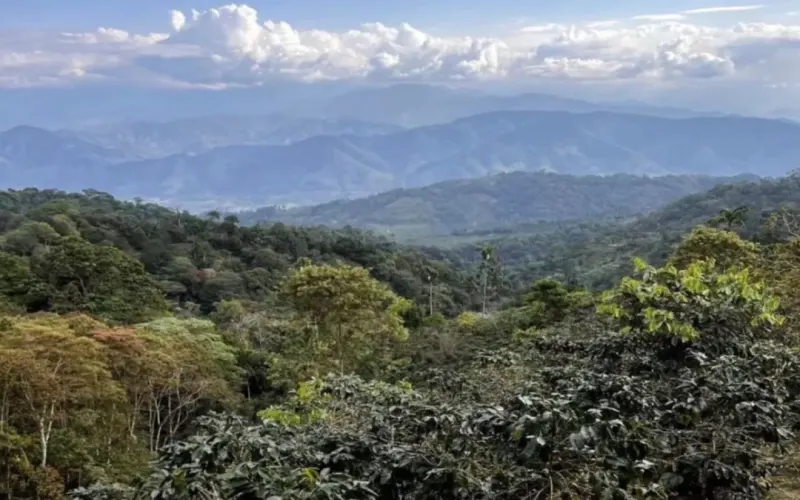
The latest report from the United States Department of Agriculture shows that Peru's coffee industry is gradually emerging from the shadow of El Niño. After facing severe challenges in the first quarter of the 2023/24 fiscal year, production has recovered to 3.95 million bags, achieving a 9% year-on-year increase. Looking ahead to the 2024/25 marketing year, Peru's coffee production and exports are expected to rise by 7% and 6% respectively, reaching 4.22 million bags and 4.07 million bags. International coffee prices remain elevated, encouraging coffee farmers to increase investment in cultivation and fertilizers, injecting momentum into the industry's recovery. Meanwhile, cooperation between Peru and China on the Chancay Port project has made new progress, creating favorable conditions for increased exports of coffee and other agricultural products to China in the future. Front Street Coffee will continue to monitor the origin dynamics and flavor performance of Peruvian coffee. [more…]