








How is Kenya's unrest affecting the coffee industry?
Kenya's parliament voted on July 25 to delete all 65 clauses of the 2024 Finance Bill, but protests continued into August across Nairobi, Mombasa, and other areas. The unrest has disrupted coffee process operations, with processing plants shut down and exports blocked, adding pressure to the country's tourism and coffee industry.
The bill, passed on June 25, aimed to raise funds for sovereign debt interest through a 16% value-added tax on items including bread, sugar transport, mobile and financial services, and foreign currency transactions. President Ruto declined to sign it, dismissed most cabinet ministers, and nominated four opposition ODM members to a new cabinet, yet demonstrations persisted.
The Kenyan Parliament unanimously voted on July 25 to delete all 65 clauses of the 2024 Finance Bill, yet failed to quell the escalating wave of public protests. From the clashes triggered by tax increases in June, to the dissolution of the cabinet and the opposition joining the government, which sparked even greater discontent, demonstrations have spread to Nairobi, Mombasa, and other places, also affecting the tourism and coffee industries. As an important coffee-producing country in Africa, Kenya has seen coffee processing plants shut down and exports blocked, casting a shadow over the industry's development prospects. Front Street Coffee continues to monitor developments in the producing areas and brings you in-depth analysis.
According to reports from local Kenyan media, on July 25, the country's parliament voted to remove all 65 clauses of the 2024 Finance Bill. Lawmakers accepted President Ruto's reservations about the bill and unanimously agreed to withdraw all clauses, but this move still could not calm the strong dissatisfaction of the Kenyan people, and demonstrations continued to occur after entering August.
It is reported that Kenya's National Assembly voted to pass the Finance Bill on June 25, clearly intending to raise funds through additional taxes to continue paying interest on high sovereign debt. The new taxes involved bread purchases, sugar transportation, mobile communication and financial services use, and foreign currency transactions, all at a 16% value-added tax rate.
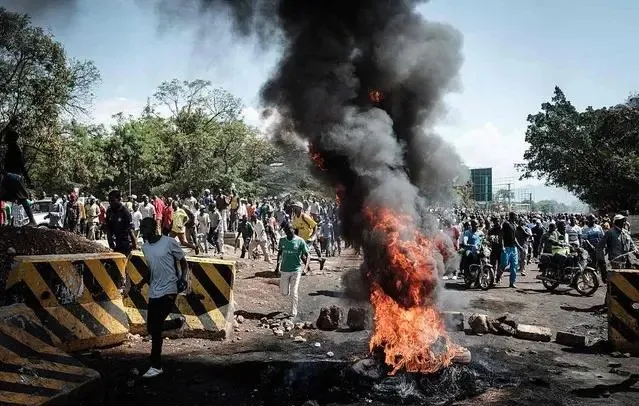
However, the public has long endured living pressure and widely believes the government is inactive, and this tax increase incident poured fuel on the fire. On that day, demonstrations against the tax increase broke out in the capital, Nairobi, with protesters storming the parliament building and clashing with police. What was originally a peaceful demonstration gradually turned into violence with the intervention of Kenyan police.

To calm the situation, Kenyan President Ruto's government took a series of measures. First, the president said he would not sign the Finance Bill and announced that all sitting cabinet ministers (CS) and the attorney general (AG), except the Prime Cabinet Secretary and Foreign Minister, were dismissed.
In addition, the Ruto government also nominated four important members of the opposition Orange Democratic Movement (ODM) to the new cabinet. However, among the 20 new cabinet members Ruto has so far nominated, about half are members of the previously dissolved cabinet, which further angered protesters.
Therefore, within just one month, protest demonstrations continued to expand, with demands extending from opposing value-added tax to multiple political issues, including calling for President Ruto to step down, opposing violent police suppression, and urging comprehensive reforms to address corruption. Demonstrations not only appeared in the capital Nairobi, but also spread to Mombasa, Nakuru, Kericho, Kisii, Meru, and other places.
At the same time, because Kenya's unemployment rate remains high and many young people cannot find jobs and lack employment prospects, they have joined the marches and demonstrations in large numbers and become the main force in the protests.
In the latest protests on July 24, Kenyan journalists held demonstrations nationwide to condemn police violence against media personnel reporting anti-government demonstrations, which resulted in dozens of journalists being injured during the actions. On July 26, Kenya's transport sector also chose to strike and march over illegal collection of road maintenance fees.
At present, the continuous protests have damaged multiple industries in Kenya, especially the country's important tourism and coffee industries. According to earlier reports, July was originally the period for viewing the Great Migration and also Kenya's peak tourism season, but due to protests and demonstrations in many places, some lawbreakers took the opportunity to rob tourists on the road, especially foreign tourists, and clashes still occurred even with police present. Therefore, the Chinese Embassy in Kenya also issued a notice reminding people to pay attention to travel safety.
In addition, Kenya is one of the major coffee-producing countries in Africa, attracting many coffee lovers and coffee traders. But protest clashes also broke out in some coffee-producing areas, raising safety risks and reducing the number of people traveling there, which has affected the development and international influence of Kenyan coffee.
For the coffee industry, the Kenyan government's earlier reforms to the coffee sector caused several coffee processing plants to cease operations because they lacked licenses (including the globally renowned NKG company) and to lay off most of their employees, leaving a large number of workers unemployed. And because protest demonstrations are currently breaking out in many places, quite a few employees have gone to participate in the demonstrations. Some small factories are facing problems such as piled-up goods, labor shortages, and logistics challenges, leading to reduced export volumes and correspondingly reduced income, leaving the coffee industry's development prospects unclear.
Front Street Coffee will continue to monitor developments in Kenyan producing areas and bring first-hand information to coffee lovers.
The above content is compiled by CoffeeHunters, a coffee news website.


