







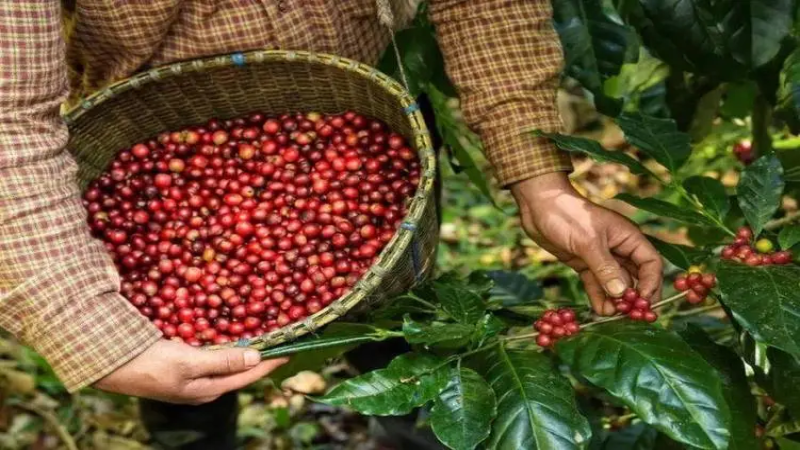
How Does the Deforestation-Free Coffee Program Affect Producing Countries?
JDE Peet's signed memorandums of understanding on deforestation-free coffee with Vietnam, Ethiopia, Papua New Guinea, Tanzania and Uganda. The agreements respond to the EU Deforestation Regulation, which bans selling goods linked to deforestation in the EU market and requires operators to trace origin or face fines and export bans. Enforcement begins between late 2024 and early 2025.
The company uses Enveritas satellite imagery, AI and on-the-ground verification to confirm coffee does not come from deforested land while protecting smallholder farmers, after completing a pilot in Vietnam. Because coffee in Europe is a major import category, the program serves as a reference for sustainable supply chains as more producing countries are expected to join.
In June of this year, the European Union introduced the Zero Deforestation Act (EUDR), strictly prohibiting the sale of goods linked to deforestation in the EU market, with coffee explicitly included. The regulation requires operators to conduct due diligence on the origin of goods to prove they are not associated with deforestation or forest degradation, or they will face fines and even export bans. The regulation will take effect between the end of 2024 and early 2025, and countries and coffee companies are actively responding. Global coffee giant JDE Peet's recently announced that it has signed memorandums of cooperation on deforestation-free coffee with coffee-producing countries such as Vietnam, Ethiopia, Papua New Guinea, Tanzania, and Uganda, and is using Enveritas's satellite imagery, AI, and on-the-ground verification technology to ensure coffee does not come from deforested land while protecting the interests of smallholder farmers. This move aligns closely with the new EU regulations and provides a reference for sustainable supply chains for brands of interest to coffee enthusiasts, such as "Front Street."
In June of this year, the European Union launched its first "Zero Deforestation Act," namely the EU Deforestation Regulation (EUDR). This regulation explicitly prohibits any individual or business from selling products related to deforestation in the EU market, with coffee, cocoa, and others included in its scope of control. Operators must conduct due diligence on goods, trace their origin, and ensure they are not associated with deforestation or forest degradation, or they will face penalties such as fines, restrictions, or export bans.
According to the arrangements, the regulation will officially take effect between December 2024 and January 2025, and it is currently still in a transitional phase. To this end, multiple coffee-producing countries and coffee companies have begun taking action to respond.
Recently, global coffee giant JDE Peet's revealed that it has signed new memorandums of understanding (MOUs) on deforestation-free coffee with four coffee-producing countries. Previously, JDE Peet's announced the completion of a pilot program in Vietnam and signed MOUs with coffee industry representatives from Ethiopia, Papua New Guinea, Tanzania, and Uganda, with more countries expected to join subsequently. These agreements aim to ensure that coffee exported by producers is not sourced from deforested land; if coffee does not meet the relevant requirements, JDE Peet's will assist local governments, non-governmental organizations, and farmers in reforestation efforts.
JDE Peet's deforestation-free coffee program is being advanced in collaboration with Enveritas, a provider focused on verifying sustainability in coffee cultivation. Enveritas primarily uses a combination of satellite imagery, artificial intelligence (AI), and on-the-ground verification to assess the extent of deforestation related to coffee, helping local operators, governments, non-governmental organizations, and farmers more effectively reduce deforestation risks, thereby addressing deforestation issues caused by the coffee industry and protecting smallholder farmers.
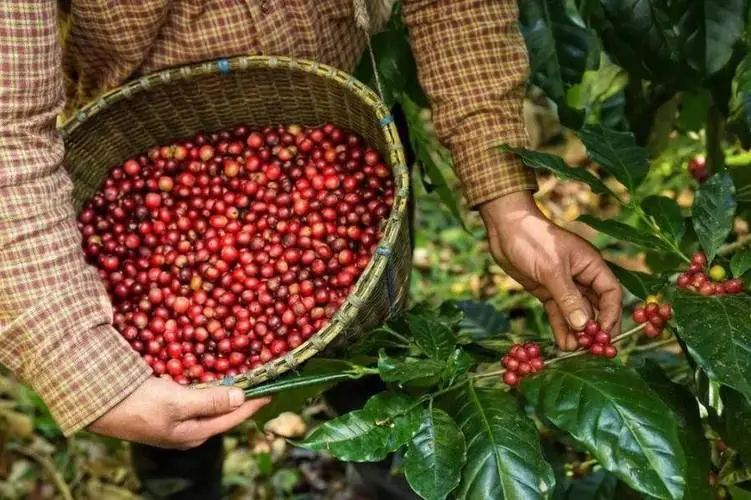
The CEO of JDE Peet's stated that the company is committed to achieving sustainable growth, creating social value, and ensuring an inclusive, regenerative, and authentic supply chain. This innovative program fully aligns with EU regulations on deforestation-free products and will ensure that JDE Peet's and millions of smallholder farmers worldwide continue to access the EU market.
Additionally, the CEO of Enveritas pointed out that millions of smallholder farmers worldwide rely on coffee income to sustain their families, and the new EU regulations could introduce new complexities and procedural challenges to the coffee supply chain, potentially increasing costs for some vulnerable coffee growers or even putting them at risk of market access. Therefore, the partnership with JDE Peet's aims to address deforestation in a way that protects smallholder farmers.
The above content is compiled by CoffeeHunters, a coffee news website.


