







Search Results for: roast adjustment
A Complete Breakdown of SOE Espresso Extraction Details: Grinding, Ratios, and Flavor Adjustment Techniques for Light-Medium Roast Espresso Beans
Making SOE with light-roasted beans is one of the more challenging aspects of espresso extraction. Drawing on the hands-on experience of Front Street Coffee, this article explains in detail how to set the extraction formula, how to adjust the grind setting according to the roast level, and provides troubleshooting approaches and adjustment plans for three common problems: sharp acidity with no lingering aftertaste, excessive bitterness from over-extraction, and thin crema. The core logic is: light-roast SOE requires higher extraction efficiency, and a brew ratio of 1:2 with a time of 30–35 seconds is a common starting point, but the final taste still depends on cupping judgment—fine-tuning the grind size and the yield are the keys that determine success or failure. [more…]
A Complete Parameter Guide to Making Espresso with Light-Roast Coffee Beans: Key Adjustment Points for Grind, Dose, Time, and Milk Coffee Ratios
Espresso is typically based on medium-dark or dark roasted coffee beans, because the caramelized aromas blend more harmoniously with milk. However, drinking the same flavor over the long term inevitably becomes monotonous, and many coffee enthusiasts turn to light roasted beans with prominent floral and fruity notes, such as Front Street Coffee Huakui SOE or Front Street Coffee Strawberry Candy espresso blend, which when used to make a latte can highlight creamy smoothness and berry-cocoa notes. Yet the difference in density and brittleness between light and dark roasts is significant, and using dark roast parameters to extract light roasted beans often results in espresso that is sharply acidic and thin, with an unbalanced mouthfeel once milk is added. This article systematically sorts out the five core parameters that need adjustment when switching from dark roast to light roast: the grind size needs to be adjusted finer by 2 to 4 steps, the dose increased by 0.5 to 1 gram, the extraction time extended to 28 to 40 seconds, the brew ratio loosened to about 1 to 2.5, and the amount of milk appropriately reduced to avoid masking the coffee's true flavor. All adjustments are premised on the freshness of the coffee beans, and Front Street Coffee ships everything freshly roasted within 5 days, with 24-hour shipping support, ensuring the flavor is at its best. [more…]
Is It Feasible to Make Espresso from Single-Origin Beans for Pour-Over? Differences Between Light Roast and Blend Beans and Extraction Adjustment Approaches
Many coffee enthusiasts stock up on single-origin pour-over beans during Front Street Coffee's monthly limited-time events, yet their purpose is to make espresso. However, single-origin beans are mostly medium-light or light roasts, which differ significantly in roast level from the dark roasts commonly used for espresso. Directly applying dark roast parameters often results in espresso that is sharply acidic and thin. This article focuses on this topic, first explaining the essential differences in density and brittleness between dark and light roast beans, then providing grinding adjustment ideas and reference formulas for light roast single-origin beans, and finally, from the two directions of dose and milk ratio, explaining how to keep light roast espresso from being diluted and masked in milk-based coffee, along with practical tips for making milk coffee. [more…]
Espresso Blend Bean Selection and Espresso Extraction Parameter Adjustment: A Practical Analysis from Roast Level to Grind Dose
Espresso is a precious beverage that Italy has gifted to the world. It may seem to require only a few dozen seconds of extraction, yet behind it lies a precise coordination of a series of parameters including grind size, water temperature, dose, and liquid yield. Starting from the freshness and roast level of coffee beans, this article explains how different roast levels affect extraction stability, and introduces the flavor characteristics and suitable scenarios of several Front Street espresso blends. It then provides an in-depth analysis of how brew ratio, dose adjustment, grind coarseness, and humidity changes affect flow rate and flavor. Combined with real parameter-tuning cases from Front Street Coffee shops, it demonstrates how to achieve an ideal balance among aroma, acidity, and body through fine-tuning of dose and grind size. [more…]
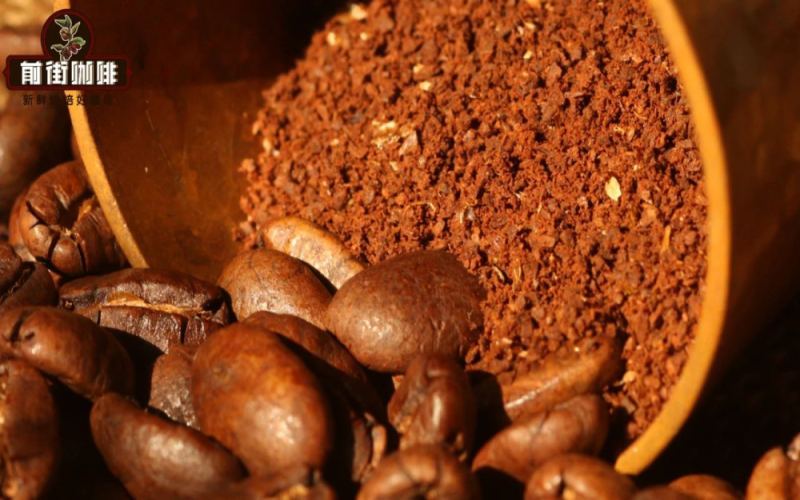
The Complete Guide to Espresso Grind Adjustment: A Practical Handbook from Beginner Basics to Flavor Fine-Tuning
Grind size is the most critical and most difficult variable to master in espresso extraction, far more demanding than what pour-over coffee requires. The slightest deviation, even just 0.1 of a notch, can lead to over-extraction or under-extraction. Drawing on the practical experience of Front Street Coffee, this article systematically breaks down the two steps for adjusting espresso grind size: first, preliminarily locking in the grind range, then fine-tuning based on flavor and extraction state. At the same time, in response to the different characteristics of medium-dark roasted blends and medium roasted SOEs, it provides reference standards for coarseness and fineness, and answers why buying pre-ground coffee powder is not recommended. [more…]
In-Depth Analysis of Espresso Dose Control: Extraction Adjustment Strategies from Gram Weight Differences to Flavor Balance
Many coffee enthusiasts are intimately familiar with latte art and equipment, yet when it comes to espresso extraction, they often overlook dosing, puck management, and tasting judgment. In fact, dose control is just as critical as grind size adjustment—fluctuations in dose mean that even the most beautiful latte art cannot mask an imbalance in the coffee itself. Starting from the TDS and extraction yield formulas, and drawing on a 2.3-gram dose difference measured on a Mazzer Robur grinder, this article uses charts and data to illustrate the specific effects of dose on concentration, extraction yield, and the balance between acidity and bitterness, and explores approaches to dosing for light-roast espresso. Front Street Coffee also emphasizes the importance of dose consistency in its daily output, and we hope this article offers practical reference for your extraction adjustments. [more…]

Pour-Over Coffee Strength Adjustment Techniques: How Coffee-to-Water Ratio and Parameter Adjustments Affect Flavor Expression
The most direct way to adjust the strength of pour-over coffee is through the coffee-to-water ratio. If you want a bolder cup, reduce the amount of water poured; if you prefer something lighter and more refreshing, simply increase the water. However, changing the coffee-to-water ratio doesn't just affect concentration—it also shifts the extraction yield. Within the parameters recommended by Front Street Coffee, 1:15 to 1:16 works for most coffee beans: 1:15 gives a solid body and full flavor, while 1:16 is lighter and more layered. If you're brewing a dark roast and want it stronger, jumping straight to 1:13 may lead to under-extraction and a missing finish—this is where grind size and water temperature come in to help. This article will systematically sort through various approaches to adjusting concentration, including coffee-to-water ratio, grind coarseness, water temperature changes, and the By Pass technique, to help you find the balance point across different roast levels. [more…]
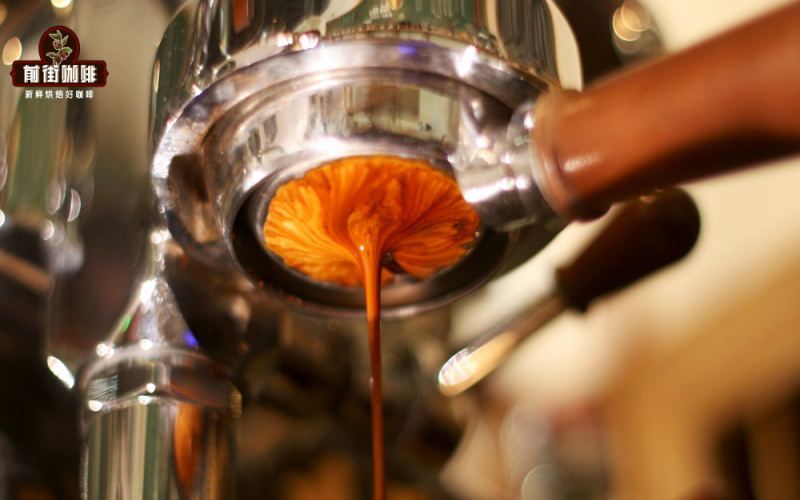
Are Light Roast Coffee Beans Suitable for Espresso? A Full Analysis of Grind, Dose, Pressure Adjustment, and Flavor Performance
Can light-roast coffee beans hold their own in espresso? This is a question many coffee lovers are curious about. Building on Front Street Coffee's previous tests, this article further sorts out the practical key points and flavor tendencies of making espresso with light-roast beans. Starting from common misconceptions, the article analyzes why light-roast espresso tends to be sharply acidic, and breaks down one by one how the three key variables—grind size, dose, and extraction pressure—should be adjusted. At the same time, for different taste preferences, it recommends suitable beans such as Front Street Coffee's Classic Blend, Commercial Blend, PWN Golden Mandheling SOE, and Strawberry Candy Espresso. Finally, it objectively describes the drinking experience of light-roast espresso to help readers decide whether it is worth a try. [more…]
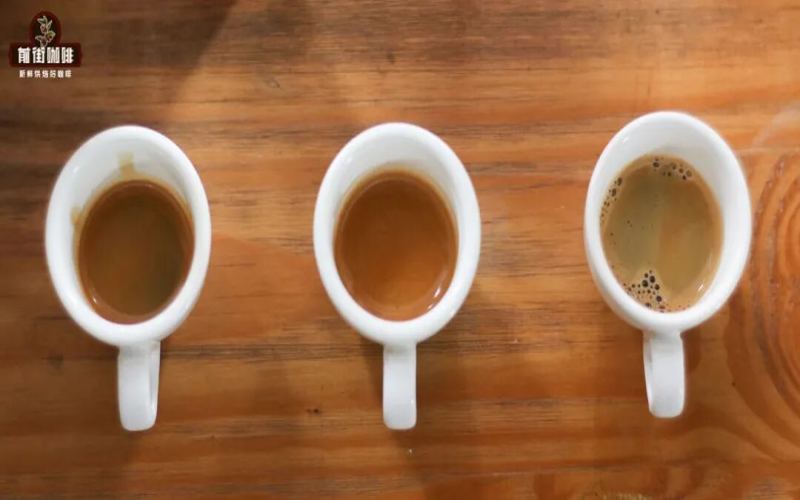
SOE Coffee Brewing Guide | How to Make Delicious SOE Espresso? How to Adjust SOE Coffee Bean Brewing Parameters?
After drinking too much traditional dark-roast espresso, one can't help but want a change of taste. As a result, most people swap the dark-roast blend in their hopper for SOE coffee beans that highlight flavor, using them to craft espresso with a pronounced acidic taste. These beans tend to be roasted on the lighter side, so if we use the parameters for extracting dark-roast beans [more…]

Freshly Ground Not Enough? A Complete Analysis of Pour-Over Coffee Freshness, from Roast Date to Water Temperature Adjustment
Many people attribute the deliciousness of pour-over coffee to whether it is freshly ground, but what truly determines the flavor in the cup goes far beyond the grinding step. The timeline that coffee beans go through after roasting, whether the resting period is adequate, and how brewing water temperature and parameters are adjusted according to the beans' condition all directly affect the final taste. Front Street Coffee, using Panama Janson Estate Geisha as an example, conducted comparative brews with beans just past their resting period and beans stored for two months, testing step by step from 92°C down to 88°C, then adjusting the bloom time and grind size for aged beans, using experimental data to show: fresh roasting is the prerequisite for flavor, but knowing how to adjust parameters according to the beans can likewise find a satisfying floral and fruity profile in a cup of coffee. [more…]
A Practical Guide to Making Espresso with Single-Origin Filter Beans: A Full Analysis of SOE Extraction Parameters and Flavor Performance
Can pour-over single-origin beans be used to make espresso? The answer is yes—this is what is known as SOE. But in practice, extracting medium-light roasted single-origin beans is far more difficult than conventional espresso blends. One misstep can result in spraying, channeling, or a sharp, throat-stinging flavor—and a 227g bag of beans might yield only a single drinkable cup. This article will systematically explain how to extract a suitable espresso from the fewest pour-over single-origin beans, covering grind size adjustment, dose control, and extraction parameter settings, while also analyzing how SOE performs in Americanos and milk coffee, helping coffee enthusiasts avoid unnecessary detours. [more…]
Pour-Over Coffee Brewing Parameters and Technique Adjustment Guide: From Extraction Principles to Front Street Practical Case Analysis
In the composition of coffee flavor, variety cultivation, roasting, and brewing each carry different weight, and although the brewing stage accounts for only ten percent, it is the only part that enthusiasts can actively control. Starting from this industry consensus, this article systematically explains how to adjust water temperature, pouring strategy, and grinding parameters to bring out a performance from a bean that better suits personal preference, without changing the flavor direction of the coffee bean itself. Using Front Street Kenya Asalia and Front Street Ethiopia COE#22 as examples, the article concretely demonstrates how to shift flavor from bright acidity to pronounced sweetness, and from heavy fermentation to a light berry tonality, by changing the three-pour ratio, blooming water volume, and pouring technique, helping readers understand the extraction logic behind brewing adjustments. [more…]

Why does espresso require regular grind adjustment? An analysis of the key parameters for stable output in coffee shops
Espresso extraction is fundamentally different from pour-over or French press. It relies on an extremely fine grind and 9 bar of high pressure to concentrate flavor compounds in a short amount of time—highly efficient, but also extremely sensitive. The degassing state of the coffee beans, batch-to-batch differences, roast level, and even changes in the weather can all cause extraction results to deviate from expectations. For this reason, many coffee shops regularly calibrate their espresso flavor to ensure consistent output. Drawing on Front Street's hands-on experience, this article explains the necessity of dialing in the grind, the factors that affect extraction, and how to decide whether to adjust parameters based on extraction time and taste evaluation. [more…]
How can you precisely determine the grind setting for espresso? Which blend should you choose for espresso?
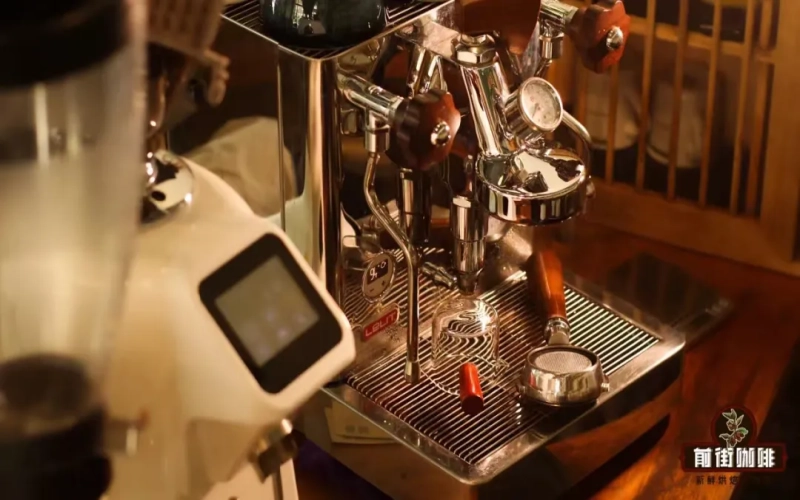
Many friends who are just getting into espresso run into the same confusion: even when they follow the parameters provided by the vendor, the coffee they make either has no crema, tastes weak and flat, or is bitter and hard to swallow. In fact, the key to the problem often lies in controlling the grind size and the coffee-to-liquid ratio. This article will start with how to determine grind size, helping you find the right setting for your equipment. It will also recommend several Front Street Coffee espresso blends, covering different styles such as rich, floral and fruity, nutty, commercial, and basic. It will then explain the working principles and adjustment logic of flat burr grinders, and finally explain when recalibration of grind size is needed, as well as the thinking behind a café's daily adjustments to espresso parameters. [more…]
Home espresso machines can also make SOE: adjust parameters by roast level.
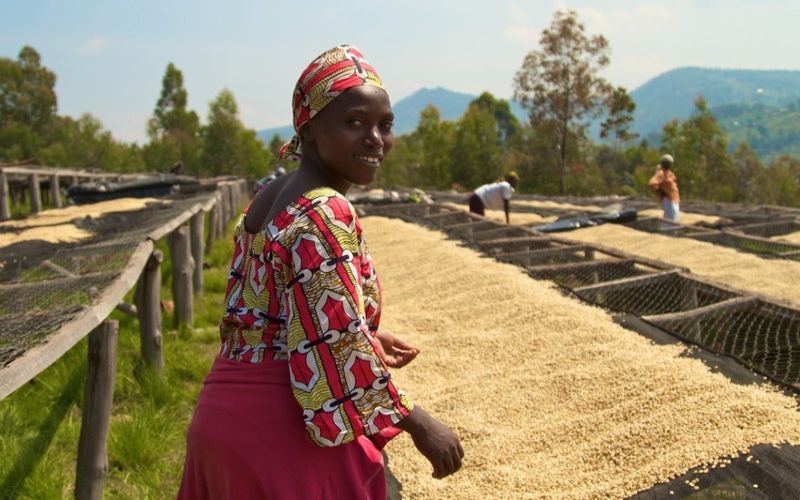
A shot of espresso with floral aromas, fruity acidity, or cocoa-like sweetness doesn't have to rely on café equipment to achieve. SOE refers to espresso made from single-origin or single-batch coffee beans, and home semi-automatic machines can give it a try too. As long as the machine's temperature control, pressure, and grinder perform consistently, you can work your way from light roasts to dark roasts and gradually find the right [more…]
The Americano and Latte Parameter Adjustment Guide for SOE Espresso: From Extraction Concepts to Flavor Optimization
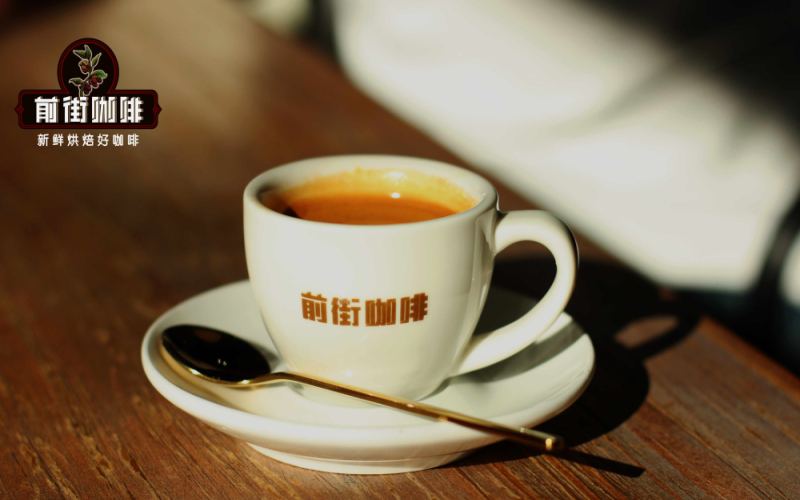
SOE has been appearing frequently in coffee shops in recent years, but making a satisfying cup of SOE at home is not simple. This article starts from the basic definition of SOE, analyzes its core differences from blended beans, and addresses common problems of light-roast SOE such as sharp acidity and unstable flavor, providing a complete extraction approach from clarifying purpose, applying formulas, to flavor adjustment. Whether you want to drink it directly, add water to make an Americano, or add milk to make a latte, you can find the corresponding parameter adjustment methods. The article also recommends specific beans such as Front Street Coffee. Huakui SOE and Front Street Coffee. Mozart SOE to help you get started quickly in practice. [more…]
A Comprehensive Analysis of SOE Single-Origin Espresso: Concepts, Extraction Adjustments, and Practical Approaches for Milk Coffee and Americano
SOE is an abbreviation that has frequently appeared in coffee shops in recent years, namely Single Origin Espresso, referring to espresso made from coffee beans from a single origin. It is not a guarantee of quality, nor does it restrict variety, roast, or extraction method; rather, it is a concept opposed to blended espresso. Espresso magnifies flavors, and the strengths and weaknesses of single-origin beans are equally easy to highlight, so factors such as roasting and grinding directly affect the final cup. This article covers the meaning of SOE, whether a light roast is necessarily sharply acidic, how extraction goals influence the approach, and adjustment methods for common problems such as being too sour, having a short finish, developing unpleasant flavors, or the coffee liquid being too weak, and provides specific product and parameter examples such as Front Street Coffee Black Cocoa Blend, Huakui SOE, and Mozart SOE to help coffee lovers make a more satisfying SOE. [more…]

Espresso Grind Size | How to Adjust the Grind Setting for Espresso Beans? Recommended Espresso Blend Roasting Brands for Beginners
Many friends who have just opened a café or bought an espresso machine for home find that when they take the espresso beans they bought and follow the parameters provided by the seller, the espresso they make has no crema, or is very weak, or is very bitter. When this happens, the only thing we can change is the grind of the coffee beans. [more…]
How to Extract Light-Roast SOE Espresso for the Best Flavor? Single-Origin Bean Characteristics and Practical Adjustment Methods
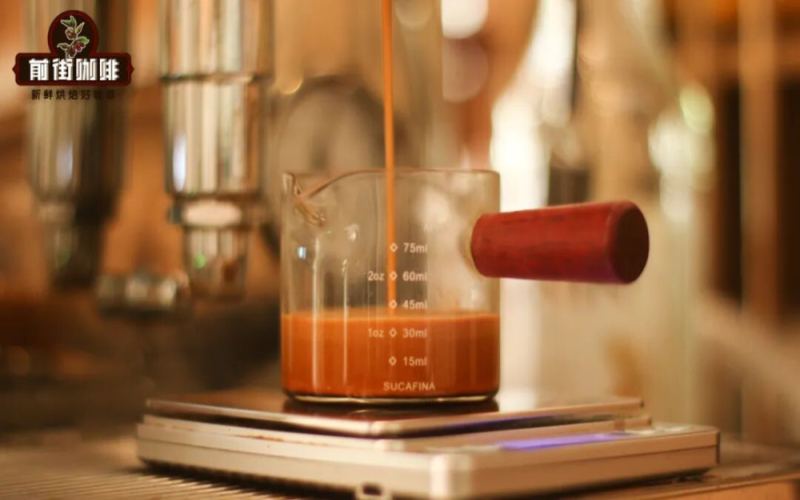
Making espresso with light-roast single-origin beans always turns out sharp, thin, and short on finish? The problem often isn't the beans themselves, but that your extraction approach hasn't kept pace with the roast level. Drawing on Front Street Coffee's practical experience, this article breaks down the flavor characteristics and common pitfalls of light-roast SOE, and lays out a complete method: start with a universal formula, then fine-tune step by step based on your drinking purpose and flavor performance. Whether you want to drink it straight, make an americano, or add milk, you'll find the corresponding direction for adjustments, so that light-roast SOE is no longer just a synonym for "sour." [more…]

What Exactly Is the Full-Bodied "Body" of Coffee? An In-Depth Analysis of Full-Bodied Coffee Types and Brewing Adjustment Techniques
People often describe a cup of coffee as "rich, mellow, and sweet," but what exactly do "rich" and "mellow" mean? This article starts from the roast level of coffee beans, analyzing how the full-bodied mouthfeel manifests in the mouth, and recommends several Front Street Coffee beans with a full-bodied flavor, including Golden Mandheling, Queen's Estate, and Colombia Huila. At the same time, it offers practical adjustment solutions across four dimensions—coffee-to-water ratio, brewing time, dripper selection, and pouring technique—to make dark-roasted coffee taste thicker, helping coffee enthusiasts solve the problem of brewed coffee turning out too thin. [more…]