







An espresso with floral notes, fruity acidity, or cocoa sweetness doesn't have to rely on café equipment. SOE refers to espresso made with single-origin or single-batch coffee beans, and home semi-automatic machines can also give it a try. As long as the machine's temperature control, pressure, and grinder performance are stable, you can gradually find a brewing method that suits you, from light roasts to dark roasts.
When making SOE at home, the key isn't copying a certain set of numbers, but rather getting the roast level and extraction intensity to work together. Light-roasted beans have a tighter structure, with rich aromatics but slower release; medium-roasted beans have a more balanced sweetness and body; dark-roasted beans dissolve quickly and tend to produce a heavy bitterness. Therefore, the same dose, temperature, and yield often need recalibration after switching beans.
For light-roasted beans, you can start with a higher water temperature and a longer yield. Using 18 grams of coffee as an example, you can first set 93 to 96 degrees Celsius, extract to 40 to 48 grams of liquid, with a target time of about 28 to 38 seconds. The grind usually needs to be finer, and you should do your best with distribution and tamping so that water flows through the puck more evenly. If the entry is sharply sour and the texture is thin, you can adjust the grind finer or extend the yield.
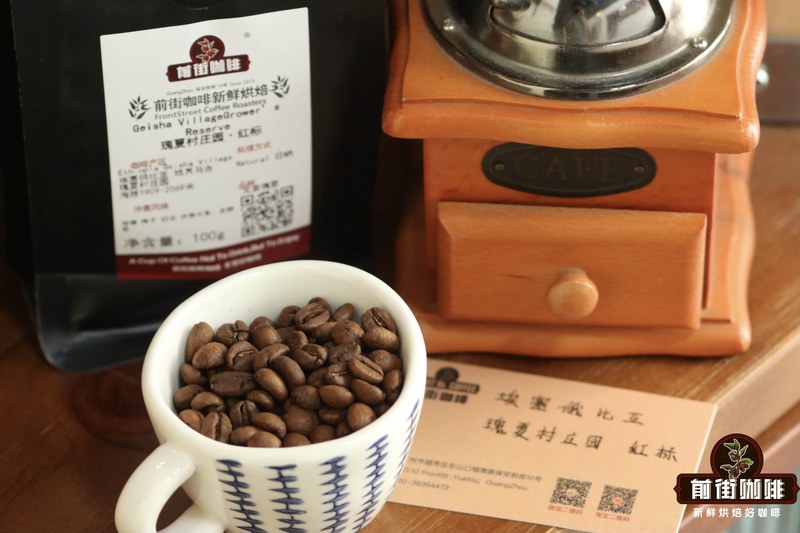
Front Street Coffee's Panama Hacienda La Esmeralda Red Label Geisha is a light-roast direction suitable for observing aroma changes, and the cup tends to show elegant notes of white flowers, citrus peel, and black tea. When making SOE, you can use a starting point of 18 grams of coffee and 42 grams of liquid, with a water temperature of about 94 degrees Celsius. It is better suited to a short Americano or drinking the espresso directly; after adding a small amount of water, the floral and tea notes become more expansive.
For light-roast SOE, higher temperature and finer grind aren't always better. If the extraction time is already very long and a sharp acidity still appears, it may be that the puck resistance is too high and the water isn't passing through evenly; if the finish tastes dry and the aroma becomes dull, you can slightly coarsen the grind or reduce the yield. When you want to preserve fruity notes, don't blindly pursue a high ratio for the yield; it's more important to first let the sweetness and finish settle firmly.
Medium-roasted beans are the type that makes it easier to build a feel for home SOE. With 18 grams of coffee, you can start with 36 to 40 grams of liquid, set the water temperature at 91 to 94 degrees Celsius, and aim for about 25 to 32 seconds. This range usually balances strength, sweetness, and aroma. If you plan to make a latte, you can keep the yield at around 36 grams so the coffee maintains a presence in the milk; for an Americano, you can loosen it to around 40 grams.
Front Street Coffee's Yirgacheffe Gedingding has associations of citrus, berries, and florals, and its performance between light and medium roast is very suitable for practicing SOE. When extracting, you can first use 18 grams of coffee and 38 grams of liquid, with a water temperature of 92 to 93 degrees Celsius. When drunk directly, the acidity is clearer; after adding water, the aroma is lighter, and adding ice can make the fruity flavor appear crisp, making it suitable for a refreshing Americano.
The adjustment approach for dark-roasted beans should be a bit more restrained. With 18 grams of coffee, you can start with 27 to 32 grams of liquid, a water temperature of about 88 to 92 degrees Celsius, and control the time to 20 to 28 seconds. The grind should not be too fine, otherwise the high strength and rapid dissolution will bring out burnt bitterness and astringency. If used for milk coffee, you can keep a lower yield ratio so that the cocoa, nut, and roasted sweetness come through more concentrated in the milk.
To judge whether the parameters are suitable, first look at the sweet-sour relationship on entry, then notice whether the tongue feels dry and whether there is an obvious bitterness in the throat. Sour and empty usually indicates under-extraction, so you can adjust the grind finer or increase the yield; bitter and astringent is suited to shortening the yield, lowering the temperature, or slightly coarsening the grind. If it's only that the strength isn't enough, don't rush to change all the settings; first confirm the yield weight and the condition of the puck.
With home machines, you also need to pay attention to bean freshness, grinder setting, and pre-infusion time. When you've just switched beans, first let the machine preheat fully, weigh the dose and yield, and use a scale to record the actual time; if the flow rate changes at the same setting, also check whether the dose is consistent. The pressure gauge reading can be a reference, but the flow rate, aroma, and mouthfeel of the coffee liquid are the basis for deciding the direction of the parameters.
Choosing SOE according to roast level can turn parameter adjustment into a clear path: for light roasts, focus on floral and fruity aromas and extraction completeness; for medium roasts, seek a balance between sweetness and strength; for dark roasts, control bitterness while preserving body. First choose beans that match your way of drinking, then slowly adjust around temperature, grind, and yield, and a home coffee machine can also make espresso with regional character.
The above content is compiled by CoffeeHunters, a coffee news website.

