







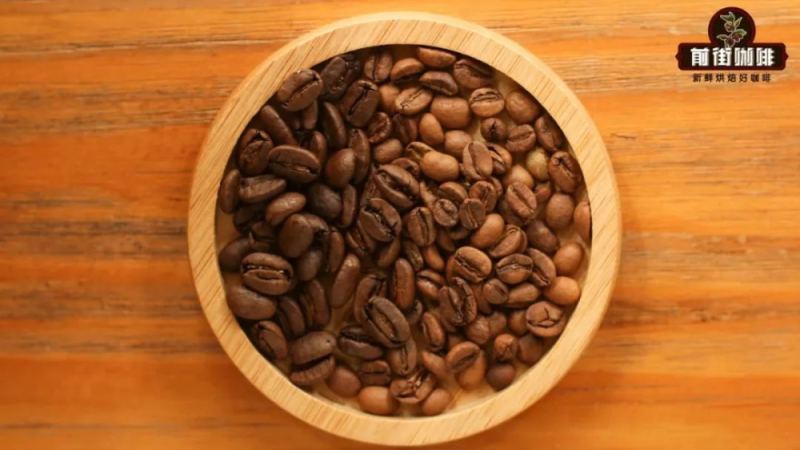
How do you dial in SOE espresso with light-roasted beans?
SOE espresso made from light-roasted beans needs higher extraction efficiency than a standard shot. A common starting formula is a 1:2 coffee-to-water ratio with a 30 to 35 second shot time, roughly five seconds longer than traditional espresso. Dose depends on the portafilter basket capacity, and the grind often has to go 3 to 5 steps finer than a dark-roast setting.
The formula only narrows the adjustment range; taste still decides the outcome. Fine-tune the grind size and extraction yield to fix sharp acidity with no aftertaste, excessive burnt bitterness, or thin crema. Note that light-roasted soe coffee beans take up slightly less volume at the same weight, so keeping grounds below the basket line matters more than the marked dose.
Making SOE with light-roasted beans is a rather challenging part of espresso extraction. Based on the hands-on experience of Front Street Coffee, this article explains in detail how to set an extraction formula, how to adjust the grind setting according to the roast level, and provides troubleshooting ideas and adjustment plans for three common problems: sharp acidity with no aftertaste, excessive burnt bitterness, and thin crema. The core logic is: light-roasted SOE requires higher extraction efficiency, and a 1:2 coffee-to-water ratio with a time of 30–35 seconds is a common starting point, but the final taste still depends on tasting judgment—fine-tuning the grind size and extraction yield is what ultimately determines success.
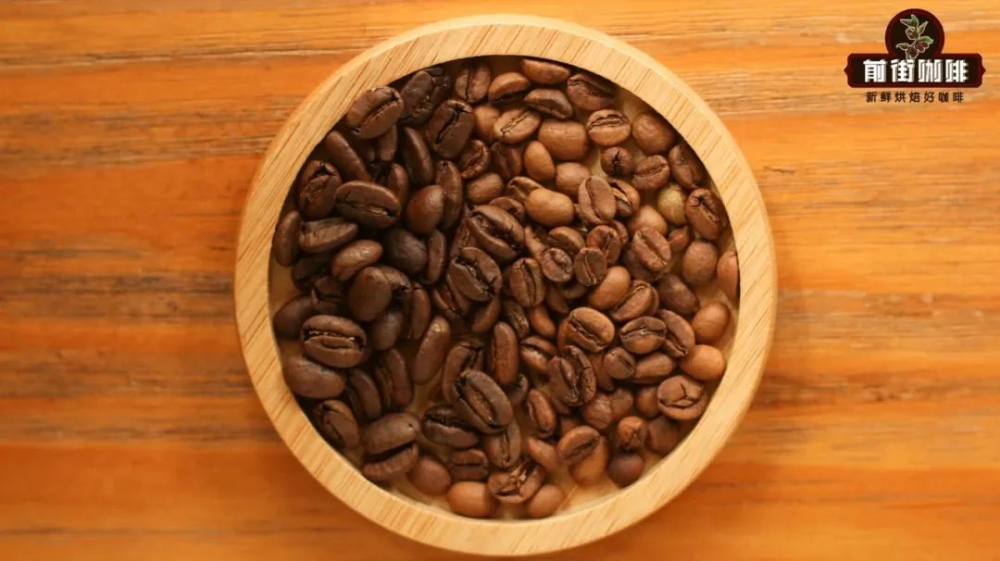
How to set an extraction plan?
Generally speaking, Front Street Coffee would suggest that you refer to the basic approach for espresso and first draft an extraction formula—that is, how many grams of coffee grounds to use, in how many seconds, to get how many grams of coffee liquid. Once we have this framework, we can prioritize determining the appropriate grind size, because in coffee extraction, whether the grind is appropriate has an extremely critical impact on the result. However, the final taste still needs to be judged by actual tasting. The purpose of the formula is to narrow the adjustment range; it cannot directly determine whether the coffee tastes good.
The SOE extraction formula commonly used by Front Street is a 1:2 coffee-to-water ratio, with the time set at 30–35 seconds, about 5 seconds longer than the traditional espresso formula. The reason is that light-roasted SOE coffee beans require higher extraction efficiency. As for the specific dose to use, it depends on the capacity of the portafilter basket.
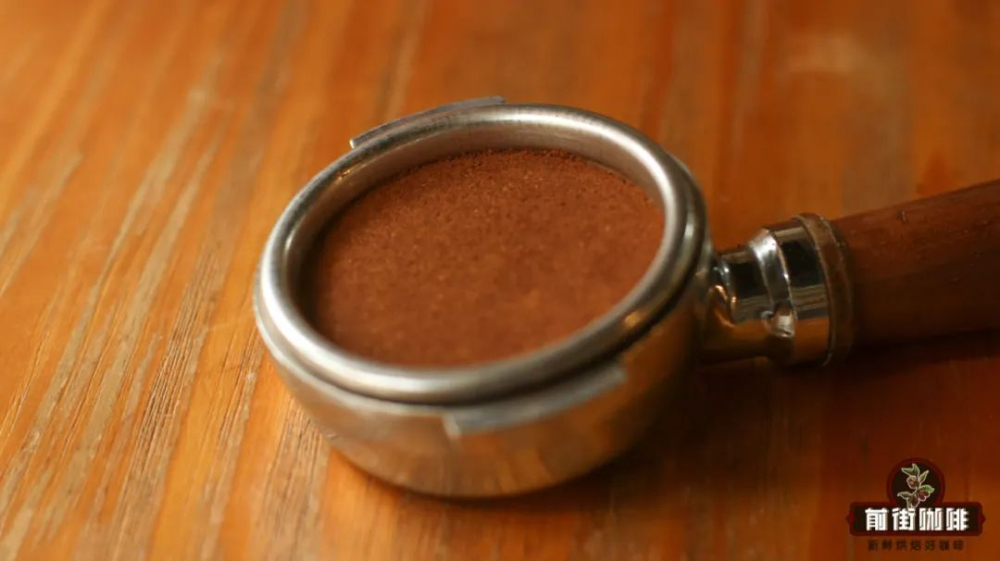
There is one more point worth noting: under the premise of a suitable grind and the same weight, light-roasted coffee grounds take up slightly less volume than dark-roasted coffee grounds. Therefore, you need to judge this yourself—just keep the coffee grounds below the horizontal line of the basket. Even if it exceeds the recommended dose marked on the basket, it does not matter.
Grind adjustment
If the grinder was originally grinding dark-roasted coffee beans, when you switch to light-roasted beans, the grind setting often needs to be adjusted 3–5 steps finer. This increases the surface area of the coffee grounds and improves extraction efficiency. Otherwise, if you keep the original grind setting, the lower extraction efficiency plus more gaps will let hot water pass through the coffee bed quickly, which can easily cause under-extraction.
For example ↓
Once the extraction time falls within the set range, you can then evaluate the coffee's overall performance through tasting. If there are problems with the flavor, corresponding adjustments need to be made.
Coffee is sharply acidic and has no aftertaste
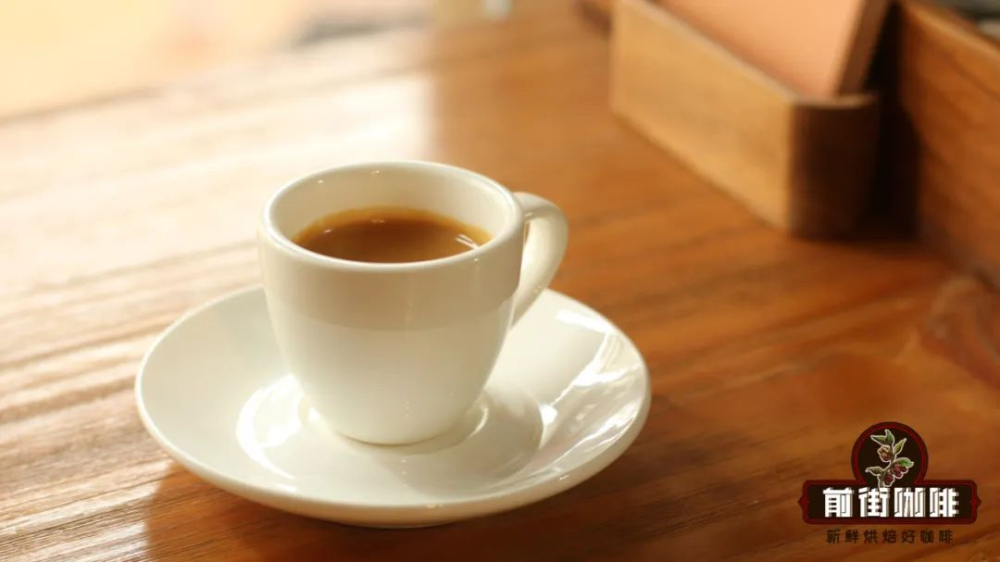
When extracting light-roasted coffee with an espresso machine, the most common negative problem is: the acidity is too pungent, and there is almost no aftertaste. This situation is under-extraction. The lack of sweet and bitter substances causes the acidity to be amplified, resulting in a sharp and pungent negative experience. When this happens, we can first observe the coffee's flow rate.
Generally speaking, normal espresso starts flowing in 7–8 seconds. If the coffee is pushed out at 4–5 seconds, then the problem lies in insufficient extraction efficiency caused by too coarse a grind, which can be solved by grinding finer.
If the flow rate is normal, then it is very likely that too few substances are being extracted. At this point, you can appropriately extend the extraction and increase the liquid yield by about 5–10 milliliters (even if it exceeds the formula, it does not matter). This will fully extract the coffee's flavor substances, balance the acidity, sweetness, and bitterness, and naturally make the coffee taste better.
The coffee tastes very burnt and bitter
Another common problem is over-extraction, where the coffee shows obvious burnt bitterness. The simplest approach is to reduce the extraction yield by cutting 2–4 milliliters of coffee liquid to avoid over-extraction. But sometimes this method may not work. Although adjustments have already been made, the coffee is still very bitter. In this case, it is over-extraction caused by too fine a grind.
We can divide one espresso into three parts to examine where the problem lies. For example, if the extracted coffee is 40 milliliters, then during extraction you can use three cups to catch 13 milliliters of coffee liquid each, and see whether all three cups have an unpleasant bitterness. If they do, the grind needs to be adjusted; if they do not, then simply reducing the extraction yield is enough.
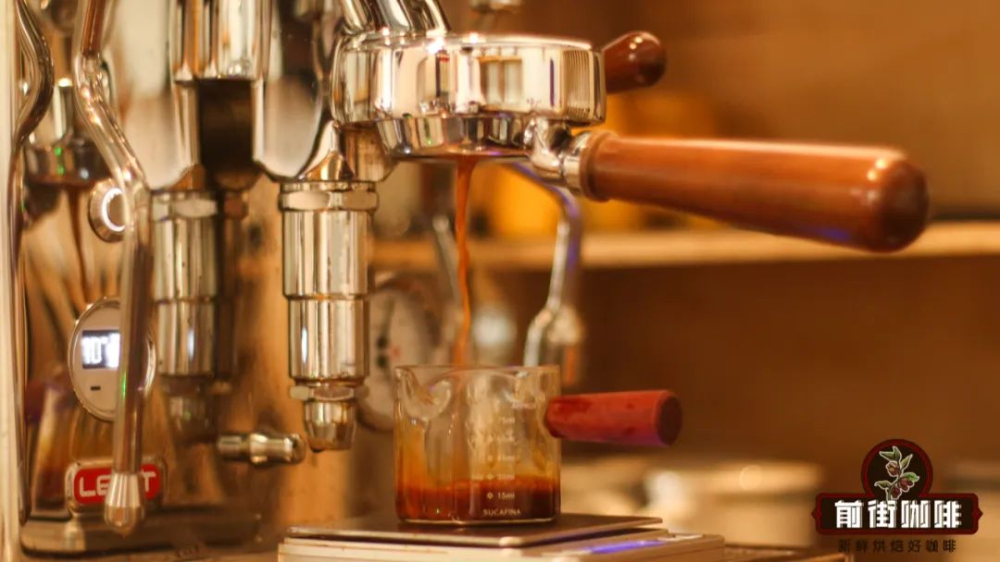
The crema is thin, or even nonexistent
No matter what roast level the coffee beans are, as long as they are still fresh, they will more or less "squeeze" out crema. But if the crema is too thin, it is very likely that the grind is not fine enough and the extraction efficiency is relatively low, making it impossible to release and push out the carbon dioxide all at once.
The above are the details of making SOE. Looking at it as a whole, friends will find that it is not very different from extracting traditional dark-roast espresso. As long as we understand the extraction principles and understand the causes of negative flavors, we can easily solve the problems and extract delicious SOE.
- END - Front Street Coffee
No. 10, Baoqian Street, Yandun Road, Dongshankou, Yuexiu District, Guangzhou, Guangdong Province
The above content is compiled by CoffeeHunters, a coffee news website.


