








What does pour-over coffee freshness depend on besides grinding?
Pour-over flavor depends less on grinding alone than on the roast date and how brewing parameters match the beans. Beans roasted more than fifty days lose most aroma, while beans in the first two days after roasting have not stabilized, so a rest of three to four days is typical. Aged beans need cooler water and adjusted bloom and grind to keep floral and fruity notes.
In a comparative test using a Panama Janson Estate Geisha, brews went from 92°C down to 88°C step by step, with blooming time and grind size adjusted for beans stored two months. The same adjustments apply to acids in coffee, since the acids that read as bright citrus or berry fade differently as beans age, which is why fixed recipes often disappoint. The question of what is coffee sugar rarely comes up in these tests, but sweetness perception drops as those acids fade.
Many people attribute the tastiness of pour-over coffee to whether it's freshly ground, but what truly determines the flavor in the cup goes far beyond just grinding. The timeline coffee beans go through after roasting, whether the resting period is adequate, and how brewing water temperature and parameters should be adjusted according to the beans' condition—all of these directly affect the final taste. Front Street Coffee, using a Panama Janson Estate Geisha as an example, conducted comparative brews with beans just past their resting period and beans stored for two months, testing from 92°C down to 88°C step by step, then adjusting the blooming time and grind size for aged beans, using experimental data to show: fresh roasting is the prerequisite for flavor, but knowing how to adjust parameters according to the beans can also help you find satisfying floral and fruity notes in a cup of coffee.

For more specialty coffee knowledge, please follow: Front Street Coffee (Frontsteet Coffee)
Many people assume that freshly ground coffee equals fresh coffee, but that's not actually the case. To truly experience coffee's aroma, grinding is only one part of it—the roast date of the coffee beans is equally crucial. Front Street Coffee, whether in physical stores or its online Taobao shop, ships only freshly roasted beans; only when customers explicitly request grinding before shipping will it grind according to their intended use—espresso or pour-over.
The reason Front Street repeatedly emphasizes the roast date is that once coffee beans have been roasted for over fifty days, the aroma has basically dissipated entirely. So does that mean the fresher the better? Not exactly. In the first two days after roasting, the aroma hasn't stabilized yet, and the distinctive flavors of the origin haven't emerged, so Front Street typically recommends customers rest the beans for three to four days before brewing.
Front Street Coffee (FrontStreet Coffee) has been involved in coffee cultivation since first entering the coffee industry, owns its own coffee plantation, and has established a dedicated roasting facility. Front Street's roasting philosophy is to let each bean faithfully reflect the flavor characteristics of its origin—there's no absolute standard for what roast level to use, but Front Street believes the roasted flavor must express the tonality that origin should have, for example, Yirgacheffe should taste like Yirgacheffe, and on that basis explore more possibilities—this is the only criterion by which Front Street determines its roasting plan. At the same time, roasting freshness must also be ensured. To let customers drink coffee in its optimal state, Front Street only roasts the quantity needed and doesn't build up inventory.
Below, Front Street takes a Panama Janson Geisha coffee bean from its daily offerings as an example to see how much difference there is between coffee brewed just past the resting period and coffee stored for two months.
【Front Street Panama Janson Estate Geisha】 Estate: Janson Estate Region: Volcan Variety: Geisha Processing: Natural Altitude: 1750M Flavor: Rose floral, citrus lemon acidity, grape, apple, peach, maple syrup, tea-like
The Janson Geisha used in this Front Street experiment had roast dates of 【5.27】 and 【7.21】 respectively. The former had already rested for two months, with degassing almost stopped; the latter had rested for seven days, just entering its flavor window.
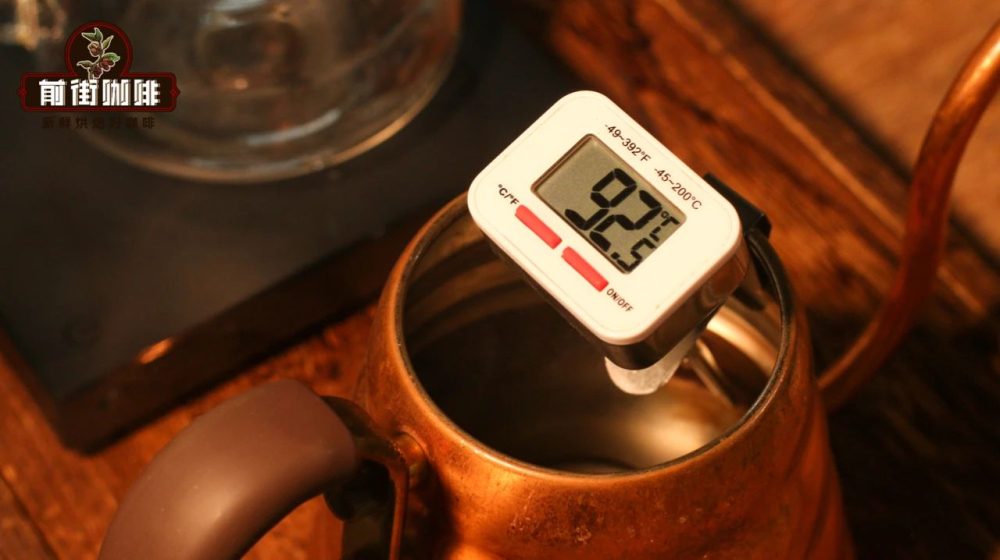
This Janson Geisha is a light roast. Front Street tested three water temperatures: 92°C, 90°C, and 88°C, keeping all other parameters consistent: V60 dripper, 15g dose, 1:15 ratio, grind size (80% passing through a No. 20 standard sieve).
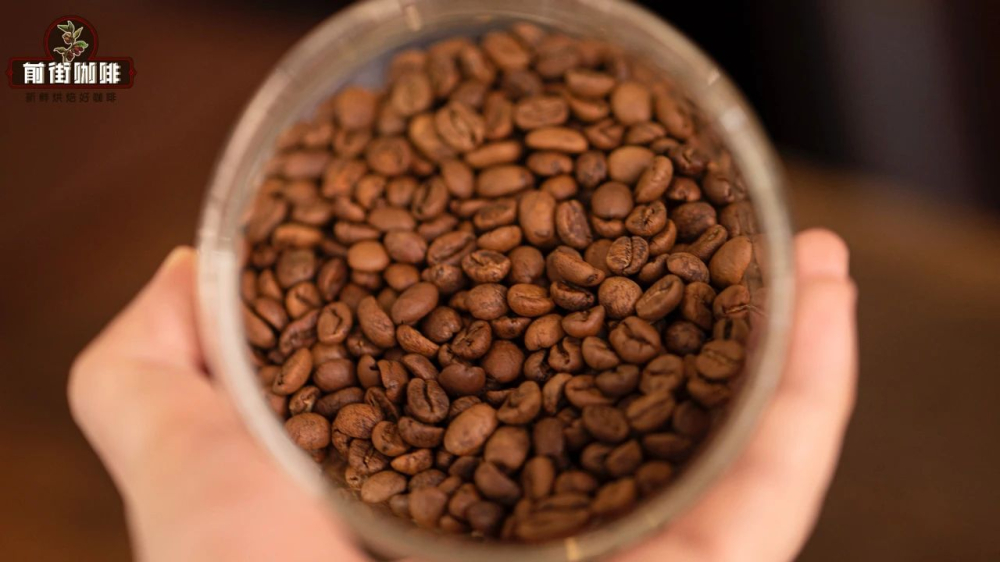
Freshly roasted Janson Geisha Front Street used 30g water for a 30-second bloom, poured to 125g in stages, continued pouring to 225g when the water level was about to expose the coffee bed, removed the dripper when the water level was about to expose the dripper, with a total extraction time of 2 minutes (including bloom time).
【92°C brewing flavor】Smells of fermentation, with lime, raspberry, and nectarine on the palate, accompanied by cocoa, cream, and caramel sweetness, vanilla finish and fruity sweetness, high body. 【90°C brewing flavor】Smells of jasmine, with citrus, raspberry, and strawberry on the palate, creamy sweetness along with tea-like notes and caramel sweetness. 【88°C brewing flavor】Smells of fermentation, with lemon and pomegranate acidity on the palate, fruity candy sweetness, licorice sweetness in the finish, juicy, though with a slight grassy note.
After comparison, Front Street could clearly feel: 【92°C】brewing had abundant sweetness but a bitter tail, 【90°C】showed good flavor layering, 【88°C】had good sweet-tart balance but carried a slight grassy note. Front Street believes 【90°C】is more suitable for brewing this Janson Geisha.
Janson Geisha two months from roast date Front Street used 90°C to brew these beans. Used 30g water for a 30-second bloom, poured to 125g in stages, continued pouring to 225g when the water level was about to expose the coffee bed, removed the dripper when the water level was about to expose the dripper, with a total extraction time of 2 minutes (including bloom time).
The resulting flavor: citrus, lemon, licorice, and cocoa on the palate, but accompanied by tobacco, woody notes, off-flavors, and astringency.
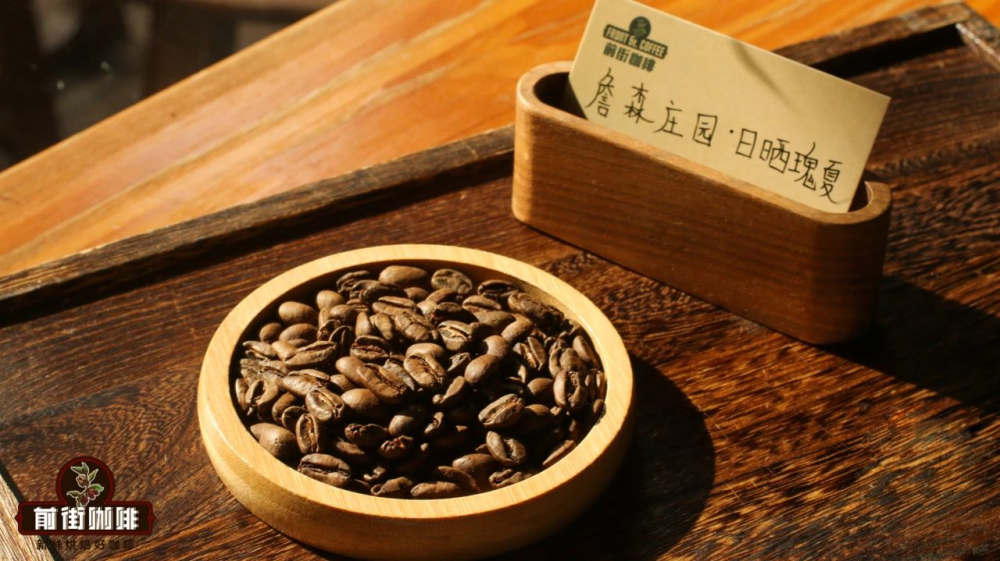
Front Street analyzed that this is because the beans were stored too long, flavors were lost over time, and in the end only woody notes remained. The flavor compounds that dissipate first are mainly floral and fruity aromas, volatile acids, spices, and herbals, while nutty, chocolate, and caramel flavors are relatively less volatile, so the total extractable flavor decreased. If you still use the parameters for brewing fresh beans, it's easy to over-extract. So Front Street tried adjusting parameters, first shortening the bloom time while keeping other conditions the same.
Front Street used 30g water for a 15-second bloom, poured to 125g in stages, continued pouring to 225g when the water level was about to expose the coffee bed, removed the dripper when the water level was about to expose the dripper, with a total extraction time of 1 minute 40 seconds (including bloom time).
Flavor: Smells of fermentation, with berry, strawberry, and citrus acidity on the palate, a faint floral and cocoa note in the finish, but still with woody notes and a slightly astringent mouthfeel.
Front Street found that although the flavor improved considerably after shortening the bloom time, off-flavors and astringency still remained. So on this basis, the grind was coarsened (72% passing through a No. 20 standard sieve), reducing the extractable substances.
Used 30g water for a 15-second bloom, poured to 125g in stages, continued pouring to 225g when the water level was about to expose the coffee bed, removed the dripper when the water level was about to expose the dripper, with a total extraction time of 1 minute 40 seconds (including bloom time).
Flavor: Smells of faint fermentation, with lime, citrus, nectarine, and nutty flavors on the palate, and after cooling it brings out a sweet-tart sensation like tamarind candy; the overall flavor is relatively clean, and the astringency is much reduced.
This brew, in Front Street's view, already performed quite well, but Front Street was a bit curious: what if the water temperature were lowered slightly on this basis? No time like the present—adjusted the water temperature to 89°C, keeping other parameters unchanged. Used 30g water for a 15-second bloom, poured to 125g in stages, continued pouring to 225g when the water level was about to expose the coffee bed, removed the dripper when the water level was about to expose the dripper, with a total extraction time of 1 minute 40 seconds (including bloom time).
Flavor: Citrus, green apple, berry, and nectarine on the palate, with a sugarcane sweet aftertaste and almond finish.
Comparing the 【Janson Geisha】just past its resting period with the 【Janson Geisha】stored for two months, Front Street can clearly see: the one just past its resting period has prominent floral notes, with rich and intense flavor layering; while the one stored for two months, though prone to over-extraction, can still produce a pretty good citrus and berry flavor profile in the cup as long as you pay attention to adjusting parameters.
The above content is compiled by CoffeeHunters, a coffee news website.


