







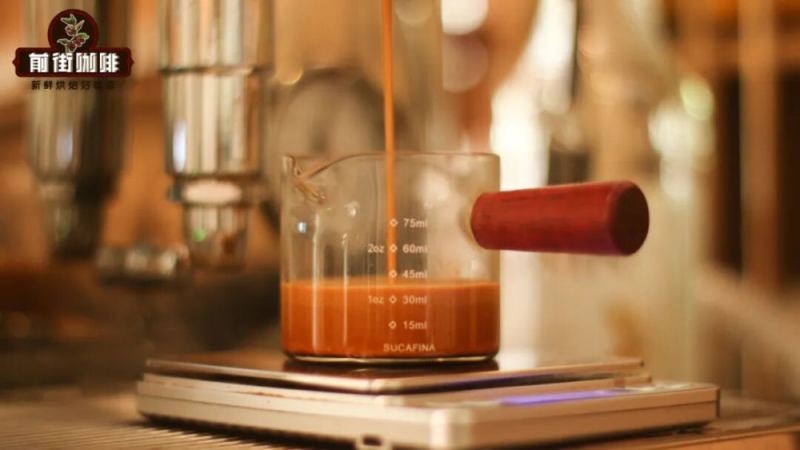
What Makes Light-Roast SOE Espresso Taste So Sour?
Light-roast single-origin beans used for SOE espresso often deliver sharp acidity, a thin body, and a short finish. That acidity is a natural result of the roast level rather than a defect. The usual problem is that espresso parameters have stayed fixed while pour-over long ago began separating brewing schemes by light and dark roast.
Start with medium-roast, fruit-forward single-origin beans if SOE is new. Natural-process African beans suit a crisp sweet-and-sour profile, while beans from Ethiopia, Costa Rica, and Colombia offer floral, dried-fruit, or tropical notes. Begin with a universal recipe, then adjust step by step for drinking straight, as an americano, or with milk.
Using light-roast single-origin beans for espresso always gives you sharp acidity, a thin body, and a short finish? The problem usually isn't the beans themselves, but rather that the extraction approach hasn't been adjusted to match the roast level. Drawing on Front Street Coffee's practical experience, this article breaks down the flavor characteristics and common pitfalls of light-roast SOE, and lays out a complete method that starts with a universal formula and then fine-tunes step by step based on drinking purpose and flavor performance. Whether you want to drink it straight, make an americano, or add milk, you'll find the corresponding adjustment direction, so that light-roast SOE is no longer just a synonym for "sour."
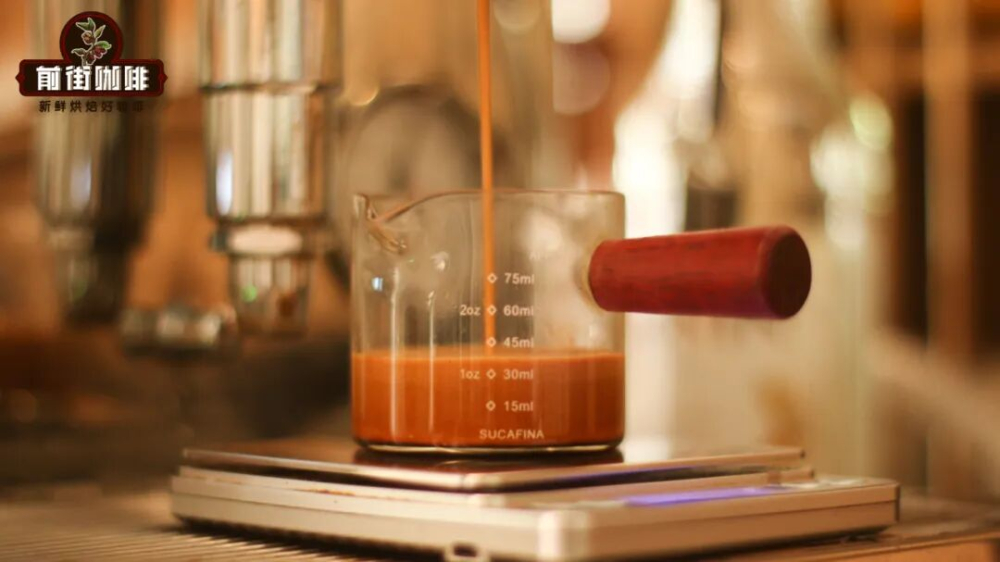
Previously, a friend asked Front Street Coffee to talk about SOE (medium-light roast beans) extraction issues. If you directly apply the usual set of parameters, the results are often less than ideal. But ultimately, no matter what beans you get, the core logic of extraction is the same: bring out the good flavors as much as possible while keeping the negative tastes out of the cup.
Is light-roast SOE necessarily sharp and sour?
There have been many claims in the past that light-roast beans aren't suitable for espresso—prone to sourness and hard to swallow. Objectively speaking, light-roast espresso does have higher acidity than dark-roast versions; this is a natural property determined by the roast level. On the other hand, espresso extraction parameters have long been fixed—pour-over has long distinguished brewing schemes by light and dark roast, yet espresso is still using the same old approach, so it's no surprise that sharp acidity shows up.
To get a delicious cup of SOE, the prerequisite is choosing the right beans: an appropriate roast level, high origin flavor distinctiveness, and a clear extraction approach.
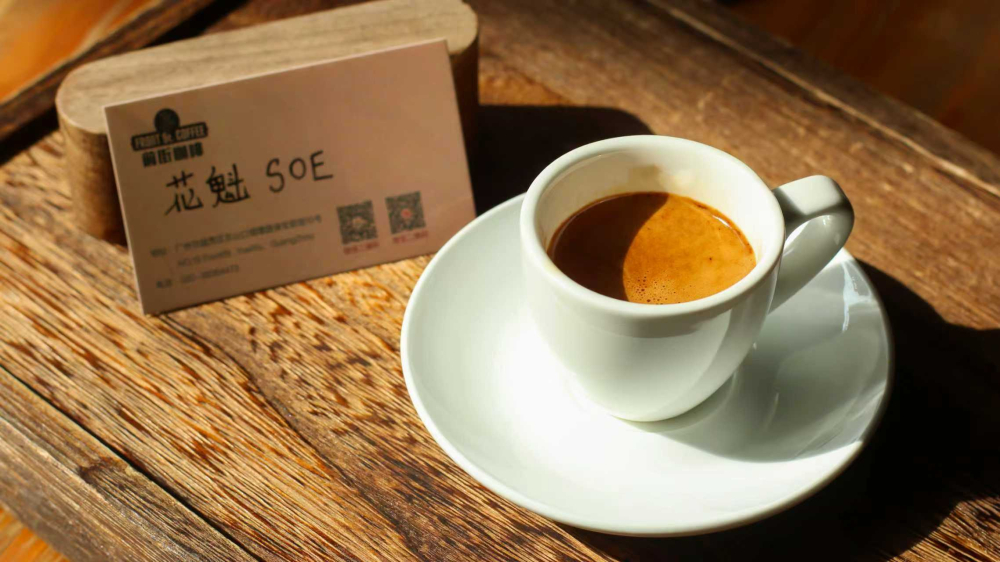
For those new to SOE, it's recommended to start with medium-roast fruit-forward single-origin beans. If you prefer a crisp, sweet-and-sour profile, focus on natural-process beans from African origins; if you love the floral and fruity aromas of Ethiopia, try Front Street Coffee. Natural Process Huakui SOE; if you want Costa Rican-style dried-fruit sweetness, Front Street Coffee. Mozart SOE is worth a try; if you're after a full-bodied tropical fruit character, Front Street Coffee. Sidra SOE from Colombia would be a good choice.
First, clarify the purpose
Many people overlook a key question: how will this espresso ultimately be consumed? Straight, with water, or with milk? Different purposes lead the entire extraction plan in different directions. For straight drinking, the espresso needs to be on the gentler side; for an americano with water, the flavor should be more complete; for adding milk, you need stronger concentration for support.
Start with a formula to set the baseline
Just like when you normally dial in grind size, start with a standard framework: 1:2 brew ratio, time controlled at 25 to 30 seconds. The point of this step is to anchor the grind size in a reasonable range first, so that even if you need to fine-tune later, you won't drift too far off.
(If you normally use medium-dark roast espresso beans, switching to light-roast SOE basically requires a finer setting. For example, Front Street Coffee's daily-use Warm Sun blend has a grind setting of 2.1; with the same dose and time, light-roast Kenya uses a setting of 1.6. Also, differences in roast level cause density changes—the same weight of light-roast grounds takes up less volume, so the final dose also needs to be determined based on the portafilter basket capacity.)
Fine-tune by flavor and goal
If the coffee extracted with the universal formula has no major issues with grind or flow rate but the flavor is off, you need to address it specifically.
The most common situation is sharp acidity with a finish that vanishes instantly. This type of problem is relatively easy to solve: first check whether the flow rate is normal, and note at what second the first drop of coffee appears. If it's at 4 to 5 seconds, you can grind a bit finer; if it's at 7 to 8 seconds, leave it alone.
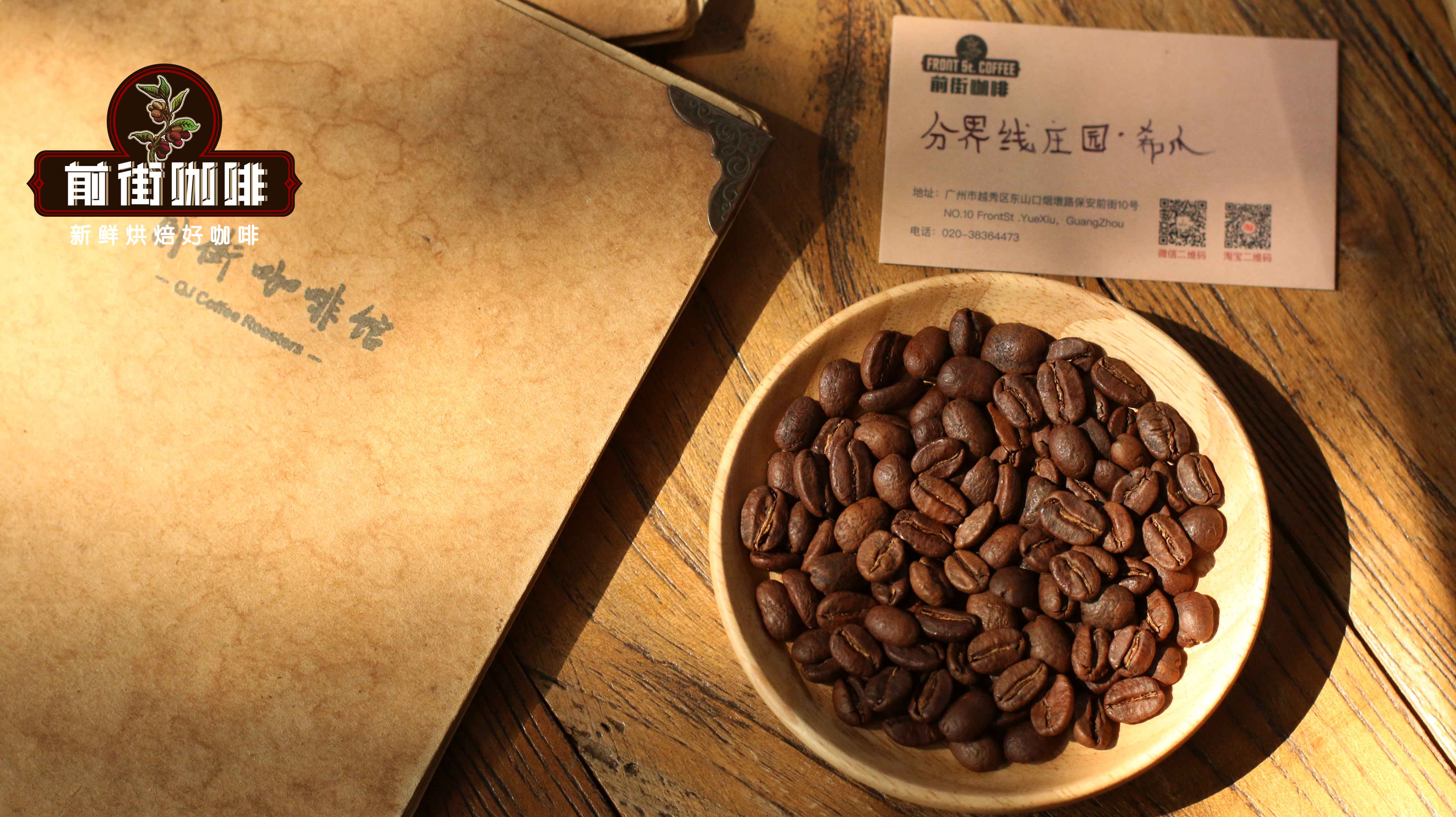
Next is to lengthen the extraction yield, usually increasing by 10 to 15 grams. Sharp acidity and a short finish essentially point to a low extraction yield; increasing the liquid volume can reduce the espresso's harshness, gradually balance the taste, and bring out sweetness. Of course, this will dilute the concentration, so it's more suitable for straight drinking or making an americano with water. For example, Front Street Coffee's extraction parameters for Kenya beans are 20.6 grams of grounds yielding 55 grams of liquid, taking 34 seconds; when drunk straight it's gentle with berry sweetness, and as an americano it presents a full, solid plum and tomato acidity.
If you want to make a milk coffee, you typically grind finer to compensate for insufficient extraction yield. Subsequent adjustments don't need to be bound by the formula's numbers—even if extraction exceeds 30 seconds, as long as the milk coffee tastes good, it works. This trick targets the problem of light-roast SOE milk coffee having a weak coffee flavor; if you taste sourness and astringency in the milk coffee, then you still need to handle it by extending the extraction yield.
The second common problem is: the coffee liquid extracted by the formula has unpleasant flavors, such as grassy notes, bitter miscellaneous off-flavors, or burnt bitterness. At this point, it's best to troubleshoot by dividing into three parts.
Suppose the target liquid yield is 40 grams; then use three cups to catch roughly 13 grams each from the beginning, middle, and end. Taste each one to see which cup has the problem. If only the final segment has off-flavors, just reduce the extraction yield; if both the first and third cups have issues, then you need to adjust the grind size.
The third situation is when the coffee liquid is too weak and flavorless—this is also a problem many friends have reported to Front Street Coffee. Front Street Coffee's summary is that most people treat espresso grind setting as a fixed value, assuming that a setting dialed in for one bean can be used universally for other beans—that's not the case. So when the coffee liquid is bland and thin, it's most likely that the grind size wasn't dialed in correctly. Of course, if you compare light-roast SOE to traditional dark-roast espresso beans for intensity, it simply can't compete.
The above content is compiled by CoffeeHunters, a coffee news website.


