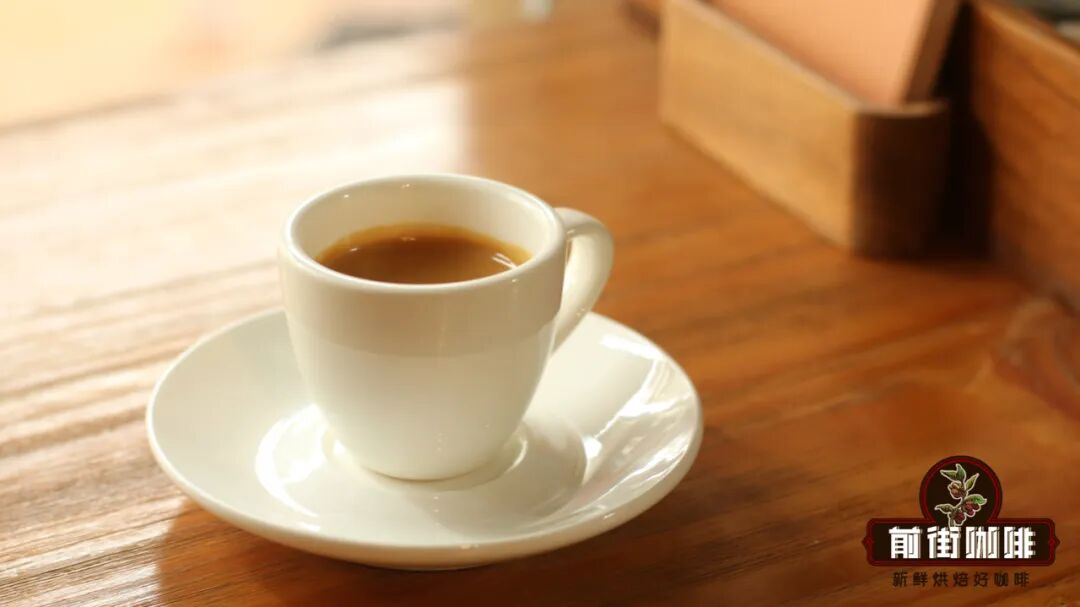
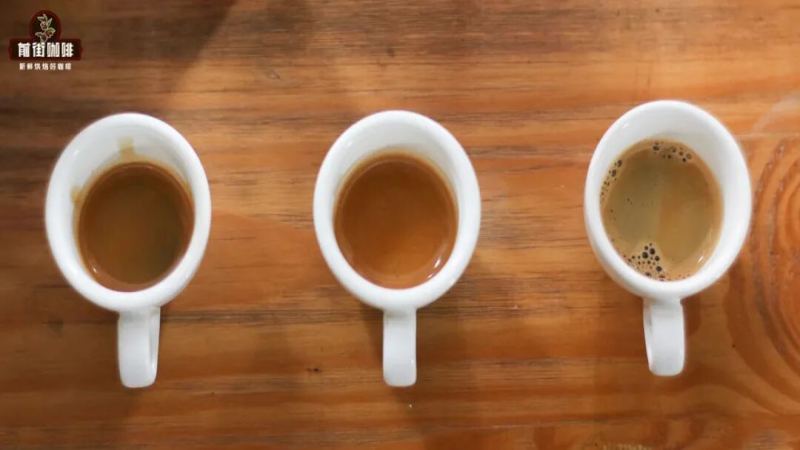
After drinking a lot of traditional dark-roast espresso, it's only natural to want a change of flavor. So most people swap the dark-roast blend in the hopper for SOE beans that highlight flavor, making an espresso with pronounced acidity.
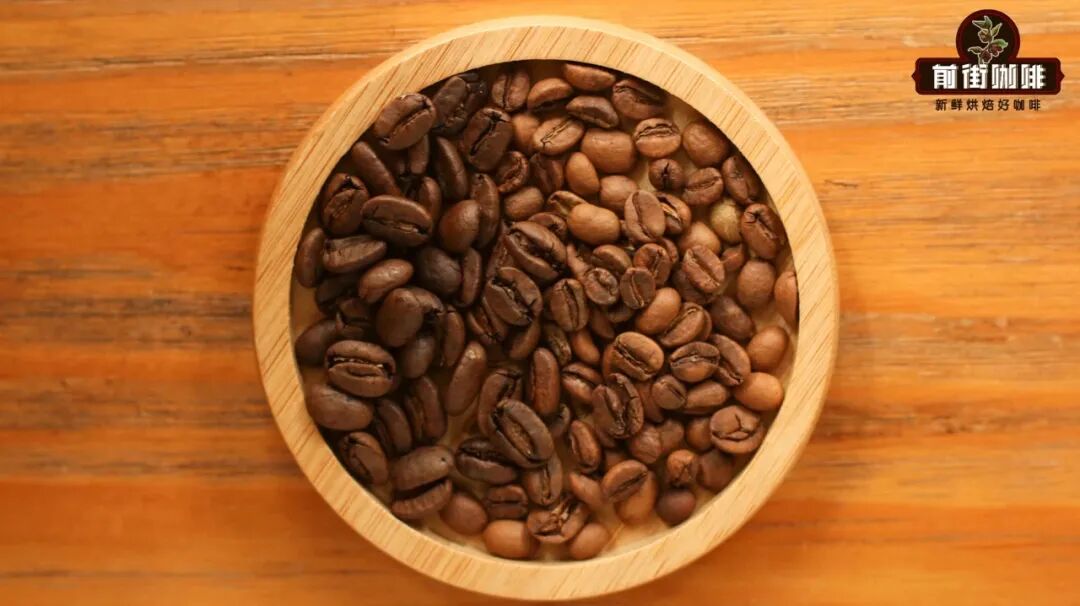
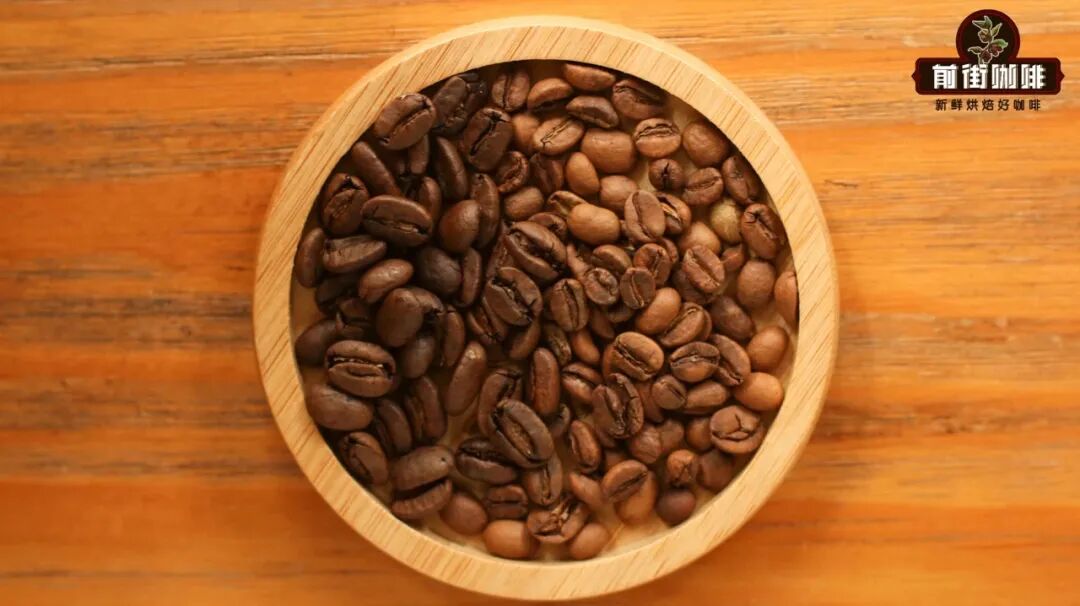
These beans are usually roasted fairly light. If we use the parameters for extracting dark-roast beans to pull an SOE, it will be very hard to get a tasty cup. So for these lighter-roasted beans, we need a separate extraction plan.
How do you set an extraction plan?
Generally, Front Street Coffee recommends first designing an extraction formula following the espresso extraction approach. That is, how much dose, in how much time, yields how much liquid weight. With this formula as a constraint, we can first find the right grind setting—after all, for coffee extraction, whether the grind is suitable has a huge impact. But ultimately the taste of the coffee has to be judged by tasting; the formula only narrows down the range of adjustment, and doesn't directly determine whether the taste is good or bad.
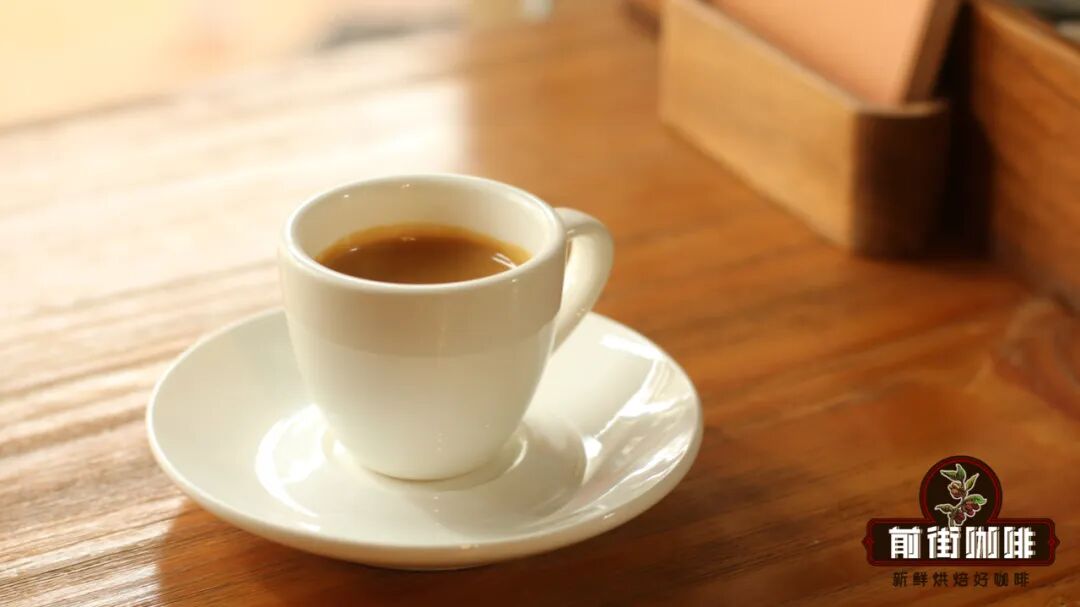
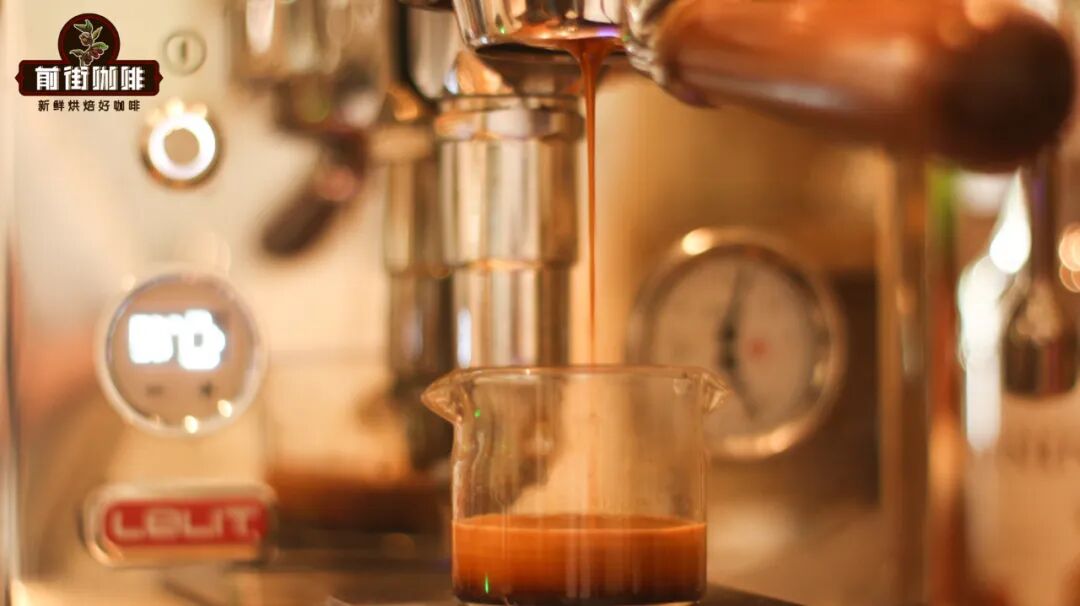
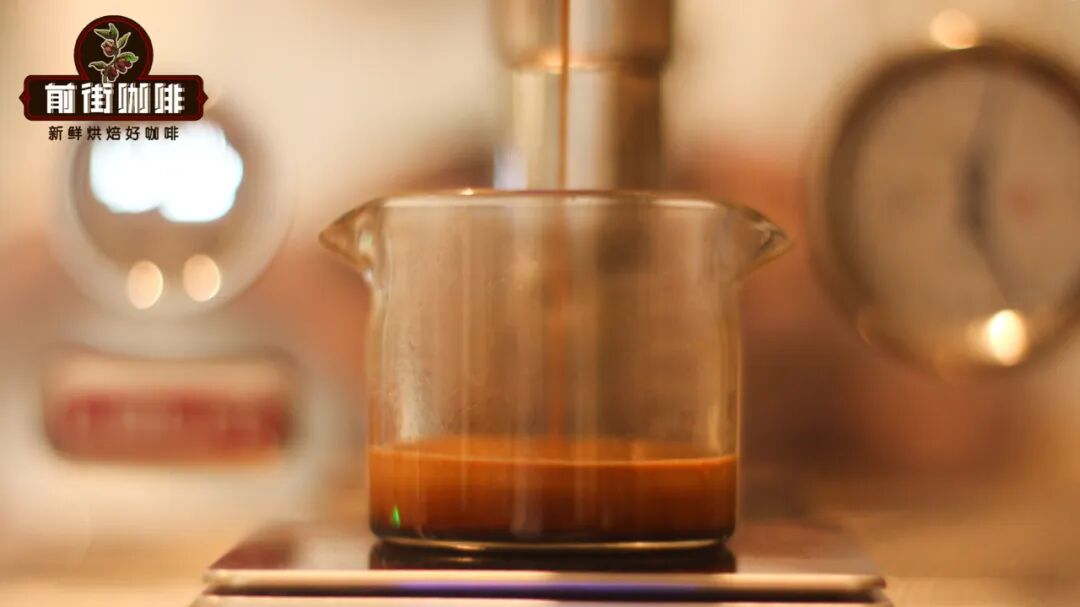
The SOE extraction formula Front Street Coffee commonly uses is a 1:2 dose-to-yield ratio, with the time controlled at 30–35 seconds. Compared with the espresso extraction formula, the time is about 5 seconds longer, because lighter-roasted SOE beans need higher extraction efficiency. The specific dose depends on the capacity of the basket!
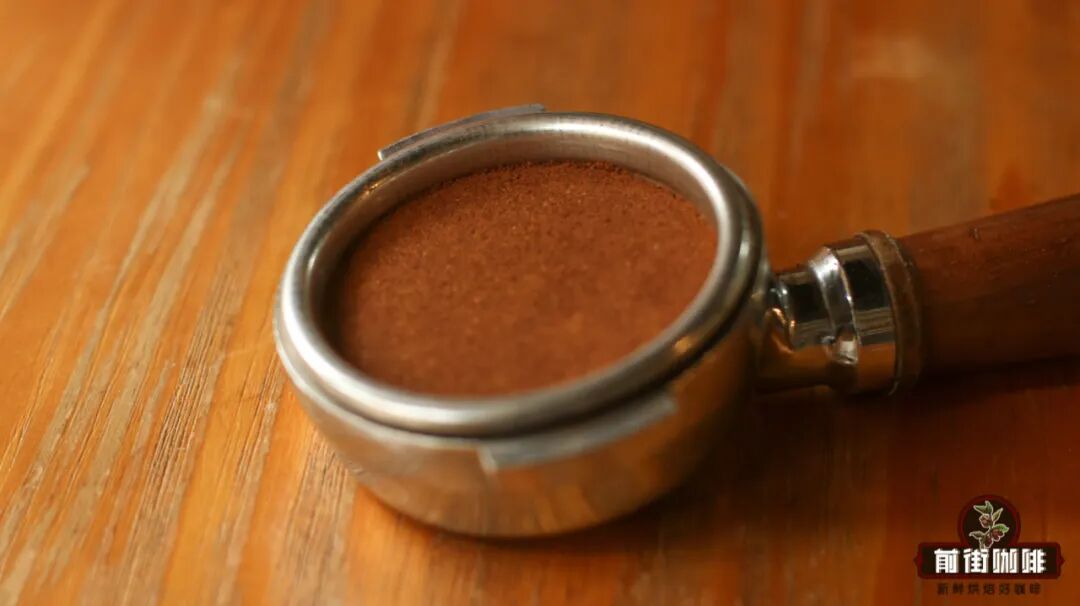
It's worth mentioning that, with a suitable grind and the same weight, light-roast coffee grounds take up slightly less volume than dark-roast grounds. So here you need to judge for yourself—just keep the coffee grounds below the fill line of the basket! Even if it exceeds the basket's recommended dose, that's fine~
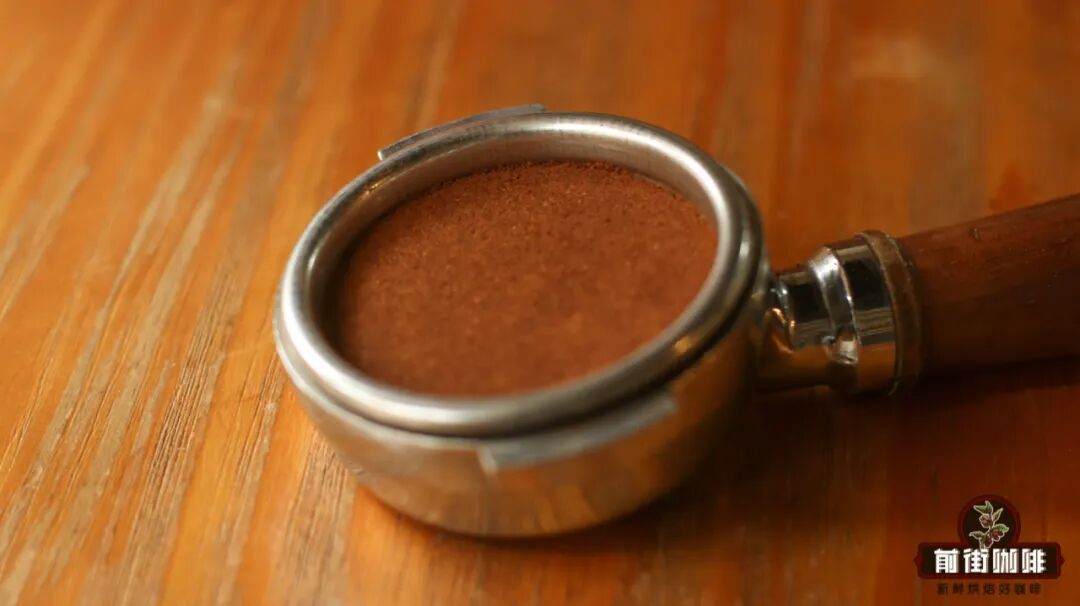
If the grinder was previously grinding dark-roast coffee beans, then when you switch the beans to light-roast ones, the grind usually needs to be adjusted 3–5 steps finer. Only this way can you
increase the surface area of the coffee grounds and improve extraction efficiency. Otherwise, relying on the original grind setting, the lower extraction efficiency and larger gaps will let hot water gush through, easily causing under-extraction.
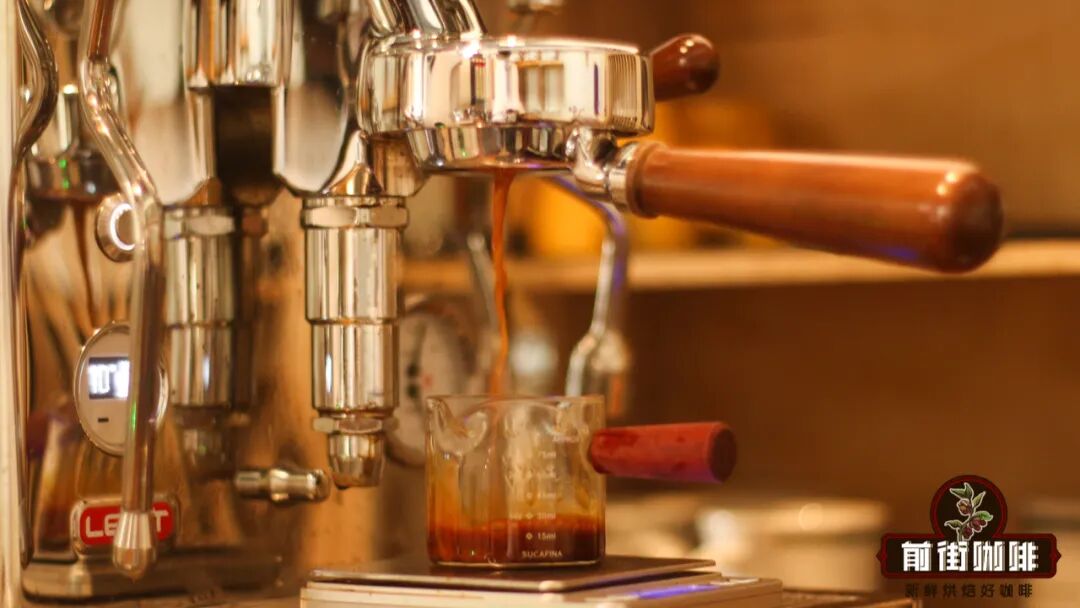
And when your extraction time falls within the set range, you can then taste the coffee to feel its overall flavor. If there's a problem with the taste, you need to make the corresponding adjustments.
Coffee is sharply sour with no aftertaste
The most common negative problem when extracting light-roast coffee with an espresso machine is: the acidity is too pungent and there's almost no aftertaste. This situation means under-extraction! A lack of sweet and bitter compounds causes the acidity to be amplified, creating that unpleasant pungent sourness. In this case, we can first observe the coffee's flow rate!
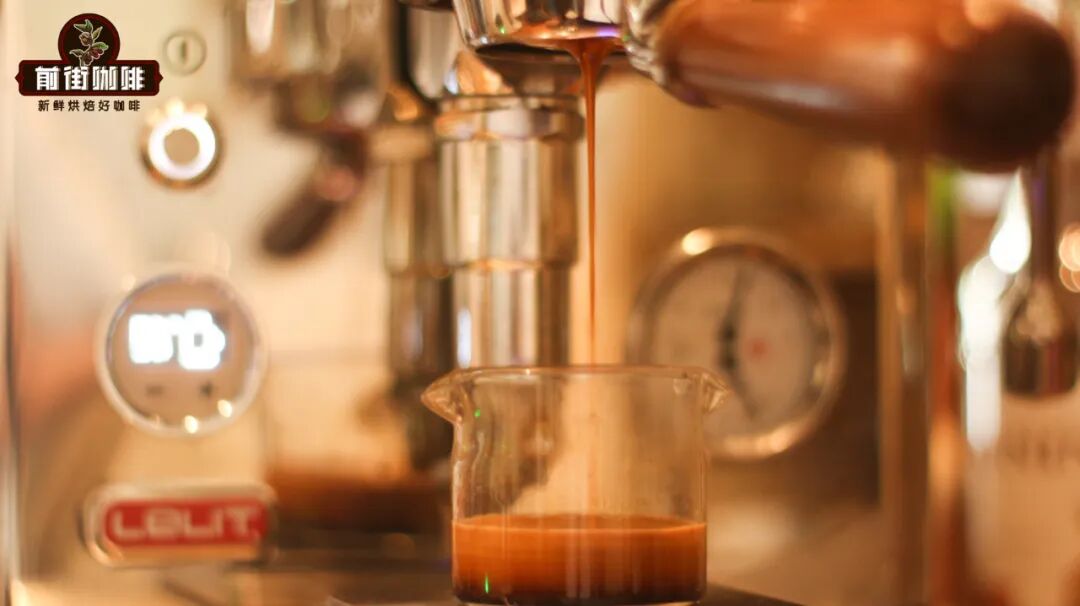
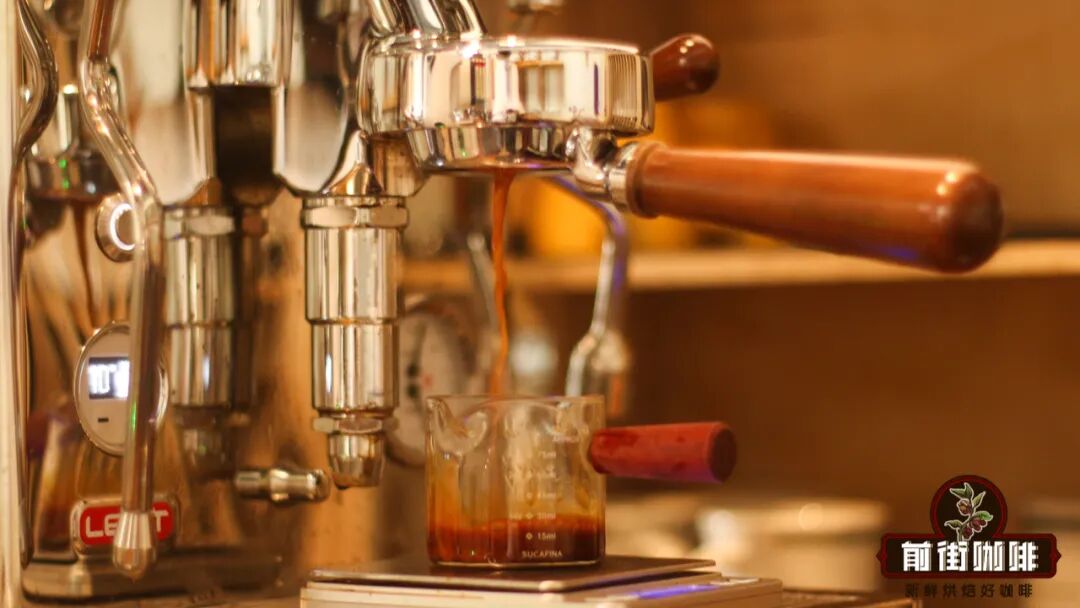
Generally, the normal time for espresso to start flowing is around 7–8 seconds. If the coffee is being pushed out at 4–5 seconds, then the problem is insufficient extraction efficiency caused by too coarse a grind! We can solve this by grinding finer!
But if the flow rate is normal, then it's very likely that too few compounds are being extracted. In that case, we can appropriately extend the extraction, increasing the yield by about 5–10ml (even if it exceeds the formula, that's fine). This will fully extract the coffee's flavor compounds, balancing the acidity, sweetness and bitterness, making the coffee taste better.
The coffee tastes very burnt and bitter
Another common problem is over-extraction, where the coffee has a fairly obvious burnt, bitter taste. The simplest fix is to reduce the yield, avoiding over-extraction by cutting 2–4ml of espresso. But sometimes this method may not work very well—even though you've made adjustments, the coffee is still very bitter. In this case, it's over-extraction caused by too fine a grind.
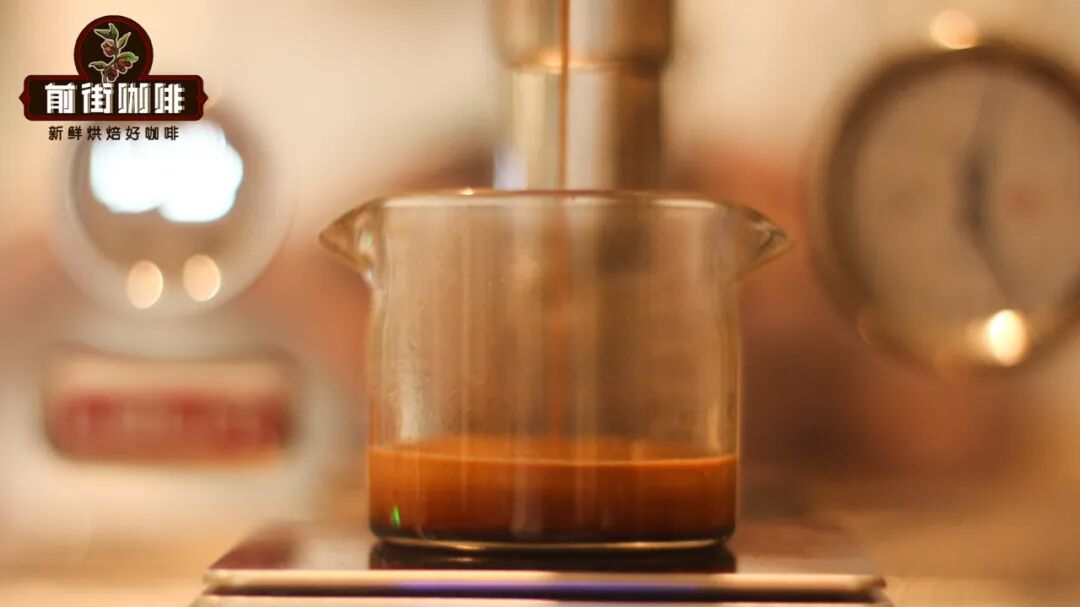
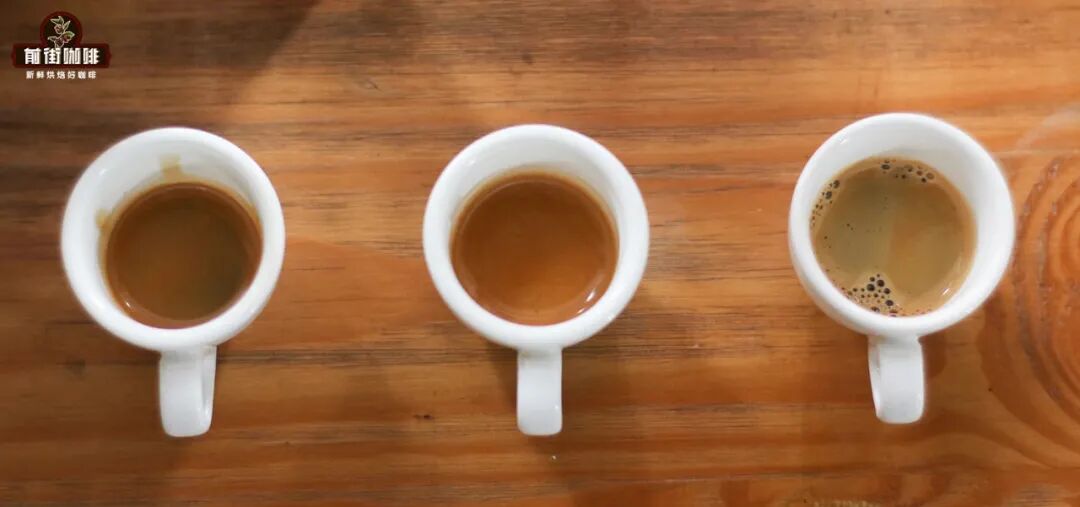
We can test where the problem lies by dividing one shot into three parts! For example, if the coffee we extract is 40ml, then during extraction we can use three cups to catch 13ml of espresso each, and see whether all three cups have an unpleasant bitterness. If they do, then the grind needs adjusting~ If they don't, just reduce the yield~
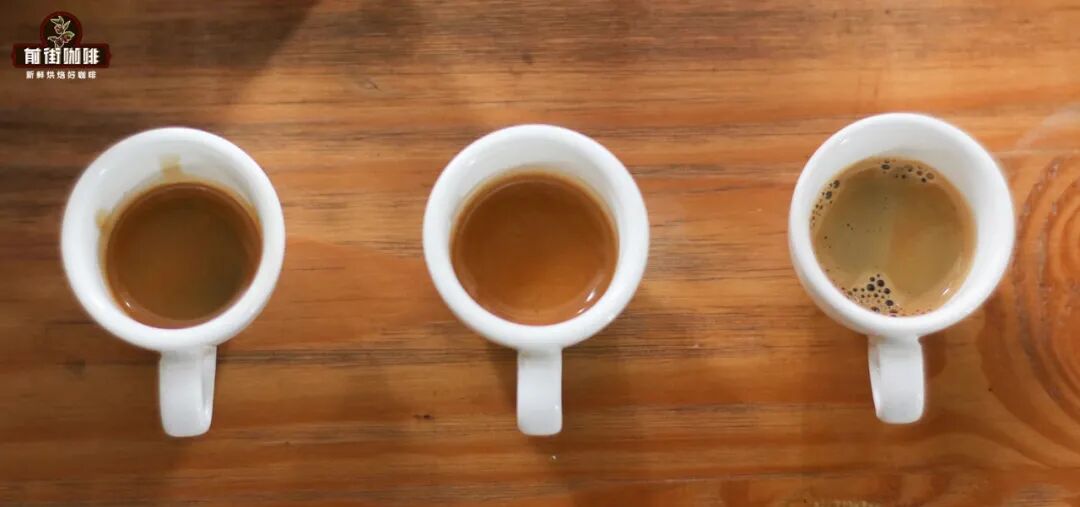
The crema is thin, or even nonexistent
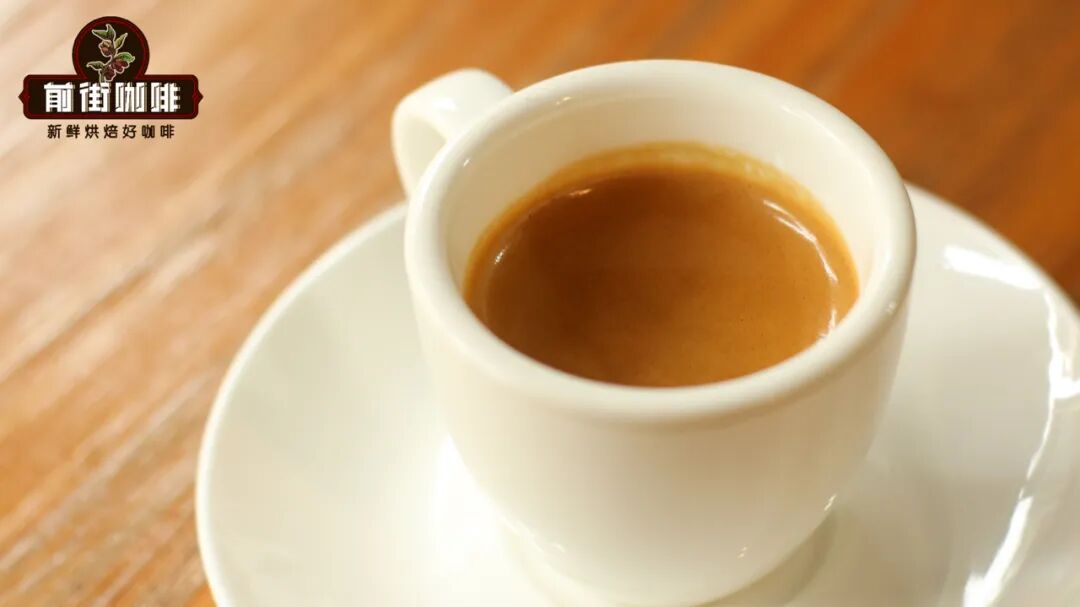
No matter what roast level the coffee beans are, as long as they're still fresh, they'll "squeeze" out some crema more or less. But if the crema is too thin, it's very likely that the grind isn't fine enough and the extraction efficiency is low, unable to release and push out the carbon dioxide in one go.
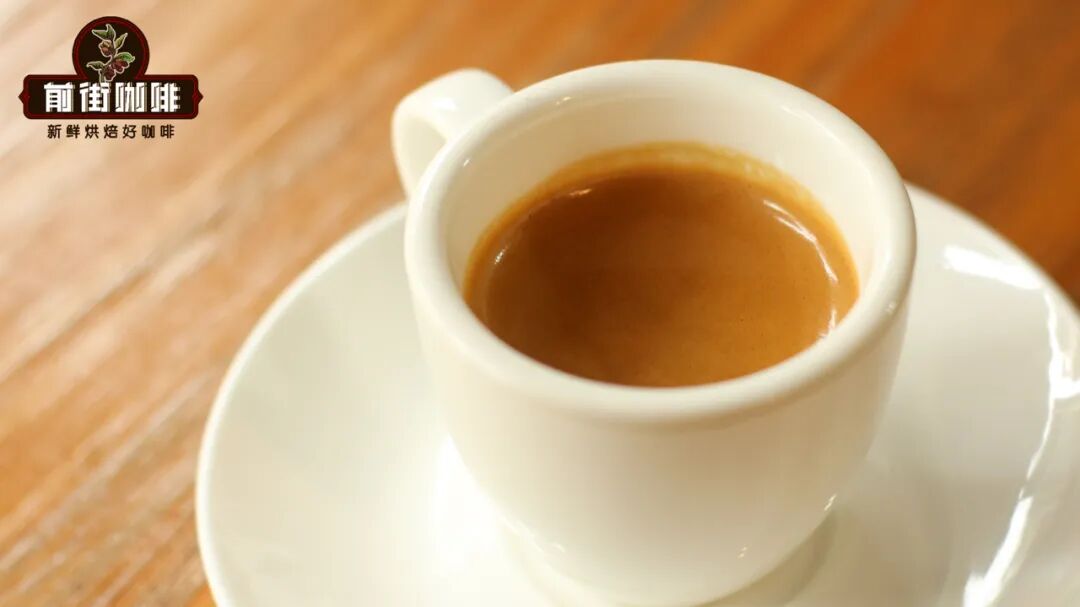
That's all there is to the details of making an SOE. Actually, looking at it as a whole, you'll find there's not much difference from extracting a traditional dark-roast espresso! As long as we understand the principles of extraction and the causes of negative flavors, we can easily solve the problems and extract a delicious SOE!
The above content is compiled by CoffeeHunters, a coffee news website.