







Why Is Grind Size So Critical in Espresso Coffee Extraction?
Espresso grind adjustment follows two steps. First, lock in a rough range by setting the grinder near a flour-like coarseness and rubbing the grounds between your fingers. Then fine-tune by taste and by how the shot runs, since a change of as little as 0.1 of a notch can tip a shot into over- or under-extraction.
Espresso is a pressurized, short-time coffee extraction, so both strengths and flaws are magnified. Pour-over has more room for error: a No. 20 sieve pass-through rate of 70 to 80 percent usually brews a good cup. Espresso leaves far less margin, which is why medium-dark blends and medium-roast SOEs need different coarseness targets and pre-ground powder is a poor substitute.
Grind size is the most critical and most difficult variable to master in espresso extraction, far more demanding than what pour-over coffee requires. Even a slight deviation, just 0.1 of a notch, can lead to over-extraction or under-extraction. Drawing on Front Street Coffee's practical experience, this article systematically outlines the two steps for adjusting espresso grind size: first, initially locking in the grind range, then fine-tuning based on flavor and extraction status. At the same time, for the different characteristics of medium-dark roasted blends and medium roasted SOEs, it provides reference standards for coarseness and fineness, and answers why buying pre-ground coffee powder is not recommended.
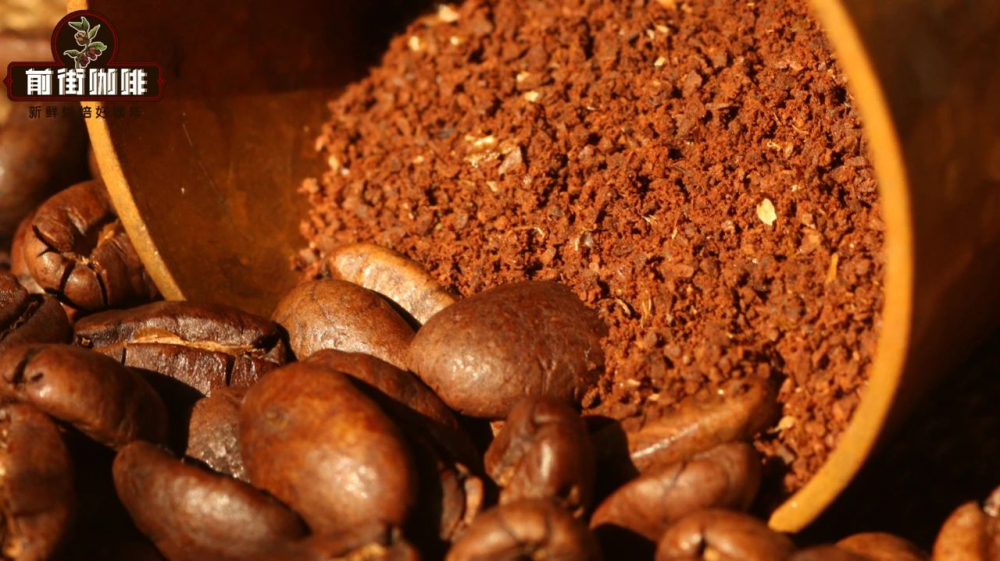
Grind size can be called the most important parameter in coffee extraction. Whether for pour-over or espresso, it is also the hardest part to get precisely right. Many people know that espresso grinding should be much finer than pour-over, but exactly how fine it should be lacks an intuitive and easy-to-understand quantitative explanation. Front Street believes that compared with pour-over coffee, finding the just-right espresso grind size is clearly more challenging.
The grind size for pour-over coffee can be calibrated with a sieve, and the margin for error is also relatively generous—when the pass-through rate on a No. 20 sieve reaches 70%-80%, it can basically brew a good cup of coffee.
However, espresso is a pressurized short-time extraction, which means all expressions are magnified, both strengths and flaws alike, so the requirements for grind size are especially strict. If the grind is too fine, the speed at which water passes through the coffee bed will slow down, easily causing over-extraction; if the grind is too coarse, water will easily flow quickly through the coffee bed, leading to under-extraction. And what triggers this deviation may be only a difference of 0.1 grind notch.
If you are a beginner who has just started and want to find the right espresso grind size as quickly as possible, you may follow the steps introduced below by Front Street and operate them one by one.
Step One: Initially Lock In the Grind Range
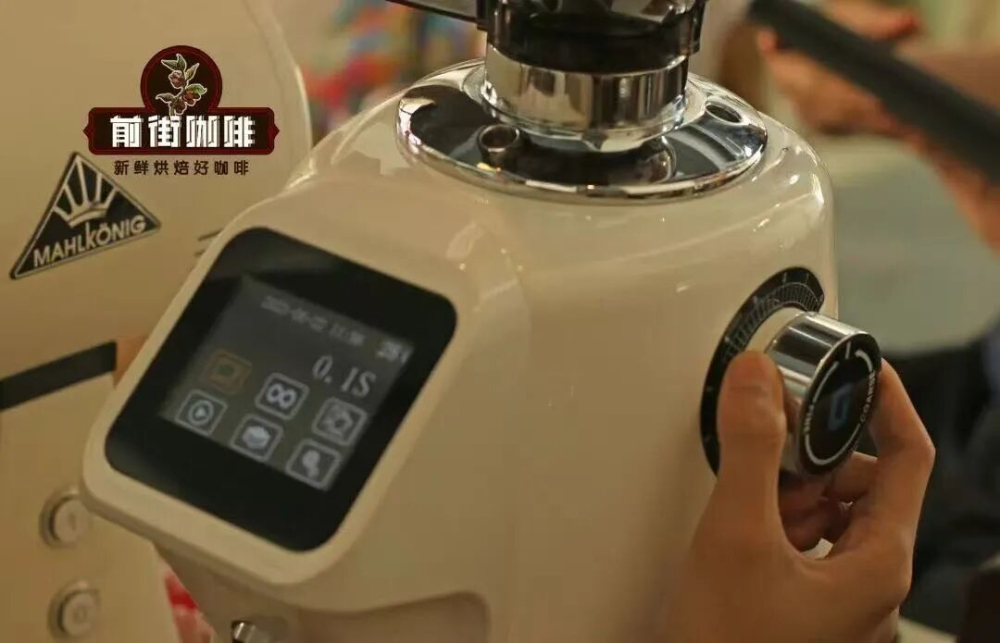
This is the stage that beginners who have just encountered espresso need to complete. First adjust the grind setting to a coarseness similar to the feel of flour. Rub the coffee grounds with your fingers; it is enough if they feel soft and delicate, without a coarse, gritty sensation.
Generally speaking, espresso beans can be divided into two categories according to roast level. Represented by Front Street. Front Street Classic Blend (butter, dark chocolate) and Front Street. Commercial Blend (caramel, roasted nuts), medium-dark roasted coffee beans expand more noticeably under heat and have better water absorption, so the grind size can be coarser during extraction;
while medium roasted coffee beans are mainly single-origin beans such as Front Street. Huakui SOE and Front Street. Sun-Dried Red Cherry SOE. They are heated for a shorter time and have a harder texture, so they need to be ground finer to achieve full extraction.
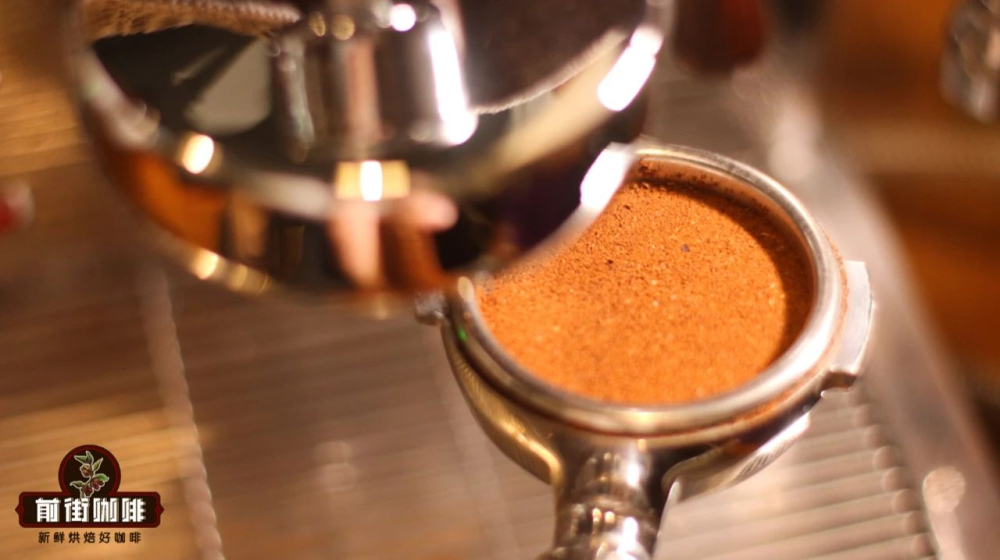
Next, apply the commonly used formula for espresso extraction, namely a coffee-to-liquid ratio of 1:2 and a time controlled between 20-30 seconds. For the dose, you can refer to the standard dose marked on the portafilter basket; for example, an 18g basket holds 18g of coffee, and a 20g basket holds 20g of coffee. After fixing these two parameters, the dose and the ratio, adjust the grind size so that the extraction time falls within the 20-30 second range. If this extraction exceeds 30 seconds, adjust the grind coarser next time; if it is less than 20 seconds, adjust the grind finer next time.
Step Two: Adjust Based on Flavor and Extraction Status Feedback
When you have successfully found a grind setting that keeps the extraction time stable between 20-30 seconds, you can move on to the next step—making fine adjustments based on actual performance.
Because that commonly used formula is only a reference under ideal conditions. In reality, factors such as different coffee beans and different coffee machines mean that even if the formula is met, it may not necessarily taste good (if there is no problem after tasting, this step can be skipped). So we need to taste it, and then fine-tune according to the flavor performance.
At this point, the object of adjustment is no longer just the grind size; the dose and ratio are also brought into the adjustable range. If the espresso tastes prominently sour and the mouthfeel is not mellow enough, you need to adjust the grind finer. If the coffee shows a burnt bitterness, you can adjust the grind coarser, or increase the ratio, for example to 1:1.8.
When it is adjusted to suit your taste, that current setting is the espresso grind size you need.
A friend asked Front Street: "I am not very good at adjusting the grind size. Can you grind the coffee into powder and then send it to me?"
Although Front Street provides a grinding service, it usually still recommends that everyone buy coffee beans and grind them at home. There are two reasons: the first is freshness. Espresso grounds are much finer than pour-over grounds, which means flavor compounds dissipate faster and carbon dioxide is released more quickly. When the gas has mostly escaped, not only is it difficult to extract crema, but the coffee's flavor also becomes less pleasant.
The second is that espresso grind size is not fixed and unchanging. In fact, the grind size of espresso beans is affected by the degree of degassing and weather conditions, and the setting needs fine-tuning almost every day to ensure extraction quality. If pre-ground coffee powder is used, the parameters may still be fairly normal for the first few days, but after that they become less stable.
Therefore, if you want to make espresso yourself, learning to adjust the grind size on your own and buying whole espresso beans is the best choice.
The above content is compiled by CoffeeHunters, a coffee news website.


