







Can you make SOE coffe with Mandheling beans at home?
Pour-over single-origin beans can be pulled as espresso, which is called SOE. The difficulty is that most single-origin beans are roasted medium-light, so channeling, spurting and sharp acidity are common, and a 227g bag may yield only one drinkable cup. Start with a 1:2 brew ratio and extraction time of 25 to 35 seconds.
That framework works across roast levels and widens the margin for error. Beans such as Mandheling, whose roast level sits closer to an espresso style, are easier to work with than fruity medium-light lots. Adjust grind and dose step by step, then judge how the SOE performs in an americano or with milk before changing more variables.
Can pour-over single-origin beans be used to make espresso? The answer is yes—this is what's known as SOE. But in practice, medium-light roasted single-origin beans are far harder to extract than conventional espresso blends. One wrong move and you could end up with spurting, channeling, or a sharp, throat-stinging taste—and a 227g bag of beans might yield only a single drinkable cup. This article will systematically explain how to extract a suitable espresso from the fewest pour-over single-origin beans, covering grind size adjustment, dose control, and extraction parameter settings, while also analyzing how SOE performs in Americanos and milk coffees—helping coffee enthusiasts avoid unnecessary detours.
However, many coffee enthusiasts tend to underestimate the difficulty of extracting pour-over single-origin beans as espresso. After struggling through a 227g bag, you might end up with only one drinkable cup. The reason is that, aside from beans like Mandheling whose roast level approaches an espresso style, most conventional single-origin beans are roasted in the medium-light range.
These beans not only require repeated experimentation with grind settings, but the espresso's flavor expression is also extremely difficult to control. The result is often an entire bag of beans yielding just one barely acceptable cup—or even none at all. So how can you extract a properly flavored espresso using the fewest pour-over single-origin beans?
How to make espresso with single-origin coffee beans?
Even dark-roasted coffee beans, if under-extracted, will present sharp acidity and a biting sensation—let alone medium-light roasted beans that are already rich in acidity. When they undergo high-pressure extraction in an espresso machine, the acidic compounds within the beans become highly concentrated into that small cup of coffee, resulting in extremely intense acidity. For beginners just getting into coffee, it's hard to judge whether this sharpness comes from the beans' inherent flavor characteristics or from under-extraction defects.
Therefore, we can first control the extraction parameters within a universal framework: a brew ratio of 1:2, with extraction time kept between 25 and 35 seconds. This principle applies to coffee beans of all roast levels. When parameters fall within this range, under-extraction rarely occurs, and the margin for error increases significantly. On this foundation, fine-tune based on taste, and you'll quickly achieve an ideal espresso.
1. Adjusting Grind Size
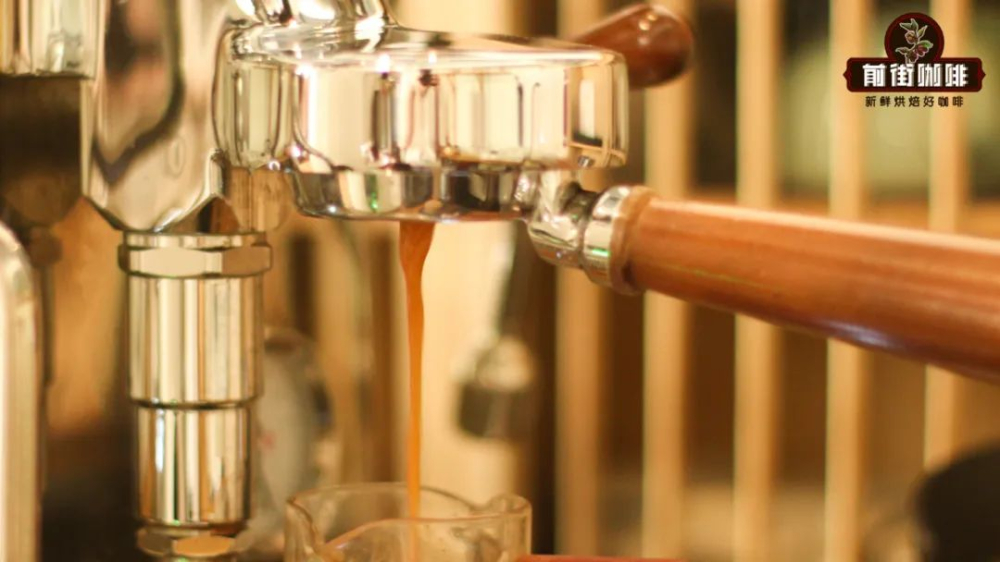
When switching from dark-roasted espresso beans to medium-light roasted single-origin beans, the first obstacle you'll encounter is grinding. If you simply carry over the grind settings from your dark-roasted beans, the coffee liquid will gush out like a fountain during extraction, reaching the target yield in about 10 seconds.
The root cause is that single-origin beans are roasted lighter and have a harder texture. When hot water contacts them, the carbon dioxide expansion is far less vigorous than with dark-roasted beans, so the puck resistance drops significantly, and water can rapidly pass through the gaps. Under these conditions, under-extraction is almost inevitable.
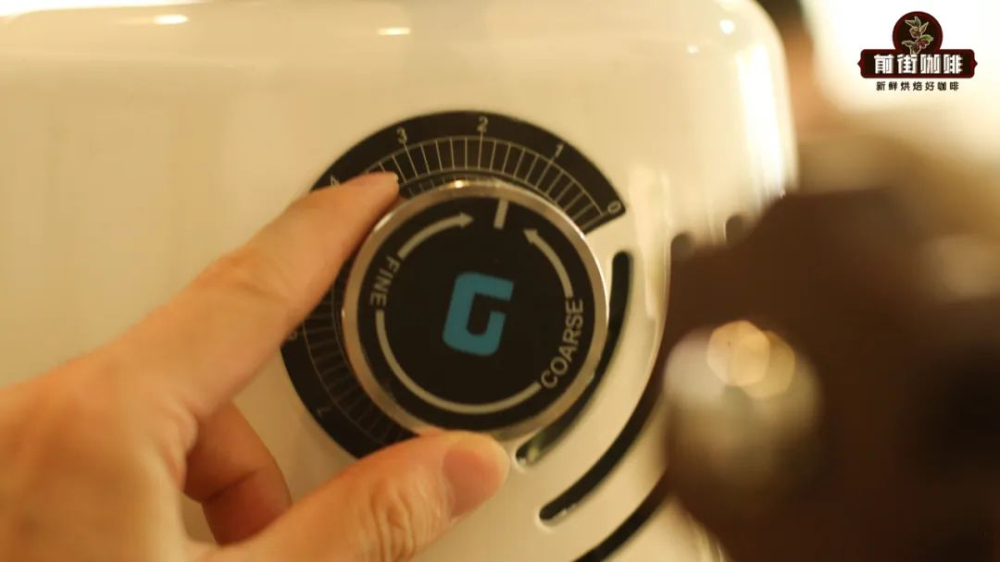
So the first step is to adjust the grind. To achieve sufficient extraction from light-roasted beans, the grind setting must be adjusted finer, so that hot water can penetrate the puck more thoroughly and reach the expected extraction yield.
Taking the Galileo Q18 grinder used in the shop as an example, when replacing the medium-dark roasted Warm Sun blend with medium-light roasted beans, the grind size needs to be adjusted two small notches finer (if switching directly from dark roast to medium-light roast, at least 4 notches is the starting point). Then, fine-tune notch by notch based on extraction time until the parameters fall within the target range.
2. Adjusting Dose
Without adjusting the grind, at the same dose, the puck volume of medium-light roasted beans is smaller than that of dark-roasted beans. And after you adjust the grind finer, the puck of medium-light roasted beans shrinks even further, creating a larger gap between the puck and the shower screen. During extraction, excessive headspace increases the impact force of the water flow, which in severe cases can cause channeling. Additionally, a puck that's too thin shortens the time water takes to pass through, speeding up the flow rate.
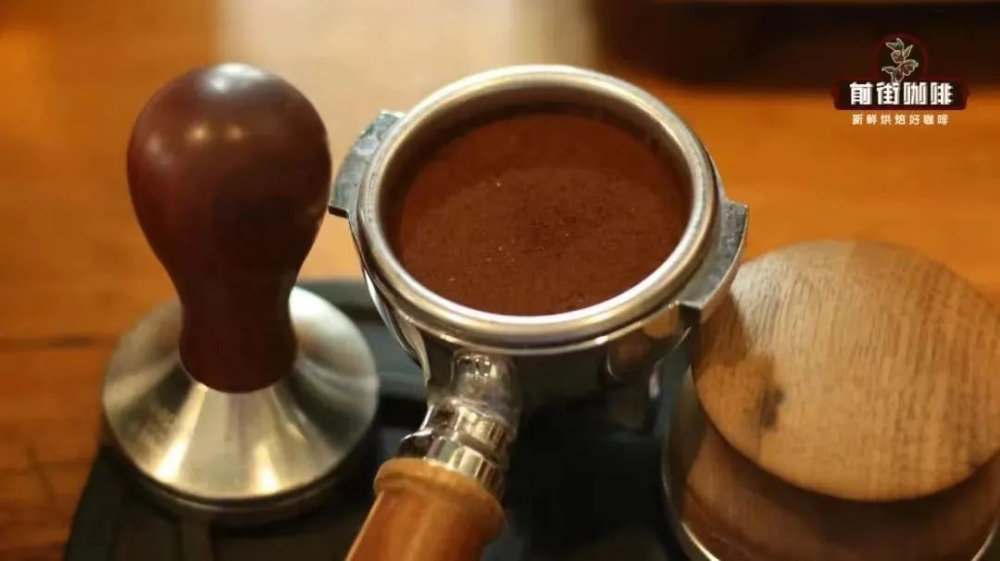
The solution is to appropriately increase the dose. Since medium-light roasted beans produce finer particles after grinding, you can actually use a dose exceeding the basket's nominal capacity. For example, to fill the puck exactly to the basket's ring line after tamping, dark-roasted beans require 20g, while medium-light roasted beans need 21g to reach the same height.
After completing the above adjustments, all values fall within the extraction template's parameter range, but the espresso still has some negative flavors (such as sharp acidity, bitterness, etc.). At this point, you can make subtle increases or decreases in dose, liquid yield, or pressure to achieve the best drinking experience. (Of course, if you just want a quick fix, this step can be skipped.)
So, how does espresso made from pour-over coffee beans taste?
As mentioned earlier, medium-light roasted beans contain more acidity, and the extracted espresso has very intense sourness with relatively thin crema. However, they are excellent for making Americanos: bright yet full-bodied acidity, a refreshing mouthfeel, and prominent sweetness in the mid-to-finish. If you choose light-roasted beans with rich floral aromas, the layers of complexity in that Americano will be even more pronounced.
However, these beans are not suitable for making milk coffee. This is because medium-light roasted coffee is dominated by fresh, bright notes like acidity and floral aromas—they either get completely masked by the milk's flavor (which is actually more forgiving for those who don't drink much coffee), or they clash with the milk (for example, the acidity doesn't pair well with the milky taste, making the overall flavor seem odd).
So, if you're a milk coffee lover, it's recommended to use anaerobically processed pour-over beans. These beans have more concrete, prominent flavors that won't easily be masked by milk.
Overall, making espresso with pour-over beans—that is, SOE—is quite a rewarding experience. Front Street recommends recording the data from each adjustment, so next time you want to make espresso with similar beans, you can directly apply the template and make minor tweaks.
- END -
Front Street Coffee
No. 10, Baoqian Street, Yandun Road, Dongshankou, Yuexiu District, Guangzhou, Guangdong Province
The above content is compiled by CoffeeHunters, a coffee news website.


