





Search Results for: rich without burnt bitterness
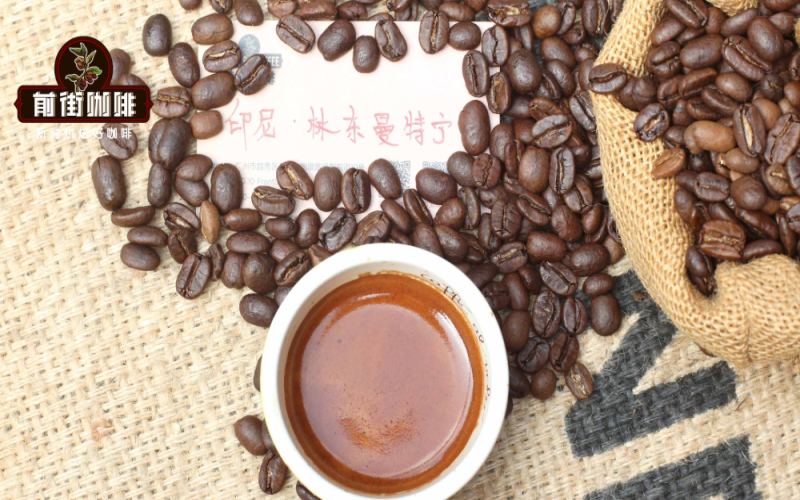
Mantenin Coffee Pour-Over Technique Explained: A Guide to Temperature, Grind, and Three-Pour Parameters
People often say Mandheling is so bitter it's hard to swallow, yet there is also a group of seasoned coffee enthusiasts who are particularly fond of its rich, full-bodied character, believing that only Mandheling truly counts as real coffee. As a typical representative of dark roasting, Mandheling is indeed known for its bitterness, but Front Street believes that fine bitterness is a pleasure, while burnt bitterness and astringent bitterness are usually caused by improper brewing. This article will focus on the key points of brewing Mandheling coffee, from understanding the bean variety and the influence of the wet-hulled processing method, to the choice of dripper, coffee-to-water ratio, grind size, water temperature, and the three-pour technique, explaining one by one how to bring out a Mandheling that is full-bodied, clean, and bitter without being burnt, and showcasing the differences among several Front Street Mandheling products. [more…]
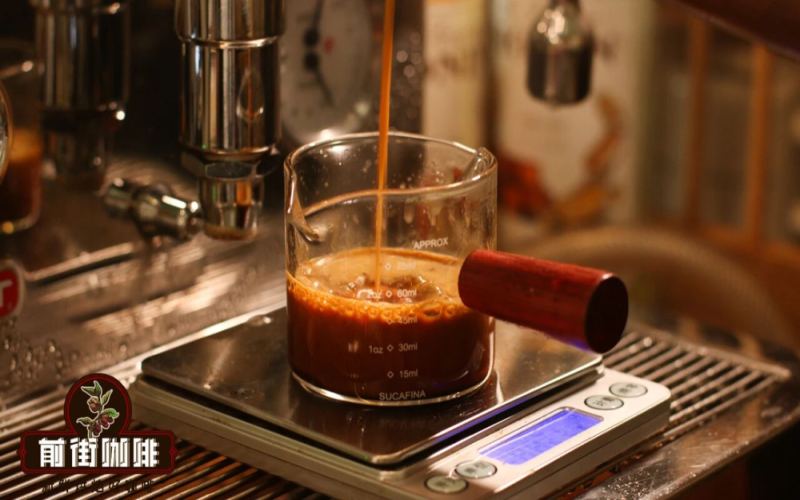
The Complete Guide to Buying Espresso Blend Coffee Beans: How to Choose Beans That Are Rich and Mellow Without Being Burnt or Bitter
Many coffee enthusiasts have struggled with how to choose a suitable espresso bean. Most espresso on the market is made from blend beans, and this is no coincidence—single-origin beans pulled as espresso are often not rich enough and may carry a sharp acidity that is hard to mask even with milk or sugar. In addition, as coffee is an agricultural product, each year's harvest fluctuates, and beans from a single origin can easily make the output taste inconsistent from good to bad, whereas blends can compensate for each other's weaknesses and keep espresso extraction stable. So, from which dimensions should you start in order to pick your ideal espresso bean? This article will walk you through the selection process step by step, from finding a reliable roaster and clarifying your personal taste preferences to specific product recommendations, and will include detailed introductions to several of Front Street Coffee's espresso blend beans. [more…]
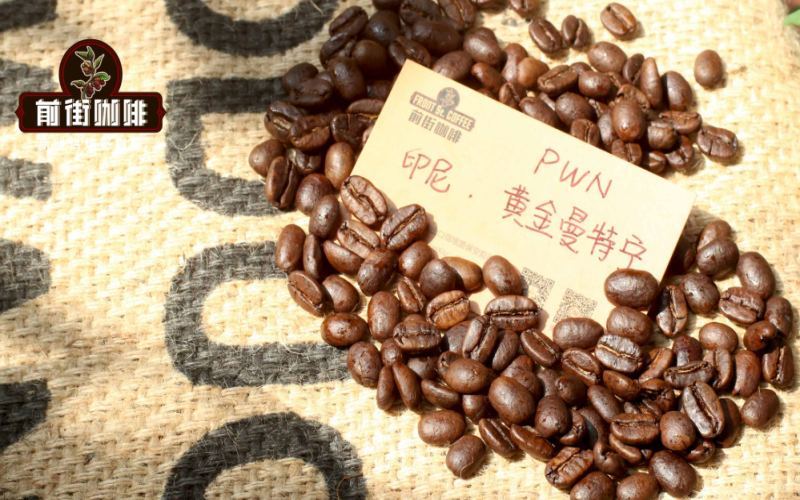
Mandeiling Pour-Over Technique in Detail: How to Brew a Sweet, Clean, Full-Bodied Dark Roast Coffee Without Bitterness
Mandheling coffee is known for its rich body and distinctive herbal aroma, but dark-roasted beans can easily produce a burnt, bitter taste when brewed as pour-over. This article begins with the history of Front Street PWN Golden Mandheling and provides a detailed guide on how to brew a clean, sweet cup of Mandheling pour-over with caramel and chocolate notes through dripper selection, coffee-to-water ratio, grind size, water temperature control, and a three-stage pouring technique. If you are also frustrated that your Mandheling always turns out too bitter, this article offers clear and practical solutions. [more…]
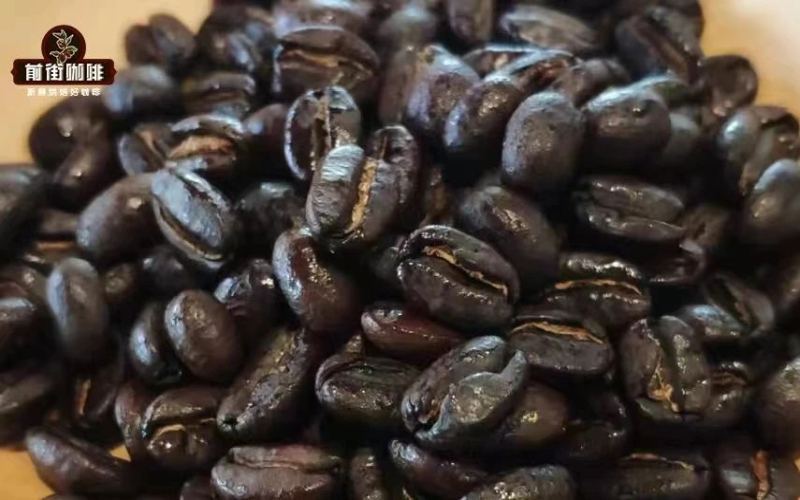
Are dark-roasted coffee beans necessarily burnt and bitter? What flavor do charred-black beans actually present?
Many people, when they hear "dark roast coffee beans," immediately think of burnt bitterness, heavy smoky flavors, or even find them hard to drink. But is that really the case? A properly roasted dark roast bean can actually offer pleasant notes of cocoa, dark chocolate, caramel, and nuts, with low acidity and a full body, balanced between sweetness and bitterness. Drawing on Front Street Coffee's roasting experience, this article sorts out the relationship between the Maillard reaction and roast level, and recommends a variety of Front Street medium-dark and dark roast products for different taste preferences, including Queen's Estate, PWN Golden Mandheling, Classic Blend, Specialty Blend, Commercial Blend, and Dark Cocoa Base Blend, helping coffee lovers find the rich, full-bodied choice that suits them. [more…]
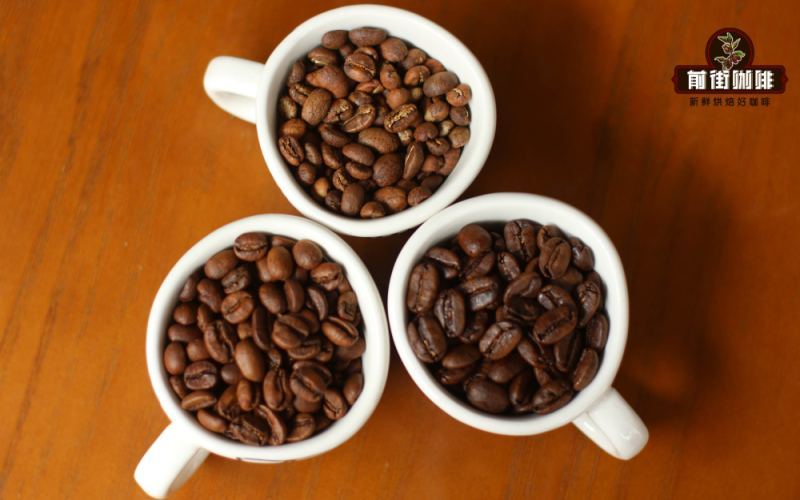
Advanced Pour-Over Guide: A Breakdown of Grind, Water Temperature, and Pouring Techniques for Dark Roast Single-Origin Coffee
Many coffee enthusiasts hold a prejudice against dark roast beans, believing that the burnt bitterness masks the floral and fruity acidity that specialty coffee should have. However, dark roast beans are not doomed to taste bad—as long as you master the right brewing strategy, they can equally present a rich, full-bodied flavor with a long-lasting finish. Front Street Coffee will, drawing on years of experience, systematically sort out the key points for brewing dark roast single-origin coffee, from grind size, water temperature control, and coffee-to-water ratio to pouring technique. The article also uses [Front Street Jamaica Blue Mountain] as an example, providing specific parameters and operating steps to help you avoid over-extraction and bitterness, and unlock the chocolate, caramel, and lingering sweet aftertaste of dark roast beans. [more…]
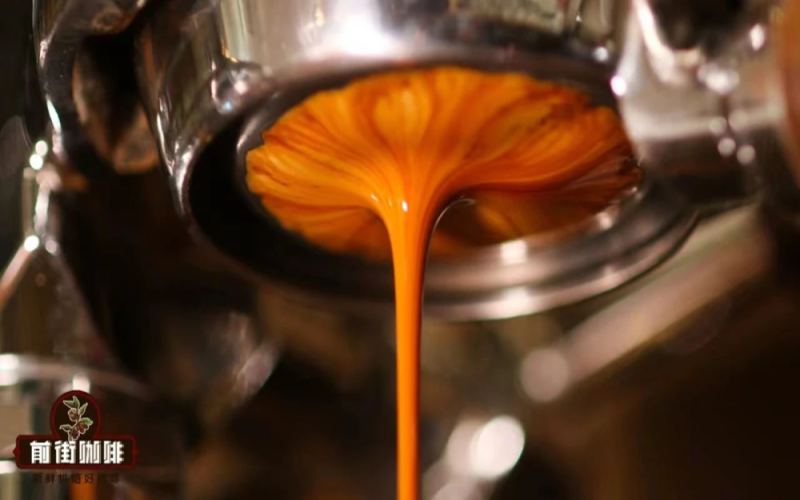
Analysis of the Causes of Espresso Channeling and Distribution and Tamping Techniques to Avoid Uneven Extraction and Burnt, Bitter Flavors
Espresso serves as the foundation of all Italian-style coffee, capable of amplifying a bean's strengths while exposing its flaws without reservation. Many baristas and enthusiasts are often troubled by negative flavors such as burnt bitterness and astringency, and these issues are frequently linked to channeling during the extraction process. Channeling occurs quite often and has a notably significant impact on the taste of espresso. From the perspective of Front Street, this article first discusses what kind of coffee beans are suitable for espresso, then explains what channeling actually is, and finally provides specific optimization techniques for distribution and tamping. As long as distribution and tamping are done solidly, making a satisfying and delicious espresso becomes much easier. [more…]
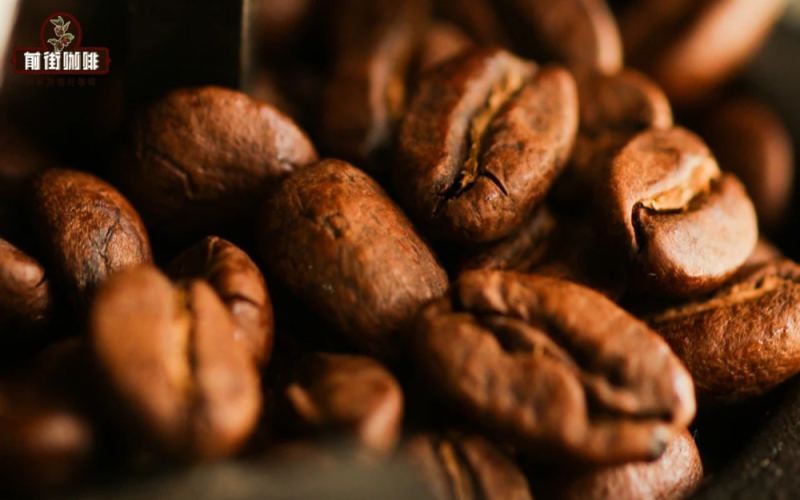
What Makes a Good Espresso? An In-Depth Analysis of Burnt Flavors and How to Fix Them
The flavor expression of espresso depends on the coordinated interplay of various parameters during the extraction process. Coffee beans have a dense structure, so fine grinding and high-pressure water flow are required to extract the ideal flavor in a short time. Baristas need to adjust the grind setting, dose, brew ratio, and extraction time according to the roast level; otherwise, underextraction or overextraction can easily occur. This article systematically sorts out the taste characteristics corresponding to three extraction states, gives the specific performance of ideal espresso in terms of sweetness, balance, layering, and clarity, and recommends two Front Street Coffee blends suitable for making espresso. At the same time, for the common burnt flavor in espresso, it analyzes the causes one by one from five perspectives: extraction time, water temperature setting, coffee bean quality, tamping method, and bean resting period, helping readers find the root of the problem. [more…]
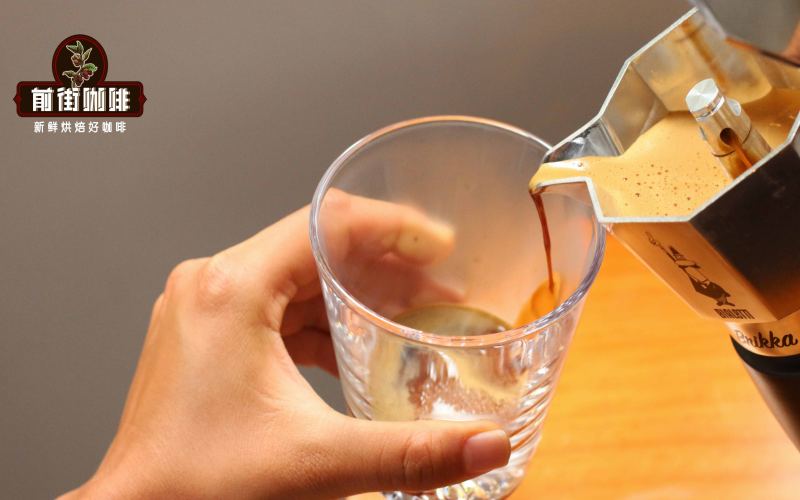
Why Does Moka Pot Coffee Burn and Over-Extract? Analyzing the Two Key Factors: Heat and Grind Size
More and more coffee enthusiasts are choosing the moka pot as an entry-level tool for making espresso at home. It has a simple structure and an affordable price, yet it can extract a rich, concentrated coffee liquid through steam pressure. However, in actual use, burnt bottoms and over-extracted, bitter, scorched flavors are high-frequency failure scenarios. Starting from the structure and extraction principle of the moka pot, this article first sorts out the ideas for selecting coffee beans suitable for pressure extraction, including recommendations such as Front Street Classic Blend, Queen Estate Brazil, Paradise Bird Estate Papua New Guinea, and Front Street PWN Golden Mandheling. It then focuses on breaking down the two major causes—excessive heat and overly fine grinding—and provides actionable adjustment methods and safety tips to help you keep your moka pot output consistently in the range of mellow without being burnt or bitter. [more…]
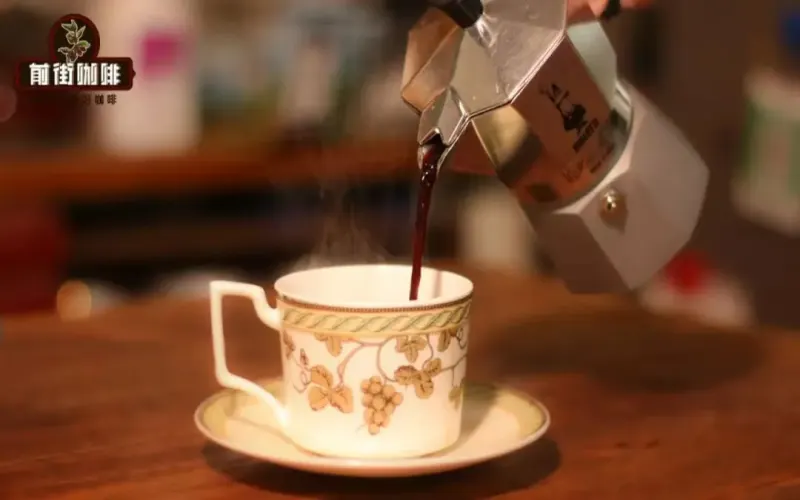
A Complete Analysis of Why Moka Pot Coffee Tastes Burnt and Bitter: The Three Key Factors of Channeling, Heat Control, and Grind & Water Amount
As a pressure-based extraction device, the moka pot is highly efficient but also extremely prone to over-extraction, and many coffee enthusiasts have experienced the trouble of burnt, bitter coffee with heavy off-flavors. After sharing moka pot-related content many times, Front Street Coffee found that channeling, excessively long heating time, and too-fine grinding with too much water are the three core causes of over-extracted moka pot coffee. This article will analyze the root causes one by one from the perspectives of even coffee distribution, initial water temperature and heat level, heat adjustment after liquid begins to flow, and the ratio of grind size to water amount, and provide practical improvement solutions to help everyone consistently make rich, delicious moka pot coffee. [more…]

Moka Pot Usage and Tips | Is Your Moka Pot Coffee Always Bitter and Burnt? Recommended Affordable, Great-Tasting, Non-Bitter Coffee Beans Worth Buying for Moka Pot Enthusiasts
As a recognized high-value home coffee gadget, the moka pot is actually far less complicated to use than you might imagine. There's no need to be bound by too many precise data and parameters; as long as you grasp the following key points, the rest can be freely adjusted to your taste preferences, letting you easily brew a delicious cup of coffee. No. [more…]

American Coffee Tasting Guide: Café-Level Key Points from Espresso Extraction to Water Ratio
Americano seems simple—just an espresso diluted with water—but it is precisely this minimalist structure that best tests a café's skill. From a tasting perspective, this article systematically outlines the three key characteristics a good Americano should have: a smooth mouthfeel with a clean finish, clear aroma that isn't thin, and balanced flavor that is neither burnt-bitter nor sharply sour. It also breaks down how different shops handle variables such as coffee bean selection, espresso extraction state, brew ratio, dilution ratio, temperature, and water quality, and combines Front Street Coffee's specific output parameters with the tuning case of Huakui SOE to help coffee lovers build a clearer evaluation framework. [more…]
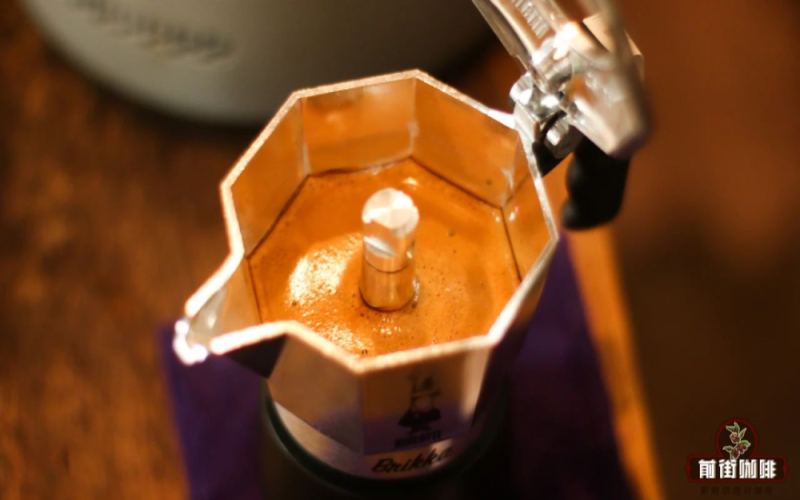
A Complete Guide to Moka Pot Coffee Grind Size and Tamping: From Bean Selection to Extraction
Although the moka pot has a simple structure, achieving a consistently rich, well-balanced cup with a thick layer of crema requires attention to every step—from bean selection and grinding to filling and heat control. How coarse exactly should the coffee grounds be? Should you buy whole beans or pre-ground coffee? Do you need to tamp the grounds when filling? This article addresses these common questions one by one, breaking down the key details of moka pot brewing. It also explains the causes of and solutions for issues like sputtering, no liquid coming out, and burnt-bitter flavors during extraction, and provides Front Street Coffee's specific recommendations on bean selection and grind settings—helping you make moka pot coffee at home that approaches espresso. [more…]

Analysis of Pour-Over Coffee Extraction States: How to Identify Over-Extraction and Under-Extraction and Adjust Your Brewing Plan
In the world of hand-brewed specialty coffee, the extraction state of a cup directly determines its flavor expression. Some people prefer floral and fruity notes, while others are drawn to dark chocolate and nutty tones, but when faced with astringent sourness or burnt, bitter off-flavors, most people can agree—this cup was not brewed well. Under-extraction, over-extraction, and ideal extraction—these three states correspond to different parameter logics. Starting from the order in which flavor compounds are released, this article will teach you how to judge the extraction situation through clues such as flavor performance, brewing time, and the state of the coffee bed, and offer adjustment approaches for different scenarios including light roasts, dark roasts, and excessive fines, helping you more precisely master every cup of pour-over. [more…]
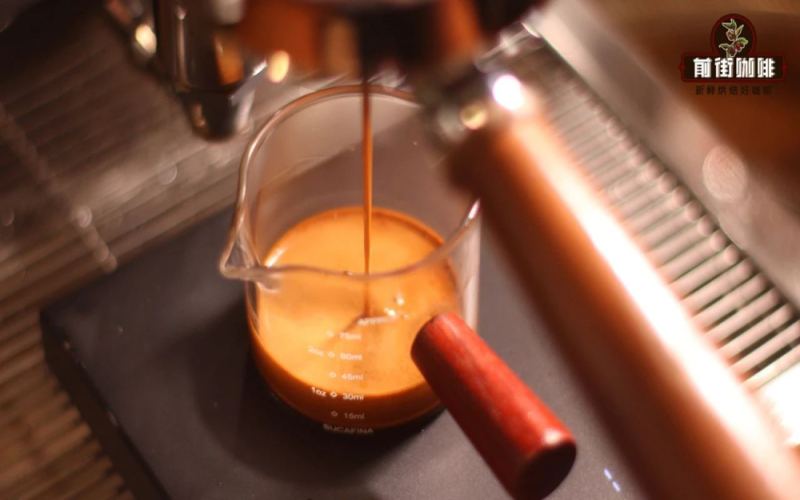
Espresso Extraction Adjustment Guide: A Complete Workflow from Parameter Principles to Iced Americano Preparation
When it comes to using an espresso machine at home, nothing is more frustrating than dialing in a shot: you go through most of a bag of beans and the taste still isn't right. Even professional baristas need seven or eight trial-and-error shots to find the ideal state when switching to a new bean. This article draws on Front Street Coffee's hands-on experience to lay out an efficient approach to dialing in espresso — first explaining the roles of the three core variables (grind size, dose, and yield), then walking through how to quickly lock in reasonable parameters using a 1:2 brew ratio and a 25-to-30-second time frame, and finally offering specific correction directions for common problems like burnt bitterness, short finish, and flat flavor. Once everything is dialed in, a complete recipe for a café-quality iced Americano is included as well. [more…]
Why Is Contemporary Coffee Generally So Acidic? From Roasting Evolution to the Light/Dark Roast Choices for Blue Mountain and Huakui
In recent years, many coffee enthusiasts have noticed that most coffee on the market has a sour taste, which has sparked discussions about whether "good coffee must be sour." This article analyzes the reasons behind the widespread sourness in coffee from perspectives such as roasting history, the concept of specialty coffee, and the Nordic light-roast trend, while also clarifying the relationship between coffee quality and taste. At the same time, using specific products from Front Street Coffee such as Blue Mountain No. 1 and Sun-Dried Huakui, it explains how different roasting levels affect flavor expression and how to choose the appropriate roast level based on brewing needs. [more…]
How to Identify Authentic Jamaican Blue Mountain Coffee? A Practical Guide from Barrel Certification to Green Bean Appearance
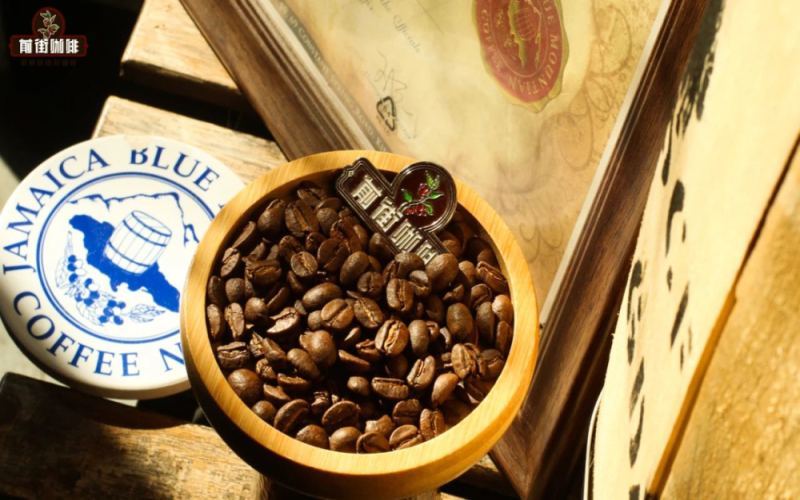
Blue Mountain coffee comes from the Blue Mountains of Jamaica, grown at elevations between 910 and 1,700 meters. The variety is Typica, and it is famous for its balanced acidity, sweetness, and bitterness, its full, rich body, and its long, lingering finish without any burnt or bitter notes. Because annual production is limited, Blue Mountain No. 1 coffee beans typically sell for 150 to 400 yuan per 100 to 200 grams on the domestic market. Many products are marketed under the label "Blue Mountain flavor" or "Blue Mountain blend" but are not authentic Blue Mountain coffee. Therefore, it is essential to know how to tell real Blue Mountain coffee from fake. This article starts with Front Street Coffee's Jamaican Blue Mountain coffee and explains how to identify it by examining the wooden barrel and certificate, the overall bean size and uniformity of quality, the bean shape, and the color of the green beans, and also includes brewing parameters and a flavor comparison for the washed and natural processing methods. [more…]

Tips for Brewing Mandheling Coffee Without Bitterness: A Detailed Guide from Bean Selection and Resting to Three-Stage Pour Parameters
Many coffee enthusiasts, when brewing Mandheling for the first time, often run into the predicament of a cup that tastes only bitter, or even catches in the throat. In fact, a cup of mellow Mandheling with a sweet aftertaste is not hard to master—the key lies in understanding the character of the beans and matching them with the right extraction parameters. Drawing on the practical experience of Front Street Coffee, this article first explains the significance of fresh roasting and bean resting for flavor preservation, then analyzes the varietal genetics of Mandheling and its medium-dark roast characteristics, and finally provides a complete plan covering grind size, water temperature, coffee-to-water ratio, and three-stage pouring, to help you brew a Sumatran cup that is rich in flavor without bitterness, smooth and sweet. [more…]

Luckin's Full Extraction series launches to much discussion, why is the long-extraction espresso base criticized for tasting like dishwater
Luckin Coffee recently launched a new product line—the Full-Extraction Series, comprising three milk coffees: Full-Extraction Oat Latte, Full-Extraction Meteorite Latte, and Full-Extraction Latte, recommended by Anthony Douglas, the 2022 WBC World Coffee Champion. The brand claims to use the Café Crema full-extraction process to extract more coffee liquid to enhance concentration, targeting those who prefer strong flavors. However, the first batch of reviews on social platforms has been uniformly negative, with consumers describing the taste as resembling dishwater or burnt herbal medicine soup. What exactly is the concept of full extraction? How does it differ from espresso? Why are consumers not buying it? This article analyzes from the perspectives of extraction principles and market trends. [more…]
How to Choose the Right Coffee Bean Blend for Espresso? Five Rich but Not Bitter Espresso Bean Recommendations
To make a rich, full-bodied espresso at home with abundant crema and no burnt bitterness, choosing the right blend is key. Espresso mostly uses blends, which can both compensate for the shortcomings of single-origin flavors and make each year's output more consistent. This article covers selecting reliable roasting brands, clarifying personal taste preferences, and specifically recommending five espresso blends with different styles, including classic rich, floral-fruity, nutty, café-style, and high-value entry-level options, with a focus on introducing Front Street Coffee's related series of products, helping coffee lovers quickly find the espresso beans that suit them. [more…]
Why Does Home Espresso Easily Go Wrong? A Comprehensive Guide to Avoiding Pitfalls from Coffee Grounds and Tamping to Extraction Timing
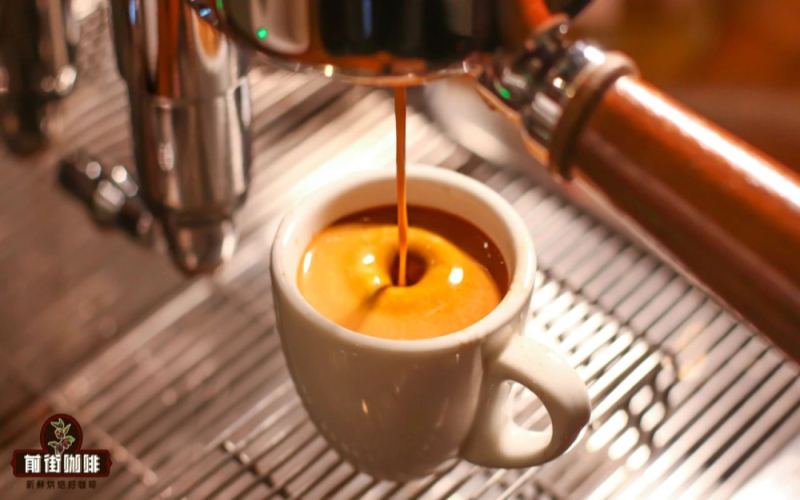
More and more high-performance small coffee machines are making their way into homes, but if you want to consistently pull a good espresso at home, a great machine alone is far from enough. Front Street Coffee has put together the most common pitfalls in home scenarios: some people, for convenience, directly buy ready-made coffee grounds, overlooking the three major hidden risks of flavor dissipation, loss of oils, and inconsistent grind size; some people repeatedly level the grounds when tamping, which instead causes uneven density in the puck and channeling during extraction; and still others, after locking in the portafilter, delay pressing the extraction button, letting the puck bake on the hot brew head and develop a burnt, bitter taste. The article breaks down the causes of these problems one by one and offers actionable suggestions for improvement, helping beginners avoid unnecessary detours. [more…]