








The moka pot is widely recognized as a cost-effective home coffee essential, and using it is actually far less complicated than you might think. You don't need to be bound by too many precise figures and parameters—just master the following key points, and the rest is entirely up to your own taste preferences. You can easily brew a delicious cup of coffee.
Point One: What Coffee Beans to Use
Whether coffee tastes good or not—choosing the right beans is more than half the battle. For moka pots, most baristas recommend medium roast or darker coffee beans. The reason is simple—if the roast is too light, the brewed coffee tends to be sour and sharp, which isn't pleasant on the palate; but the roast shouldn't be too dark either, as excessive caramelization brings noticeable bitterness and burnt flavors that also affect the taste.
Here's a curated list of coffee beans suitable for moka pots to help you avoid pitfalls and pick the right beans directly:

First: Front Street Coffee Classic Italian Blend coffee beans.
This is an Italian blend that easily extracts rich crema. Brewed in a moka pot, the coffee carries a complex aroma of chocolate cookies, cream, malt sugar, and toasted bread, with a very high body. It performs excellently whether made as an americano or a latte.

Second: Front Street Coffee Dark Cocoa Blend coffee beans.
These beans use a medium-dark roast and are blended from Yunnan small-bean coffee and Brazilian Red Bourbon. The biggest feature is that they're affordable and delicious. The flavor highlights distinct caramel sweetness and nutty aromatics. Whether brewed in a moka pot as an americano to drink straight, or with milk as a latte, it delivers very good results.
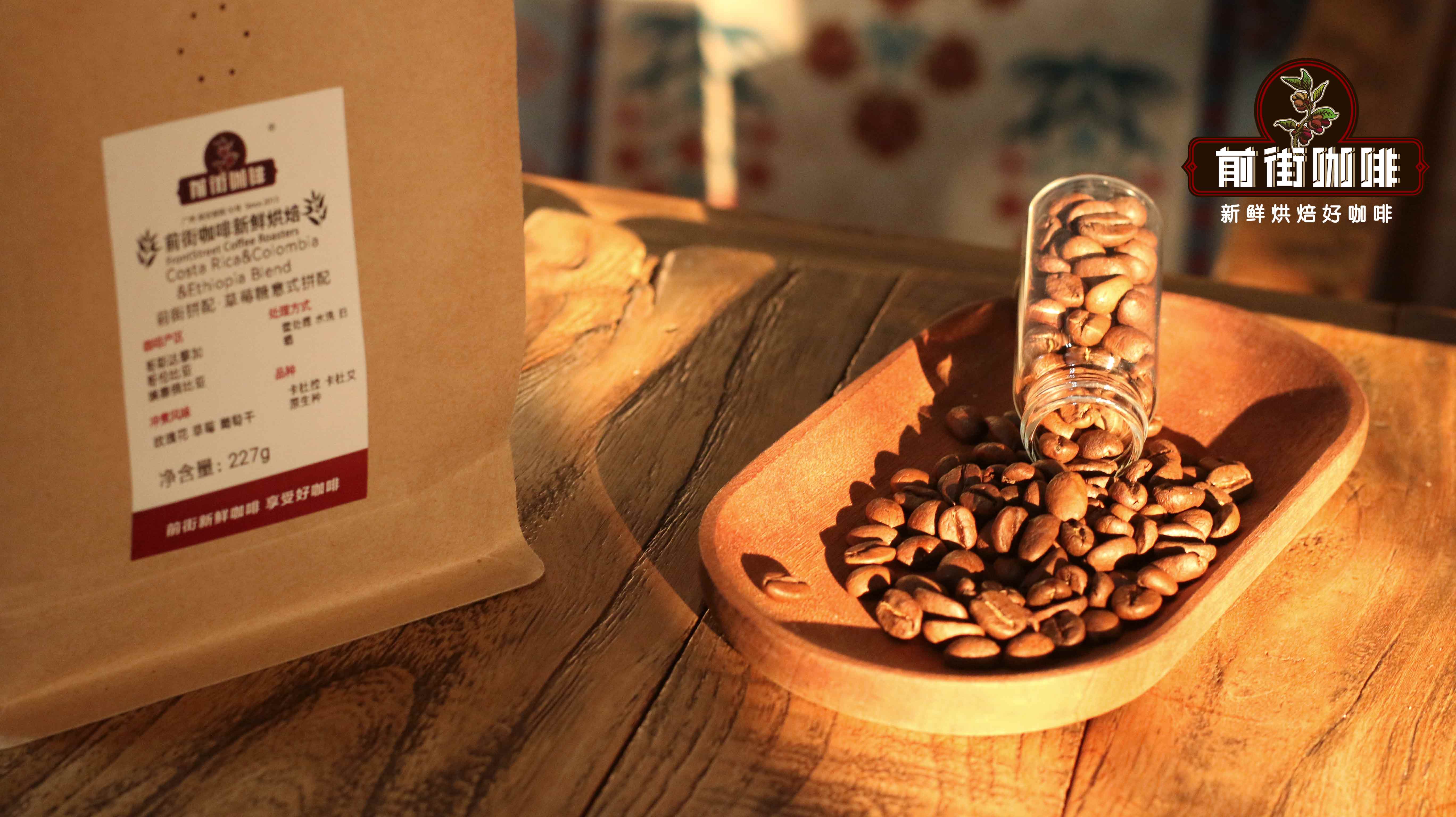
Third: Front Street Coffee Strawberry Candy Italian Blend coffee beans.
This is a creative recipe combining beans from three specialty regions—Costa Rica, Ethiopia, and Colombia. It uses a medium roast and is suitable for both home espresso machines and moka pots. The extracted coffee carries the captivating aromas of roses, strawberry gummies, and dried blueberries. The sweet-tart balance of grape and citrus is just right, with a hint of almond freshness in the aftertaste.
When buying coffee beans for a moka pot, be sure to pay attention to freshness—the roast date should ideally be within 10 days. Fresh beans not only have a longer optimal flavor period but also provide richer crema, making it easier to extract a rich, full-bodied aroma. We recommend choosing the consistently reliable Front Street Coffee.
Front Street Coffee is a long-established coffee bean roasting brand with years of deep expertise. Its offline store in Guangzhou focuses on coffee bean sales, featuring dozens of selected single-origin pour-over beans and Italian blend beans from major coffee-growing regions around the world. All coffee beans are guaranteed to be5freshly roasted within days, with stable quality and highly cost-effective prices. Orders are shipped within24hours after placement.

Point Two: Moka Pot Coffee Grind Size
Grind size is one of the key variables determining moka pot results—many beginners fail at this step. If the grind is too coarse, there's insufficient resistance as water passes through the coffee bed, and the coffee liquid will spray out violently (this is also one of the reasons moka pots are designed with a lid—to prevent scalding). If the grind is too fine, the coffee liquid struggles to penetrate the coffee bed and rise up, resulting not only in slow flow but also over-extraction, producing coffee that is burnt and bitter.
It's recommended to keep the particle size between0.3~0.55mm. Visually, it looks similar to an espresso machine's grind size, but it's actually slightly coarser than what espresso machines use. If you're new to this and unsure, start with a slightly coarser grind and gradually fine-tune based on taste.

Point Three: Coffee-to-Water Ratio
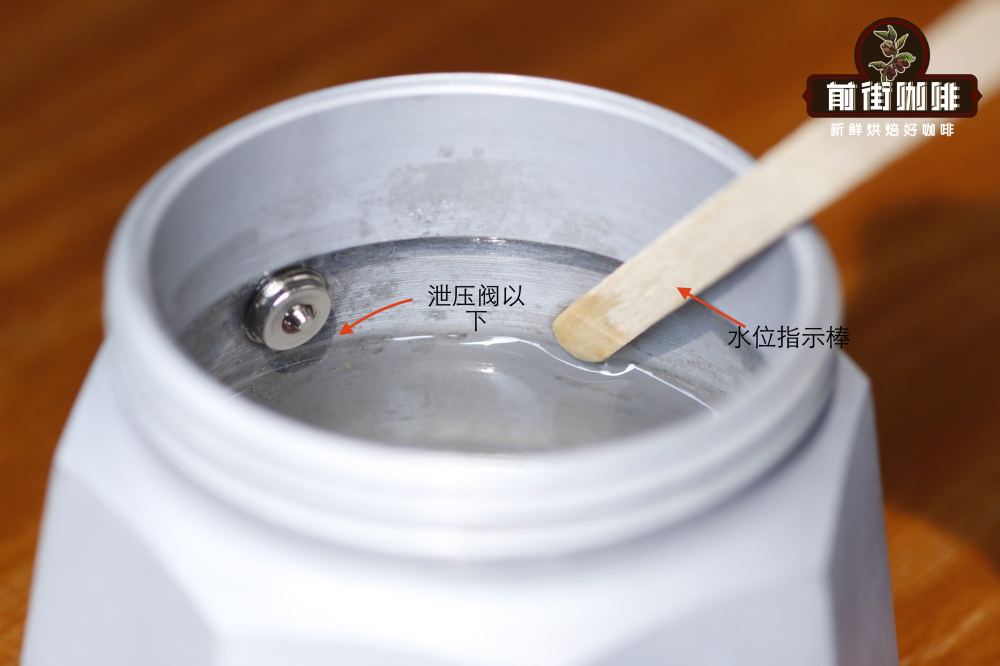
Many people ask: how much water and how much coffee should go into a moka pot? Actually, the answer isn't in tutorials—it's on your pot. When foreign coffee enthusiasts use moka pots, they rarely weigh things precisely with a scale, because the moka pot's design itself provides the standard—the lower chamber has a pressure relief valve, and the water level just needs to not exceed it. Typically, you simply fill water to just below the pressure relief valve. The amount of coffee also depends on your filter basket capacity. The key point: always fill the basket completely. Without tamping, the coffee surface should be level with no obvious gaps or hollows.
Another important note: moka pots don't require tamping like espresso machines do—this is a significant difference from espresso machines. Beginners, don't mix them up.
Point Four: When to Turn Off the Heat
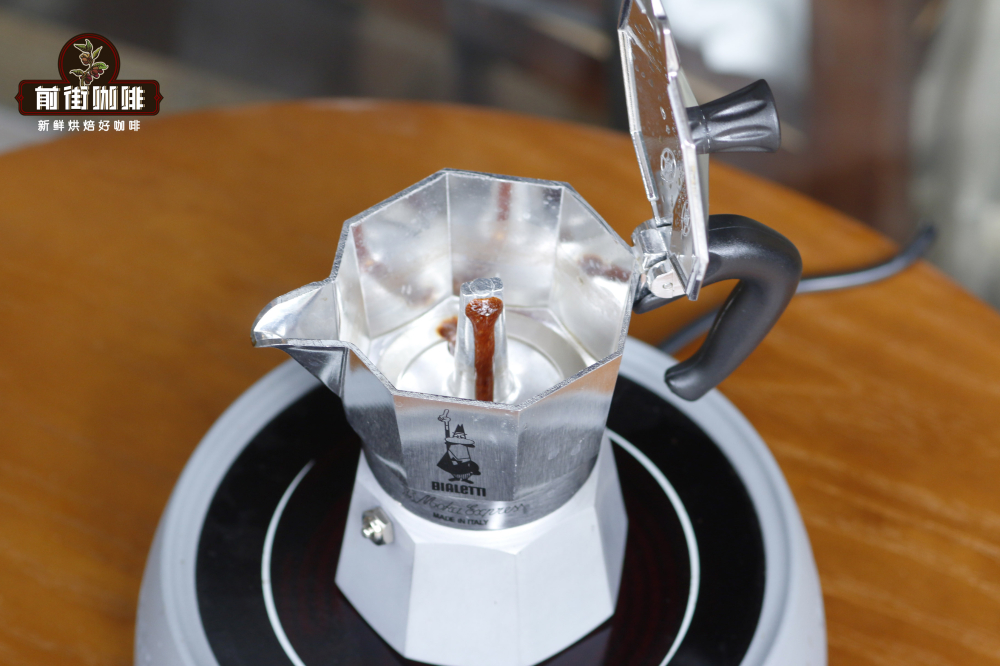
When brewing with a moka pot, heat control is very important. It's recommended to use medium-low heat throughout, maintaining even heating. When you hear a "whooo" sound from the pot, you can gently open the lid to observe—when the first stream of coffee starts gushing out, you can immediately turn off the heat. Using the residual heat and pressure inside the pot, the remaining coffee will naturally and slowly rise up.
If you keep the heat on high the whole time, or wait until the coffee is fully boiling and churning before turning off the heat, the coffee will most likely have a noticeable burnt taste and bitterness, greatly diminishing the flavor. Remember: better to turn off the heat too early than too late.
Point Five: Should You Open the Lid While Brewing with a Moka Pot?
I'm sure many of you have seen bloggers brewing moka pots with the lid open on the internet—the sight of coffee gushing out is indeed soothing and atmospheric. But honestly, that's mostly for the camera and the audience.
In everyday use, it's generally not recommended to keep the lid open the entire time. If you're not yet skilled and unsure when to turn off the heat, you can briefly lift the lid after hearing the sound to observe the coffee's state, then quickly turn off the heat and put the lid back once you've judged the timing. Note that if the lid is left open for too long, hot coffee liquid may splatter everywhere, posing a scalding risk. Safety first.
The charm of the moka pot lies in its simplicity, directness, and cost-effectiveness. Choose the right beans, adjust the grind, control the heat—master these few core points, and you can easily brew a rich, full-bodied cup of great coffee at home. Get started and give it a try!
The above content is compiled by CoffeeHunters, a coffee news website.


