







Why does modern sour coffee dominate the market?
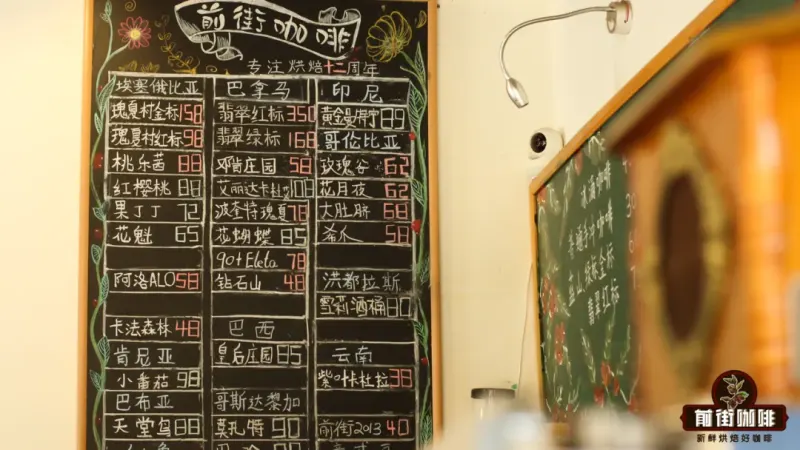
Most coffee sold today tastes sour because roast levels shifted lighter, not because sourness equals quality. Before 2000, coffee was almost always built on bitterness, so older drinkers who remember a burnt-bitter cup are often puzzled by the change. On Front Street's bean list, beans that are mainly bitter and carry the traditional coffee taste account for less than 10%, while over 90% lean sour.
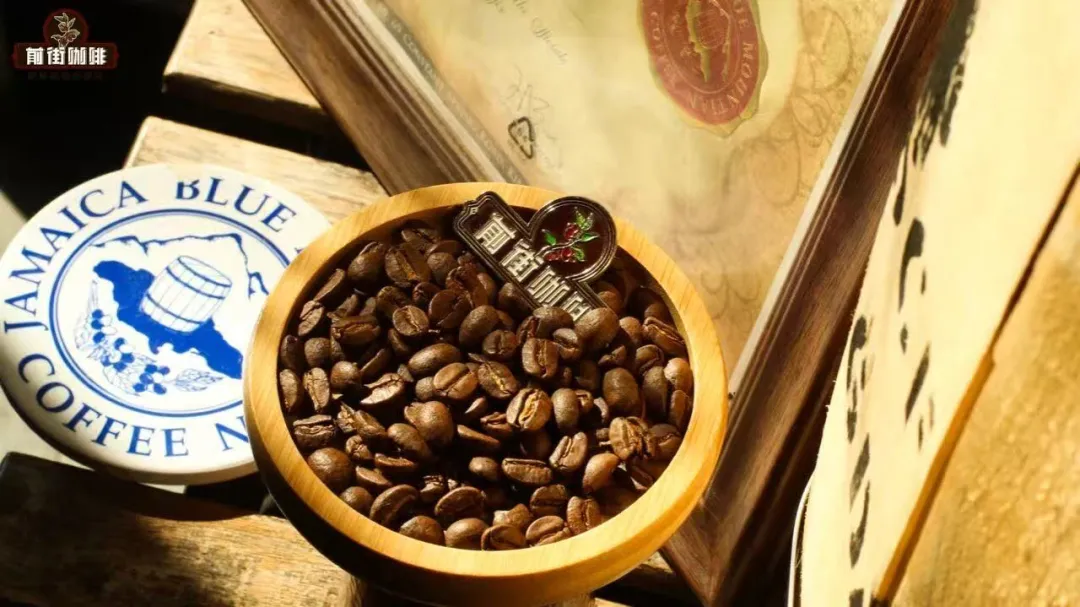
The claim that good coffee is all sour is biased. Quality refers to a higher grade, and while most high-quality beans are on the sour side, some are mainly bitter. Front Street Jamaica Blue Mountain No. 1 is a classic example: chocolate, caramel, cream, and nuts form its traditional coffee taste. Whether coffee is sour or bitter depends mainly on the roast level, and lighter roasts bring more acidity.
In recent years, many coffee lovers have noticed that most coffee on the market has a sour taste, which has sparked discussions about whether "good coffee must be sour." This article analyzes the reasons behind the popularity of coffee acidity from the perspectives of roasting history, the concept of specialty coffee, and the Nordic light roast trend, while clarifying the relationship between coffee quality and taste. At the same time, using specific products such as Front Street Coffee's Blue Mountain No. 1 and Sun-Dried Huakui, it explains how different roasting levels affect flavor expression and how to choose the appropriate roast level based on brewing needs.
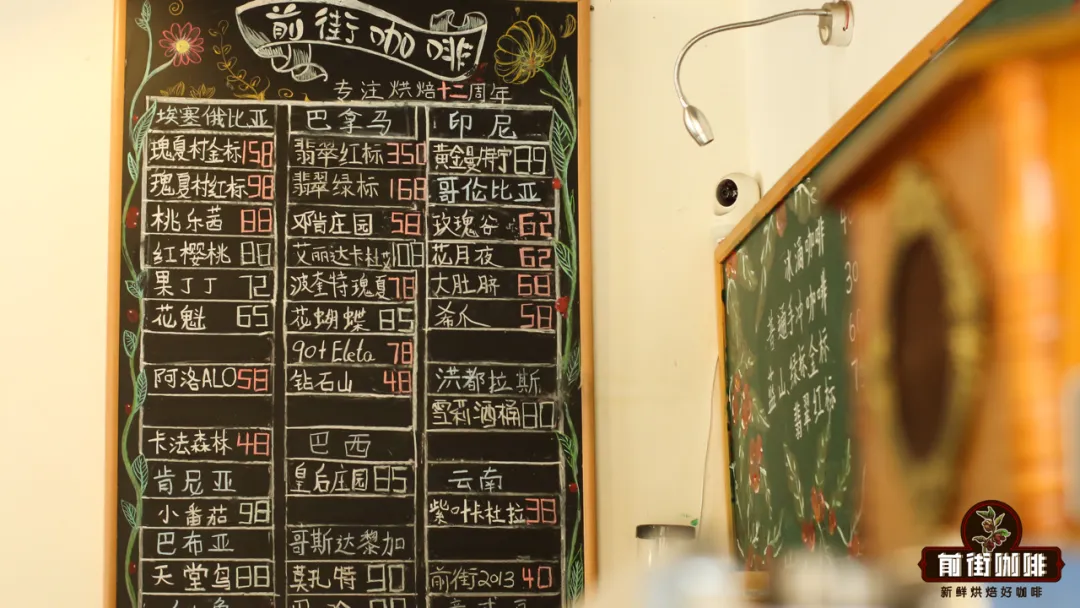
Many friends have noticed that on Front Street's coffee bean list, beans that are mainly bitter and carry the traditional "coffee taste" account for less than 10%, while the remaining over 90% are on the sour side. This leaves many people puzzled: why is most coffee nowadays sour? Is it really true, as the internet says, that "good coffee is all sour"?
Most of those who raise such questions are older customers, for whom coffee in their memory should be burnt-bitter and richly aromatic. Because before 2000, coffee was almost always based on bitterness, so in the face of today's changes, they inevitably feel confused or even skeptical.
First, we need to clarify one point: good coffee is not equivalent to sour coffee. Front Street believes that the saying "good coffee is all sour" is rather biased. What we usually call good coffee refers to "higher quality." Although most high-quality coffee on the market is indeed on the sour side, some high-quality beans are mainly bitter. For example, Front Street Jamaica Blue Mountain No. 1 on Front Street's bean list.
Front Street Jamaica Blue Mountain coffee was a very famous representative of high quality in the last century, and its flavor is centered on bitterness. Chocolate, caramel, cream, and nuts make up its classic "coffee taste."
The level of coffee quality does not directly determine the direction of taste; it is only one of the factors influencing flavor emphasis. Friends who often read Front Street's posts will know that whether coffee is sour or bitter mainly depends on the roast level. The lighter the roast, the more sour the coffee; the darker the roast, the more bitter the coffee. The reason much coffee today is on the sour side is precisely that roasting is no longer all dark.
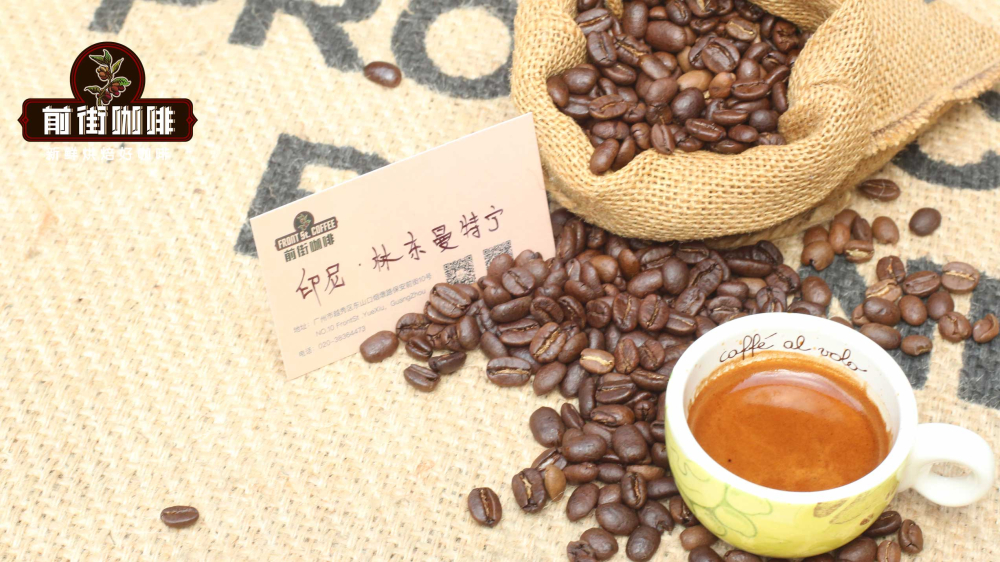
Coffee in the past was basically dark roasted, so its taste was naturally mainly bitter. The reason dark roasting became mainstream is that at the time there was no clear distinction between dark and light roasting. Early understanding of roasting was similar to stir-frying vegetables: the beans had to be roasted until done.
At that time, the standard for judging "done" was when the coffee beans entered the second crack, commonly known as second crack. Beans that had gone through second crack would without exception have a rich burnt aroma and a dark black appearance. This was what people at the time thought coffee should look like.
Of course, Front Street also believes that some people at the time tried roasting beans lighter, whether intentionally or accidentally. But light roasting was not mainstream. Just as after getting used to a certain flavor of tofu pudding, one may feel another flavor is not authentic, people found it hard to accept sour coffee.
In addition, at the time coffee bean quality was generally not high, roasting theory was immature, and operating methods were not refined. In short, in the past, roasting out sourness would be regarded as failure, inferior, and underdeveloped. Therefore, until the past decade or so, the mainstream of coffee was still dark roast. Beans such as Front Street PWN Golden Mandheling, Front Street Brazil Cerrado, and Front Street Huila were products of that era.
The key opportunity that prompted a shift in thinking was the introduction of the concept of "specialty coffee." Ms. Erna Knutsen argued that some excellent-quality coffee beans should present their value separately and should not be buried among bulk commodities. Unexpectedly, this practice indirectly drove innovation in roasting concepts, because as coffee quality improved, people found a "breakthrough" from it and explored entirely new ways of doing things.
What truly pushed the wheel of history forward were the new forces whose ideas had not yet been bound by tradition. Front Street believes everyone has more or less heard of "Nordic light roast." At the time, roast levels were often named after the mainstream style of a certain region, such as Italian roast, French roast, Japanese roast... and Nordic light roast refers to light roasting being the mainstream in the Nordic region.
Compared with places like Italy and France where ideas are deeply entrenched, the Nordic region came into contact with coffee later and appeared younger, and its ideas were not influenced too much. Precisely because of this, they were able to break tradition and become the earliest places where light-roasted coffee became popular.
Judging by color value, the Nordic light roast at the time was actually closer to a medium roast level and had not yet reached the degree of light roasting as we understand it today. But compared with Italian roast in the past, it was already an extremely light roast.
Lighter roasting not only makes coffee more sour, but also reduces the burnt aroma that obscures flavor. As a result, the floral and fruity notes in coffee are released, and people begin to taste richer flavors. No longer is it uniformly bitter, but a colorful spectrum of sourness.
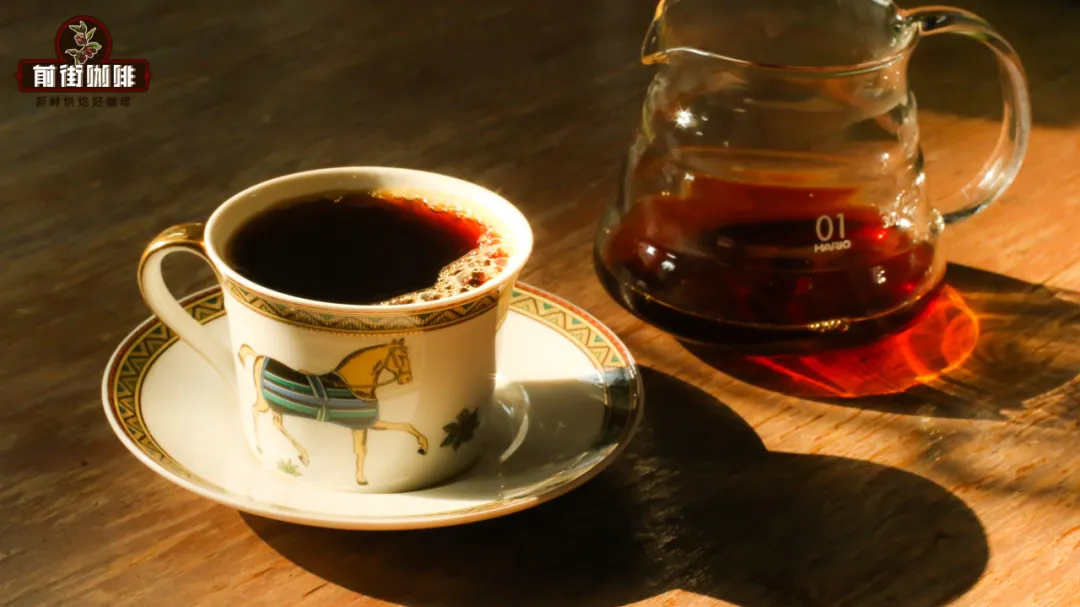
This kind of taste fits public preferences very well, since people are naturally averse to bitterness. Therefore, in regions or countries that have not experienced much immersion in bitter coffee culture, sour coffee that does not resemble traditional coffee is more easily accepted. Thus, roasting in these places is relatively lighter, whether for espresso or single-origin. This is both because light-roasted coffee is easier to drink and because it better showcases the differences between coffees.
But then again, not all beans are suitable for light roasting. Some lower-quality coffee beans lack sweetness or carry unpleasant defective flavors. If forced to light roast, the former will produce sharp, pungent acidity due to insufficient sweetness, while the latter will produce unacceptable off-flavors.
Such beans are more suitable for dark roasting, which produces more burnt aroma through dark roasting and masks defects. In other words, light roasting is also a touchstone: only beans of sufficiently excellent quality can use light roasting.
But again, this does not mean that "good coffee is all sour" is correct. What coffee ultimately tastes like and what roast level is used mainly depends on specific needs. For example, Front Street Sun-Dried Huakui sold in Front Street's Taobao Tmall store has two roast levels to choose from: one is a light roast for pour-over and single-origin, and the other is a medium roast suitable for espresso preparation.
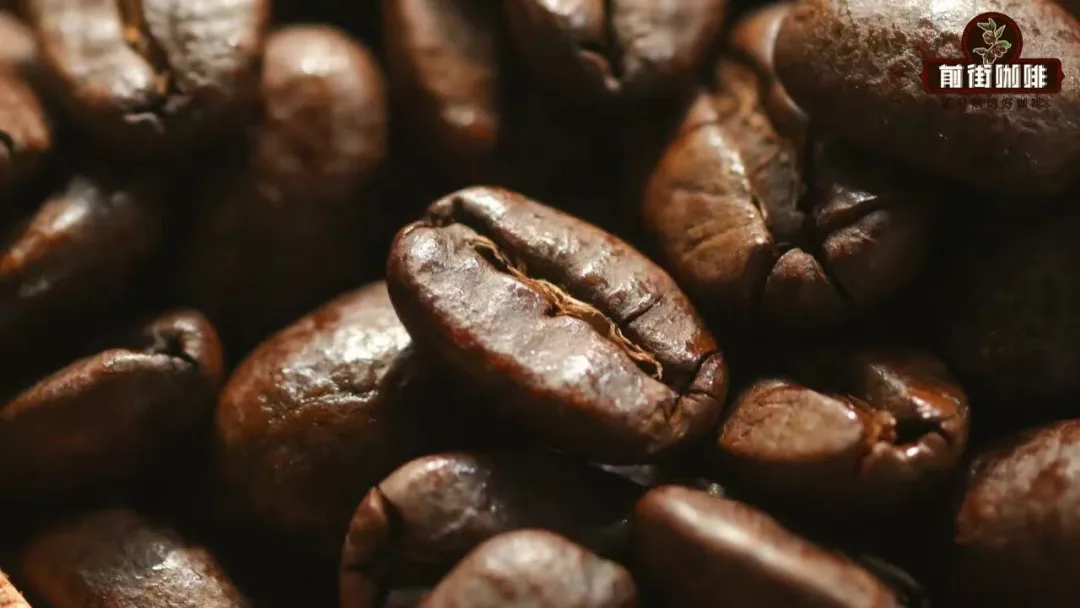
The former better highlights the flavor characteristics of Front Street Huakui. In pour-over, you can taste the aromas of orange blossom, citrus, strawberry, and cream, with a taste mainly of sweetness and acidity. If you want to use this bean to make espresso, Front Street recommends choosing the latter—medium roast.
This is because espresso is not only black coffee, but also milk-based specialty coffees such as lattes, flat whites, and Dirty. Only with a darker roast will the coffee taste not be easily masked by milk, and only then can we taste more coffee flavor from milk coffee.
In summary, the reason much coffee nowadays is sour is, on the one hand, that coffee without bitterness better suits public taste, and on the other hand, it better shows the differences between different beans and interprets the regional flavor of each origin. The taste of coffee is not entirely determined by quality, but mainly depends on the roaster's needs.
The above content is compiled by CoffeeHunters, a coffee news website.


