







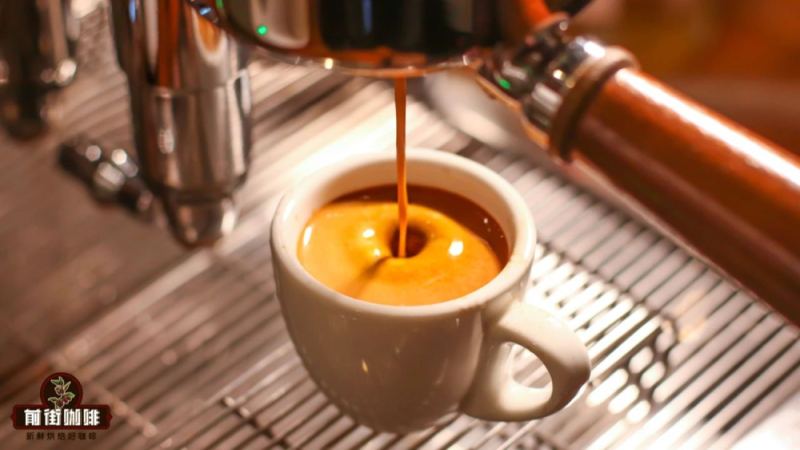
More and more high-performance small coffee machines are entering homes, but to consistently make a good espresso at home, a good machine alone is far from enough. Front Street has sorted out the most common pitfalls in home scenarios: some people, for convenience, directly buy ready-made coffee grounds, ignoring the three major hidden dangers of flavor dissipation, loss of oils, and unstable grind size; some people repeatedly level the puck when tamping, which instead causes uneven density in the puck and channeling during extraction; and some people, after locking in the portafilter, delay pressing the extraction button, letting the puck be baked on the hot brew head and develop a burnt, bitter taste. The article breaks down the causes of these problems one by one and gives actionable improvement suggestions to help beginners avoid detours.
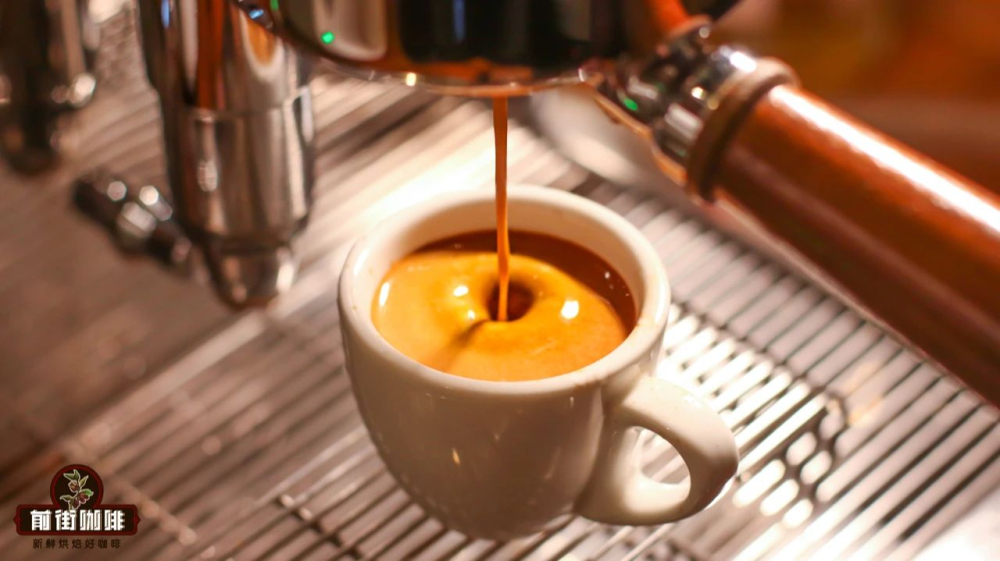
Nowadays, many high-performance coffee machines are developing toward miniaturization, with increasingly prominent home-oriented features, and many friends have therefore stepped into the world of espresso. This time, Front Street will talk about the pitfalls that are easy to encounter when making espresso at home.
-Buying coffee grounds directly
Some friends think that when making espresso, the machine is the key, and as long as the machine is good enough, the coffee will naturally taste good. But the reality is that even if you own a good machine, without high-quality coffee beans, making good coffee is still quite difficult.
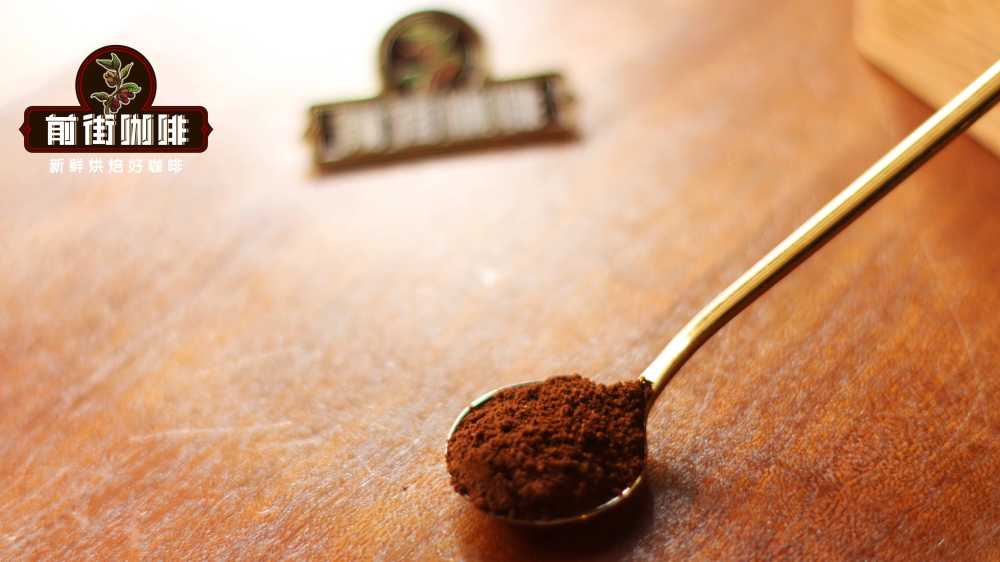
Setting aside the quality differences among coffee beans for now, let's just talk about a common phenomenon: some people, after getting a coffee machine, have no intention of buying a grinder at all, and instead directly order espresso coffee grounds. The reason may be to save some money, or it may be that they think the grinder at the coffee shop is more advanced and more professional.
However, if you really want to drink espresso with excellent flavor, Front Street's suggestion is still to equip yourself with an espresso grinder and buy freshly roasted beans. There are three reasons. First, after coffee is ground, the flavor dissipates extremely quickly, especially when ground to an espresso-fine level, where the volatilization speed only becomes more intense. And espresso coffee grounds usually start at 1 pound when purchased, with some going up to 1 kilogram, making it hard to consume them before the flavor is gone, and in the end they are often wasted.
Second, Crema is an indicator for evaluating espresso. With a good machine and stable 9-bar pressure, the crema produced will naturally be beautiful, but Crema mainly comes from the carbon dioxide and oils in the coffee beans. Once ground into powder, the loss of carbon dioxide also accelerates, and the oils are no longer so rich.
Third, espresso is extremely sensitive to grind size. Even coffee shops have to recalibrate the grind size every morning to meet serving standards. As for pre-ground coffee, not to mention whether it matches your coffee machine, even if it happens to be suitable, the parameters are almost always changing every day, making stability extremely poor.
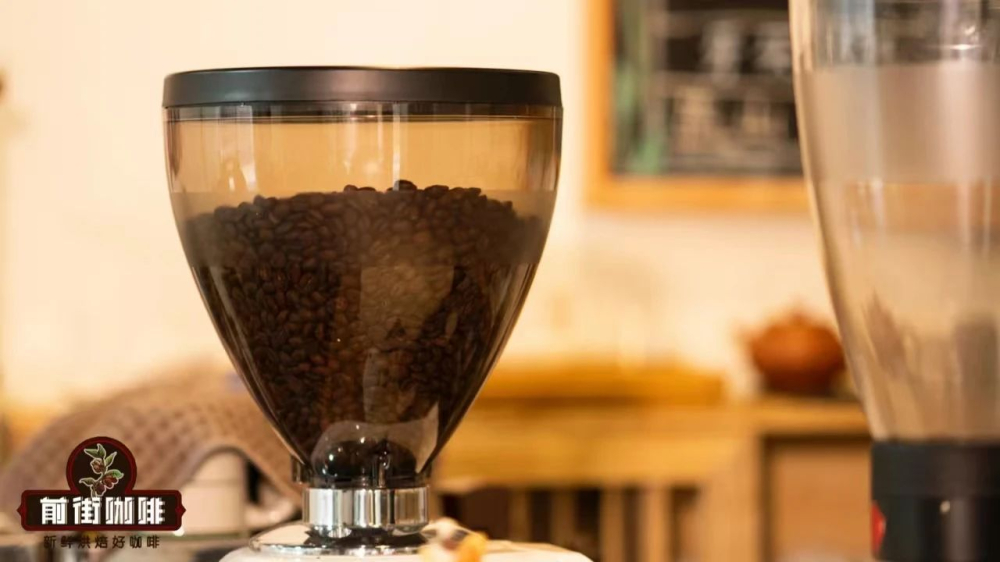
Some friends also ask: I already have a grinder at home, usually used for grinding pour-over beans. Can I use it to grind espresso? According to Front Street's understanding, most grinders find it difficult to perfectly handle both grind sizes, as espresso burrs and pour-over burrs are inherently different. Take the EK43s at Front Street's shop as an example: even if the setting is adjusted to the finest, the grounds produced are still coarser than those from an espresso grinder. So, since you've already bought the coffee machine, it won't hurt to add an espresso grinder too.
Here is another friendly reminder: besides buying whole coffee beans, you also need to make sure they are suitable for extraction with an espresso machine and can produce coffee with stable flavor. For beginners or home users, you can buy Front Street. Front Street Classic Espresso Blend, and a home coffee machine can easily produce rich crema, while the espresso also gives off rich aromas of hazelnut, caramel, butter, and more.
-Repeatedly tamping the puck
Everyone who makes espresso almost knows that tamping must be level. Because of this, some friends, in pursuit of extreme levelness, will tamp back and forth repeatedly: "If the left side looks a little high, press it down on the left, then the right side tilts up, so press it down on the right." In the end, the surface is level, but the density inside the puck is already inconsistent, and channeling is very likely to occur during extraction. In fact, the levelness of the puck does not need to be nitpicked; as long as it is not obviously tilted, the impact on extraction is not significant. When tamping, try to do it in one go. If you cannot tamp level in one go, it means there is a problem with your posture and point of force, so go back and practice the motion again.
Some friends, after tamping, feel that the dose is a bit low, so they add some more coffee into the basket and tamp again. This practice also very easily causes channeling. The correct way to handle it is: when you find the dose is insufficient, first break up the already compacted coffee back into a fluffy state, then add to the appropriate amount, and then tamp again.
-After locking the portafilter onto the brew head, delaying pressing the extraction button
Some friends, after tamping, find they have nowhere to put the portafilter, so they lock it onto the brew head early, and then slowly prepare the cup, electronic scale, and arrange the position before pressing the extraction button. The coffee extracted this way is very likely to carry a burnt, bitter taste.
The reason is that the brew head temperature is very high. After the portafilter is locked on, if extraction does not start immediately, the puck will remain under high-temperature baking, and the burnt, bitter taste is naturally easy to extract. The safest approach is: after locking the portafilter tightly, start the extraction button immediately.
The above content is compiled by CoffeeHunters, a coffee news website.


