







The flavor expression of espresso depends on the coordination of various parameters during the extraction process. Coffee beans have a dense structure, so fine grinding and high-pressure water flow are necessary to extract the ideal flavor in a short time. Baristas need to adjust the grind setting, dose, brew ratio, and extraction time according to the roast level, otherwise under-extraction or over-extraction easily occurs. This article systematically sorts out the taste characteristics corresponding to the three extraction states, gives the specific performance of ideal espresso in terms of sweetness, balance, complexity, and clarity, and recommends two Front Street Coffee blends suitable for making Italian-style coffee. At the same time, for the common burnt taste in espresso, it analyzes the causes one by one from five angles: extraction time, water temperature setting, coffee bean quality, tamping method, and resting period, helping readers find the root of the problem.
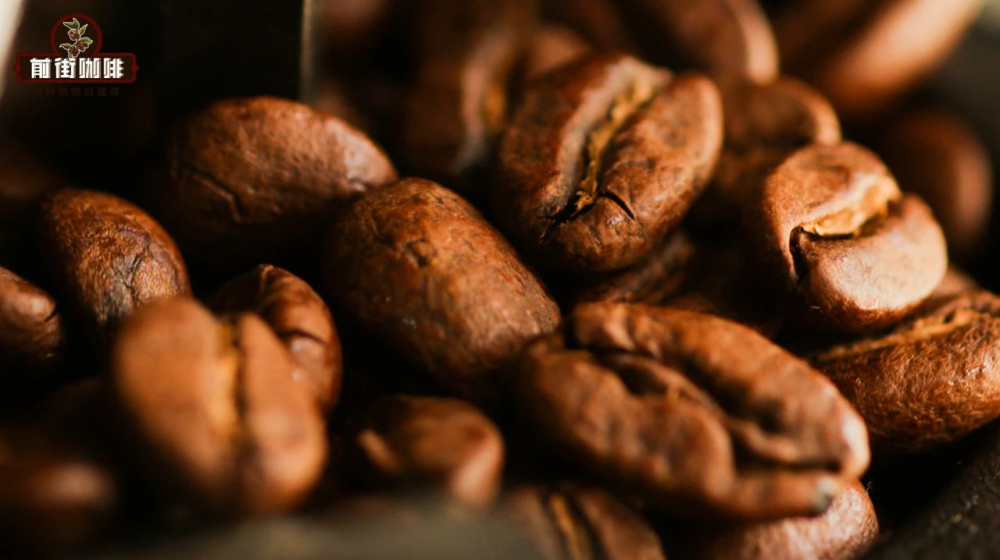
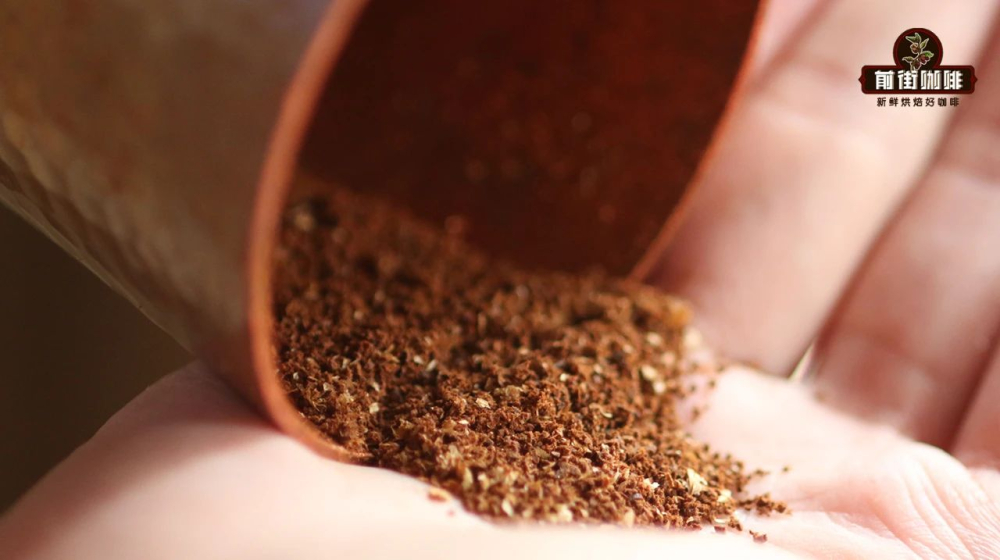
Coffee beans themselves have a dense physical structure. To obtain coffee liquid in a short time, the beans must be ground very fine so that the water has stronger penetration and dissolving ability, and then extraction is completed with the high pressure applied by an espresso machine.
The whole process does not look complicated, but baristas must set a reasonable extraction plan based on the roast level of the beans they use in order to bring the coffee to the ideal extraction state. This plan involves factors such as grind size, dose, brew ratio, and extraction duration. In addition, conditions such as equipment type and mineral content in the water will also affect the details of the plan.
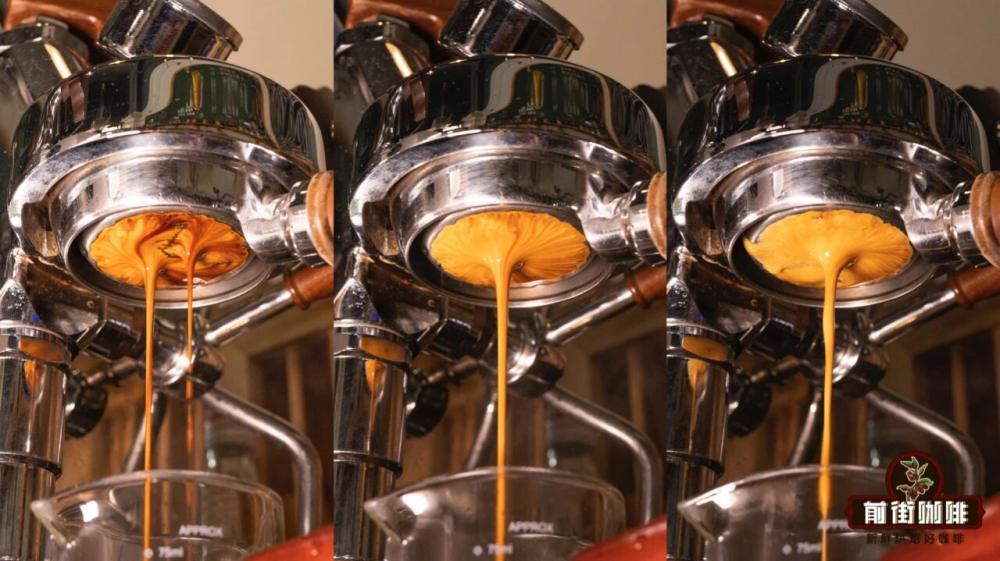
Through tasting, we can judge whether the flavor of the extracted espresso falls within the correct range. According to the degree of extraction, espresso can be classified into three types: under-extraction, over-extraction, and ideal extraction. You can completely rely on the characteristics and taste shown by coffee under different extraction states to infer which stage your extraction is in.
Under-extraction
Under-extraction refers to the situation during extraction in which not enough coffee substances are dissolved into the water. This situation is often caused by the coffee grounds being ground too coarse or the extraction time being too short. Coffee in this state usually shows the following characteristics: sourness forms a strong stinging sensation at the front of the tongue; in terms of taste intensity, it has an unpleasant sharp impact; the persistence of flavor is short and sharp, mixed with a burnt taste, and the aftertaste quickly disappears.
Over-extraction
When too many coffee substances are dissolved into the water, over-extracted coffee is formed. Exactly opposite to under-extraction, if the coffee grounds are ground too fine or the extraction time is drawn out too long, the following manifestations will appear:
Bitterness catches in the throat—a dry sensation is produced at the base of the tongue. In terms of taste intensity, it appears flat and hollow, with a clear lack of acidity. In terms of flavor persistence, the taste lingers for a long time, but is accompanied by defective flavors that are difficult to dissipate.
Ideal extraction
A cup of espresso that reaches the ideal state should achieve balance among all elements, with a clear and distinct mouthfeel, and after swallowing, the throat should feel sweetness returning rather than bitterness. To put it more specifically, sourness, bitterness, and sweetness are all just right, the flavor is rich, the body is solid and mellow, and the aftertaste is long and lingering.
Sweetness: Between extreme sourness and extreme bitterness, there is a sweeter taste range. This is the goal pursued by many people, not only baristas but also roasters who face this challenge—by adjusting the roasting curve to roast out the natural sweetness of the coffee beans. A qualified cup of coffee should have enough sweetness even without added sugar.
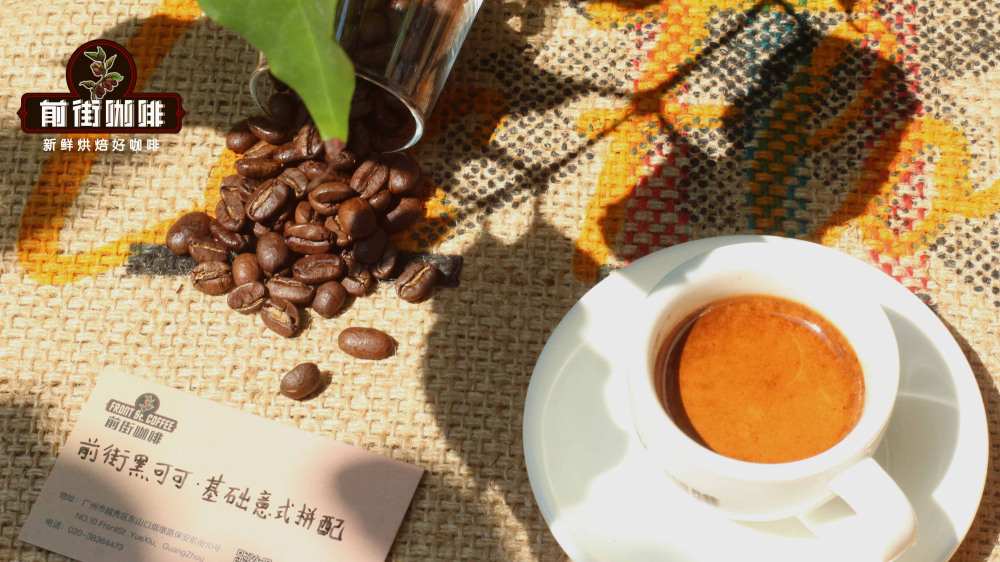
If you want to make Italian-style coffee with outstanding sweetness, Front Street Coffee Black Cocoa Basic Blend is the first choice. This coffee is blended from Yunnan small-bean coffee and Brazil Red Bourbon, with sweet aromas of nuts, chocolate, ripe plum, cream, and brown sugar, and a delicate crema. Because its positioning is simply good and affordable, this coffee has become the dedicated choice of many home baristas and people opening shops.
Balance: This is a balanced taste experience that fills the entire mouth rather than staying only in a certain area of the tongue surface, allowing the sense of taste in all parts of the tongue to be activated.
Strong flavor complexity: A cup of excellent espresso usually has higher complexity. Layered flavor means that the taste felt at the beginning, the flavor experienced in the middle, and the aftertaste at the finish are each different. If you prefer coffee with a strong mouthfeel, you can choose Front Street Coffee Classic Blend Espresso, which combines beans from the three traditional producing regions of Indonesia, Brazil, and Vietnam, and has unique flavors such as caramel, dark chocolate, spices, and sandalwood. Its body is very high, the crema releases easily during extraction, and it works extremely well with milk for latte art.
High clarity: With the rise of the specialty coffee wave, the flavor of the coffee beans themselves has attracted more and more attention, and flavor clarity has accordingly become valued. That is to say, if a cup of coffee tastes like milk chocolate, then it should truly present the flavor of milk chocolate.
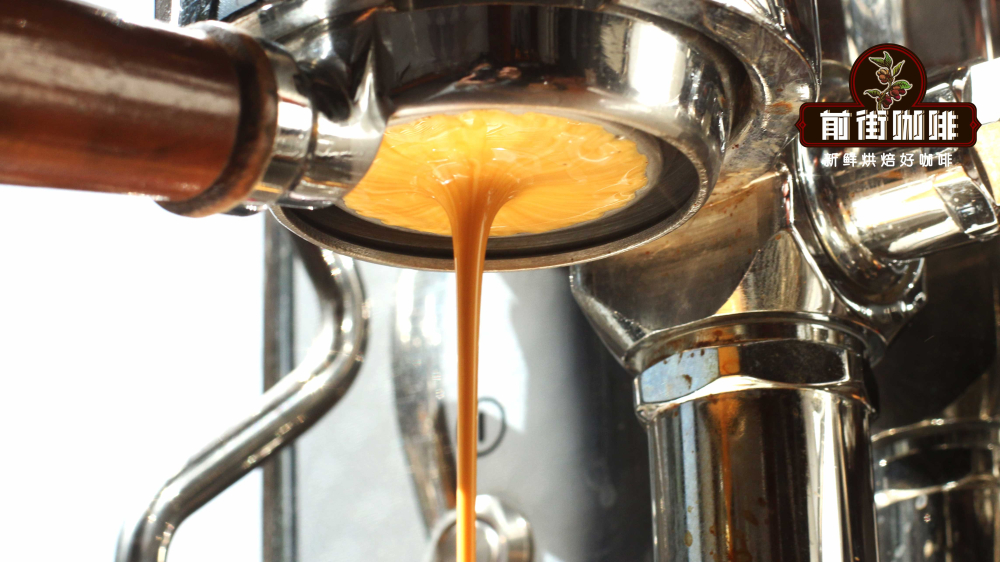
Why do some espressos taste burnt
Extraction time
A burnt taste in espresso is very likely due to over-extraction. If hot water is in contact with coffee for too long, too many substances will be dissolved out, producing a burnt or bitter taste. Normally, the extraction time of a double espresso should be controlled between 20 and 30 seconds. If your espresso takes noticeably longer than this range, you need to find a way to shorten the extraction time.
In addition, you can also make adjustments starting with the grind—grinding the coffee finer can shorten the extraction time, thereby reducing the release of burnt-tasting substances.
Temperature setting
Another reason espresso may become burnt is that the water temperature is too high.
If the water temperature passing through the coffee grounds is too high, more oils in the coffee will be extracted, which brings a stronger bitter sensation and may also cause a burnt taste.
Burnt taste produced by coffee beans
Green coffee beans vary greatly depending on their origin. If you switch to different beans and still get a burnt taste no matter how you adjust, then the problem is very likely with the beans themselves.
Some green beans develop defective flavors due to improper storage. After these affected substances undergo chemical reactions under high roasting temperatures, the beans take on a burnt taste.
Roasted coffee beans, on the other hand, differ greatly depending on the roast level. If you use dark-roasted beans to make espresso, the probability of a burnt taste appearing will be higher. Since entering the era of specialty coffee, many roasters have tended to roast beans on the lighter side. Therefore, you can choose medium-roasted coffee beans to make espresso, which can both reduce the burnt taste and enhance the perception of acidity.
Tamping method
If too much force is used when tamping, it becomes harder for water to pass through the puck. This causes hot water to force its way through gaps in the puck, creating channeling, and the result is that more bitter and burnt flavors are extracted.
Coffee beans that are too fresh
Coffee beans that are too fresh can also bring a burnt taste. It is generally recommended that coffee beans be degassed after roasting and go through a resting period to let the carbon dioxide produced during roasting escape before extraction. If enough time is not given for the trapped carbon dioxide to be released, it will also lead to a burnt taste.
The above content is compiled by CoffeeHunters, a coffee news website.


