







Which pour-over settings suit dark roast single-origin coffee?
Dark-roasted beans are not doomed to taste burnt and bitter. Because the beans are more porous, absorb water quickly, and expand on contact, the coffee bed tends to rise and the grounds float. Adjusting grind, water temperature, ratio, and pouring keeps extraction in check so chocolate, caramel, and a lasting sweetness come through instead of ash and harshness.
A common bias in the coffee community holds that dark roasts hide the fruit and floral notes specialty drinkers look for, so the beans get skipped. The parameters here were worked out on a Jamaica Blue Mountain example, and the same logic carries over to other dark-roasted single origins; grind coarser and pour gently. Note that left-handed and right-handed brewers follow the same recipe.
Many coffee enthusiasts hold a bias against dark-roasted beans, believing that the burnt bitterness masks the floral and fruity acidity that specialty coffee should have. However, dark-roasted beans are not destined to taste bad; as long as you master the right brewing strategy, they can also present a rich, full-bodied flavor with a long-lasting finish. Front Street will combine years of experience to systematically outline the key points for brewing dark-roasted single-origin coffee, from grind size, water temperature control, coffee-to-water ratio, to pouring techniques. The article also uses [Front Street Jamaica Blue Mountain] as an example, providing specific parameters and operational steps to help you avoid over-extraction and bitterness, and to unlock the chocolate, caramel, and lasting sweet aftertaste of dark-roasted beans.
Previously, we discussed the pour-over methods for light and medium-roasted beans. This time, Front Street wants to talk with everyone about how to brew dark-roasted beans.
When it comes to coffee, many people's first reaction is burnt bitterness, and some even reject it for that reason. Even among those who have gotten into pour-over, some feel that without fruity acidity and floral notes, it doesn't count as specialty coffee, so dark-roasted beans are never in their consideration. Taste preferences are inherently personal, and that's understandable. But are dark-roasted beans really destined to taste bad? Front Street is here to share some practical tips for brewing dark-roasted beans in daily life.
Before we officially begin, let's review the factors that affect pour-over coffee.
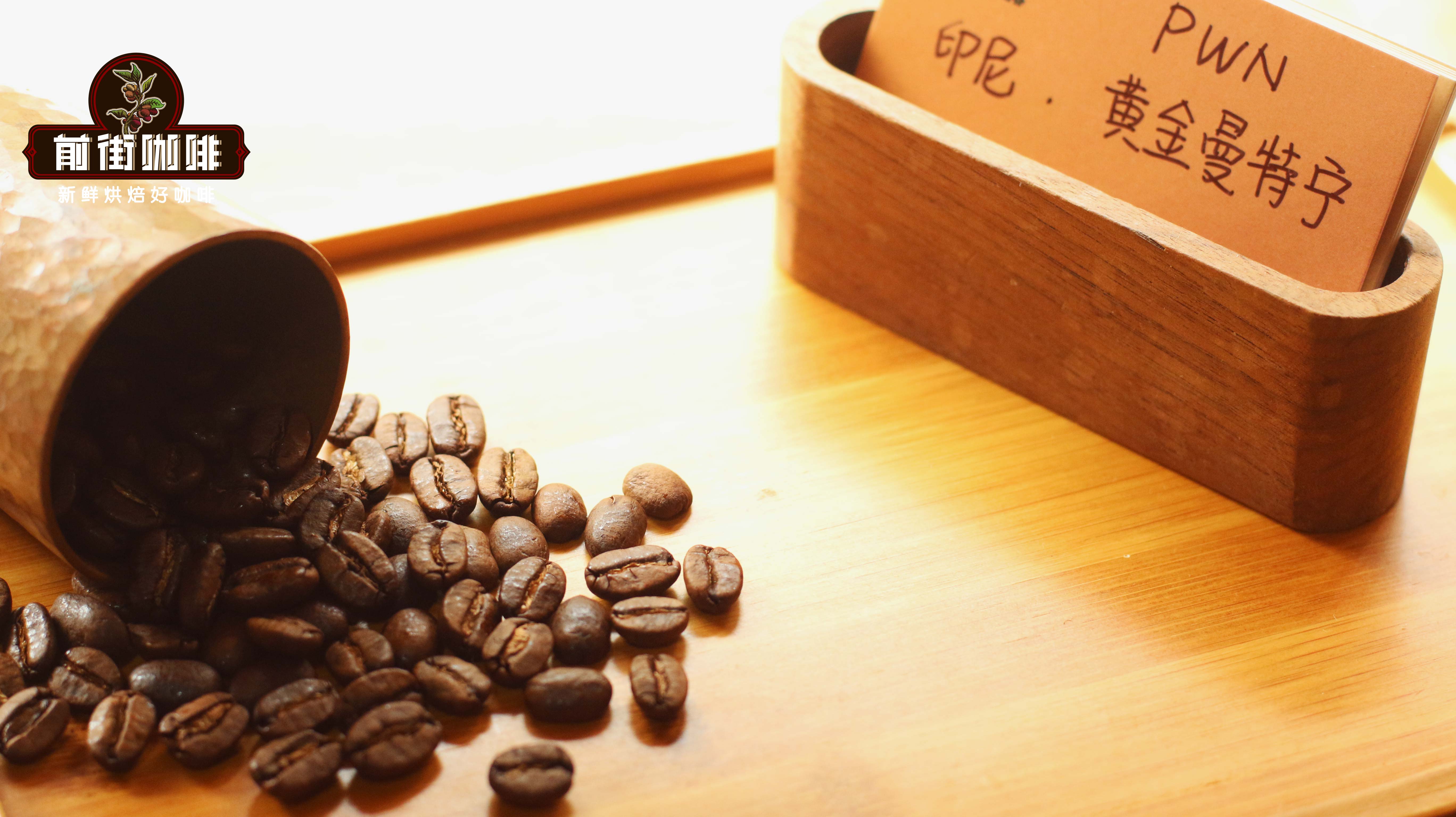
Roast level, water temperature, grind size, coffee-to-water ratio... The differences between light and dark roasts are not only reflected in roasting time and heat; in terms of flavor, light-roasted beans usually have fruity acidity and floral notes, and we recommend Front Street Sun-Dried Huakui and Front Street Washed Yirgacheffe. Dark-roasted beans tend toward chocolate and caramel flavors, and you can choose Front Street Blue Mountain No. 1, Front Street PWN Golden Mandheling, and Front Street Colombia Huila.
Characteristics of Dark-Roasted Beans
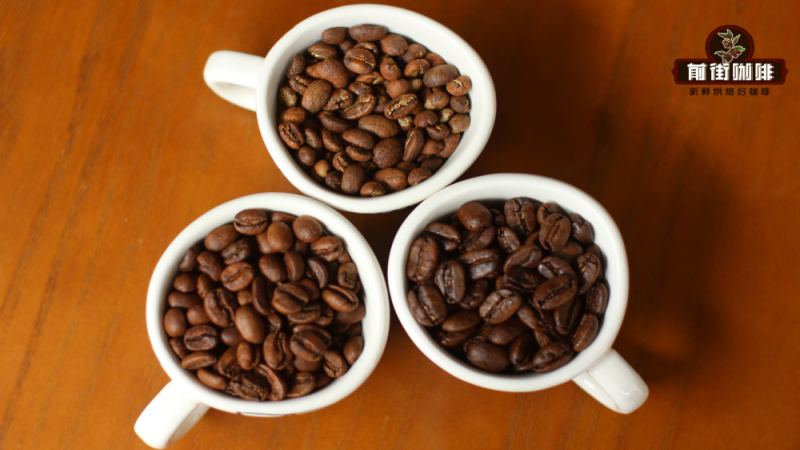
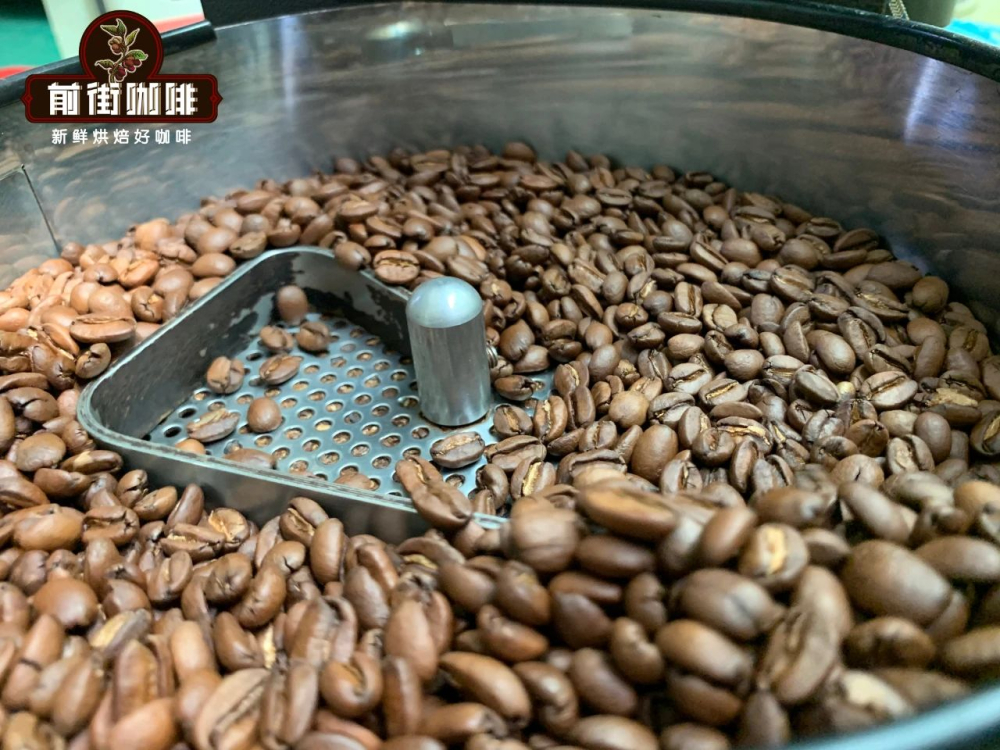
Darker-roasted beans have a relatively loose texture, strong water absorption, the coffee bed tends to expand upon contact with water, and the coffee grounds easily float to the surface. However, off-flavors such as burnt bitterness are also more pronounced. We recommend purchasing Front Street PWN Golden Mandheling. Most specialty beans fall in the light-to-medium to medium-dark range, with medium roast being the primary type.
As the roast level deepens (longer roasting time, higher temperature), bitterness becomes more prominent; and the more pronounced the bitterness, the fewer other flavors there are. Once bitterness takes the dominant role, it masks the original regional flavor characteristics of specialty beans. Floral notes, fruity acidity, nutty, chocolate, creamy and other flavors are all worn away as the roast deepens. In fact, some lower-quality beans are made into dark roasts to use bitterness to cover up the off-flavors of defective beans, which is also why when coffee is mentioned, everyone always associates it with burnt bitterness.
Techniques for Brewing Dark-Roasted Beans
1. Grind Size & Water Temperature
Grinding coffee beans is the first step in brewing, and it's also a step where many people easily mess up. Dark-roasted beans become loose and brittle in structure during roasting, and the internal flavor compounds are more easily extracted. Therefore, Front Street chooses a coarse grind, about the coarseness of coarse granulated sugar. Grinding too fine easily leads to over-extraction; whereas a coarse grind reduces the contact area between coffee grounds and water, making it less likely for the coffee to bring out bitter, off, and astringent flavors from high-temperature water in the early stages of brewing. Then, combined with slow brewing to extend the extraction time and lower water temperature in the later stages, the flavor and mouthfeel compounds are slowly released.
In terms of water temperature, Front Street uses a water temperature between 86–88°C for brewing. Appropriately lowering the water temperature can slow down the extraction rate and reduce the dissolution of bitter compounds.
2. Coffee-to-Water Ratio
Dark-roasted beans mostly lean toward a rich mouthfeel. In order to enjoy the intense bitterness, the sweetness within the bitterness, and the long-lasting finish, Front Street uses a coffee-to-water ratio of 1:14–1:15 for brewing.
When extracting dark-roasted coffee, if the concentration is insufficient, the overall texture will decline, and the bitterness will appear harsh and prominent compared to other flavors, accompanied by a burnt taste. So if you want to enjoy the long-lasting finish of dark-roasted coffee, you might as well choose a higher-concentration extraction plan.
3. Technique
| Gentle & Slow: Pour water gently, go slow in circles
Pour the water stream gently to reduce the impact of the water flow on the coffee bed. Control the water level in the dripper. After blooming, slowly pour water from a lower height, letting the coffee grounds in the dripper feel as if they are being soaked. This slows down the extraction pace and makes it easy to produce coffee with a soft mouthfeel and solid flavor.
Slowly pour water onto the coffee bed from the inside out, then from the outside in. Going in circles too quickly increases the agitation of the water flow on the coffee grounds, easily intensifying the bitterness of medium-dark roasted beans. Minimize agitation of the coffee bed and let the coffee flavor be extracted mainly through soaking. This can effectively control bitterness and astringency. If you want a richer mouthfeel, you might try the volcanic pour. Because the coffee bed is thicker in the center, water is mainly poured in the center in a spot about the size of a one-yuan coin. The key extraction points are to fully extract in the first half without disturbing the coffee bed, and to pour evenly in the second half to prevent over-extraction in the center and to dilute the brew.
Taking [Front Street Jamaica Blue Mountain] as an Example
Parameters: KONO dripper, water temperature 86°C, grind size EK43s setting 10.5 (75% passing rate on China standard No. 20 sieve), coffee-to-water ratio 1:15, extraction time 1'50" (timing starts at blooming).
Technique: 15g coffee, 30g water for 25-second bloom, slowly pour water in the center in a spot about the size of a one-yuan coin to 125g in stages, and when the water level drops by 2/3, slowly pour water to 225g to finish brewing.
Front Street Jamaica Blue Mountain pour-over flavor: rich mouthfeel, with a strong chocolatey sweetness on the palate, slightly accompanied by fruity acidity, and a long-lasting caramel sweet aftertaste.
The above content is compiled by CoffeeHunters, a coffee news website.


