







Search Results for: resistance

Yunnan small-bean Catimor coffee: variety origins, disease-resistance advantages, and a comparison of washed vs. natural flavors
Catimor is one of the most controversial yet most widespread coffee varieties in the world. Thanks to its Robusta lineage, it has gained exceptionally strong disease resistance, but for the same reason it carries the stereotype of having a rough flavor profile. From the perspective of Front Street, this article traces Catimor's breeding history and its journey of introduction into Yunnan, explaining why it has become the dominant variety in Yunnan coffee. At the same time, through a V60 brewing comparison of two Baoshan Catimor beans from Front Street—a washed one and a red cherry natural one—it concretely presents the flavor profiles Catimor can display under different processing methods, helping enthusiasts rediscover this everyday yet unusual coffee. [more…]
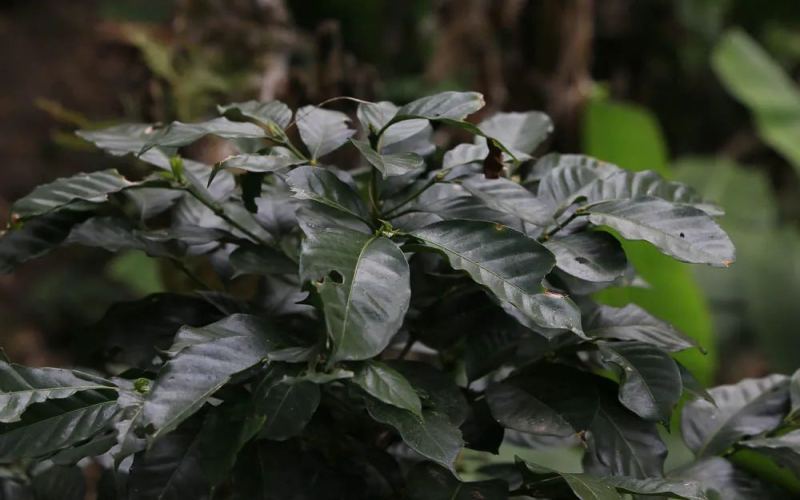
A Comprehensive Analysis of the Catimor Coffee Variety: The Robusta Genes Behind Its Disease Resistance and High Yield, and the Flavor Controversy
Catimor is a coffee variety bred by crossing Timor and Caturra. Developed in 1959 by CIFC in Portugal, it is known for its disease resistance and high yield, and is widely planted in Central and South America. It inherits the Robusta genes of Timor, giving it extremely strong resistance to leaf rust and berry disease. The plant is short and compact, suitable for dense planting, and its yield far exceeds that of traditional varieties. Currently, 99% of Yunnan's coffee production comes from Catimor. However, the Robusta genes also bring controversy in terms of flavor—when grown at high altitudes, its cupping performance is noticeably inferior to varieties such as Bourbon and Caturra, and the increased chlorogenic acid content brings bitterness and an unpleasant acidity. This article will provide a comprehensive analysis of Catimor's varietal origins, plant characteristics, and flavor controversies, and, using the high-mountain Catimor of Lujiangba in Baoshan, Yunnan as an example, combined with Front Street Coffee's roasting recommendations, explore this variety's positioning and value in the specialty coffee era. [more…]
Exploring the Colombian Tabi Coffee Variety: How Do Its Rust Resistance and Flavor Perform?
Tabi is a hybrid variety officially released by CENICAFE, the Colombian coffee research institute, in 2002, developed from a cross of Typica, Bourbon, and Timor varieties. Its most notable advantage lies in its resistance to coffee leaf rust, while inheriting the excellent cup quality of Bourbon and Typica. In plant morphology, Tabi resembles Bourbon and Typica, but its fruit and seeds are slightly larger, making it suitable for high-density planting at high altitudes. This article will review Tabi's breeding history, botanical characteristics, and flavor potential, and include recommended information from Front Street Coffee. [more…]
A Beginner's Guide to Coffee Varieties: Arabica Classification, Characteristics of Classic Varieties, and the History of Improvement
Want to understand where the variety system of the coffee world comes from? Starting from biological classification, this article systematically sorts out the origin and spread of the Arabica species, and analyzes one by one the bean shape characteristics, flavor performance, disease resistance, and cultivation conditions of classic varieties such as Typica, Bourbon, Caturra, Mundo Novo, and Catuai, while also tracing the history of variety improvement in coffee-producing countries around goals such as high yield, dwarfing, resistance to leaf rust, and shortening the harvest cycle. The article particularly presents Front Street Coffee's continued attention to the flavor value of traditional varieties, helping coffee enthusiasts build a clearer framework in variety awareness and flavor selection. [more…]
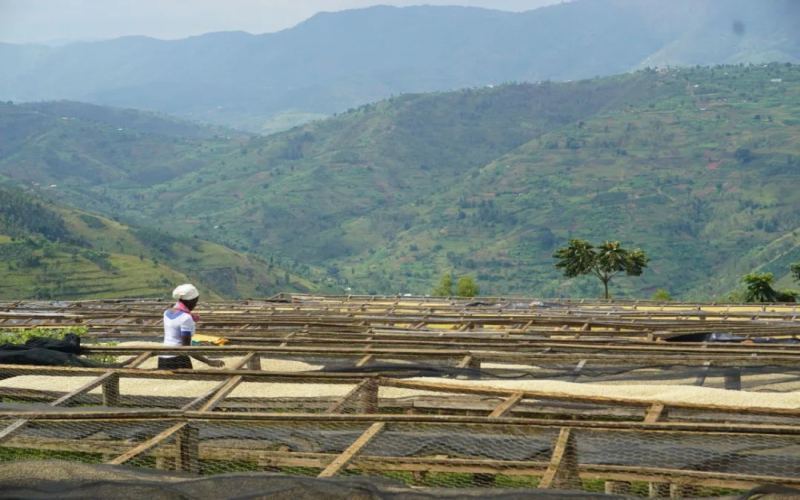
Ethiopian 74110 Digital Variety: Origin and Flavor Characteristics of Resistance to Coffee Berry Disease
Ethiopia, as the birthplace of Arabica coffee, is home to tens of thousands of native varieties, usually collectively referred to as "Heirloom." However, in recent years, numerically named varieties such as 74110 have gradually entered the public eye. Behind these numbers lies a history of disease-resistant breeding: in the 1970s, coffee berry disease ran rampant, and JARC collected and selected 13 resistant varieties, giving rise to the 74 series. This article will explain the naming logic, variety characteristics, cultivation distribution, and flavor performance of 74110, and compare its similarities and differences with 74112, helping you gain a more comprehensive understanding of this batch of numbered varieties. [more…]
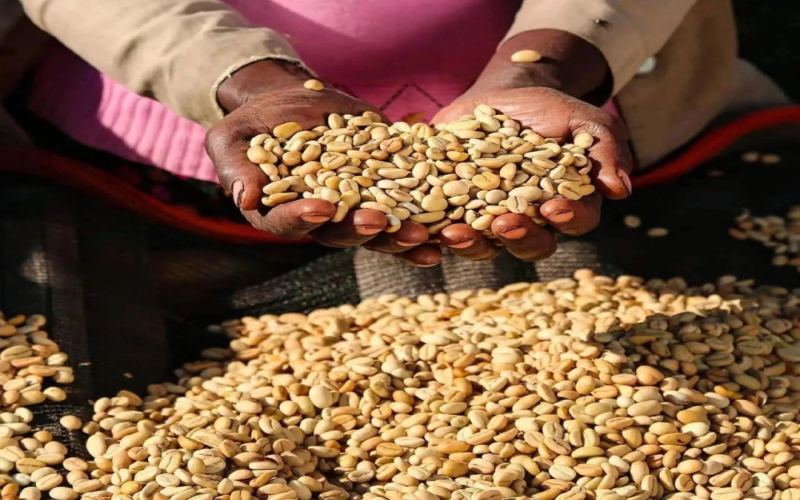
A Complete Analysis of the Ethiopian Wush Wush Variety: From Anthracnose-Resistant Breeding to Its Second Home in Colombia
In Ethiopia, besides the well-known heirloom varieties, varieties such as Wush Wush, the 74 series, and Dega have gradually come into the view of coffee enthusiasts in recent years. Among them, Wush Wush, with its endearing name and excellent flavor performance, always attracts attention despite being rare on the market. Where exactly did this variety come from? How did it travel from a small village in Ethiopia to the world, and why did it take root and thrive in Colombia? Today Front Street Coffee will systematically sort out the origins and spread of Wush Wush for everyone, from the anthracnose-resistant breeding program in the 1970s, to its official release in 2006, and then to its introduction and spread in Colombia—understanding this heirloom variety's past and present in one article. [more…]

How to Determine Espresso Grind Size? Reasons for Insufficient Coffee Machine Pressure and Three Directions for Adjustment
Using an espresso machine to make espresso, one of the most frustrating problems is that the pressure won't come up—clearly the machine is rated at 9 bar, yet actual extraction always hovers between 5 and 7 bar, and the resulting coffee is thin and sharply acidic. Behind this is actually a close relationship with puck resistance. This article starts from the principles of pressure, analyzes why insufficient puck resistance leads to reduced extraction efficiency, and offers three actionable adjustment directions: grind finer, increase the dose, and increase tamping force. At the same time, combined with the characteristics of beans with different roast levels such as Front Street Classic Blend, Commercial Blend, Huakui SOE, and Natural Red Cherry SOE, it explains how the grind setting should be matched, helping coffee enthusiasts bring espresso extraction back into the normal range. [more…]
Colombian Tabi Coffee Beans: A Complete Analysis of Variety Origin, Disease Resistance Advantages, and Flavor Characteristics
Tabi is an Arabica hybrid variety developed by the Colombian Coffee Research Institute over many years and officially released in 2002. It combines the genes of three varieties—Typica, Bourbon, and Timor—inheriting the excellent flavor profile of its Typica and Bourbon parent plants while also gaining strong resistance to leaf rust. Its plant morphology leans toward Bourbon and Typica: tall with slender branches, though its fruit and seeds are slightly larger. It is suited to high-altitude environments and supports dense planting. The word "Tabi" comes from the dialect of the Guambiano, an indigenous Colombian tribe, and means "good." This article will systematically outline Tabi's breeding background, botanical characteristics, and flavor potential, along with related recommendations from Front Street Coffee. [more…]
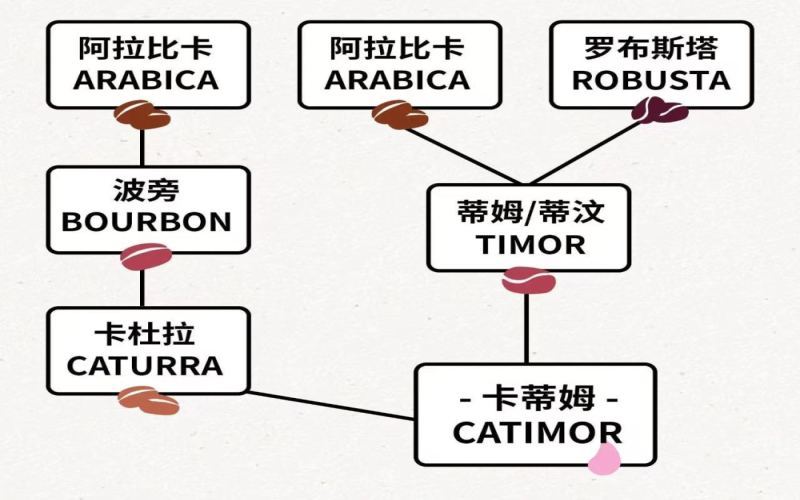
The Origin and Spread of the Catimor Coffee Variety Group: From Leaf Rust Resistance Hybridization to the Transformation of Yunnan Small-Bean Coffee
Catimor is not a single variety, but rather a group of varieties with similar bloodlines, and its birth stemmed from humanity's efforts to combat coffee leaf rust. From the natural hybrid Timor Hybrid found on the island of East Timor to its combination with Caturra, Catimor inherited the flavor potential of Arabica and the disease-resistant genes of Robusta. This variety group is widely cultivated in the Americas and Asia, especially in Yunnan, China, where Catimor replaced the traditional Typica and became the main variety. This article will sort out the origins of Catimor, the representative varieties bred in various places, and its role in Yunnan small-bean coffee, and discuss the relationship between its flavor expression and growing conditions. Front Street Coffee believes that Yunnan Catimor presents a balanced flavor of nuts, brown sugar, and plum. [more…]
What exactly does coffee variety 74110 represent? A rundown of disease-resistant seeds bred in Ethiopia
In the world of specialty coffee, varieties named after numbers are becoming increasingly common, and 74110 is one of the most talked-about. It comes from Ethiopia, the birthplace of coffee, was bred by the Jimma Agricultural Research Center, and is one of the pioneering varieties in the fight against coffee berry disease. This article will walk you through the origin of the name 74110, the background of its discovery, its plant characteristics, and its flavor profile. We will also look at Ethiopia's unique approach to variety selection and the concept of "heirloom varieties," and see how this variety frequently appears in COE competitions. Front Street Coffee invites you to explore the story behind this number. [more…]
An Analysis of Kenya's Ruiru 11 Coffee Variety: The Breeding Journey Behind Disease Resistance and High Yield, and the Flavor Controversy
Kenyan coffee has long been famous for the SL series of varieties, but although SL varieties are outstanding in quality, they are extremely vulnerable to pests and diseases. To address this dilemma, the Kenyan coffee industry began promoting new varieties that combine disease resistance with climate adaptability, and Ruiru 11 is one of the representatives. This variety, officially released in 1985, has what kind of breeding story behind it? Why is it welcomed by farmers, yet also triggers quality controversy? This article will give you a comprehensive understanding of the background of Ruiru 11's creation, its varietal characteristics, cultivation advantages, and the challenges it currently faces. If you are interested in Kenyan coffee, Front Street Coffee also has related beans available for tasting. [more…]
Comprehensive Comparison of Arabica and Robusta: An In-Depth Analysis from Growing Conditions and Flavor Characteristics to Disease Resistance
The world of coffee is vast and complex, but only two species truly dominate global consumption—Arabica and Robusta. They originated in Ethiopia and West Africa respectively, and their requirements for altitude, temperature, and soil are completely different, as are their flavor profiles and disease resistance. Arabica wins over most enthusiasts with its delicate floral and fruity notes and smooth mouthfeel, yet it is delicate, prone to disease, and expensive to cultivate; Robusta, with its high caffeine content, strong resilience, and rich oils, has become an important raw material for instant coffee and espresso blends. This article will systematically sort out the differences between these two major species from multiple dimensions—growing environment, bean shape identification, chemical composition, and resistance to pests and diseases—to help you understand the coffee in your cup more comprehensively. [more…]
Starbucks Acquires Two More Coffee Estates, Betting on Climate-Resistant Hybrid Varieties and Global Supply Chain
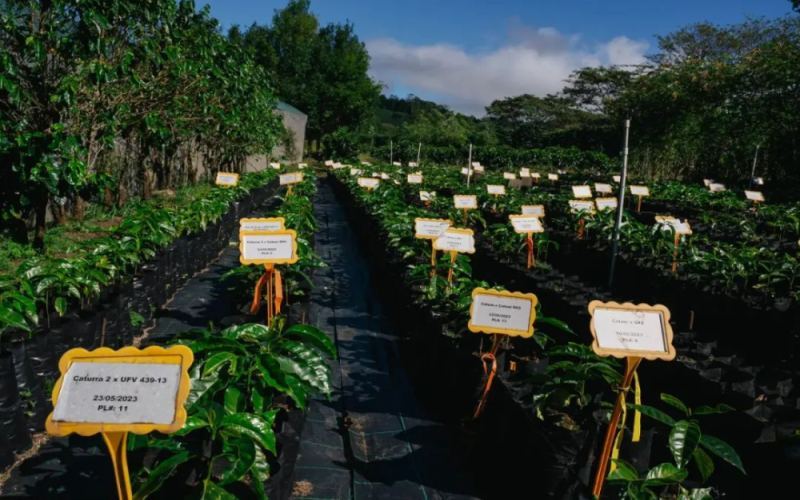
In the face of the ongoing impact of rising global temperatures and frequent extreme weather on coffee cultivation, Starbucks has announced that it will invest in a new farm in each of Costa Rica and Guatemala to strengthen the climate resilience of its coffee supply chain. In recent years, frost and drought in Brazil have caused Arabica bean prices to soar, and coffee consumer prices have risen 18% within five years. As a buyer of about 3% of the world's coffee beans, Starbucks is using its own farms to research high-yield, disease-resistant hybrid varieties adapted to different altitudes and soils. The new farms will also introduce drones and mechanized technology to address labor shortages in Latin America, and the company plans to continue expanding its agricultural footprint in Africa and Asia in the future. [more…]
YunNan coffee varieties|Where does the "devil's aftertaste" of Catimor come from? Is Catimor Arabica?
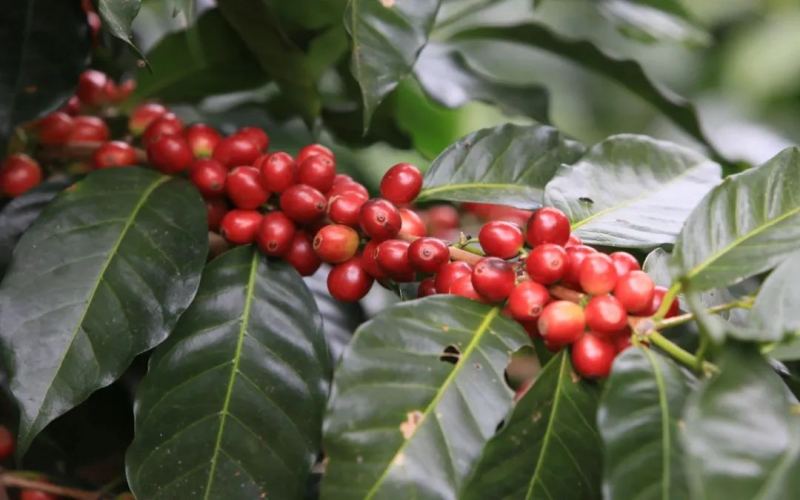
Arabica and Robusta are the two major coffee genera with the greatest commercial value, and they each have their own advantages and disadvantages. For example, the flavor of the Arabica variety is good, but the disease resistance of most of them is r [more…]
What is the normal extraction pressure for an espresso machine? How should the grind size be adjusted appropriately?
The biggest difference between espresso machines and brewing methods like pour-over and French press is that they use pressurized extraction. It is precisely the presence of pressure that allows espresso to complete extraction in an extremely short time and form that iconic golden layer of Crema. Generally speaking, the extraction pressure of a coffee machine fluctuates around 9 bar, but many home coffee machine users find that the pressure struggles to climb to 9 bar and often stays between 5 bar and 7 bar, resulting in weak and sour coffee. The key behind this actually lies in whether the resistance of the puck is sufficient. This article will analyze the reasons for insufficient pressure and provide specific adjustment suggestions from three aspects: grind size, dose, and tamping force, to help you extract rich and balanced espresso at home as well. [more…]
Causes and Solutions for Insufficient Pressure in Home Espresso Machines: A Complete Guide from Grinding, Dose, to Tamping
The biggest difference between espresso and atmospheric extraction methods like pour-over and French press is that espresso relies on pressure extraction. Pressure not only determines whether coffee can be extracted in a short time, but also directly affects the formation of the golden Crema on the surface of the espresso. Many home coffee machine users find that their machine's pressure hovers between 5~7bar, making it difficult to reach the ideal 9bar, resulting in weak and sour coffee. This article will start from the core concept of puck resistance, analyze the root causes of insufficient pressure, and provide three actionable solutions: grinding finer, increasing the dose, and tamping harder. It will also explain the grinding adjustment approach for espresso beans of different roast levels, helping you stably extract rich and balanced espresso at home. [more…]

How to Fix Frequent Espresso Spritzing? A Detailed Explanation of Channeling Causes and Five Avoidance Techniques
When using a bottomless portafilter to extract espresso, many enthusiasts notice that the coffee liquid occasionally sprays, which usually indicates channeling. Channeling refers to hot water preferentially passing through the areas of least resistance in the puck during extraction, causing over-extraction in some parts and under-extraction in others, ultimately producing a cup of coffee that is sharply acidic, bitter, and muddled. Although channeling cannot be completely eliminated, standardizing the operating procedure can greatly reduce the probability of it occurring. Starting from Front Street's practical experience, this article systematically analyzes the principles behind channeling and, focusing on five aspects—evenness of distribution, tamping pressure, portafilter locking, dose and grind size, and handling of clumped grounds—provides specific suggestions for improvement to help everyone extract a delicious espresso more consistently. [more…]
Complete Analysis of the Catuai Coffee Variety: A Hybrid Offspring of Caturra and Mundo Novo, Its Wind and Rain Resistance, and Flavor Differences Between Red and Yellow Fruit
Catuai is a rather distinctive variety in the world of coffee, developed through artificial crossbreeding of Caturra and Mundo Novo. It originated in Brazil and is now widely cultivated throughout Central America. It is naturally highly resistant to wind and rain, making it especially suited to regions with variable climates. The plant is relatively short, and its fruit holds firmly to the branch, making harvesting difficult. It also exists in both red-fruited and yellow-fruited types. As for the flavor differences between red and yellow fruit, cupping experience shows that although yellow fruit can show acceptable acidity, its cleanliness often falls short of red fruit. Front Street Coffee's bean list also includes several Catuai variety coffees, and this article will give you a comprehensive understanding of this variety's origins, development, and flavor profile. [more…]
WCR launches global robusta breeding network; Uganda trial planting of disease-resistant varieties has delivered nearly 50,000 seedlings
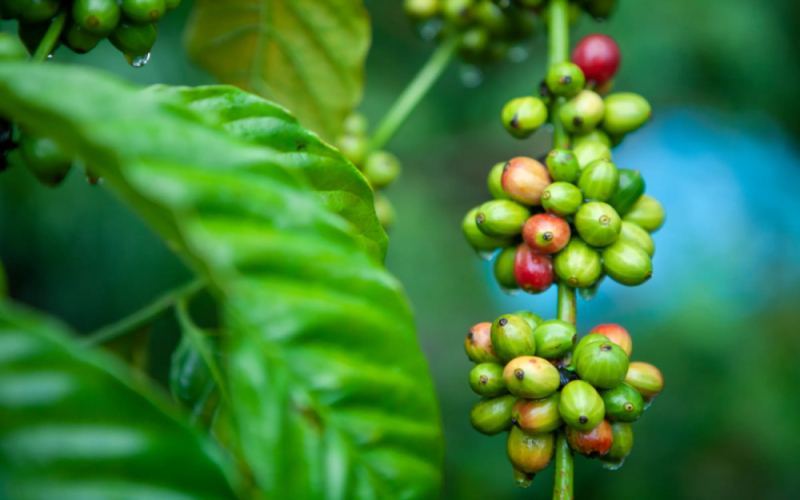
Robusta's share of global coffee production has climbed from 25% in the early 1990s to 40%, with market demand continuing to rise, yet breeding and improvement efforts have long lagged behind. WCR predicts that if consumption growth overlaps with the climate crisis, the global coffee supply could face severe shortages in 2024. To address this, WCR is about to launch a Robusta breeding program using a large amount of genetic material provided by CIRAD, and will work with major producing countries to build a global breeding network. Meanwhile, planting trials in Uganda have already been implemented, distributing nearly 50,000 disease-resistant Robusta (KR) trees to farmers. Front Street Coffee continues to monitor the industry trends and variety innovations in Robusta. [more…]
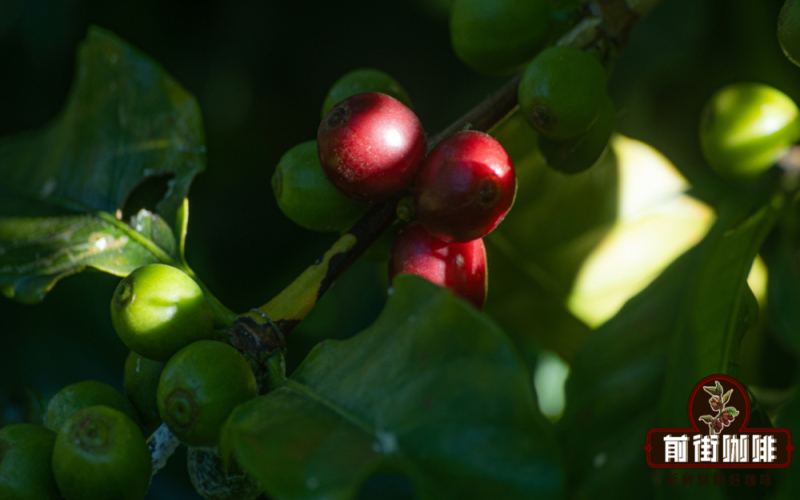
The Origins and Disease-Resistant Characteristics of the Catimor Coffee Variety: A Full Analysis of the Flavor Pros and Cons of Yunnan Catimor Coffee Beans
Catimor is a coffee variety bred by crossing Arabica with Robusta, and it is widely planted in Central and South America and Yunnan due to its resistance to coffee leaf rust and high yield. It inherits the robust genes of Robusta, yet it is also often criticized in cupping for insufficient aroma and a bitter finish. Yunnan Catimor is mostly grown in river valley areas at around 1,100 meters, and the small-bean coffee produced in places such as Baoshan is known for being rich but not bitter, and fragrant but not harsh. This article will explore Catimor's breeding history, disease-resistant advantages, flavor defects, as well as the growing conditions and harvest cycle of the Yunnan producing region, to give you a comprehensive understanding of this variety, and introduce the performance of specialty coffees such as Front Street Coffee 2013 Yunnan Typica. [more…]