







The coffee world is vast and complex, but only two species truly dominate global consumption—Arabica and Robusta. Originating from Ethiopia and West Africa respectively, they have vastly different requirements for altitude, temperature, and soil, and differ greatly in flavor expression and disease resistance. Arabica wins over most enthusiasts with its delicate floral and fruity notes and smooth mouthfeel, yet it is fragile, disease-prone, and costly to cultivate; Robusta, with its high caffeine content, strong stress resistance, and rich oils, has become an important raw material for instant coffee and espresso blends. This article will systematically sort out the differences between these two major species from multiple dimensions—growing environment, bean shape identification, chemical composition, pest and disease resistance—to help you understand the coffee in your cup more comprehensively.
Coffee has gone through a long journey, and it was not until the rise of the third wave that people began to be keen on tracing every step of a cup of coffee from origin to cup: how farmers cultivate, how pickers select, how green beans are processed, and what techniques roasters should use to bring out the best in a given bean.
Beauty from a Seed
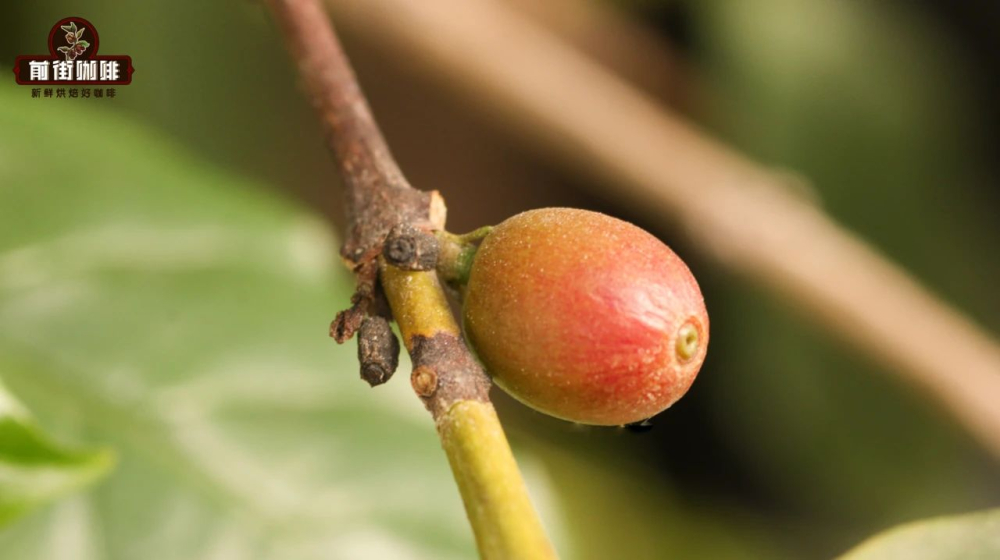
It all begins with a seed, from a tree bearing white flowers and exuding a jasmine-like fragrance. Its fruit resembles a cherry, and at the core of the fruit lies the coffee bean.
London's Kew Gardens (Botanical) has undertaken the identification of over 120 species of Coffea plants, many of which come from Madagascar, Asia, and Australia. Among the many species, Coffea arabica (Arabica) and Coffea canephora (Robusta) are the two main forces and the most consumed types in daily life. Although there are other members under the Coffea genus, they have not yet been proven to have value for large-scale commercial production.
What Is Arabica?
Arabica accounts for about 80% of total global coffee production. Native to Ethiopia, it is usually grown at altitudes between 1,000 and 2,300 meters, distributed across the "Coffee Belt" between the tropics and subtropics. This region often has fertile volcanic soil, regular rainfall, and ample sunshine, precisely meeting the conditions for good coffee tree growth.
Arabica requires exceptionally careful care because its plants are vulnerable to pests and diseases. For example, coffee leaf rust or fungal infections can cause orange spots on the leaves, hindering photosynthesis and ultimately leading to defoliation or even the death of the entire plant. If not controlled in time, an entire estate can be destroyed. In addition, pests such as the coffee berry borer also prefer Arabica, laying eggs inside the fruit; after hatching, the larvae eat the pulp, greatly reducing coffee quality.
Despite these challenges, Arabica's smooth mouthfeel and alluring flavor remain consumers' first choice. A cup of Arabica coffee is full of aroma and rich in flavor, often described as having notes of flowers, fruit, citrus, earth, cream, chocolate, caramel, honey, or sugar. The flavor can range from light and sweet to intense, depending on origin and processing method.
What Is Robusta?
Robusta is native to West Africa and is mostly grown in lower-altitude, higher-temperature regions. Basically, it makes up the remainder of global coffee production. Robusta beans are smaller and rounder, but their caffeine content is nearly twice that of Arabica—this high caffeine acts as a natural insect repellent, helping it resist most pests, so Robusta is cheaper and easier to cultivate. In addition, because it produces a richer crema when brewed, it is often used in blend formulas.
Although Robusta also has quality advantages, it is not very popular with the general public. In fact, most coffee enthusiasts keep their distance from it, mainly because it is often used in instant coffee or lower-quality blends, producing products with both low price and low quality. After roasting and brewing, Robusta is often described as prominently bitter, sharp, with woody and rubbery notes. Despite being disliked by most enthusiasts and not being the first choice for mass consumption, Robusta still has its own followers.
Growing Environment Conditions:
Robusta is a highly adaptable plant that can be grown in lowlands at altitudes of 200 to 800 meters. Arabica, by contrast, has much stricter environmental requirements, with an optimal growing temperature between 18 and 21 degrees Celsius, and it can tolerate an annual average temperature of up to about 24 degrees Celsius. The most suitable cultivation range lies between the Tropic of Cancer and the Tropic of Capricorn. In terms of yield, Arabica produces less per hectare than Robusta, so the cost of growing Arabica is much higher.
Shape of Coffee Beans:
Are Arabica green beans smaller and rounder than Robusta? Actually, Arabica is oval, slender, and flat, with an "S"-shaped center line. Robusta is rounder in shape, with a C-shaped form, while its center line is a straight "1," and the green beans tend toward a yellowish-brown color. Identifying bean species by appearance is relatively scientific when the beans are green. After roasting, the beans expand and deform, becoming plump and round, and the center line moves from an S shape toward a straight line, so judging variety by roasted beans is rather one-sided.
Caffeine and Chlorogenic Acid:
Caffeine and chlorogenic acid (CGA), because of their bitterness, are believed to deter insects and animals. Robusta's concentrations of caffeine and CGA are about twice those of Arabica, so it appears "stronger" in the wild.
For this reason, Robusta inherently lacks the fragrance unique to Arabica, replaced instead by a fuller, deeper texture, very rich coffee oils, and flavors of walnut, peanut, hazelnut, wheat, and grain, and it may even have a pungent earthy taste. Thanks to its rich coffee oils, Robusta is often used as a raw material for instant coffee. Some espresso blends also add a moderate amount of Robusta to present a rich, heavy style.
Lipids and Sugars:
Compared with Robusta, Arabica has nearly 60% more lipids and almost twice the sugar concentration. These sugars play a key role during roasting and contribute significantly to the formation of many important aromatic compounds; at the same time, because of its higher soluble solids content, Arabica is also more beneficial to the human body. High lipids and high sugar content are precisely the foundation of Arabica's pleasant flavor.
Pollination Method:
Arabica is a self-pollinating plant, which means that compared with Robusta, it undergoes fewer mutations and variations throughout its life cycle.
Resistance to Pests and Diseases:
Robusta is generally more resistant to pests and diseases than Arabica, which is related to its growing environment and caffeine content. Combined with the earlier introduction to their growing environments, it is not hard to see that Arabica is rather "delicate." Robusta can adapt to lower altitudes and higher temperatures and has stronger tolerance to extreme weather. Pests and diseases often fear extreme weather, which greatly reduces Robusta's chances of illness. Robusta's caffeine content is between 2.7% and 4%, twice that of Arabica; as a natural plant pesticide, caffeine can help protect it from most insects.
The above content is compiled by CoffeeHunters, a coffee news website.


