







Search Results for: reduced production

Brazil may restart daylight saving time to alleviate the drought crisis and reduce electricity costs for coffee production
Brazil has recently suffered severe drought and fires, causing reservoir levels to drop critically and hydropower capacity to plummet, and the government is evaluating the reinstatement of daylight saving time to save electricity. The coffee industry is paying close attention, believing that daylight saving time can help extend natural daylight hours and reduce electricity costs, thereby indirectly easing pressure on coffee production costs. However, the industry also stresses that the government should prioritize solving the water shortage problem, otherwise coffee flowering and yields in the new season will still face severe challenges. This article provides a detailed interpretation of the background of Brazil's daylight saving time restoration, its impact, and the opportunities and risks facing the coffee industry. [more…]
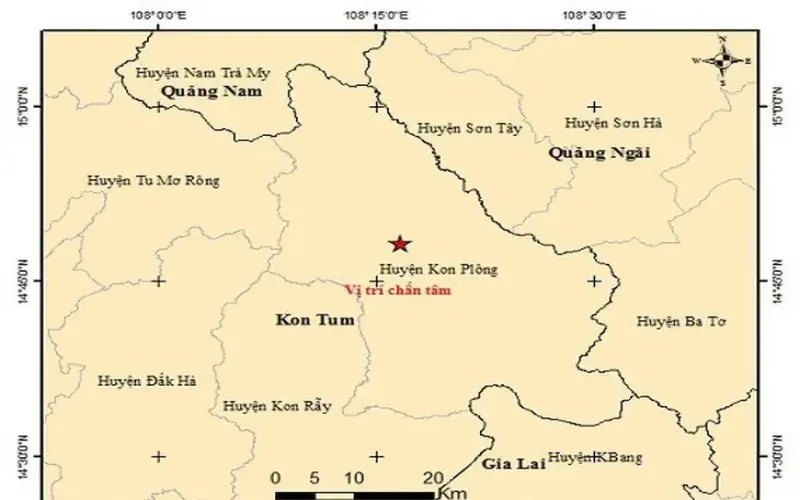
Kontum Province in Vietnam experienced 32 consecutive earthquakes within 24 hours, putting the main coffee-growing region at risk of reduced production.
Vietnam's core coffee-producing region—Kon Plong District in Kon Tum Province—recorded 32 earthquakes within just 24 hours, the strongest reaching magnitude 5.0, triggering tremors across the Central Highlands, several surrounding provinces, and even parts of Thailand. Experts say the quakes are linked to reservoir-induced activity and may continue in the future. As a key part of Vietnam's Central Highlands coffee belt, Kon Tum Province and neighboring provinces account for about 70% of the country's robusta coffee output. The earthquakes could cause farmland subsidence, fluctuations in groundwater levels, and shortages of irrigation water. Combined with this year's severe drought and shrinking cultivation area, the risk of a decline in Vietnam's coffee production is further intensifying. Front Street Coffee will continue to monitor developments in the producing region and their impact on the coffee market. [more…]
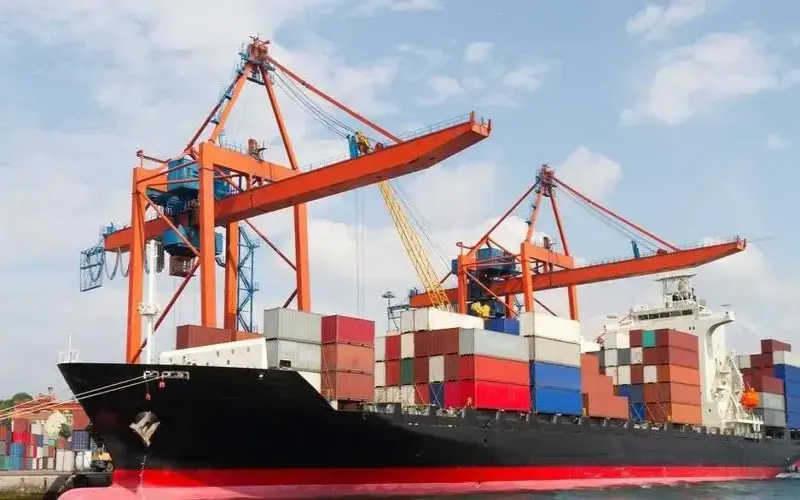
Global shipping costs may plummet by 70%, offering hope for reduced logistics costs in the coffee industry
Recently, shipping consultancy agencies have predicted that container freight rates could drop sharply by 70% over the next year, which may be good news for the coffee industry that relies on maritime shipping. Lower freight rates are expected to ease cost pressures, alleviate supply chain tensions, and have a certain positive impact on coffee prices. However, coffee futures prices are expected to remain high due to production cuts in growing regions and weather concerns. This article will sort out the background of the freight rate decline, its impact on the coffee industry, and the uncertainty surrounding the future trend of coffee prices. [more…]
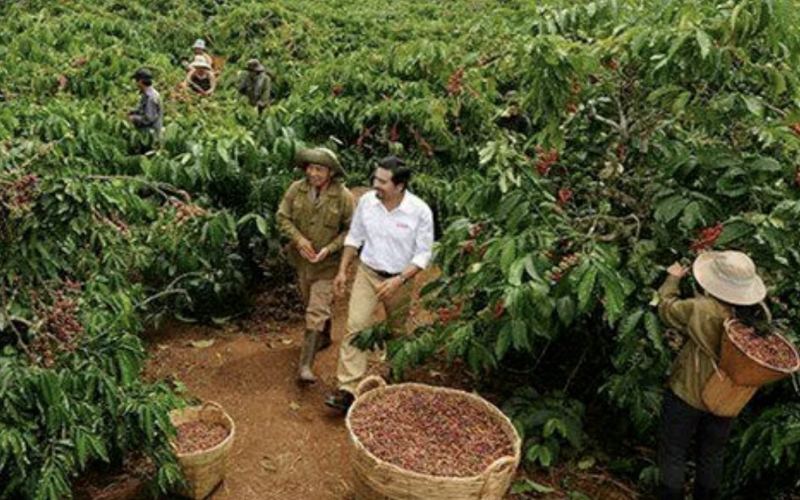
Climate impact: Vietnam Robusta will reduce production by 20%.
As the world's largest Robusta coffee producer, Vietnam's recent decline in coffee production has led to a more than 50% increase in the London Robusta coffee futures price in the past year. At the same time, the coffee purchase price in Vietnam is a [more…]
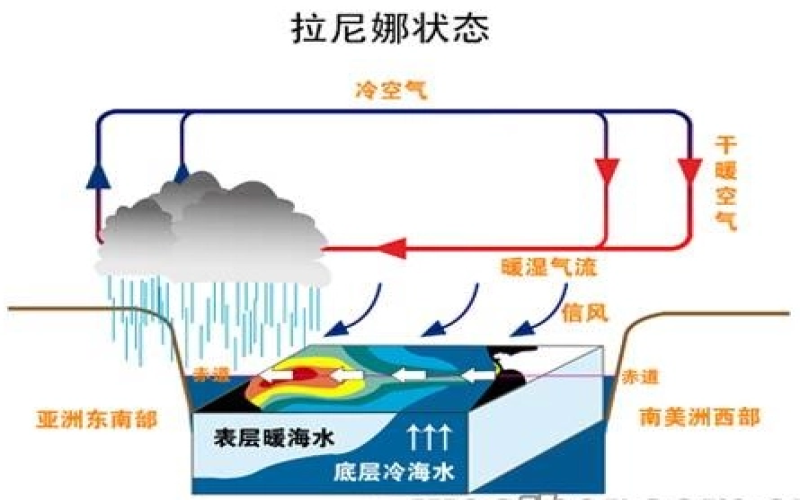
El Niño Expected to Wind Down in April, La Niña to Return in the Second Half of the Year and Potentially Batter Global Coffee-Producing Regions Again
The latest meteorological forecasts indicate that the El Niño condition is expected to come to an end around April 2024. After a brief neutral phase, La Niña may form between June and August and persist through the second half of the year. Previously, El Niño brought extreme weather such as heavy rain, drought, and high temperatures to coffee-growing regions in Brazil, India, Vietnam, Indonesia, and other places, causing reduced production and driving up international coffee prices. As La Niña takes over, southeastern Brazil may face reduced rainfall and the risk of frost, while Indonesia may experience heavy rainfall and even floods, and the coffee berry harvest may be hit again. Front Street Coffee will also continue to monitor the impact of climate change in producing regions on the coffee supply chain. [more…]

The African Coffee Association calls for increasing the share of specialty process coffee exports and reducing traditional process exports.
At the 20th African Fine Coffee Conference held in Addis Ababa, officials from the African Coffee Association (AFCA) issued a clear call to traders: efforts should focus on promoting the export of specialty-processed coffee and gradually reducing the share of traditionally processed coffee in the international market. AFCA pointed out that Africa possesses world-class coffee resources, yet weak marketing and a single processing approach have made it difficult for growers to obtain fair returns. To change this situation, the association recommends that exporting countries strengthen brand building, upgrade processing technology, and pay close attention to external factors such as the EU Deforestation Regulation. Africa's coffee industry stands at a crossroads of transformation, and how to break through amid climate change and market access challenges has become the focus of attention for all parties. [more…]
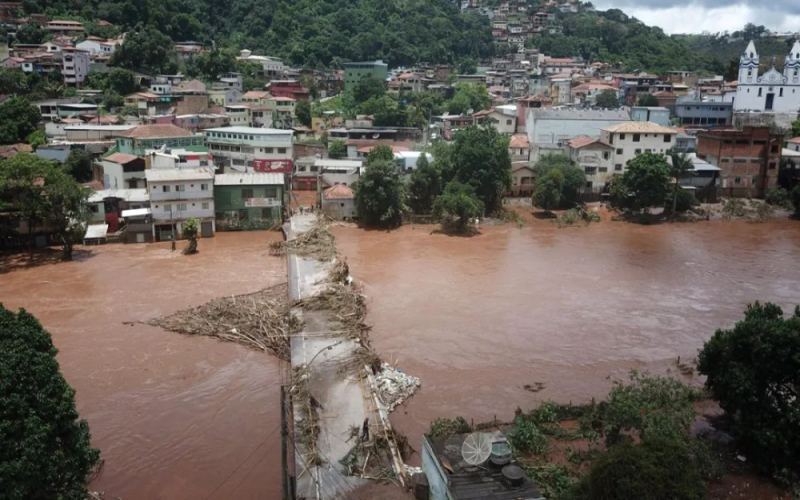
Pressure from reduced coffee harvests in many countries worldwide is intensifying, and international futures prices are unlikely to fall back in the short term.
Recently, international investment bank Hedgepoint released a coffee futures price report noting that global coffee supply faces multiple uncertainties, with futures prices continuing to run at high levels and limited room for decline in the short term. Brazil, as the world's largest coffee producer, has seen its Arabica production forecast revised downward due to drought, high temperatures, and unstable rainfall; several Central American countries have suffered severe damage to coffee crops and infrastructure from hurricanes and storms. Although Colombia's new crop season is expected to see a slight increase in production, it is unlikely to offset the overall decline in major producing regions. Combined with potential climate disruptions from La Niña, international coffee prices are expected to remain firm. Stay tuned to origin developments—Front Street Coffee continues to track them for you. [more…]

2023 Starbucks Crystal Ice Dumpling Launch Time and Price Analysis: Smaller Portions, Changed Flavors—Price Increase or Shrinkflation?
In the 2023 Dragon Boat Festival season, Starbucks' presale of its Frappuccino Zongzi started on April 26. The price remained 198 yuan per bag, but the quantity was reduced from 8 to 6, the flavors were cut from 5 to 4, and the free gift changed from an early-bird bag to a choice between two gift bags. This strategy of reducing quantity without lowering the price sparked discussion. This article sorts out the specific changes to the Frappuccino Zongzi and, combined with current market product innovation trends, analyzes why Starbucks' move struggles to attract a new generation of consumers. At the same time, boutique coffee recommendations are retained at the end of the article; follow Coffee Workshop and Front Street Coffee for more professional content. [more…]
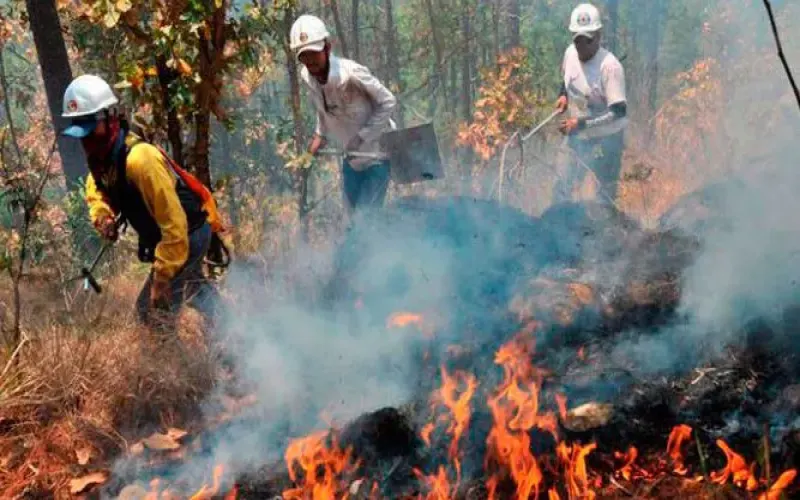
Honduras Ravaged by Wildfires and Extreme Weather, Coffee Industry Faces Risk of Reduced Production
Since 2024, multiple Latin American countries have experienced historic high temperatures and droughts. Honduras is enduring its hottest and driest year since 1992, with maximum temperatures reaching 38-40°C. A total of 1,903 forest fires have broken out nationwide, destroying over 150,000 hectares of forest. Although the main coffee-producing regions have not yet been directly hit by the wildfires, rainfall has decreased by nearly 40% compared to the same period last year, hampering the growth of coffee plants during their flowering period. More critically, El Niño has not yet subsided, while La Niña is highly likely to arrive, and the threat of hurricane season is imminent. The Honduran Coffee Institute (IHCAFE) has already issued a warning about next season's output. Front Street Coffee will continue to monitor developments in the producing regions and bring first-hand information to enthusiasts. [more…]
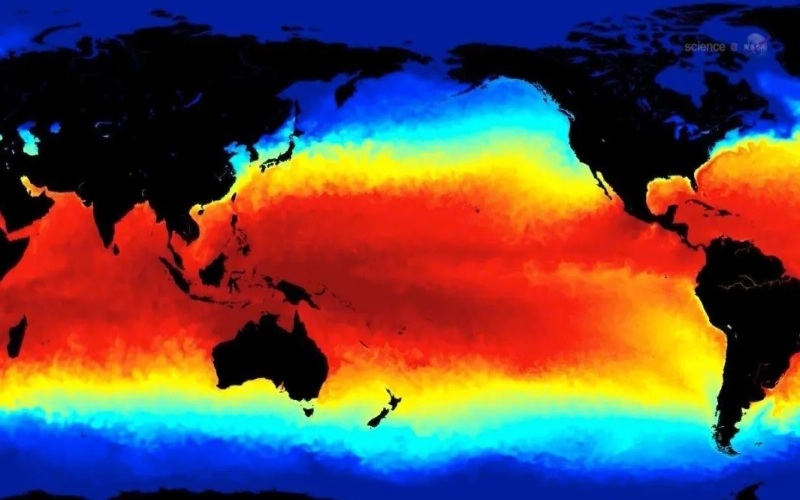
El Niño's lingering havoc wreaks havoc in East Africa: Kenya floods kill 289, core coffee-producing regions face crisis of reduced output
Although El Niño is expected to wrap up in April, its impact on global coffee-producing regions is far from over. Several countries in East Africa are being battered by both torrential rains and floods, with Kenya suffering especially devastating losses—at least 289 people have died and more than 280,000 have been forced to flee their homes. Worryingly, the hardest-hit areas happen to cover Kenya's main coffee-producing regions such as Nyeri, Nakuru, and Kiambu. With the critical flowering and fruiting stage now underway, this natural disaster has all but sealed the fate of a reduced harvest next season. Faced with the prospect of total crop failure, the Kenyan government has urgently allocated 4 billion shillings, while the International Finance Corporation, together with Absa Group, has injected US$60 million into coffee trading giant Volcafe in an effort to stabilize the East African coffee supply chain. Front Street Coffee will also continue to follow developments in the producing regions and bring coffee lovers the latest news. [more…]

Can Brewing Coffee with a Clay Pot Really Reduce Bitterness? The Principle and Practical Guide to Japan's Tokoname-ware Dripper
Many coffee enthusiasts buy all the equipment only to find cleaning a hassle, and the gear gradually gathers dust. A company under Amazon Japan has launched a product that looks like a teapot but is actually a coffee brewer, with an extremely minimalist structure—just a high-density filter added at the spout. Its body uses the thousand-year-old Tokoname-yaki craft, firing iron-rich clay unglazed, preserving its porous absorbency, which can adsorb the compounds in coffee that cause off-flavors. The bitterness of coffee mainly comes from chlorogenic acid lactones and phenylindanes, and the clay pot's structure can effectively reduce these unpleasant flavors. Using immersion extraction, by controlling water temperature and the coffee-to-water ratio, you can get a clean, full-bodied cup of coffee in 2-3 minutes. This article explains its principles and key operating points in detail. [more…]
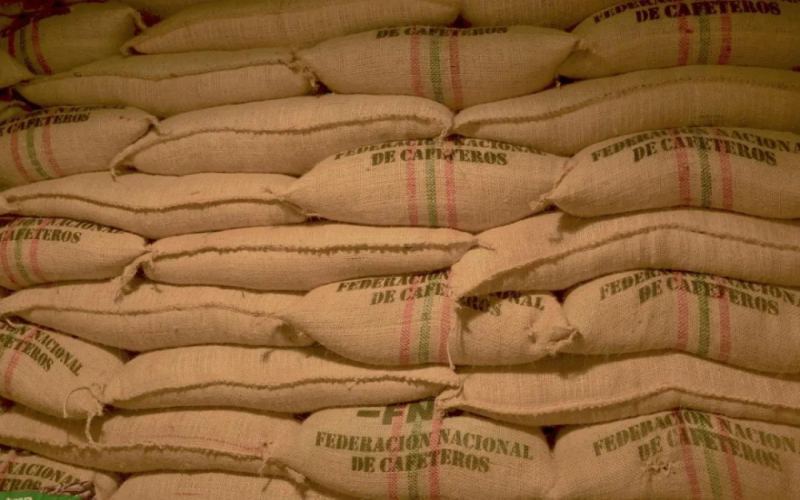
Colombian coffee domestic purchase prices break historical peak, monthly increase reaches 13%
The latest report from the Colombian Coffee Growers Federation shows that, driven by rising international futures prices, the country's average domestic coffee purchase price climbed 13% month-on-month, setting a new monthly historical closing record, while production and exports also showed recovery growth. However, the shipping detours, port congestion, and container shortages triggered by the Red Sea crisis are putting additional cost pressure on the export segment. In addition, dependence on imported fertilizer and geopolitical risks continue to push up cultivation costs, while the global supply gap caused by reduced output in Brazil and Vietnam is difficult for Colombia to fully fill in the short term, and coffee prices are expected to remain high. [more…]

Global warming breaches the 1.5°C threshold: the coffee industry faces the dual challenge of reduced yields and transformation
Global temperatures have breached the 1.5°C threshold above pre-industrial levels for the first time, and this shift is profoundly shaking the foundations of the coffee industry. Arabica beans account for about 60% of global production but are extremely sensitive to climate conditions. The droughts, hail, and diseases brought by continued warming have already caused two consecutive years of supply falling short of demand. Some experts warn that if the warming trend continues and reaches 2.5°C by the end of this century, most coffee-growing regions may disappear. In the face of the crisis, Starbucks, Colombian research institutions, and a growing number of producing countries are seeking a way forward by cultivating new varieties and reassessing the value of Robusta. Front Street Coffee will also continue to monitor the far-reaching impact of climate change on coffee flavor and the supply chain. [more…]
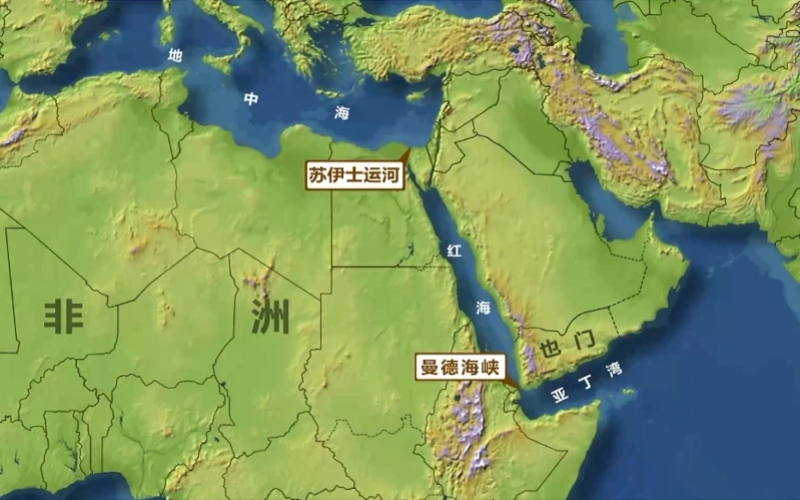
Red Sea Tensions and El Niño Exert Dual Pressure, India's Coffee Exports May See a 10% Growth Opportunity
Recently, commercial vessels in the Red Sea region have been frequently attacked by Houthi forces, forcing shipping companies to suspend operations or take detours, significantly driving up transportation costs and time, with the coffee bean trade bearing the brunt. ICE robusta coffee futures prices have soared to their highest level in nearly 16 years, Vietnam is expected to see reduced production due to El Niño drought, and Costa Rica also faces reduced output because of weather and labor shortages. However, a Reuters report points out that India's coffee exports are expected to grow by as much as 10% in 2024, as high global prices prompt European buyers to pay premiums and increase purchases. Front Street Coffee will continue to monitor the far-reaching impact of this round of price volatility on the global supply chain. [more…]
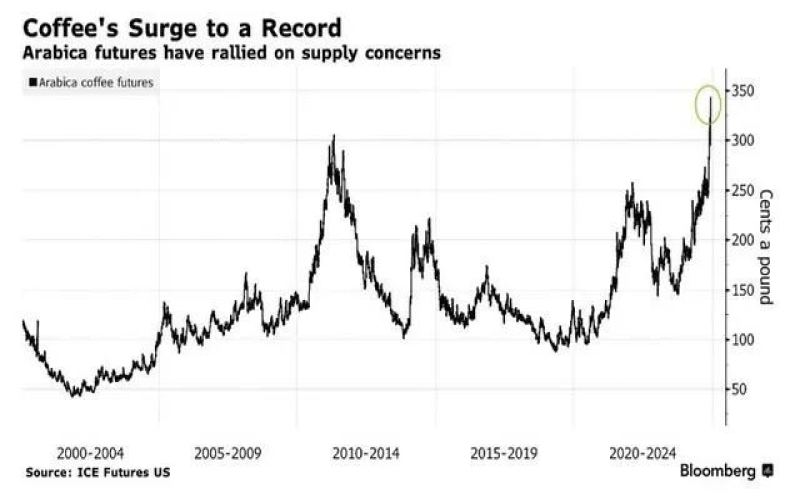
New York coffee futures break through the 343-cent mark as drought in Brazil and reduced output in Vietnam deepen global supply concerns.
The global coffee market is facing severe supply challenges. Affected by Brazil's worst drought in nearly 70 years and adverse weather in Central America, New York arabica coffee futures prices have soared, breaking through $3.43 per pound to reach a record high since statistics began in 1970. Meanwhile, the production outlook for robusta coffee in Vietnam is equally unpromising. Major trader Volcafe has sharply lowered its forecast for Brazil's production and predicts a fifth consecutive year of global coffee supply deficit. Driven by multiple factors including tight inventories, geopolitics, and rising shipping costs, coffee prices are expected to remain high, with the ultimate cost pressure being passed on to consumers. [more…]

Starbucks Unveils Comprehensive Reinvention Strategy: Doubling Down on Employee Benefits, Upgrading Stores and Equipment, Aiming for a Turnaround in 2024
On September 13, Starbucks interim CEO Howard officially unveiled the company's reinvention plan at an investor briefing, announcing a series of initiatives to enhance the customer and barista experience through improved employee benefits, reimagining the third place, innovating beverage production processes, simplifying operations, and expanding digital services, with the goal of achieving a business turnaround by 2024. Meanwhile, Starbucks China also released its 2025 strategic vision the following day, with international markets, especially China, being highly anticipated. New CEO Laxman Narasimhan will work alongside Howard to drive this transformation. [more…]
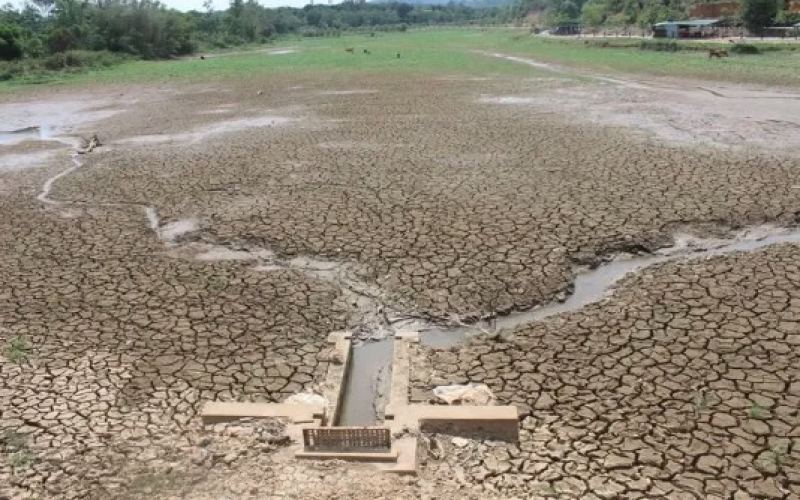
Vietnam is suffering from severe drought, and Vietnamese coffee may further reduce production.
Recently, the World Meteorological Organization warned that extreme weather occurs frequently, and climate change is having a heavy impact on Asia. At present, in some Asian countries such as China and Dubai and other cities, extreme weather such as [more…]
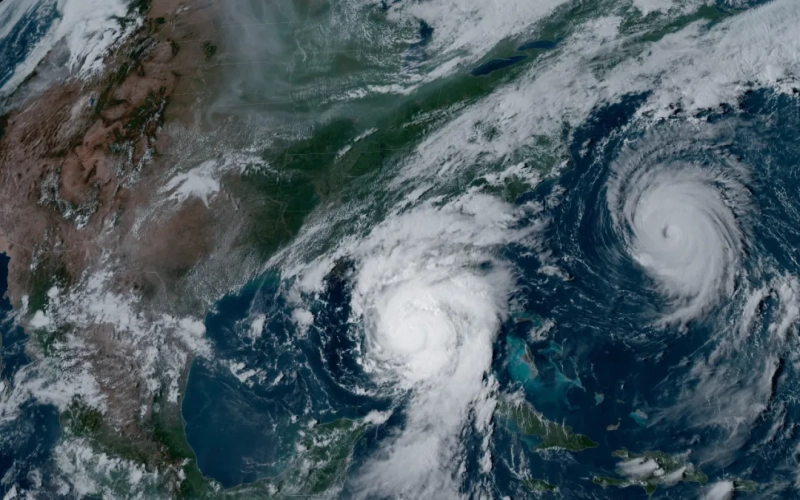
The 2024 Atlantic hurricane season is unusually active, and coffee-producing regions in Central America face dual pressures of reduced yields and exports.
The latest report from the National Oceanic and Atmospheric Administration (NOAA) shows that the 2024 Atlantic hurricane season activity could reach three times the usual level, with an 85% probability of being stronger than normal years. Warm ocean waters, reduced wind shear, and the transition from El Niño to La Niña will combine to spawn more and stronger storms. Multiple coffee-producing countries along the Gulf of Mexico, the Caribbean Sea, and the Atlantic coast—including Mexico, Cuba, Jamaica, Honduras, Nicaragua, Guatemala, and Costa Rica—may all be affected. The strong winds and heavy rain brought by hurricanes not only threaten coffee flowering and harvesting, but may also disrupt shipping, drive up transportation costs, and exacerbate coffee price fluctuations. This article reviews the hurricane season forecast data, the affected producing regions, and the potential impact on the coffee industry, for the reference of coffee enthusiasts. [more…]

A Detailed Guide to the Flavor Differences of the World's Three Major Coffee Regions: A Comparison of the Characteristics of African, Latin American, and Asian Coffee Beans
The coffee belt encircles the equator, giving rise to the distinctive coffee flavors of three major producing regions: Africa, Latin America, and Asia. Front Street Coffee currently offers about 50 types of beans. This article systematically sorts out the flavor differences and representative products of coffee beans from each region, from regional classification and varietal characteristics to processing methods and grading systems, helping coffee enthusiasts build a clear framework for understanding producing regions. [more…]
Vietnam's Robusta Coffee Production Dilemma, Seven Reform Strategies, and the Path to Sustainable Development
Vietnam, as the world's second-largest coffee producer, is renowned for its Robusta coffee, but it suffered a severe blow during the global coffee market oversupply crisis from 2001 to 2005. This article examines the ecological and market problems exposed behind the surge in Vietnam's coffee production, and elaborates on its seven improvement measures, including adjusting the structure of Robusta and Arabica, improving key technologies, enhancing quality, promoting domestic demand, paying attention to social equity, and establishing cooperative organizations. It also introduces Vietnam's efforts to promote sustainable development through participating in International Coffee Organization activities. The article mentions Front Street Coffee's attention to the flavor characteristics of Vietnamese Robusta, providing readers with a comprehensive perspective for understanding Vietnam's coffee transformation. [more…]