







Search Results for: phenylindane

Can Brewing Coffee with a Clay Pot Really Reduce Bitterness? The Principle and Practical Guide to Japan's Tokoname-ware Dripper
Many coffee enthusiasts buy all the equipment only to find cleaning a hassle, and the gear gradually gathers dust. A company under Amazon Japan has launched a product that looks like a teapot but is actually a coffee brewer, with an extremely minimalist structure—just a high-density filter added at the spout. Its body uses the thousand-year-old Tokoname-yaki craft, firing iron-rich clay unglazed, preserving its porous absorbency, which can adsorb the compounds in coffee that cause off-flavors. The bitterness of coffee mainly comes from chlorogenic acid lactones and phenylindanes, and the clay pot's structure can effectively reduce these unpleasant flavors. Using immersion extraction, by controlling water temperature and the coffee-to-water ratio, you can get a clean, full-bodied cup of coffee in 2-3 minutes. This article explains its principles and key operating points in detail. [more…]
Where Does Coffee's Bitterness Come From? The Chemistry of Roasting and the Rise of Milk Coffee
Coffee has long transcended its role as a mere beverage, carrying with it an artistic flair and an aesthetics of living. Its color is like a nostalgic image, its aroma is dreamily alluring, and its taste varies from person to person, with each having their own preference. A cup of coffee contains more than thirty chemical substances, over half of which are trace elements beneficial to health. Together they give coffee its complex flavors of acidity, astringency, and bitterness. Since 1930, scientists have continuously investigated the effects of these chemical molecules on flavor, yet specialized research on bitterness has been relatively scarce. Thomas Hofmann of the Technical University of Munich in Germany conducted in-depth exploration to fill this gap, revealing how changes in chlorogenic acid lactones and phenylindanes at different roasting stages determine the intensity of coffee's bitterness. This discovery not only deepens our understanding of coffee but also provides a scientific basis for coffee manufacturers to reduce bitterness, promoting the combination of sugar cubes, milk, and coffee, and giving rise to classic milk coffee series such as cappuccino, mocha, latte, and macchiato. This article will guide you through the chemical mysteries behind coffee's bitterness and their impact on coffee culture. [more…]
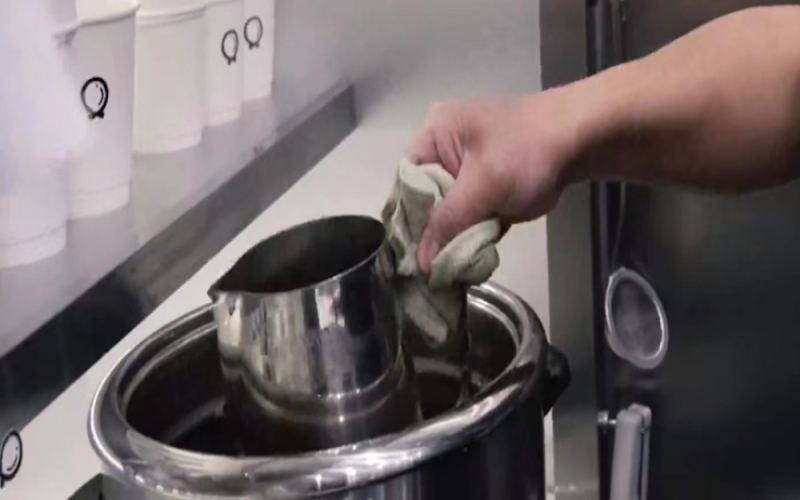
Can a purple clay pot also steam coffee? A new trick for Chinese-style extraction, low-temperature slow brewing brings a rich new experience
Following the buzz in Shanghai coffee shops over "double-boiler" extraction, Chinese-style coffee innovation has taken another step forward—at the Xiamen Coffee Festival, a shop introduced a Minnan-style brewing method using a purple clay teapot to steam coffee. In this method, coffee grounds are placed into a small purple clay teapot, slowly steamed in a bamboo steamer, then filtered and diluted with water for drinking. Its principle is similar to double-boiling: it uses low-temperature slow extraction to reduce bitterness and off-flavors, while the porous structure of the purple clay teapot can also absorb some of the compounds that cause bitterness. From Japanese Tokoname coffee pots to Chinese purple clay teapots, the clever use of ceramics in coffee extraction is being continually explored. This article walks you through the specific steps of this trendy method and the science behind it, and includes related recommendations from Front Street Coffee. [more…]
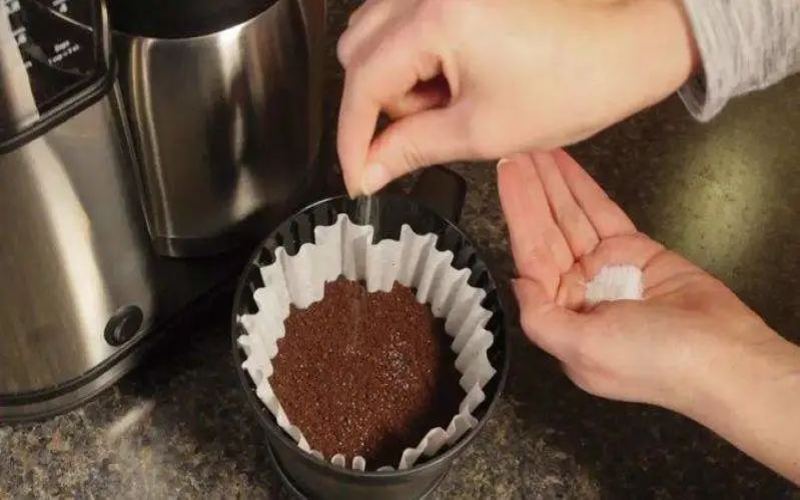
Does adding salt to coffee really make it taste better? A complete interpretation from traditional custom to scientific principle
Adding salt to coffee may sound surprising, but it is not a sudden whim of modern people. From northern Scandinavia to Turkey, from the European coast to Siberia, the tradition of salted coffee has a long history. Salt not only suppresses the bitterness of coffee but also makes sweetness more prominent, and behind this there is both historical origin and the support of food science. This article will start with the origins of salted coffee, sort out the formation mechanism of coffee bitterness, explain why salt can neutralize bitterness, and give specific salt-adding suggestions and dosage references. If you have also wondered whether this cup of salted coffee is actually reliable, you might as well read on. [more…]
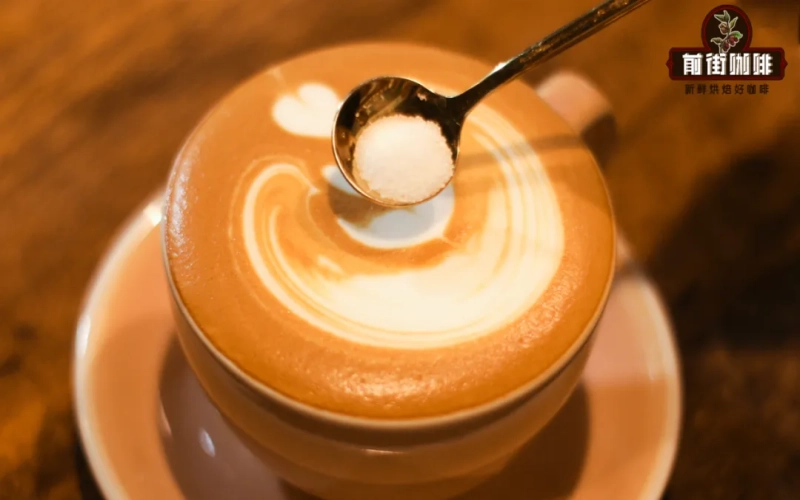
Why Does Adding Salt Make Coffee Sweeter? Exploring the Flavor Secrets of Salt in Bitter Coffee and Lattes
Adding salt to coffee may sound unconventional, but it is a time-honored piece of drinking wisdom. This article will start from the science of taste to explain how salt weakens bitterness and enhances the perception of other flavors by activating taste buds, and review the history of 19th-century Europeans using salt instead of sugar because of the poor quality of coffee. At the same time, we will also explore why adding salt to milk coffee can bring a cheese-like savory and salty layer. Through actual testing, Front Street Coffee found that adding 0.1 grams of salt to a latte and frothing it together with the milk creates a clever balance between sweetness and savory saltiness, adding a completely new experience to coffee. [more…]