







Search Results for: pouring direction
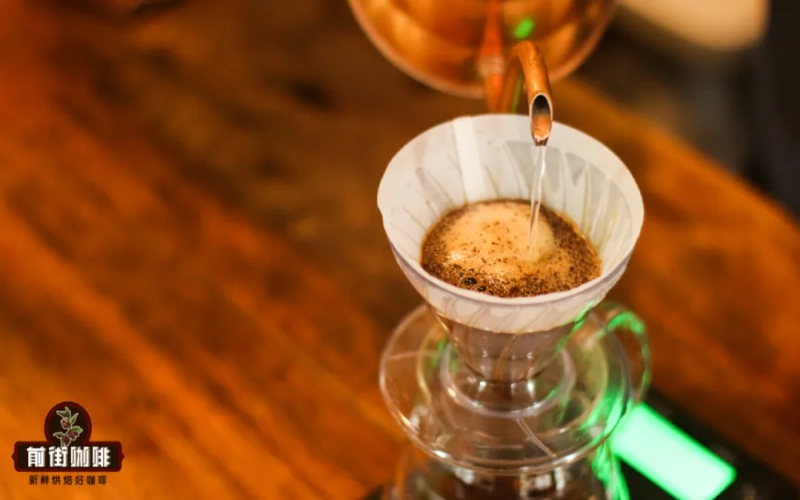
Does the direction of your pour-over circle matter? An experimental analysis of how clockwise versus counterclockwise pouring affects flavor
When brewing pour-over coffee, the direction of the circular pouring motion is a question almost every enthusiast encounters. Most people are used to pouring clockwise, but does pouring counterclockwise change the taste of the coffee? In this article, through a comparative experiment at Front Street, using the same beans, equipment, and parameters, with only the pouring direction changed, we brewed two pots of Huakui coffee and compared the concentration and flavor. The experimental results show that the circular direction has almost no effect on the extraction result. What truly determines the taste of the coffee is the water temperature, grind size, ratio, time, and the agitation from the water flow. Whether you choose clockwise or counterclockwise, as long as you keep the same direction during a single pour, it is fine. [more…]
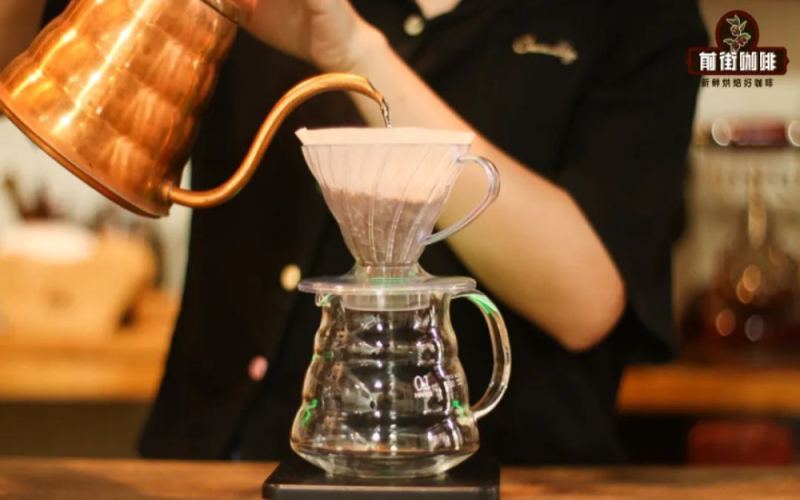
Is There a Particular Direction for Circular Pouring in Pour-Over Coffee? Analysis of Clockwise vs. Counterclockwise Experiments and Key Techniques
Among pour-over coffee pouring techniques, the size and speed of the circular pour are often discussed, but whether the direction of the circle affects extraction flavor has also become a question many enthusiasts are curious about. The spiral ribs of the V60 dripper are arranged clockwise, and some believe that pouring in the same direction can guide the water flow along the ribs and improve uniformity, while pouring counterclockwise may create turbulence by hitting the ribs and change the extraction result. To verify this claim, Front Street conducted a comparative experiment using the same parameters, changing only the pouring direction, and compared extraction time, concentration, and flavor performance one by one. This article will outline the experimental process and conclusions, and explain which pouring factors are truly worth paying attention to. [more…]

Is Counterclockwise Pouring Feasible with a V60 Dripper? An Analysis of How the Spiral Ribs of a Conical Dripper Affect Brewing Direction
Friends who are just getting into pour-over coffee are usually advised to start with the V60 dripper. Once you have the dripper, the next thing to figure out is your pouring technique—circular pouring is the most common way to agitate the coffee bed, but should you pour clockwise or counterclockwise, and does the direction actually make a difference in the cup? Starting from the structural characteristics of the V60, this article breaks down the design principles behind its 60° cone angle and spiral ribs, and through a comparative test at Front Street, brews a medium-light roasted Ethiopian Hualei 7.0 coffee with both clockwise and counterclockwise pouring to compare extraction time, concentration, and flavor performance, helping you decide whether the direction of your circles is really worth fussing over. [more…]
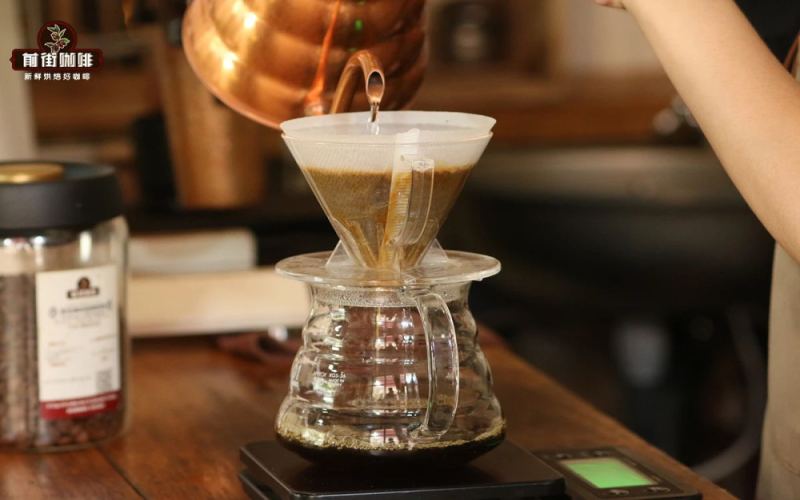
Beginner's Coffee Brewing Demo | What are the ideal pour-over parameters for washed Yirgacheffe coffee beans? Does the direction of circular pouring matter in pour-over coffee?
The issue of pouring water for pour-over coffee has been discussed time and again, but there are also many friends who are just starting out and following Front Street Coffee, saying, "Why can't I brew a good cup?" "Pour-over coffee is so hard!" Pour-over coffee is still a relatively niche circle, and to take care of newcomers, repeating the old familiar topics is unavoidable. As for [more…]
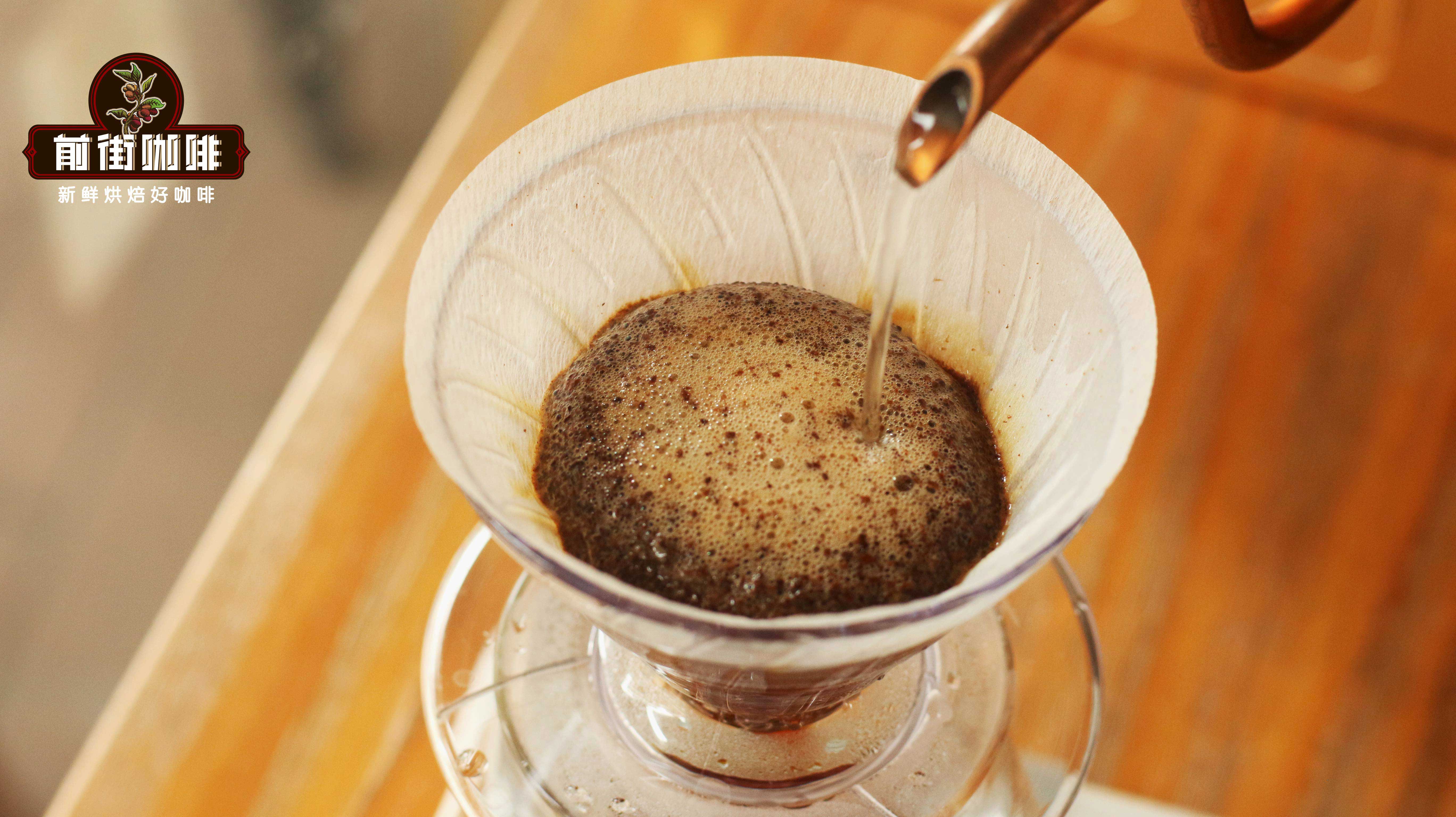
A Complete Guide to Pour-Over Drip Bag Coffee: Water Volume and Temperature Explained — Can You Use Water Dispenser Water Directly? Front Street Brewing Tips Shared
The extraction principle behind drip bag coffee and pour-over coffee is exactly the same: both involve letting hot water pass through a layer of coffee grounds to draw out aroma and flavor. To brew a delicious cup, choosing the right flavor type, picking the right cup, and controlling water temperature and the amount of water are all crucial. This article starts with flavor selection for drip bag coffee, moves on to how cup shape affects taste, and then answers two common questions in detail: Can you brew directly with water from a water dispenser? How much water is actually right for one drip bag? The article also draws on several drip bag products from the Front Street Coffee brand, offering specific step-by-step pouring techniques and water volume recommendations to help you easily brew your ideal flavor. [more…]
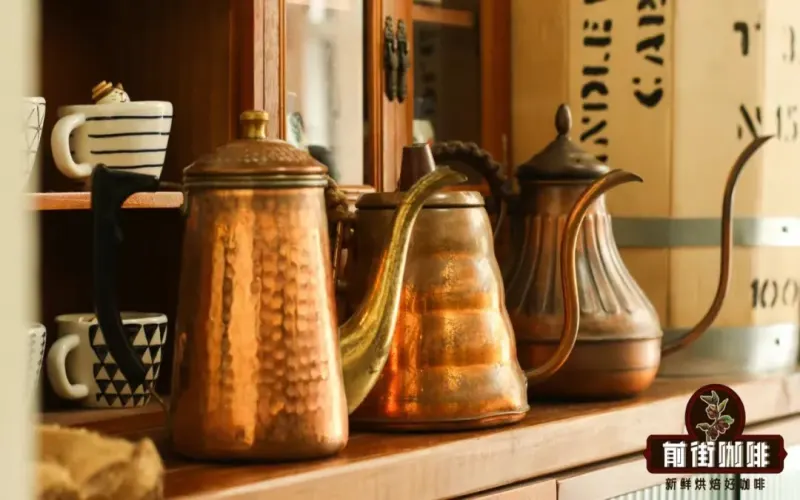
Pour-Over Coffee Kettle Buying Guide: Brand Comparison, Direct-Fire Heating Feasibility, and Pouring Techniques Explained
Faced with a dazzling array of pour-over kettles, choosing a handy piece of equipment has become a puzzle for many coffee lovers. Starting from real-world usage scenarios, this article systematically sorts out the key points for buying a pour-over kettle, answers the common question of whether it can be heated directly, and shares pouring techniques and usage tips. At the same time, combined with the product characteristics of Front Street Coffee, it helps readers find a choice that balances function and value for money among diverse styles, enhancing the daily pour-over experience. [more…]
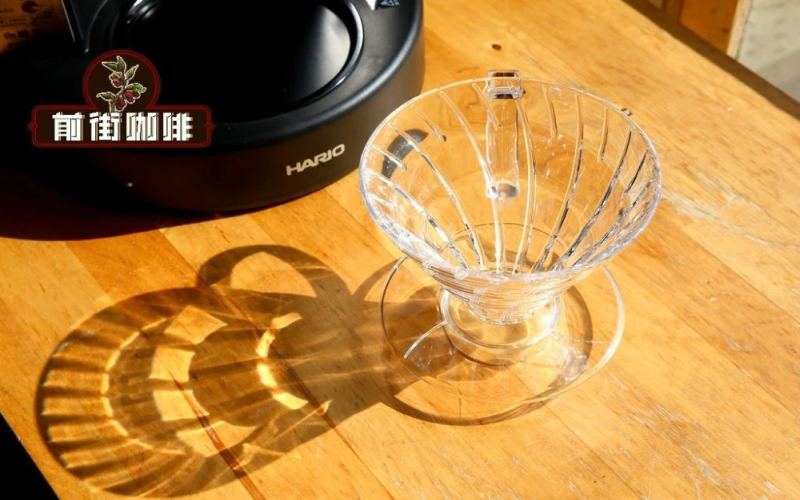
Analysis of the Hario V60 Dripper's Spiral Rib Design: The Effect of Pouring Direction on Extraction Flow Rate
Among the dazzling array of pour-over drippers, the Hario V60 stands out with its unique conical structure and spiral rib design, becoming the top choice for many coffee enthusiasts. How do its 60-degree cone angle, large-diameter outlet hole, and spiral guide grooves affect the extraction layers and taste performance of the coffee? What differences in flow rate and flavor arise when pouring clockwise versus counterclockwise? Drawing on the hands-on experience of Front Street Coffee, this article provides an in-depth analysis of the V60's design ingenuity and shares a stable and reliable three-pour brewing method to help you fully unlock the potential of this classic dripper. [more…]

Can iced pour-over coffee be brewed directly with ice water? A detailed explanation of the extraction principles and parameters of Japanese-style iced pour-over and hot pour-over
Many people, when first encountering iced pour-over, have this thought: since hot americano uses hot water and iced americano uses ice water, then if hot pour-over uses hot water, shouldn't iced pour-over just use ice water directly? This idea sounds reasonable, but pour-over extraction is far from that simple. This article will first clarify the underlying logic of extraction, then explain why brewing with ice water is theoretically feasible but almost no one actually does it in practice, followed by an analysis of the relationship between Japanese-style iced pour-over and hot pour-over, complete parameters from Front Street Coffee for both hot and iced brewing, and finally a real result from an ice water brewing experiment, for coffee enthusiasts' reference. [more…]
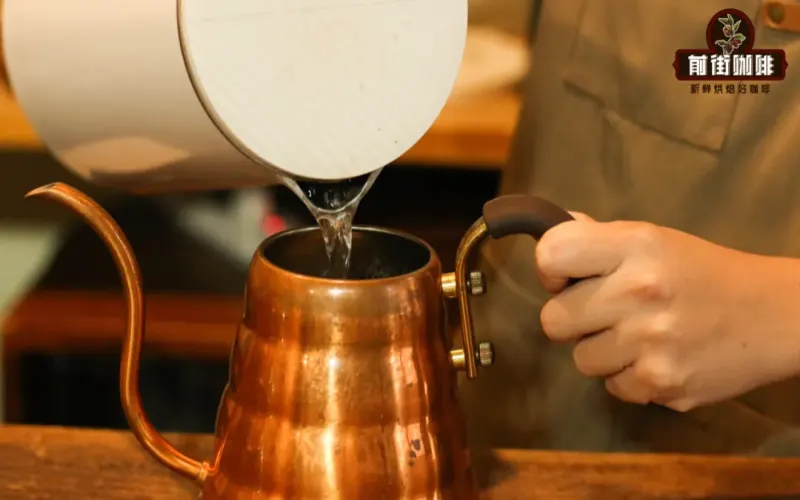
How to Choose a Pour-Over Coffee Pot? What Capacity Should You Pick? Can It Be Heated Directly? Everything Explained in One Article
Many friends who are just getting into pour-over coffee wonder: it's just brewing a cup of coffee, why do you have to use a specialized pour-over kettle? Can't an ordinary kettle pour water too? Is there really a hard-and-fast rule that you must use a pour-over kettle? What capacity should you buy? Can it be heated directly on the stove? This article addresses these frequently asked questions, first explaining that pour-over coffee actually has no mandatory requirement for a pouring tool, then comparing the differences between specialized pour-over kettles and tools like ordinary kettles, to help you understand what makes a pour-over kettle good, how to choose one, and what details to pay attention to when buying. [more…]
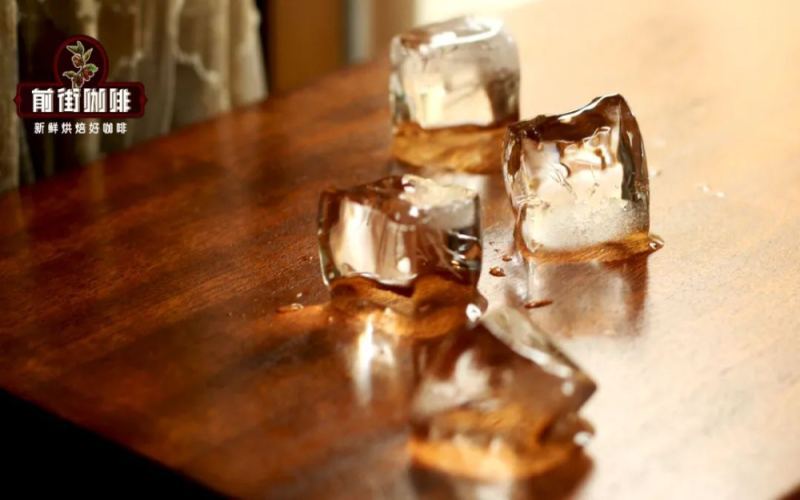
A Complete Guide to Cooling Methods for Iced Pour-Over Coffee: A Comparison of Ice-Bath Cooling, Direct Ice Addition, and Pour-Over-Ice Methods
On a scorching summer day, iced pour-over coffee has become a popular choice in cafés thanks to its refreshing, mellow taste. There are many ways to make iced pour-over, with common methods including placing ice cubes in the lower server first, pouring hot coffee over ice, and the ice-bath cooling method that has become popular in recent years. Different approaches preserve the coffee's flavor to varying degrees, and their ease of operation differs greatly as well. This article takes Front Street Coffee's Emerald Estate Green Label Geisha as an example, using three methods—adding ice directly, pouring over ice, and ice-bath cooling—to brew the same beans, and provides a detailed comparison from the brewing process and cooling efficiency to the final flavor performance, to help you find the summer iced coffee method that suits you best. [more…]
What to Do If Your Pour-Over Coffee Is Ground Too Coarse? The Pros and Cons of Re-Grinding and Practical Solutions for Adjusting Parameters and Brewing Directly
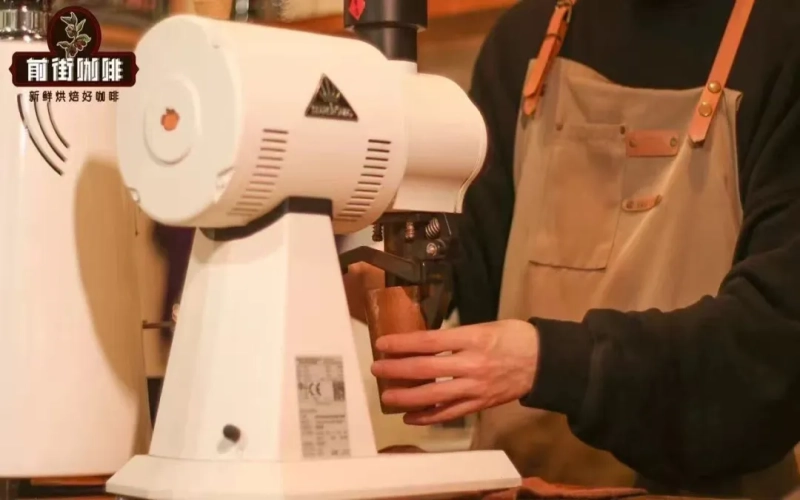
If you accidentally grind your coffee too coarse while making pour-over, can you pour it back into the grinder and grind it finer? This is what's known as re-grinding. Although it's used in professional competitions to improve particle uniformity, it also brings two major problems: an increase in fines and grinder retention. Through experiments, Front Street Coffee found that after re-grinding, nearly 20 grams of grounds might be reduced to only about 13 grams—a shocking loss. If you don't have tools like a bellows, you might want to try a different approach: directly adjust parameters such as water temperature and pouring method, and use the coarser grounds to brew a good cup of coffee. This article uses Panama Elida Anaerobic Natural Catuai as an example to share a specific brewing plan, so you can handle unexpected situations with ease. [more…]
A Detailed Guide to Pour-Over Coffee Pouring Methods: The Differences Between Circular and Center-Point Pouring and Practical Key Points
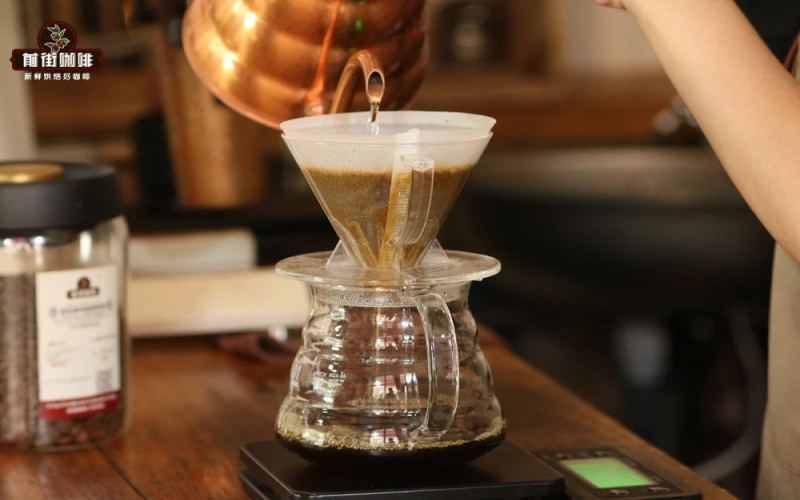
Pour-over coffee pouring techniques have always been one of the topics newbies care about most. Many friends who have just discovered Front Street Coffee often ask: why doesn't the coffee I brew taste good enough? In fact, understanding and applying the right brewing parameters is more important than obsessing over pouring techniques. This article compares two methods—circular pouring and single-point pouring—analyzes how the coffee bed changes, why turbulence occurs, and how stirring intensity affects extraction, while also answering common questions about pouring height and the direction of circular pouring. This set of pouring key points that Front Street Coffee has put together for beginners starts with slow, steady, and straight, helping you avoid channeling and brew an even, delicious pour-over coffee. [more…]
Analyzing the Differences Between American-Style Pour-Over and Japanese-Style Pour-Over: Coffee-to-Water Ratio, Grind Size, and Chemex Iced Coffee Brewing Method
There are obvious differences between American-style pour-over and Japanese-style pour-over in technique, roast level, grind size, and water temperature. Among them, the unique stirring motion and relatively high water temperature of American-style pour-over bring out a rich and bitter flavor. This article analyzes in detail the process of making iced coffee with a Chemex, and further explores the four key extraction points: grind size, time, stirring, and temperature. At the same time, it compares through experiments the flavor differences among the direct pouring method, the standard blooming method, and the blooming-with-stirring method. The article also specifically recommends related products from Front Street Coffee, providing a practical reference for coffee lovers. [more…]

The Channeling Effect in Pour-Over Coffee Brewing: Causes and Prevention
Channeling is often thought to be related only to espresso, but in reality, pour-over extraction can also exhibit this phenomenon. When hot water bypasses the coffee bed and flows directly away through the gap between the filter paper and the dripper, it causes uneven extraction. Drippers with flow-control ribs, such as the V60 and Origami, are more prone to this kind of problem. Channeling manifests differently depending on its severity: in mild cases, hot water flows over the coffee bed and escapes through gaps at the top; in severe cases, the coffee wall is breached, forming obvious fractures, resulting in weak, astringent, and muddy coffee. Fortunately, by adjusting the pouring method—for example, reducing large circular pours and lowering the pouring height—the occurrence of channeling can be effectively reduced. [more…]
Can Drip Bag Coffee Be Steeped Directly? How Many Times Can It Be Rebrewed? A Detailed Guide to Making Iced Drip Bag Coffee
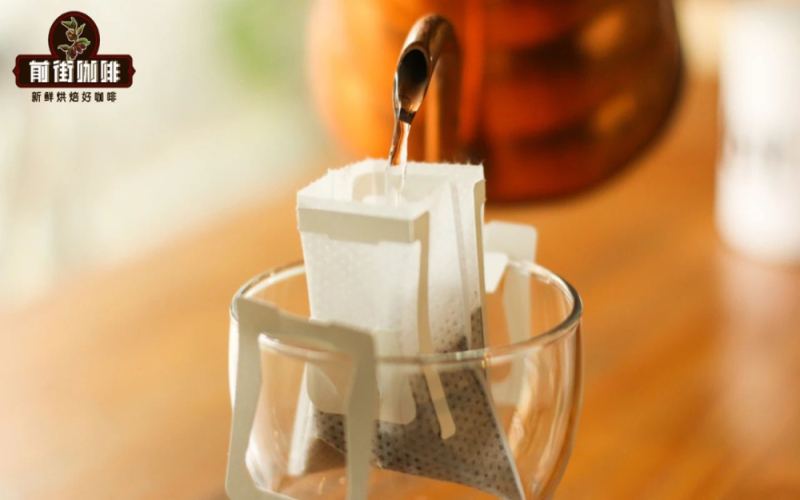
Drip bag coffee, with its convenient brewing method, allows many coffee lovers to enjoy a cup of pour-over-style coffee anytime. All you need is hot water and a cup to easily get a refreshing drink. However, in practice, many people encounter questions: Can you just throw the drip bag directly into hot water to steep? How many times can one drip bag be reused? And how do you make iced drip coffee? This article will address these common questions one by one and introduce drip bag options with different flavors, including Front Street brand products such as Mandheling, Yirgacheffe, and Brazil Cerrado, helping you brew a good cup of coffee at home. [more…]
Does Clever Cup brewing require pre-infusion? A complete analysis from the principles of blooming to practical parameters
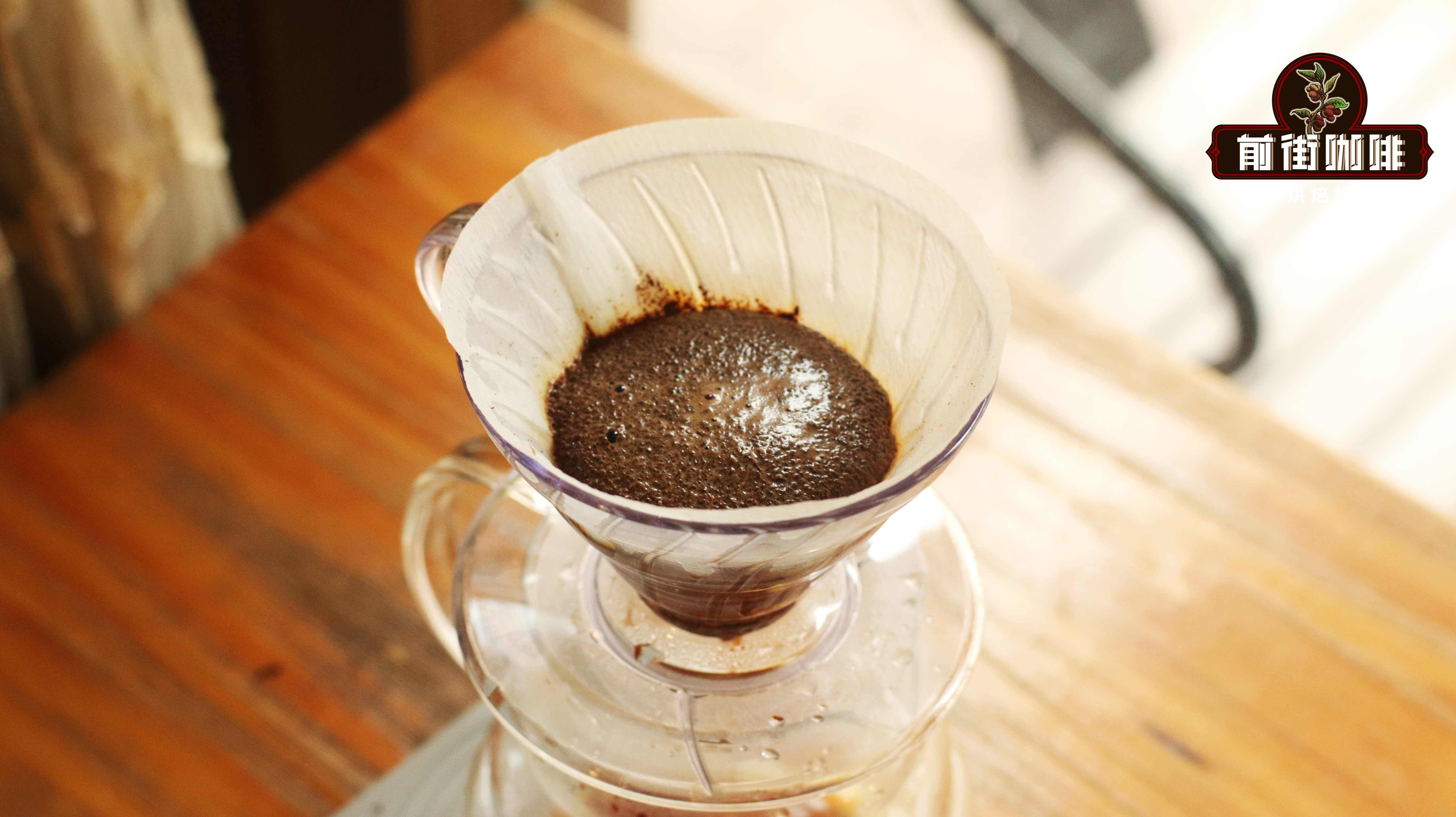
In the pour-over coffee process, blooming is almost an indispensable step, but when we switch to an immersion-style brewer like the Clever Cup, is it still necessary to keep this step? This article will start from the mechanism of blooming, and combine a comparative experiment using two beans—Front Street Coffee Ethiopia Yirgacheffe Red Cherry and PWN Golden Mandheling—to separately test the effects of blooming and direct pouring on the final flavor. Through detailed records of parameters such as grind size, water temperature, and coffee-to-water ratio, as well as a specific comparison of concentration and mouthfeel, we will help you understand what role blooming actually plays in immersion extraction and offer optimization suggestions worth trying. [more…]
Low-Caffeine Pour-Over Coffee Bean Recommendations: A Selection Approach from Taste Direction to Brewing Method
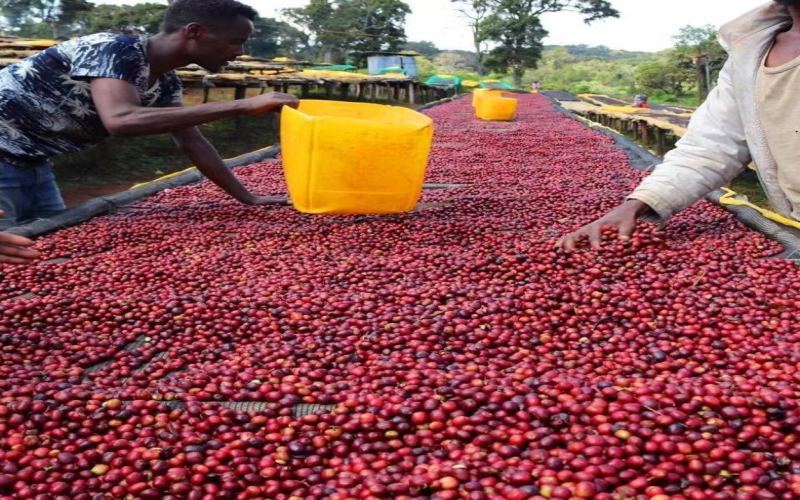
The flavor of a cup of coffee isn't just about sourness or bitterness—it also includes aroma, sweetness, body, mouthfeel, and finish. When choosing beans, first decide whether you want floral and fruity notes, nutty and cocoa notes, or a balance between the two, then match that to the corresponding region, processing method, and roast level. The flavor of pour-over is mainly determined by region, variety, [more…]
Avoid these pour-over coffee self-learning pitfalls, and only then will your brewing skills improve steadily.
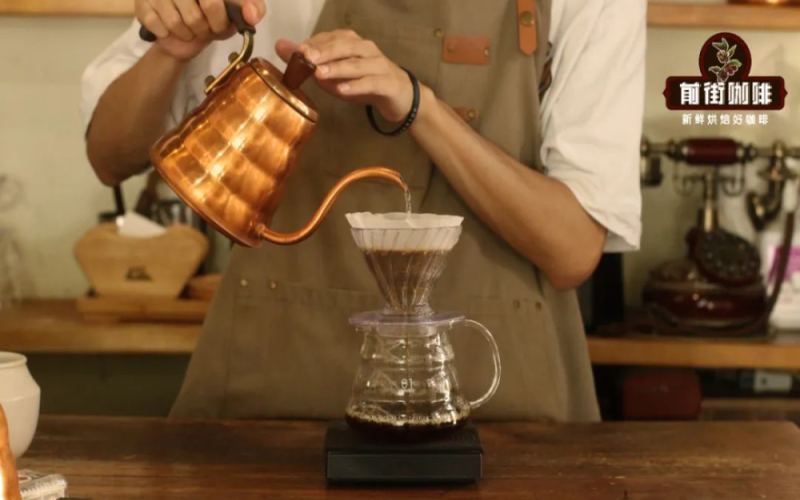
Pour-over coffee, with its clean flavor, low barrier to entry, and flexible operation, has attracted a large number of enthusiasts to teach themselves at home. Although there are many tutorials online, they are often scattered and lack a systematic structure, causing many people to unknowingly fall into pitfalls during practice. From parameter control to bloom timing, from observing the "hamburger" to the direction of circling, and then to the timing of flow cutoff and the trade-offs of the Golden Cup theory, every step can affect the final flavor. This article sorts out six common misconceptions in self-taught pour-over brewing, analyzing them one by one based on practical brewing experience, to help you avoid detours on your self-learning journey, truly understand the essence of extraction, and thereby brew a cup of coffee that satisfies you. [more…]
How to Choose Americano Black Coffee Beans: From Flavor Direction to Brewing Method
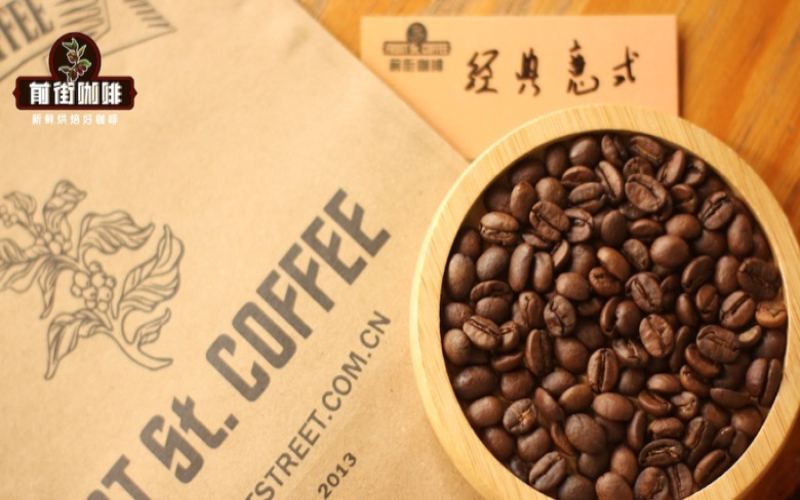
The flavor of a cup of coffee doesn't just go in two directions, sour or bitter; it also includes aroma, sweetness, body, mouthfeel, and finish. When choosing beans, first decide whether you want floral and fruity notes, nutty and cocoa notes, or a balance between the two, then match that to the corresponding origin, processing method, and roast level. The flavor of pour-over is mainly determined by origin, variety, [more…]
Why Does the Coffee Bed Form a Crater in Pour-Over? A Detailed Analysis of Causes and Pouring Adjustment Methods
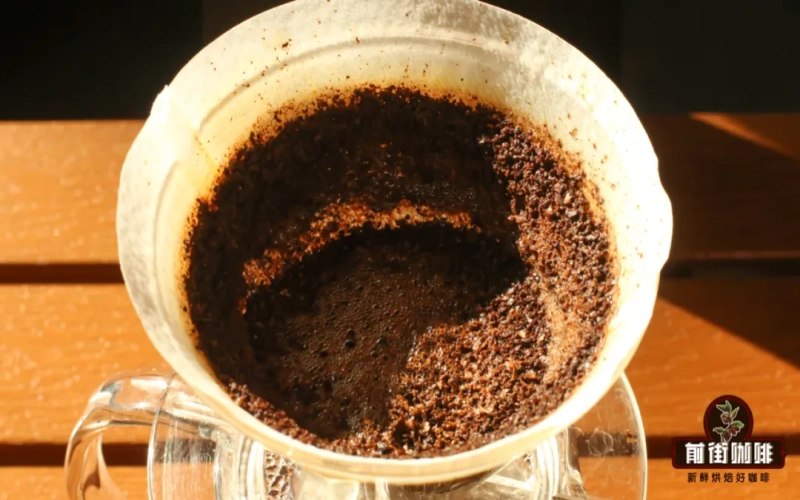
After a pour-over coffee is finished, the state of the coffee bed often reveals whether the water pouring during the brewing process was standardized. An ideal coffee bed should be bowl-shaped, with an intact coffee wall of even thickness, but many coffee enthusiasts find that the coffee bed is "cut in the middle," split into upper and lower sections. How exactly does this faulting phenomenon occur? And what impact does it have on the flavor of the coffee? Starting from Front Street's practical experience, this article will analyze in detail the two causes of coffee bed faulting and provide two adjustment plans—narrowing the pouring range and reducing water flow intensity—to help everyone optimize their pouring technique and make extraction more even and complete. [more…]