







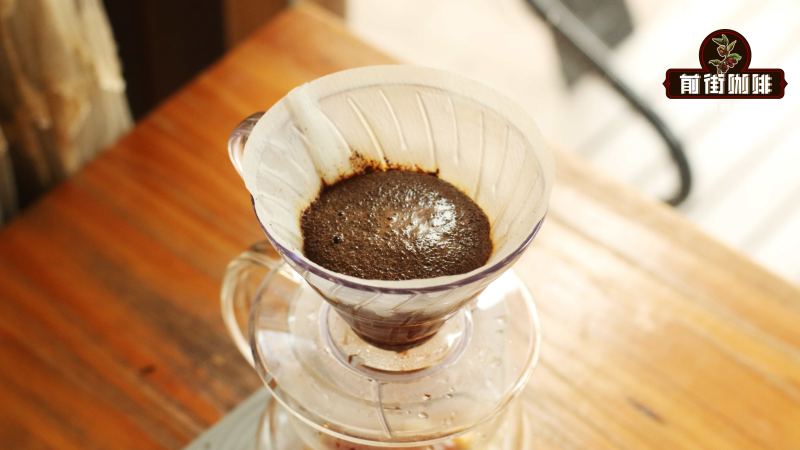
Does the Clever Cup need blooming in the coffee process?
Blooming is not strictly required in the Clever Cup, but it changes the cup. Blooming moistens the grounds so the bed expands, releases carbon dioxide, and forms even gaps for water to move through. In immersion brewing that step builds a more uniform filter layer, while pouring water straight in skips the expansion and gas release entirely.
A side-by-side test compared two coffees, Ethiopia Yirgacheffe Red Cherry and PWN Golden Mandheling, brewed with and without blooming. Yirgacheffe used a medium-fine grind with 80 percent passing a No. 20 sieve, and Mandheling a medium grind at 70 percent. Concentration and mouthfeel were tracked across both, showing where blooming helps the coffee process and where it makes little difference.
In the pour-over coffee process, blooming is almost an indispensable step, but when we switch to immersion-style brewers like the Clever Cup, is it still necessary to keep this step? This article will start from the mechanism of blooming, combined with a comparative experiment using two beans—Front Street Ethiopia Yirgacheffe Red Cherry and PWN Golden Mandheling—to test the effects of blooming versus direct pouring on the final flavor. Through detailed records of parameters such as grind size, water temperature, and coffee-to-water ratio, as well as specific comparisons of concentration and mouthfeel, we will help you understand what role blooming actually plays in immersion extraction and offer optimization suggestions worth trying.
Usually when making pour-over coffee, we first do a bloom, especially in filter-style brewing methods, where this step appears very frequently. So when switching to immersion-extraction coffee, is blooming still necessary?
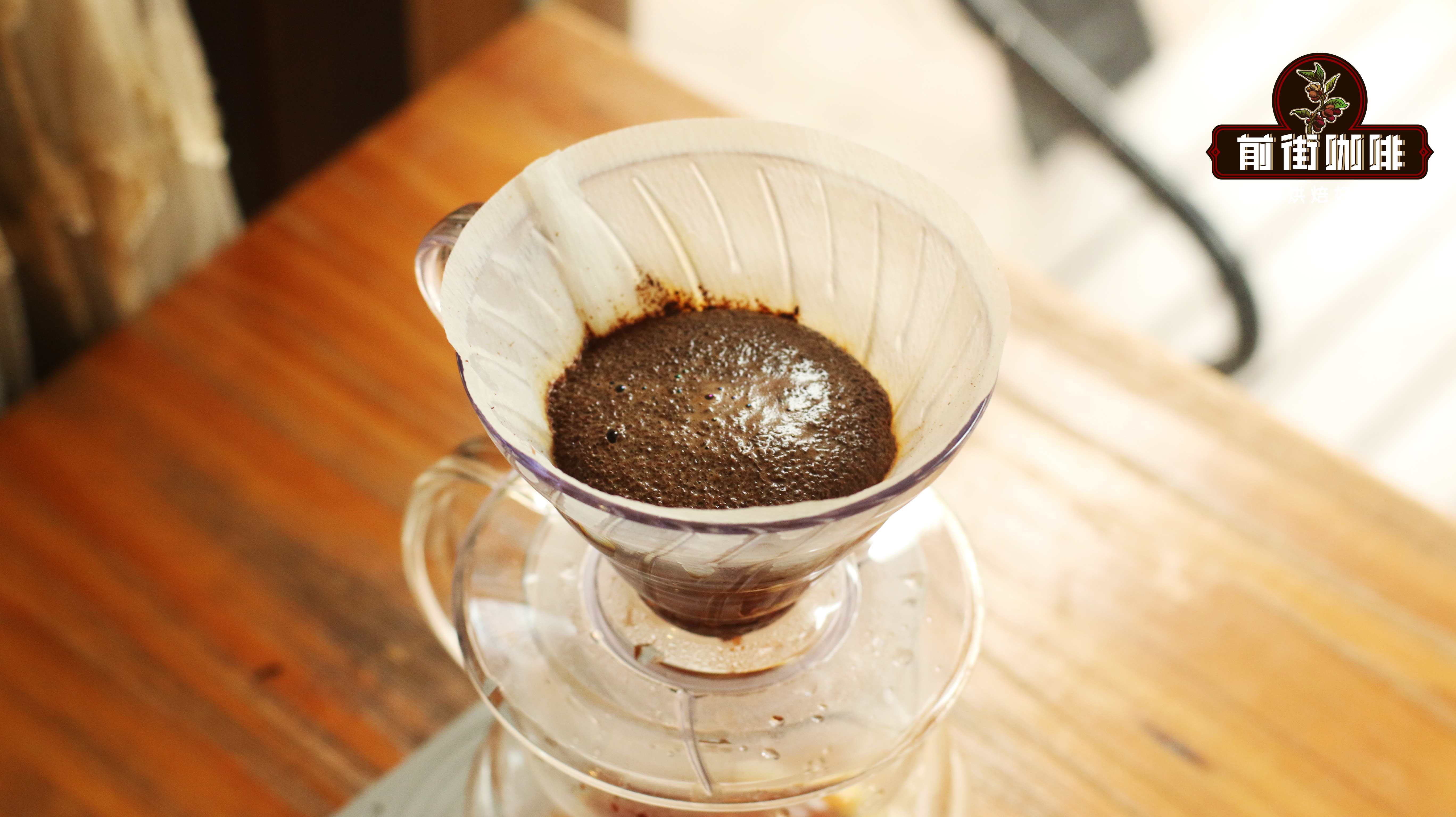
What exactly does blooming mean?
Simply put, it means gently, quickly, and evenly pouring hot water over the coffee grounds when making pour-over, allowing the coffee grounds to be "awakened," prompting them to release a large amount of carbon dioxide, and causing the coffee bed to puff upward. In other words, the essence of blooming is a step that helps the coffee grounds release carbon dioxide.
In immersion extraction, this action is equivalent to moistening the coffee surface, allowing the coffee bed to expand quickly and release gas, thereby building an ideal filter layer. Theoretically, the expansion of coffee grounds is about 1 to 2 millimeters, and after expansion, even water-filled gaps form between the particles, allowing water to move through them quickly and evenly. The significance of pre-infusion is to let these particles expand, form gaps of uniform size, and allow the coffee's aroma to be fully released.
Brewing Experiment
This time we used the Clever Cup and tested with Front Street Ethiopia Yirgacheffe Red Cherry and Indonesian Front Street Front Street PWN Golden Mandheling.
Procedure
The two beans were each compared using two methods: blooming and direct pouring, with the specific settings as follows:
Grind size: Yirgacheffe [medium-fine grind, 80% passing through a No. 20 standard sieve]
Front Street PWN Golden Mandheling [medium grind, 70% passing through a No. 20 standard sieve]
Coffee dose: 15g
Coffee-to-water ratio: 1:15
Water temperature: 92°C for Yirgacheffe, 88°C for Golden Mandheling
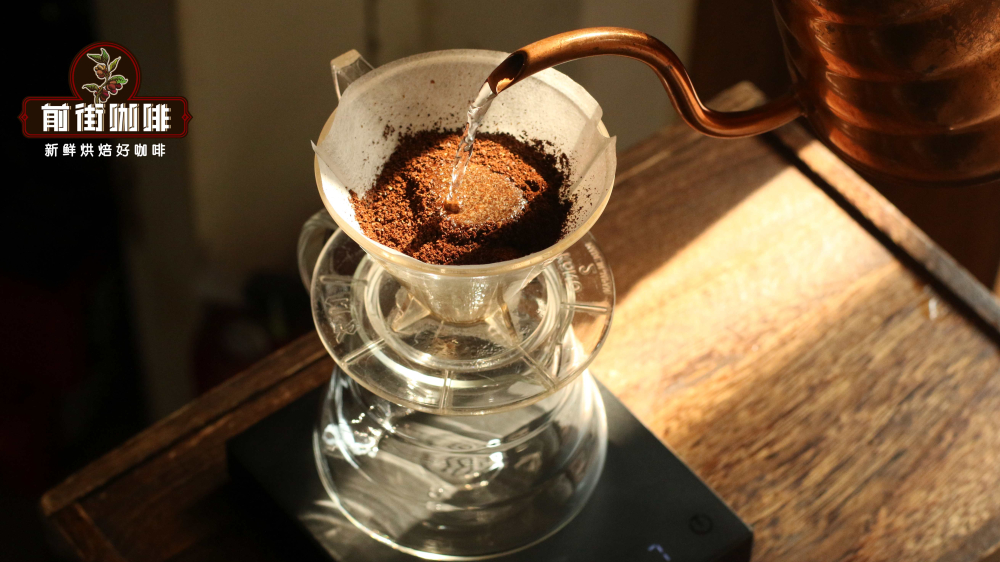
Blooming version procedure: First pour 30g of water and bloom for 30 seconds, then pour water to 225g, wait 3 minutes 30 seconds, for a total extraction time of 4 minutes. After that, place the Clever Cup on the sharing pitcher to filter.
Direct pouring version procedure: Pour 225g of water all at once, wait 4 minutes, then place the Clever Cup on the sharing pitcher to filter.
Flavor Comparison
Yirgacheffe Natural Red Cherry
Blooming version: concentration 1.37%, thick mouthfeel, with berry sweetness and a rich fermented aroma.
Direct pouring version: concentration 1.33%, showing citrus and berry acidity, balanced mouthfeel, with a slight fruity aroma.
Front Street PWN Golden Mandheling
Blooming version: concentration 1.40%, mellow mouthfeel, rich flavors of nuts, cocoa, and caramel, accompanied by herbal aroma.
Direct pouring version: concentration 1.33%, thick mouthfeel, mainly sugarcane and chocolate flavors, easier to drink.
From the flavor performance, the coffee with the added blooming step tasted richer and thicker than the direct pouring immersion version. Front Street believes the reason is that after blooming with a small amount of water, the impact of the subsequent pouring helps stir the coffee bed. Compared with pouring all the water at once in a large stream, this method can bring higher extraction efficiency, so the coffee's body is also enhanced.
Actually, Front Street thinks that for immersion brewing methods like the Clever Cup, it is worth trying to stir with a stirring stick so that all the coffee grounds can participate evenly in the extraction.
The above content is compiled by CoffeeHunters, a coffee news website.


