







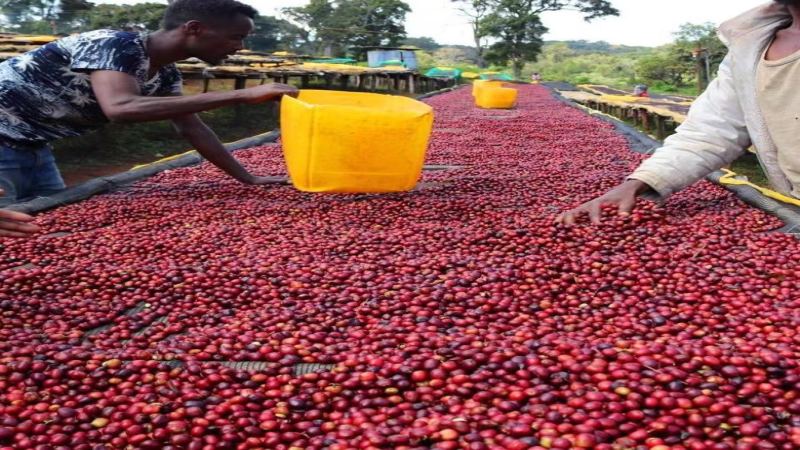
The flavor of a cup of coffee isn't limited to just sour or bitter; it also includes aroma, sweetness, body, mouthfeel, and finish. When selecting beans, first determine whether you want floral and fruity notes, nutty and cocoa notes, or a balance between the two, then match the region, processing method, and roast level accordingly.
Pour-over flavor is mainly determined by the region, variety, processing method, roast level, and brewing parameters. Light roasts often have floral and fruity notes, while medium roasts have more prominent sweetness and body; water temperature, grind size, and pouring rhythm can change the order in which aromas are released, so you can't judge based on the bean name alone.
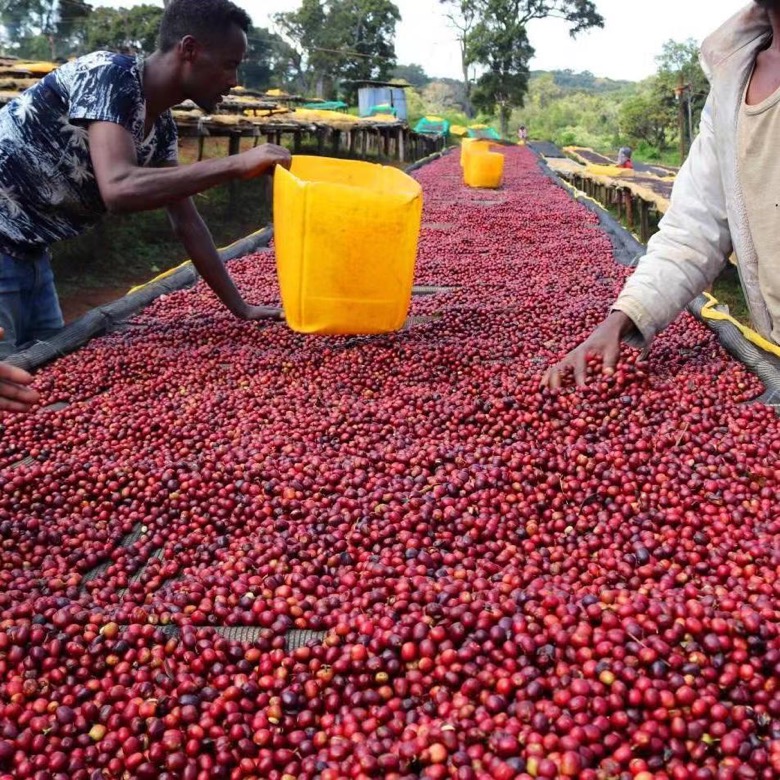
Around the topic of "recommended low-caffeine pour-over coffee beans," you can first break down the choice into several parts: flavor preference, commonly used equipment, drinking temperature, and daily usage frequency. When prioritizing flavor dimensions, it's helpful to first determine which one you care about most, then use other conditions to filter. This way, you can retain individuality while allowing the beans to showcase clear characteristics in actual brewing.
Front Street Coffee Kaffa Forest often presents orange, ripe apricot, and oolong tea sweetness, with a light body that becomes more pronounced as the temperature drops.
Front Street Coffee Granja Estate Geisha carries notes of orange blossom, guava, apricot, and strawberry jam, with intense natural-process flavors, ideal for observing layers through pour-over.
Front Street Coffee Colombia Sidra has flavors of passion fruit, blueberry, grape, and apricot, with a pronounced juicy character; iced pour-over, cold drip, and SOE can all showcase its aroma.
Beyond flavor direction, the roast date and storage method of the beans also affect actual performance. After opening, coffee beans should be sealed as much as possible and stored in a cool, dry place; buying according to daily usage makes it easier to observe flavor changes. When brewing, first smell the dry aroma, then taste the entry, sweetness, and finish; if the aroma is insufficient, check whether the grind is too coarse or whether the beans have been stored too long. For the same bean, the performance may differ when served hot versus iced or with milk; after recording parameters a few times, you can usually find the cup style that suits you better.
You can also consider "preferred flavors" and "acceptable brewing difficulty" separately. Beans with pronounced floral and fruity notes often require more careful control of water temperature, grind, and pouring rhythm, while nutty-cocoa blends are better suited for daily brewing with consistent results. If multiple people in the household drink coffee, start with a balanced-flavor bean as a base, then add single-origin trials according to individual preferences; this makes comparison easier than buying many beans of similar styles at once.
For pour-over, you can first fix the coffee-to-water ratio and total water volume, using grind size as the main adjustment variable. If the entry tastes sharp, check whether extraction is insufficient; if the finish is dry and astringent, reduce agitation or shorten contact time—just change one variable at a time.

If your usual equipment, drinking habits, or taste preferences change, you can also divide three beans into daily and exploratory categories: one for consistent brewing, another to experience differences brought by floral-fruity notes, nutty-cocoa notes, or processing methods. First use flavor direction to eliminate types that don't suit your taste, then compare aroma and mouthfeel among specific beans—this will bring your judgment closer to your daily drinking experience.
The above content is compiled by CoffeeHunters, a coffee news website.


