







Search Results for: pour-over milk coffee

Can Pour-Over Coffee Be Extracted with Milk? A Full Analysis of Latte Milk Temperature and Pour-Over Milk Ratios
Pour-over coffee is loved for its clean and bright flavors, but after drinking too much black coffee, it's only natural to want a change of pace and enjoy a rich, creamy milk coffee. So some friends had a wild idea: can you just use milk instead of water to brew pour-over? Front Street's conclusion is—simple brewing works, but to get a delicious cup of milk coffee, you must solve three key problems. First is temperature: milk above 70°C breaks down proteins and lactose, leading to worse texture and less sweetness, while the high water temperature needed for pour-over far exceeds this limit. Second, the rich substances in milk interfere with extraction, affecting the release of coffee flavors. Finally, there's the technique of ratio and blending. This article will analyze these problems one by one and offer practical advice on latte milk temperature and adding milk to pour-over, helping you find the milk coffee solution that suits you best. [more…]
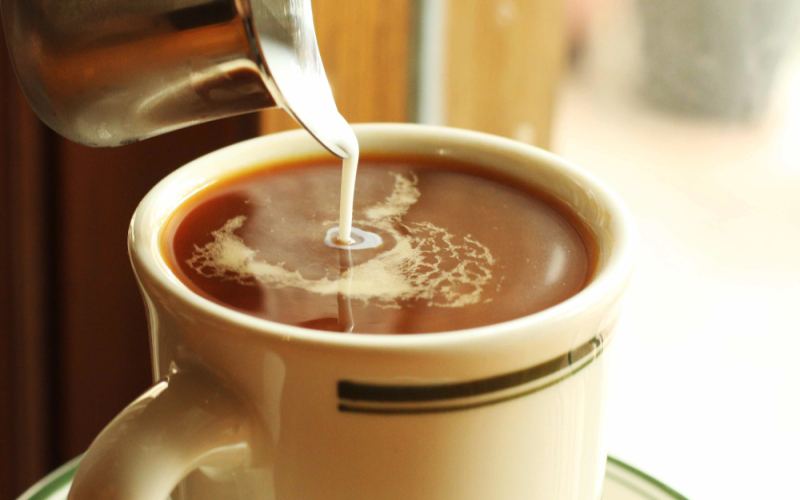
Can You Add Milk to Pour-Over Coffee? Flavor Evolution from Café au Lait to Japanese Methods, with Practical Tips
Whether pour-over coffee can be combined with milk is a topic debated by many coffee enthusiasts. In fact, this way of drinking coffee was already popular in 17th-century France under the name "Café Au Lait," translated in China as "Oulei coffee." Its coffee base is similar to pour-over, mixed with milk at a 1:1 ratio, and it later spread to Japan, where a high-extraction version evolved. The key to whether adding milk tastes good lies in the roast level: medium-dark roasted beans carry nutty and caramel notes, which when combined with milk form a balanced, buttery, chocolate-like flavor; while medium-light roasted coffee with acidic notes is easily masked by milk, turning into diluted sour milk. This article will trace this history and, using Front Street PWN Golden Mandheling as an example, provide a complete demonstration of making a cup of Café Au Lait along with tasting notes. [more…]
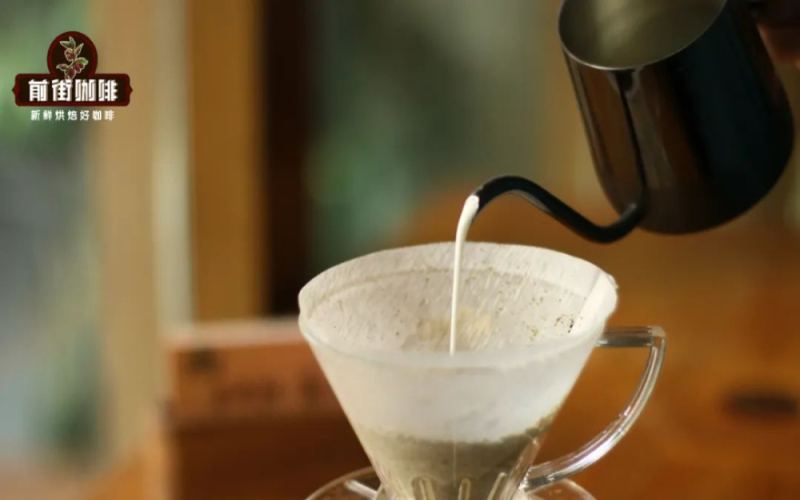
How to Add Milk to Pour-Over Coffee Without Ruining It: A Complete Practical Guide from Bean Selection to Milk Temperature
Want to make a delicious milk coffee at home with pour-over equipment, but always end up with too much milk flavor or the coffee losing its sweetness? The problem lies in concentration, beans, grind, water temperature, and milk quantity. Pour-over coffee has a concentration of only about 1.3%, while espresso is as high as around 9%, so adding milk directly tends to let the milk overpower the coffee. Drawing on brewing experience, Front Street Coffee offers practical parameter suggestions step by step—from choosing medium-dark roasted beans, a grinding standard of 75% passing through a No. 20 sieve, a water temperature of 88–90°C, and a coffee-to-water ratio of 1:9–1:11, to adding 80–100 ml of whole milk and heating it to 60–70°C—to help you make a pour-over milk coffee with a balance between coffee and milk. [more…]

Can Pour-Over Coffee Be Drunk with Milk? Parameters, Ratios, and Steps for Making Milk Coffee with High-Concentration Pour-Over
Will you get beaten up for adding sugar and milk to pour-over coffee? Behind this internet meme, there's actually a reflection of many people's stereotypes about how coffee should be drunk. This article uses this topic as a starting point to explain that coffee is essentially an everyday beverage, and how you drink it is entirely up to personal preference. It then aims to make milk coffee, sharing how to adjust the coffee-to-water ratio, grind size, and water temperature to extract a more concentrated pour-over coffee using Front Street PWN Golden Mandheling, and then mix it with milk in proportion to ultimately get a smooth, flavorful milk coffee. The article includes complete parameters, brewing steps, and tasting descriptions, making it a useful reference for coffee lovers who want to try making pour-over milk coffee at home. [more…]
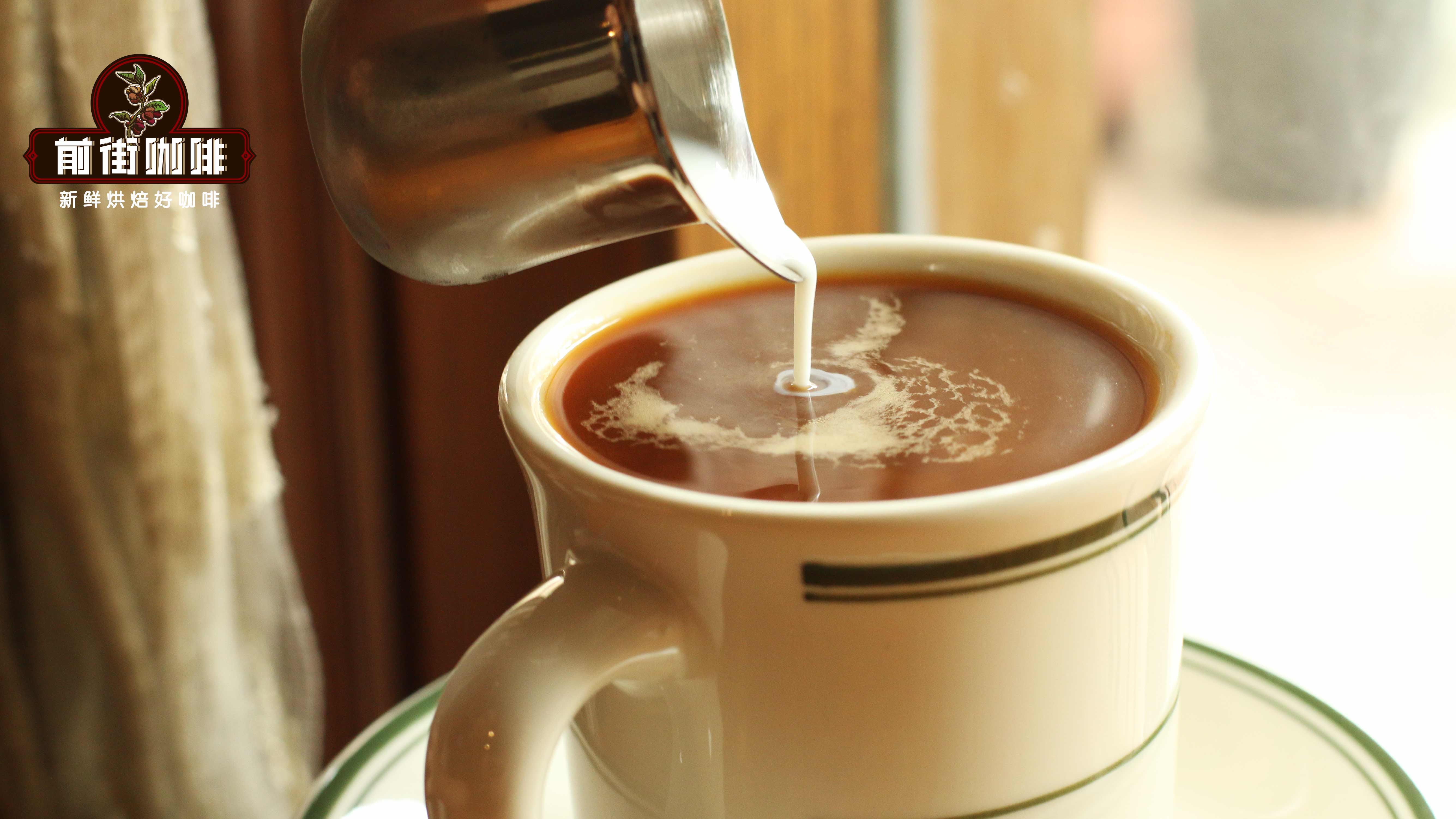
Can Pour-Over Coffee Be Mixed with Fresh Milk? A Complete Analysis from Historical Origins to Ratio Pairings
Pour-over coffee with milk may seem like a "rebellious" way to drink coffee to many coffee lovers. However, this combination is not a whim of modern people. As early as the 17th to 18th centuries in France, a milk coffee called Café Au Lait was already all the rage, and its preparation method was very similar to today's pour-over coffee. This article will take you through the historical origins of adding milk to pour-over coffee, clarify the relationship between pour-over coffee and specialty coffee beans, and provide specific milk-adding suggestions and ratio references for coffee beans with different roast levels. Whether you are a purist who insists on drinking it black or a milk coffee lover who prefers a smooth taste, you can find an answer that suits you. [more…]
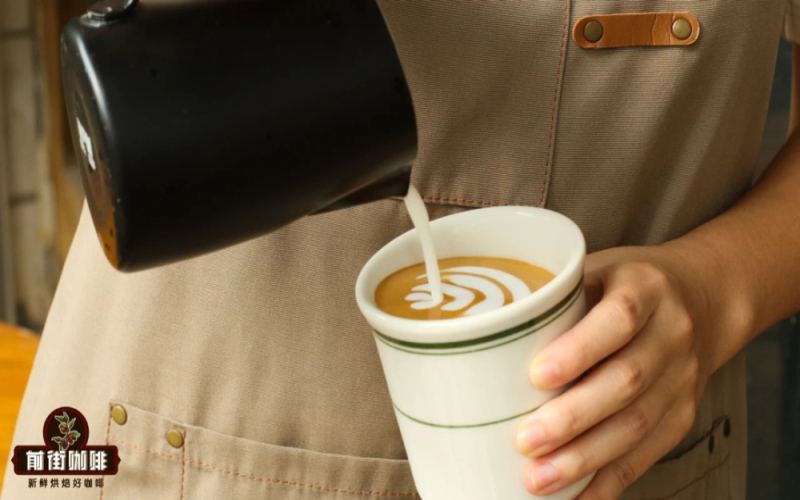
What Milk Should You Choose for Brewing Coffee? Whole Milk vs. Skim Milk—Which Pairs Better with Coffee?
The pairing of coffee and milk is a classic choice for many enthusiasts in their daily drinking. Milk can soften the bitterness while preserving the coffee's aroma, making the entire cup more drinkable. However, different coffee types have different requirements for milk: espresso needs a stronger base to support the milk flavor, while pour-over coffee, being lighter in nature, requires more caution when adding milk. This article discusses the principles of pairing coffee with milk, the coffee-to-milk ratio for latte, whether pour-over coffee is suitable for adding milk, and the difference between fresh milk and pure milk, and shares Front Street Coffee's practical experience in latte ratio adjustment, helping readers find a milk coffee solution that suits them. [more…]
The Correct Way to Mix Coffee with Milk: A Guide to Ratios, Suitable Coffee Types, and the Difference Between Fresh Milk and Pure Milk
The pairing of coffee and milk may seem simple, but it actually places strict demands on the coffee's own strength and flavor profile. Starting from the golden ratio of coffee to milk, this article explains why deep-roasted coffee with a bitter-leaning character is better suited to combining with milk than acidic coffee, and uses espresso and latte as examples to introduce the 1:6.5 blending scheme of Front Street Coffee Sunflower Warm Sun Blend and Vitasoy Fresh Milk. It also discusses whether pour-over coffee can have milk added, which types of pour-over are suitable for adding milk and the recommended amounts, and finally sorts out the five differences between fresh milk and pure milk in terms of shelf life, storage method, sterilization process, nutritional value and taste, helping coffee lovers find a cup that is smooth yet still retains coffee flavor. [more…]

How to make pour-over coffee with fresh milk? The origin of café au lait and home brewing tips
Mixing milk with espresso to make a latte or cappuccino is a dairy-coffee drinking method everyone is very familiar with. But few people know that long before the birth of espresso, Europeans were already in the habit of adding milk to black coffee, and this drink is "café au lait." So how exactly do you make a good-tasting pour-over coffee with milk? This article will start with the historical origins of café au lait, then introduce the types of coffee beans suitable for adding milk, the adjustments needed to brewing parameters, and reference suggestions on milk varieties and amounts, to help you easily make a cup of pour-over milk coffee at home that has balanced flavor and both milky aroma and coffee aroma. [more…]
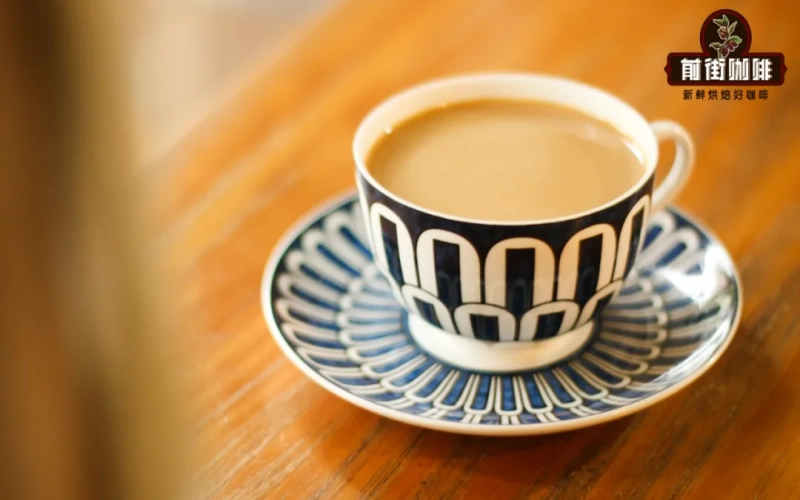
Can Pour-Over Coffee Also Make Milk Coffee? A Complete Guide to Pairing a High-Extraction Pour-Over Base with Milk
When it comes to combining pour-over coffee with milk, most people think of café au lait, but café au lait has a relatively low coffee concentration, and its flavor is easily diluted once milk is added, making it clearly different from an espresso-based latte. Front Street Coffee recently noticed a shop-visit video by a well-known Korean coffee blogger, in which a champion barista used a pour-over method to make a milk coffee with excellent flavor and mouthfeel. This article will focus on the extraction logic of espresso and share how to obtain a very high-concentration pour-over coffee as a base by adjusting the coffee-to-water ratio, grind size, water temperature, and stirring technique, then add milk in an appropriate ratio to create a drink that comes infinitely close to a latte. It will also recommend medium-dark roasted beans suitable for pairing with milk and specific Front Street Coffee products, and include complete brewing parameters and operating steps. [more…]

What's the difference between an Italian milk coffee and a French au lait? Can pour-over coffee actually be made with milk?
Milk coffee actually has Italian and French variations? This seemingly obscure topic actually hides a fundamental difference in coffee strength and mouthfeel. Italian milk coffee uses espresso as its base, with high strength and full flavor; French au lait, on the other hand, uses any black coffee with milk, offering a softer taste and a lighter burden. So can pour-over coffee actually have milk added? How much is appropriate? Starting from Front Street's actual brewing parameters, this article guides you through the essential differences between the two types of milk coffee and provides a specific recipe for café au lait. Whether you're an espresso enthusiast or a pour-over devotee, you'll find the cup that suits you. [more…]

Is It Appropriate to Add Milk to Pour-Over Coffee? Analyzing the Historical Origins and Preparation Differences Between Café au Lait and Latte
In today's world where specialty coffee is increasingly popular, many people believe that adding milk to pour-over coffee will ruin its original flavor. However, looking back at centuries of coffee history, milk has always been an important partner to coffee. This article will guide you through the rationality of adding milk to pour-over coffee, trace the origins of café au lait, clarify its essential differences from latte, and explore how different milk choices affect coffee flavor. Whether you are a purist or a milk coffee enthusiast, the inclusiveness of coffee deserves respect. [more…]

Can you add milk and sugar to pour-over coffee? The flavor logic of single-origin black coffee and Front Street pairing recommendations
Can you add milk and sugar to pour-over coffee? This question seems simple, but behind it lies coffee drinking habits, the flavor logic of single-origin beans, and the professional effort of baristas. This article starts from the freedom of personal taste, discusses the historical convention of adding sugar and milk to drip coffee, and then compares the bean differences between pour-over and Americano, explaining why adding milk and sugar to pour-over coffee makes the origin flavors disappear completely. If you really like black coffee with milk, the article also offers several rich-flavored single origins suitable for pairing with fresh milk, including Front Street Coffee Strawberry Candy, Front Street Coffee Queen's Estate, and Front Street Coffee PWN Golden Mandheling, helping you find a balance between texture and flavor. [more…]
Analyzing the Flavor Differences Between Pour-Over and Americano: Is It Appropriate to Add Milk and Sugar to Black Coffee? Front Street Single-Origin Bean Recommendations
Many friends who are just getting into coffee ask: black coffee is so bitter—can I add milk and sugar? Actually, there is no standard answer to how you drink your coffee; the key is understanding the nature of different coffees. Pour-over coffee and Americano differ noticeably in bean selection and flavor expression—Americanos mostly use blended beans, while pour-overs tend toward single-origin beans, and the latter often carry bright fruity acidity, floral notes, and tropical fruit tones. Precisely for this reason, adding sugar and milk to a carefully brewed pour-over may mask its most precious origin flavors. This article starts from a practical tasting perspective, sorts out these differences, and recommends several suitable single-origin beans from Front Street Coffee for friends who like to add milk to their black coffee. [more…]

Why Is Milk Unsuitable for Pour-Over Coffee? Analyzing the Truth of Milk-Brewed Coffee Through Temperature, Concentration, and Flow Rate
Using milk instead of water to brew pour-over coffee sounds like an interesting experiment, but once you actually try it, you'll find that getting a delicious cup of milk coffee is nearly impossible. Front Street Coffee has shared related experiments many times, and the conclusion is always the same: milk is not suitable for brewing coffee. Three core limitations lie behind this—temperature, concentration, and flow rate. Milk can neither maintain a good mouthfeel at high temperatures, nor avoid severely slowing down extraction due to its own high concentration, and it can even turn drip extraction into immersion extraction. This article will break down these limitations one by one and explain why, if you want to extract coffee with milk, immersion is the more viable direction. [more…]
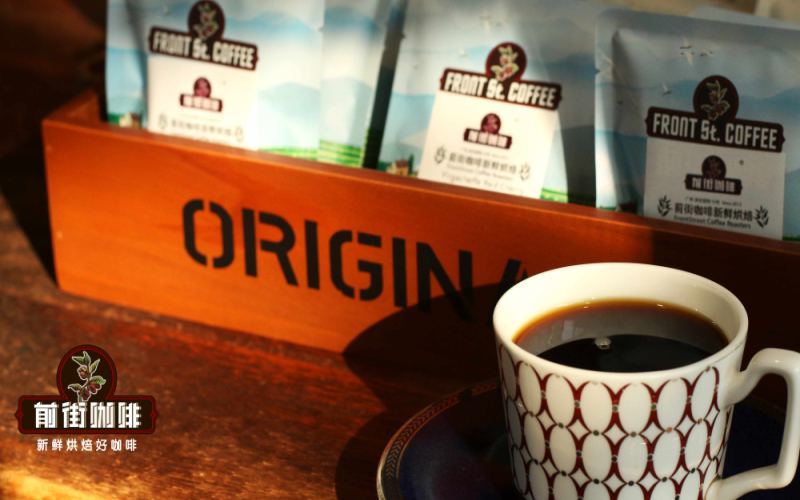
Pour-Over Coffee Heat Retention and Hot Milk Coffee Temperature Control Guide: How to Slow Cooling Without Ruining Flavor
When the temperature drops, coffee cools down noticeably faster, and its enjoyable drinking window shortens accordingly. Once hot coffee goes cold, it often no longer tastes good—for example, Front Street PWN Golden Mandheling tends to turn bitter, while Front Street Yirgacheffe becomes more sharply acidic. This article addresses three questions: whether pour-over coffee can be kept warm in a thermos, why coffee's flavor deteriorates after it cools, and what temperature milk in a latte should be steamed to. It also offers practical tips, including moderately raising the water temperature and milk temperature, preheating equipment, covering and sealing, and using a thermos for short-term storage of pour-over coffee, to help you extend the time your coffee stays tasty without ruining the extraction or mouthfeel. [more…]
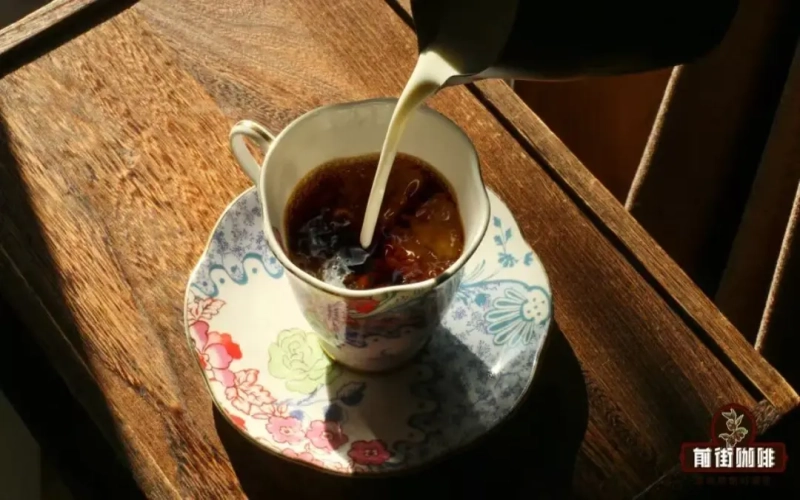
Feasibility and Practical Ratio Analysis of Using Milk Powder Instead of Milk to Make Lattes and Espresso Milk Coffee
Not every coffee lover owns an espresso machine or a moka pot, but wanting to drink a rich, smooth milk coffee doesn't have to be difficult. This article centers on the common question "Can milk powder be used instead of milk to make a latte," and, drawing on Front Street Coffee's practical experience, systematically sorts out the key operating points, ratio suggestions, and precautions for using milk powder in two scenarios: low-concentration black coffee brewed by pour-over and espresso. The article not only explains the principle of reconstituting milk powder into milk, but also gives specific references for powder amount, water temperature, and ratio, and recommends the Front Street Boundary Estate · Sidra coffee beans suitable for making milk coffee. Whether you want to simply experience the fun of using milk powder to make milk coffee, or try using milk powder to steam milk foam for latte art, you can find an executable solution here. [more…]
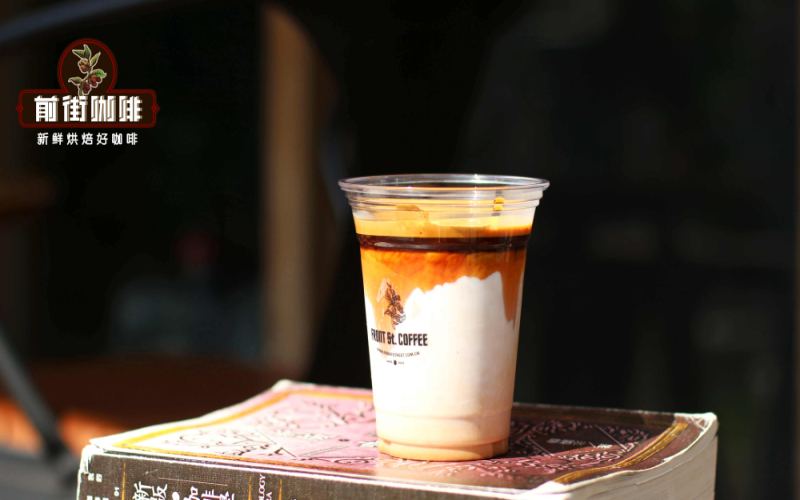
What Is a Latte? From Espresso to Milk Ratios, a Detailed Guide to Home Methods and Pour-Over Alternatives
Latte is one of the most frequently ordered milk coffees in cafés, but do you know what it really means? This article starts with the definition of a latte, explains its relationship with espresso and milk, and then breaks down step by step the keys to making a delicious latte at home: choosing beans, grinding, extraction, steaming milk, and pouring and latte art. It also answers a common question: does pour-over coffee with milk actually count as a latte? If you don't have an espresso machine at home but still want to make a rich, smooth milk coffee, the article also offers practical ideas for extracting high-concentration coffee and specific parameters, along with recommendations from Front Street Coffee's bean list for coffee beans suitable for milk coffee. [more…]

Can You Make Rich Milk Coffee Without an Espresso Machine? The Golden Ratio for Pour-Over with Milk and a Full Step-by-Step Guide
Want to enjoy a rich, mellow glass of milk coffee but don't have an espresso machine at home? In fact, with pour-over methods combined with a few key techniques, you can also make a milk coffee that comes close to the texture of a latte. This article breaks down in detail how to use ultra-fine grinding, high water temperature, long extraction time, and stirring assistance to obtain a highly concentrated coffee liquid under pressure-free conditions, and provides the golden ratio of coffee to milk. The article also recommends the Front Street series coffee beans suitable for home use, and uses Hacienda La Esperanza Geisha as an example to fully demonstrate the entire process from parameter setting to the milk-mixing ratio, helping you easily achieve milk coffee freedom. [more…]

Three Creative Jasmine and Coffee Pairings: A Detailed Guide to Milk Coffee, Cold Brew, and Pour-Over Methods
Jasmine has a clear, delicate aroma that aligns perfectly with the floral notes in coffee. Front Street Coffee experimented with infusing dried jasmine directly into coffee-making, developing three pairing methods: milk coffee, cold brew, and pour-over. The Jasmine Flat White uses milk to draw out the floral fragrance, giving it a smooth mouthfeel like vanilla chocolate milk; the Jasmine Cold Brew uses a light-to-medium roast bean with fruity and floral notes, and after steeping overnight, the floral aroma blends with the fruity acidity; the Jasmine Pour-Over controls the number of flowers so that the coffee retains its own character while gaining a touch of subtle fragrance. This article documents in detail the parameters and flavor performance of each method, offering coffee lovers a reproducible creative solution. [more…]
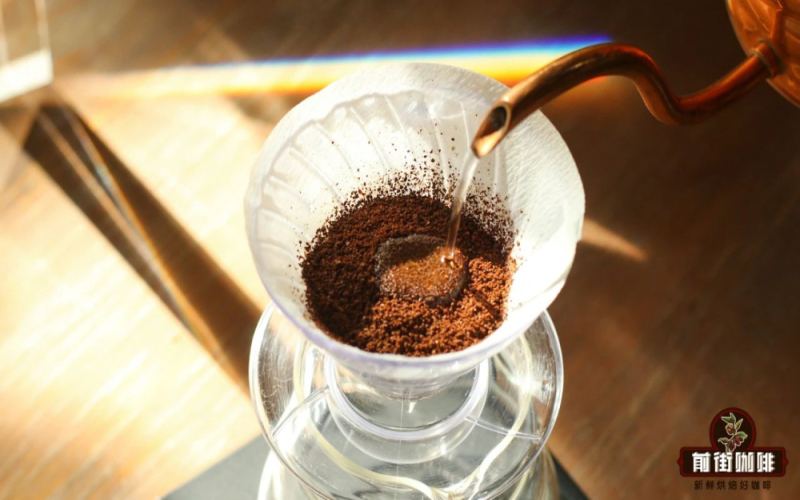
Is It Appropriate to Add Sugar or Milk to Pour-Over Coffee? Flavor Principles and Drinking Suggestions Explained in One Go
Many people who are just getting into pour-over coffee agonize over the same questions: Can I add sugar? Can I add milk or cream? Is it better to drink it hot or let it cool a little? Faced with these questions, coffee books on the market often give answers that are serious or even contradictory—some insist that adding sugar ruins the coffee's original flavor, while others allow only fresh cream. Front Street Coffee takes a rather relaxed attitude here—drink it however you like—but it also adds some notes on flavor. This article looks at sugar and milk from two angles, discussing where coffee's bitterness comes from, the sweet aftertaste of good coffee, and how to choose beans if you want to add milk, helping you respect your own taste while also understanding the reasoning behind coffee flavor. [more…]