








Latte is one of the most frequently ordered milk coffees in cafés, but do you know what it really means? This article starts with the definition of latte, explains its relationship with espresso and milk, and then breaks down step by step the keys to making a delicious latte at home: choosing beans, grinding, extraction, steaming milk, and pouring latte art. It also answers a common question: does pour-over coffee with milk count as a latte? If you don't have an espresso machine at home but still want to make a rich, smooth milk coffee, the article also provides a practical approach to brewing high-concentration coffee with specific parameters, along with recommendations from the Front Street Coffee bean list for beans suitable for milk coffee.
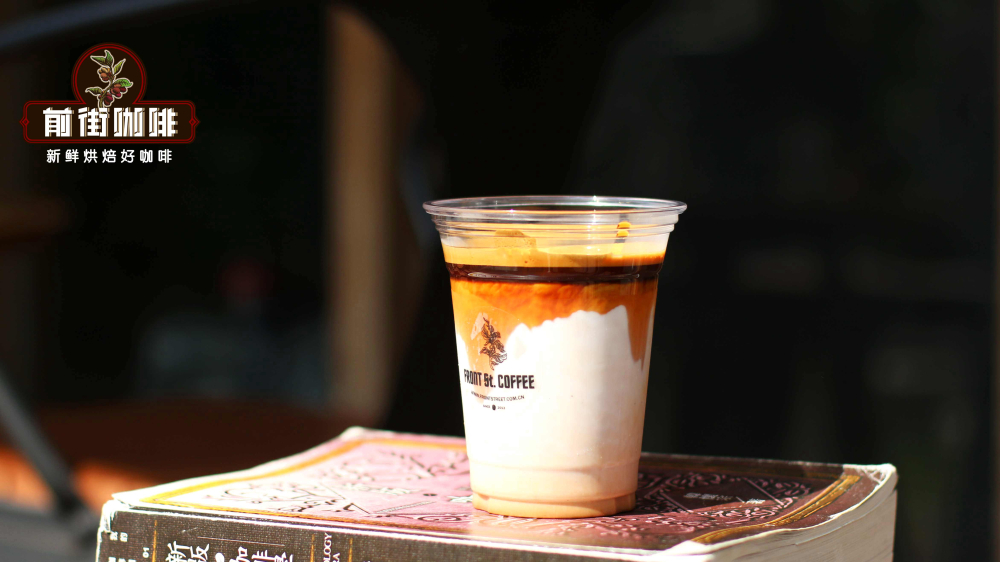
The word "latte" is a transliteration of latte. However, the latte we're talking about today is not the original traditional Italian version. In Italy, it's called caffe latte, meaning coffee and milk — a combination of coffee and milk. What we now order as a latte in cafés is usually a coffee drink made from espresso mixed with fresh milk.
On café sales rankings, latte is almost always near the top. Compared with other milk coffees, latte has a higher proportion of milk, so it doesn't taste as bitter and has a relatively low barrier to acceptance. Therefore, making a delicious latte is also a basic skill that every barista must master.
First, the structure: a latte equals espresso plus milk. Before you start, you need an espresso machine, you need to have all your equipment ready, and you need to use freshly roasted coffee beans.
In principle, any coffee bean can be used to make a latte, but since a latte involves adding a large amount of milk, you need to avoid the flavor being overwhelmed while still highlighting the oily aroma, so light-roast beans are not suitable. Light-roast beans are prone to under-extraction, which ultimately makes the drink thin, sour, and astringent.
If it's your first attempt, you can buy Front Street Coffee's Front Street Classic Blend. This espresso blend is composed of Indonesian Mandheling and Brazilian Red Bourbon, retaining the wild aroma of Mandheling while preserving the smooth taste of Brazilian beans, creating complementarity and harmony in flavor. Front Street Classic Espresso Blend adds Robusta to the Mamba recipe, noticeably enhancing the crema and making the espresso's body more substantial — suitable for home brewing and also for practicing latte art.
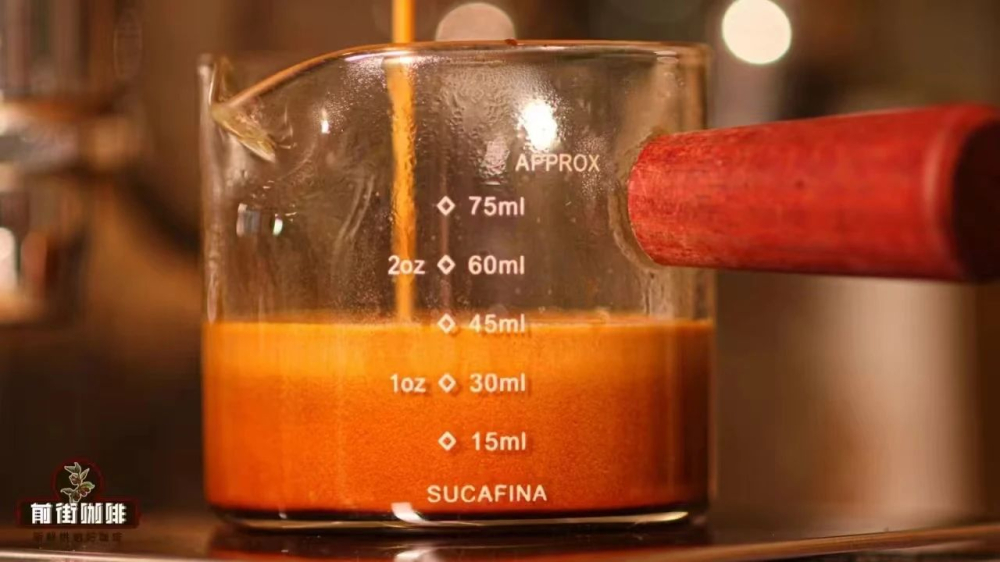
Next, weigh out 20g of Front Street Coffee's Front Street Classic Blend coffee grounds, pour them into the portafilter basket, distribute and tamp into a puck, then extract 40g of coffee liquid. If your basket capacity is 18g, use 17–19g of coffee grounds, keep the coffee-to-liquid ratio at 1:2, and maintain the time at 25–30 seconds.
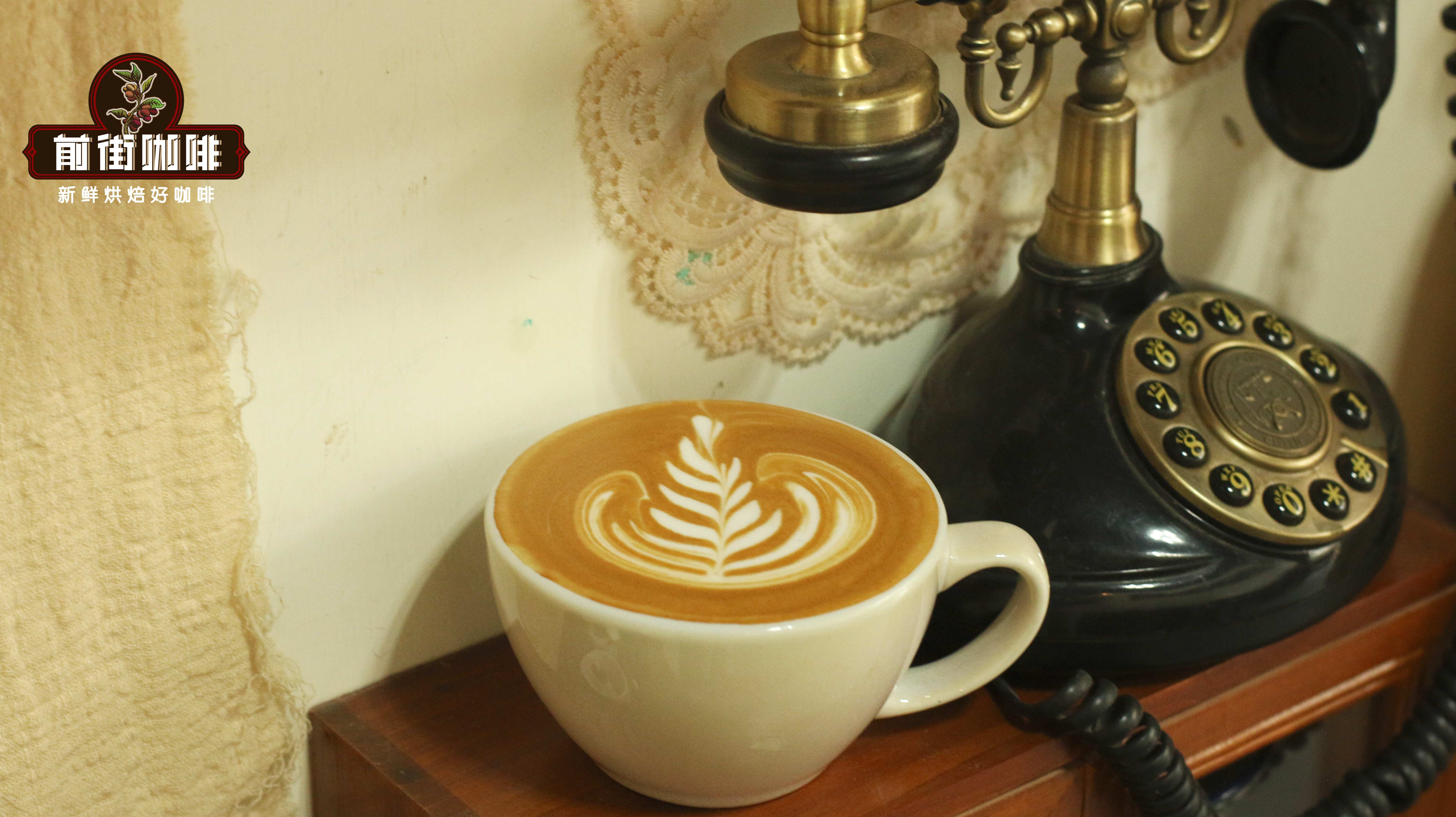
Prepare a coffee cup and pour the extracted Front Street Coffee's Front Street Classic Blend espresso into it. Then measure 240ml of fresh milk into a milk pitcher, and use the espresso machine's steam wand to create 0.3–0.5cm thick milk foam until the milk reaches 55–60°C and has a dense texture — then you can stop steaming. Next, incorporate the milk with the coffee and draw a simple latte art pattern, and a beautiful, delicious latte is complete.
Many customers have asked: if I don't have a coffee machine at home, can I use pour-over coffee to make a latte? How can I make it taste good? In fact, pour-over is a drip extraction method with relatively low concentration overall and lacks crema, so it's hard to compare with espresso, and after adding milk it doesn't really count as a latte in the standard sense. However, if you just want to drink black coffee with milk, it's still an acceptable option.
Some people may prefer this kind of less intense milk coffee, but Front Street Coffee believes that most people who want a milk coffee want something with higher concentration, richer flavor, and a fuller mouthfeel. This requires us to increase the coffee concentration and reduce the water content in the coffee, so that the flavor and mouthfeel aren't overly diluted, ultimately resulting in a milk coffee with excellent flavor and texture.
To get a high-concentration coffee, the specific method is as simple as Front Street Coffee described at the beginning: put coffee grounds and hot water into any container, stir and let it steep, then use a paper filter or any filtering tool to remove the coffee grounds, and you have a high-concentration coffee.
Although this method works with all coffee beans, Front Street Coffee still recommends choosing beans with a darker roast or deeper fermentation. These two types of coffee beans have richer flavor and are easier to extract, dissolving more flavor compounds from the coffee. In other words, it's easier for us to make a milk coffee with a richer taste.
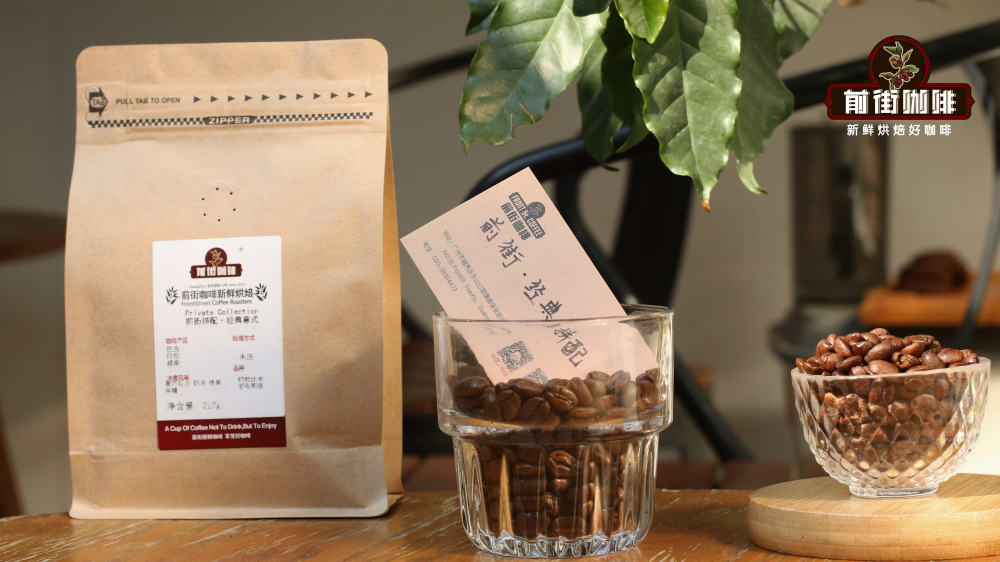
So when making it, try to choose these two types of coffee beans. For example, in the Front Street Coffee bean list, the medium-dark and dark roast options include: the espresso beans recommended by many baristas — Front Street Black Cocoa Blend, Front Street Coffee's Front Street Classic Blend, Front Street Coffee's Commercial Blend, Front Street Coffee's Specialty Blend, Front Street Sumatra · Front Street PWN Golden Mandheling, Front Street Brazil · Queen's Farm, and more.
If you want to choose beans with deeper fermentation and richer flavor, you can look at these in the Front Street Coffee bean list: Front Street Strawberry Candy · Geisha Blend, Front Street Dividing Line Farm · Sidra/Big Belly, Front Street Coffee's Mozart. These are all excellent, and all can be purchased directly from Taobao Tmall.
Here, Front Street Coffee uses Front Street Strawberry Candy · Geisha Blend again, and the extraction parameters are also very simple: 20g of coffee grounds; set the grinder to its finest setting to produce flour-like particles; water temperature of 95°C or above is fine; coffee-to-water ratio of 1:4; extraction time depends on your grind size and stirring time.
First, pour the ground 20g of coffee grounds and 80ml of hot water together into any container.
Then press the timer to start timing, and take out a spoon to stir. Stir for about 30 seconds, then let the coffee steep and extract for 3 minutes.
After 3 minutes, take out the stirring tool again and stir, also for about 30 seconds, then do another 3-minute steep.

If the ground particles haven't reached a flour-like consistency, Front Street Coffee suggests appropriately extending the stirring time and steeping time. Don't worry about over-extraction at all! Because once the liquid reaches a certain concentration, the dissolution rate of flavor compounds drops significantly — that's exactly why we need to stir occasionally to increase the dissolution of flavor compounds.
Once the time is up, prepare a paper filter and filter out the coffee grounds, and you have a relatively high-concentration coffee.
As Front Street Coffee said earlier, the coffee made this way isn't as concentrated or flavorful as espresso from an espresso machine. So when adding milk, the ratio can be slightly higher. The ratio used here at Front Street Coffee is 1:3.5, yielding a final coffee liquid of 36ml, so the milk added is around 126ml.
Finally, you can start tasting your milk coffee! Although the milk coffee made this way isn't as good as what an espresso machine produces, it still meets the standard of being delicious.
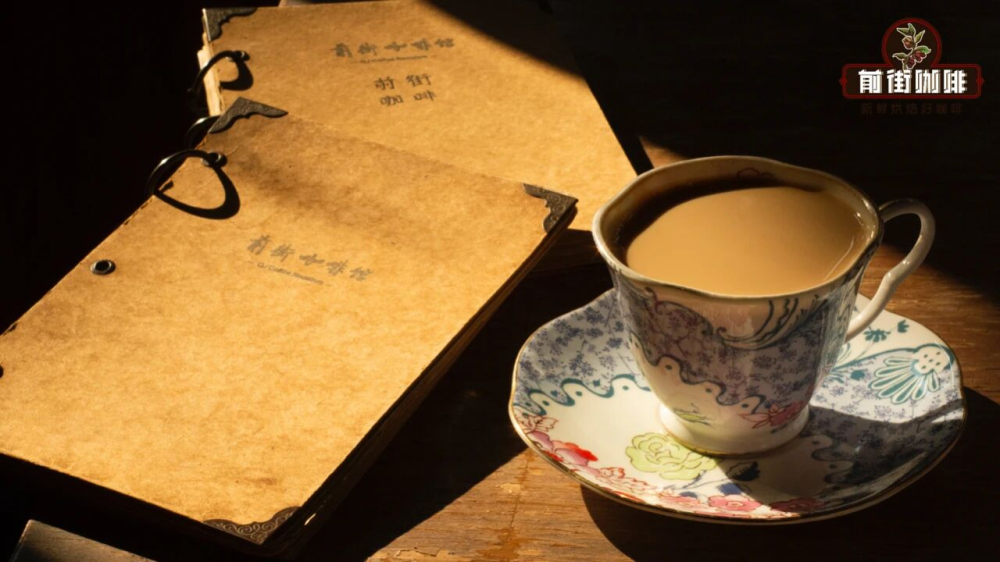
The milk and coffee are perfectly balanced, with a smooth mouthfeel and balanced flavor. When drinking it, you can clearly taste the strawberry candy flavor characteristics, like strawberry gummy candy, white floral notes, and a hint of berry tones. That's all for this Front Street Coffee sharing — those interested can try it at home themselves~
The above content is compiled by CoffeeHunters, a coffee news website.


