







What Is a French Coffee and How Does It Relate to Pour-Over with Milk?
Adding milk to pour-over coffee is not a modern invention. In 17th and 18th century France, a milk coffee called Café Au Lait was widely popular, and its preparation closely resembled today's pour-over method. The combination is therefore older than the espresso-based latte that most people now associate with milk coffee. For different roast levels, the practical guidance is to adjust the milk ratio rather than avoid milk entirely.
Historically, milk coffee was made with brewed coffee long before espresso machines existed, which is why what is a french coffee is often answered with the Café Au Lait example. Today milk coffee usually uses espresso as a base, so adding milk to a hand-brewed cup feels unfamiliar. Roast level matters: darker roasts hold up to more milk, while lighter roasts, including many american coffee beans, show better balance with a smaller milk addition.
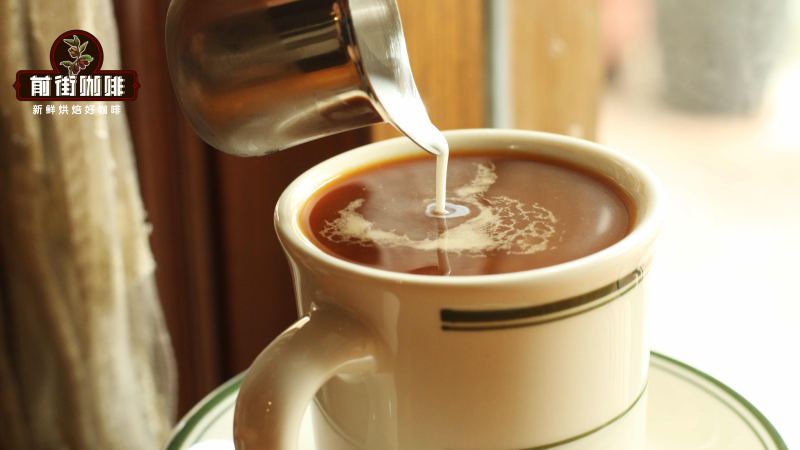
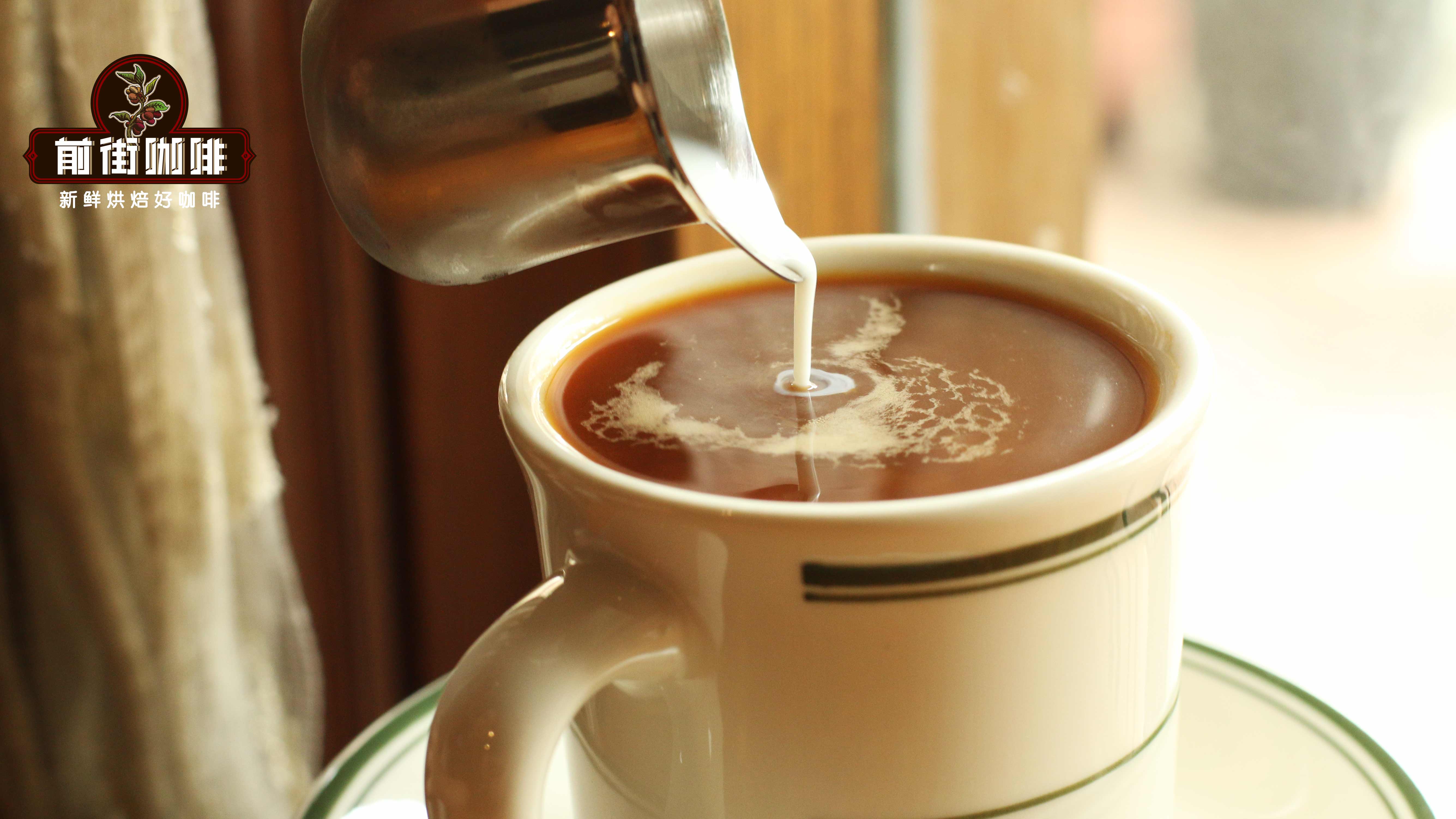
Adding milk to pour-over coffee may seem like a "heretical" way to drink it in the eyes of many coffee enthusiasts. However, this combination is not a modern whim—as early as 17th to 18th century France, a milk coffee called Café Au Lait was already all the rage, and its preparation method was remarkably similar to today's pour-over coffee. This article will trace the historical origins of adding milk to pour-over, clarify the relationship between pour-over coffee and specialty coffee beans, and offer specific milk-adding suggestions and ratio references for coffee beans of different roast levels. Whether you are a purist who insists on drinking it black or a milk coffee lover who prefers a smooth texture, you will find an answer that suits you.
You have carefully brewed a cup of coffee and bring it to a guest full of anticipation, only for them to ask: "Could you add some milk for me?" At that moment, how would you feel?
Take a look at the image below first.
Of course, Front Street Coffee believes the coffee community has always been very inclusive. Many friends regularly rotate among the five types of coffee listed in the image. This image is more of a self-deprecating joke within the community—on the surface it looks like a "chain of contempt," but what it actually reflects is the progression trajectory of a coffee novice.
When you first know nothing about coffee, the easiest thing to come across is naturally instant coffee, which has the largest sales and widest distribution. Later, you discover that some coffee grounds don't fully dissolve, yet the aroma is actually more pronounced, so you turn to drip bag coffee. Then you learn that coffee grounds actually come from grinding coffee beans, and that freshly ground and brewed coffee tastes better, so you step into the realm of pour-over coffee.
The transition from milk coffee to Americano is essentially a return from a composite coffee beverage to pure coffee—much like how tea drinkers don't consider milk tea and tea to be the same thing.
Today, milk coffee is basically made with espresso as the base, with milk added. This way of drinking it has long been taken for granted, and no one finds it inappropriate. But adding milk to pour-over coffee seems novel or even hard to accept in most people's minds. In fact, however, the history of this way of drinking is far older than today's espresso latte.

In 17th to 18th century France, a coffee called "Café Au Lait" was all the rage—translated literally as "coffee and milk," and in China some call it "欧蕾咖啡" after transliterating the latter part. The coffee base of Café Au Lait is quite similar to pour-over coffee, using immersion or pour-over filtration to extract the coffee liquid—immersion means putting coffee grounds directly into hot water to steep or boil, then filtering out the residue with a flannel cloth; pour-over filtration means putting coffee grounds into flannel and repeatedly pouring hot water through. After extraction is complete, the coffee and hot milk are simultaneously poured into the cup at a 1:1 ratio, making a cup of Café Au Lait.
Later, this milk coffee was brought back to Japan, where through a series of artisan-style improvements, it evolved into a method of slow drip extraction through flannel to obtain high-concentration coffee liquid, which is then prepared following the Café Au Lait method. Therefore, adding milk to pour-over coffee is by no means absurd—it has historical origins to trace.
Some may argue that pour-over coffee is meant to taste the most authentic flavor of coffee—wouldn't adding milk ruin the flavor...
Front Street Coffee thinks it's necessary to clarify a few concepts first. The key to pursuing coffee's original flavor lies in the coffee beans themselves, not in the pour-over extraction method. Pour-over coffee is merely a convenient extraction method that can well showcase the flavor of specialty coffee beans. Those excellent-flavored coffee beans can also be extracted to achieve "coffee's original flavor" using a French press or siphon—this is not a unique ability of pour-over coffee. Therefore, it is necessary to distinguish between the two concepts of pour-over coffee and specialty coffee beans.
Second, what we need to explore is not whether pour-over coffee can have milk added, but how to add milk to pour-over coffee so it tastes good. The most important thing about drinking coffee is that it tastes good, and this mainly depends on the roast level of the coffee beans.

Take medium-dark roasted coffee for example, such as the highest-grade Front Street Coffee PWN Golden Mandheling, the Front Street Coffee Queen's Estate with creamy peanut notes, and the Front Street Coffee Blue Mountain No. 1 with rich nutty chocolate aroma—their flavor profile leans toward full-bodied and bittersweet. After adding milk, it not only neutralizes the coffee's bitterness, but the milk's own rich texture also adds a smooth mouthfeel to the entire drink. Most light-roasted coffees on the market today are primarily acidic, and these coffees have relatively low compatibility with milk.
Finally, there's the question of how much milk to use. The principle is actually the same as Front Street Coffee's earlier discussion of how much milk to add to a latte—the key is whether the flavors are harmonious. For example, if you use a high-concentration extraction like the Matsuya method, you can add milk at a ratio of 1:1 to 1:1.5 to achieve balance between coffee and milk. If it's a regular 1:15 coffee-to-water ratio extraction, about 20 ml of milk per 120 ml of coffee liquid will give a more ideal result.

The above content is compiled by CoffeeHunters, a coffee news website.


