







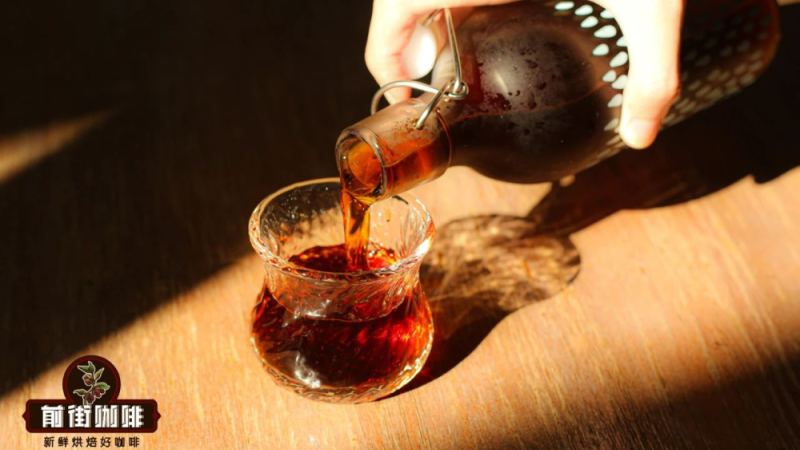
Can you add milk and sugar to pour-over coffee at an americano caf?
Pour-over coffee can take milk and sugar, and whether to add them is the drinker's own call. The practical trade-off is flavor: pour-over mostly uses single-origin beans chosen for bright fruit acidity and clear origin character, and milk or sugar covers exactly those delicate notes, which is why many specialty shops serve it black.
The old drip coffee standard was different. Cafés once brought sugar and milk to the table or set up a condiment station, and that habit lingers. Americano, the closest comparison, is usually built from a multi-origin blend, so it holds up to additions in a way a single-origin pour-over does not.
Can pour-over coffee have milk and sugar added? This question seems simple, but behind it lies coffee drinking habits, the flavor logic of single-origin beans, and the professional dedication of baristas. This article starts from the freedom of personal taste, discusses the historical convention of serving sugar and milk with drip coffee, and then compares the bean differences between pour-over and Americano, explaining why adding milk and sugar to pour-over makes the origin flavors vanish completely. If you really like black coffee with milk, the article also gives several rich-flavored single-origin options that go well with fresh milk, including Front Street Coffee Strawberry Candy, Front Street Coffee Queen's Estate, and Front Street Coffee PWN Golden Mandheling, helping you find a balance between taste and flavor.
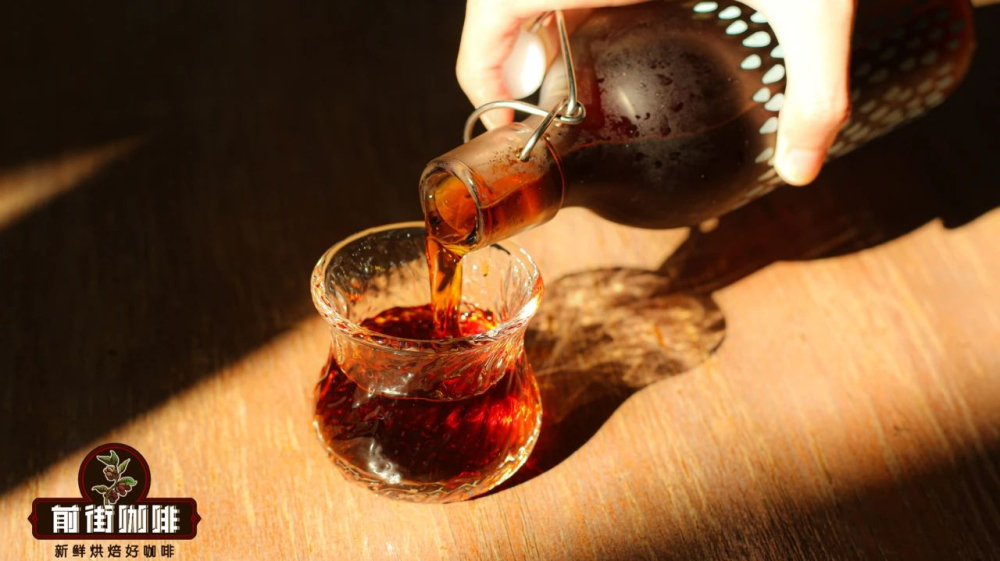
Whether to put sugar or add milk to coffee ultimately depends on the drinker's own preference. As long as it suits your taste, there is nothing to criticize. People who truly understand coffee will not gossip about someone else's cup. Front Street Coffee has always believed that your own cup of coffee is up to you.
There is a fairly key consensus in the coffee world, yet it is rarely brought up—milk can be called coffee's golden partner. The combination of the two can create an alluring taste, and although not everyone buys into it, acceptance is indeed quite high. Interestingly, some seemingly quite professional practitioners also say similar things, which precisely shows that there is a deviation in understanding in the industry right now, causing many coffee people to "hold on to mistaken ideas for a long time and never correct them."
In earlier years, the serving standard for drip coffee (pour-over coffee also falls into this category) was to bring sugar and milk to the table together, or set up a condiment station for guests to help themselves. This had long been standard practice in many cafés.
But now, most people who drink pour-over are somewhat seasoned connoisseurs, and pour-over usually does not appear in ordinary commercial shops; you have to go to a specialty coffee shop to drink it. Pour-over and Americano are two different things: Americano is mostly made with beans blended from multiple origins, while drip pour-over mostly uses single-origin beans, allowing you to taste richer origin character, such as bright fruit acidity, malic acid, floral notes, lemon, and tropical fruit. So here comes the problem—the barista spends the time boiling water, probably five to ten minutes, carefully brews a cup for you and serves it, and you pour sugar and add milk into it. I think the barista would be too heartbroken even to cry. Because once sugar and milk go in, the origin flavor can basically no longer be tasted. Even if you are given a cup of pour-over made with Geisha costing over a hundred yuan, drinking it this way is truly a waste of something excellent.
If we just like adding milk to black coffee, then choose beans with rich flavor. First recommended are the fruity Front Street Coffee Strawberry Candy, the creamy peanut-flavored Front Street Coffee Queen's Estate, and the low-acid, mellow Front Street Coffee PWN Golden Mandheling. These are all excellent single-origin choices to pair with fresh milk.
The above content is compiled by CoffeeHunters, a coffee news website.


