








Is Latte Bitter? Milk Choice and Coffee Pairing
Milk softens coffee's bitterness while leaving the aroma intact, so the ratio between the two matters most. Bitter-leaning coffee works better with milk than sour-leaning coffee, because milk rounds off harsh bitterness without hiding the roast. Coffee with prominent acidity is easily overpowered by milk's sweetness, and the drink ends up tasting mostly of milk. A strong enough base keeps the coffee present in the cup.
Espresso is the standard base for milk drinks, and the familiar result is the latte. Lattes are not necessarily bitter; the perceived bite depends on the beans and the coffee-to-milk ratio. Espresso beans for lattes usually lean on chocolate notes so the blend tastes like chocolate milk. Front Street Coffee's Sunflower Warm Sun blend, combining Honduras Sherry and Ethiopia Yirgacheffe Red Cherry, shows sherry aroma and vanilla chocolate notes.
The pairing of coffee and milk is a classic choice for many enthusiasts in their daily drinking. Milk can soften the bitterness while preserving the coffee's aroma, making the entire drink easier to palate. However, different coffee types have different requirements for milk: espresso needs a highly concentrated base to support the milk flavor, while pour-over coffee, being lighter, requires more caution when adding milk. This article discusses the principles of pairing coffee with milk, the coffee-to-milk ratio for latte, whether pour-over coffee is suitable for adding milk, and the differences between fresh milk and pure milk. It also shares Front Street Coffee's practical experience in debugging latte ratios, helping readers find a milk coffee solution that suits them.

Coffee and milk can be considered a classic combination. When deep black coffee meets silky milk, the bitterness of the coffee is softened by the milk's creaminess, but the coffee's own aroma is still preserved—milk does not completely overpower the coffee's presence. Because of this, the ratio between the two becomes especially critical.
How to pair coffee with milk?
The black coffee used for adding milk must have a sufficiently robust flavor of its own so it isn't masked by the milk. Therefore, the coffee's concentration must be high enough. In terms of flavor direction, coffee with a bitter profile is more suitable for combining with milk than coffee with a sour profile. After adding milk to bitter coffee, the milk can effectively modify the unpleasant bitterness while not obscuring the coffee's aroma. Conversely, coffee with prominent acidity is easily suppressed by the milk's sweetness, and the final drink tastes more like milk is dominating the flavor.
When it comes to the coffee that best matches milk, espresso is unmatched. The combination of espresso and milk is the familiar latte. However, to make a delicious latte, the coffee beans, milk, and their ratio all require attention.
The coffee-to-milk ratio in a latte
The espresso beans used for lattes are mostly based on chocolate flavor notes, so that when blended with milk, they present a chocolate-milk-like taste. Take Front Street Coffee's own Sunflower Warm Sun blend as an example: this bean is a blend of Honduras Sherry coffee beans and Ethiopia Yirgacheffe Red Cherry coffee beans, with obvious sherry wine aroma, vanilla chocolate, and caramel flavors.
When Front Street Coffee makes a latte, the coffee-to-milk ratio used is 1:6.5, meaning 40ml of espresso liquid as the base, with 260ml of milk (including milk foam) added, ultimately resulting in a latte with rich chocolate notes and a whisky aroma.
Of course, 1:6.5 is not a universal golden ratio; it also needs to be adjusted according to the flavor performance of the espresso and the taste of the milk itself. Front Street Coffee also used the Sunflower Warm Sun blend coffee beans and Vitasoy fresh milk, and only determined this ratio after repeated testing.

In the ratio tests with Sunflower Warm Sun blend coffee beans and Vitasoy fresh milk, if the ratio was 1:6 or below, the coffee flavor would be too intense and the overall balance would seem off; if the ratio was 1:7 or above, the milk flavor would completely cover the coffee, making the coffee bland. Therefore, to make a delicious milk coffee, the coffee-to-milk ratio is indeed crucial.
Can pour-over coffee also have milk added?
Compared to espresso, pour-over coffee is much less concentrated (espresso is about 9% concentration, pour-over coffee about 1.3%), and pour-over usually focuses on single-origin coffee beans. Such beans are often considered to be of superior quality, and many people do not recommend drinking them with milk, feeling it would be a waste.
But Front Street Coffee believes that the public's acceptance of milk coffee is generally high, and there are many examples of people moving from milk coffee to pour-over coffee. Moreover, adding milk to any type of coffee is not really a taboo. For people not used to black coffee, coffee with milk is actually easier to drink.
However, milk should not be added arbitrarily either. As mentioned earlier, an improper ratio can be counterproductive. Therefore, Front Street Coffee shares some milk-adding suggestions for light-roast coffee, which is lighter than espresso.
Similarly, pour-over coffee with fruity notes and prominent acidity is not suitable for adding milk. First, this type of coffee is itself light and refreshing, and rarely causes discomfort; second, adding milk may directly mask the coffee's flavor and may even produce a sour taste resembling spoilage.
So milk is more suitable for pairing with medium-to-dark roast coffee that presents nutty or chocolate flavors. Since pour-over coffee itself is not highly concentrated, it is easily robbed of the leading role by excessive milk. Adding milk to pour-over is usually intended to improve smoothness, neutralize some bitterness, and make the coffee easier to drink. Therefore, Front Street Coffee suggests adding 20ml of milk to every 100ml of black coffee.
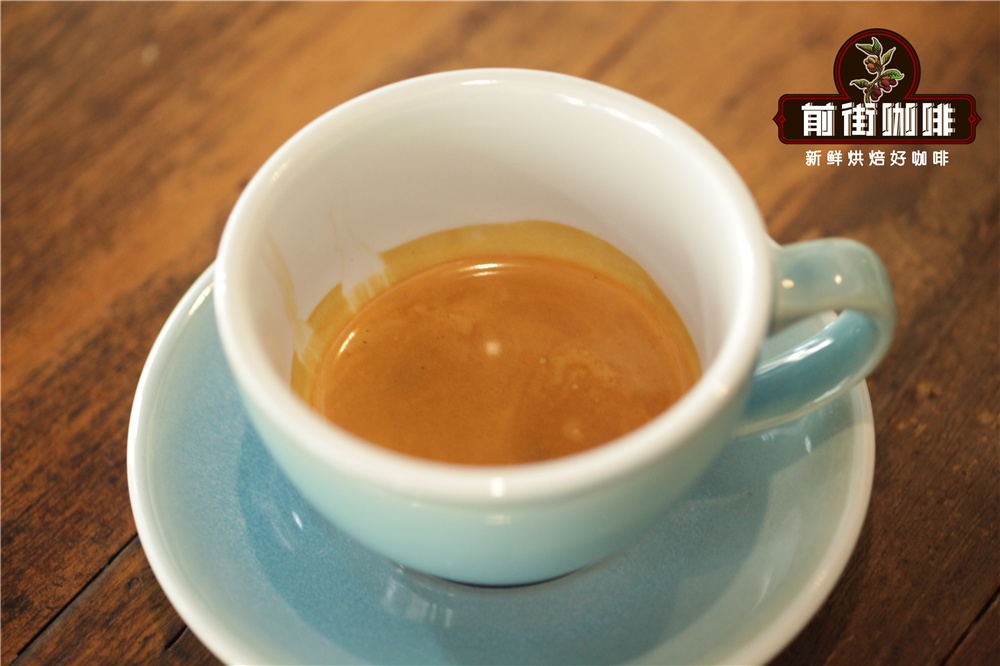
A little knowledge about fresh milk and pure milk Fresh milk and pure milk differ by only one word, but the difference is quite significant, specifically shown in:
1. Different shelf life: fresh milk generally 7 days, pure milk up to one year. 2. Different storage methods: fresh milk must be refrigerated, pure milk can be kept at room temperature away from light. 3. Different sterilization methods: fresh milk uses pasteurization, pure milk uses instant high-temperature sterilization. 4. Different nutritional value: fresh milk has higher nutritional value than pure milk. 5. Different taste and mouthfeel: fresh milk has a stronger milky taste, while pure milk has a lighter milky taste.
For more specialty coffee knowledge sharing, please follow the WeChat official account: Front Street Coffee (FrontStreet Coffee)
The above content is compiled by CoffeeHunters, a coffee news website.


