







Search Results for: portafilter basket selection
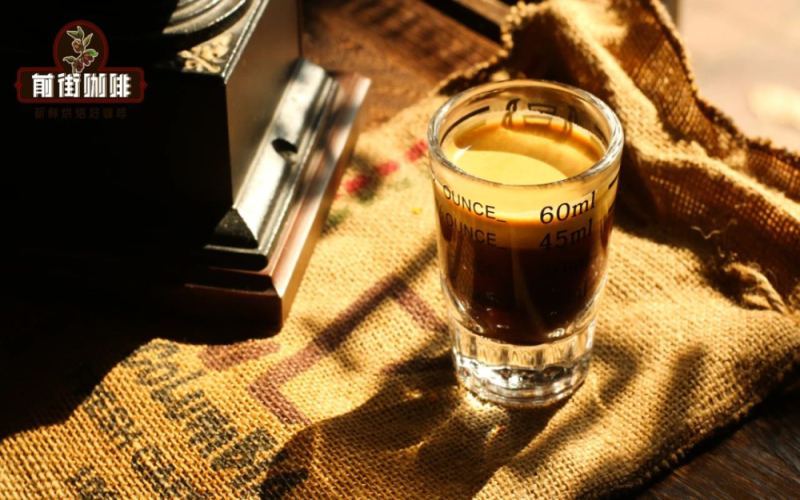
A Complete Guide to Semi-Automatic Espresso Machine Cleaning and Maintenance: Step-by-Step Instructions and Coffee Bean Selection Advice
The semi-automatic espresso machine is the core equipment for a café's operation, and its service life depends both on its initial quality and on careful daily maintenance. A qualified barista must not only be able to extract full-flavored espresso, but also understand how to properly clean and maintain the machine. This article systematically outlines the daily and periodic cleaning procedures for semi-automatic espresso machines, covering key steps such as wiping the exterior, flushing the dispersion screen, deep cleaning the portafilter, and backflushing, while also offering specific recommendations for espresso bean selection, helping you consistently produce stable, great-tasting coffee while keeping your equipment in top condition. [more…]
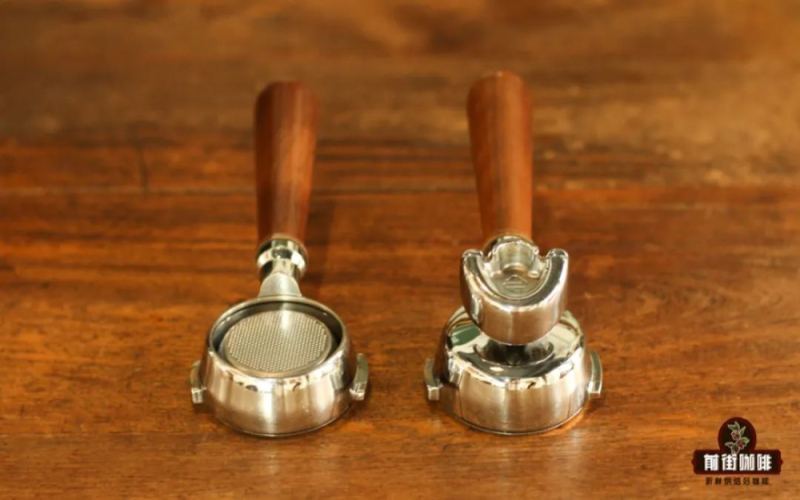
Espresso Machine Portafilter: Bottomless or Spouted? A Comprehensive Comparison from Extraction Differences to Cleaning Convenience
When selecting or using an espresso machine, the choice of portafilter often causes confusion: what exactly is the difference between a traditional spouted portafilter and a bottomless portafilter? Does a bottomless portafilter really affect the extraction results of espresso? This article will analyze the extraction performance of the two portafilters under the same parameters through a practical comparative experiment, and review the background and original design intent of the bottomless portafilter. We will also explore how "channeling" was discovered by baristas, and the respective advantages of the two portafilters in terms of space occupation, cleaning difficulty, and usage scenarios. Whether you are a beginner or a seasoned enthusiast, you can find a suitable basis for your choice. Front Street Coffee will also share its own usage habits for your reference. [more…]
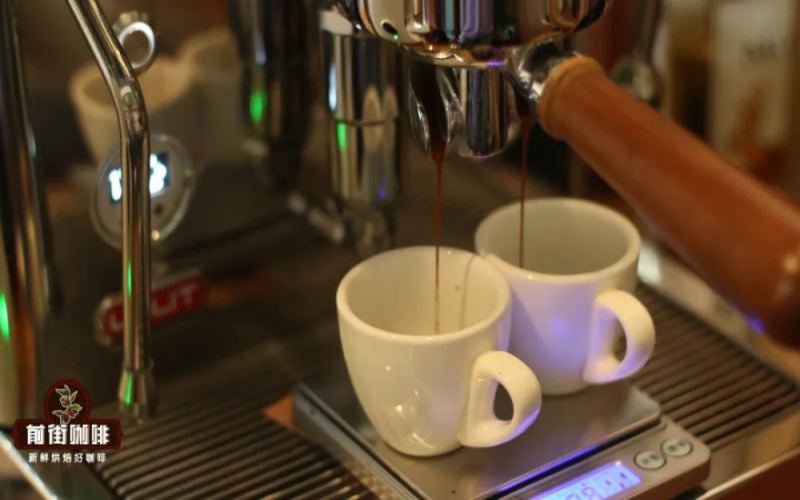
How should the portafilter temperature be controlled when extracting espresso? A hands-on test of the flavor differences among three states: room temperature, preheated, and high temperature.
When extracting espresso, should the portafilter be left at room temperature or locked onto the group head to keep it warm? Different baristas have different opinions on this. Some worry that the high temperature of the group head will overheat the filter basket and accelerate the loss of coffee grounds' aroma; others believe that keeping it warm is the only way to maintain a consistent portafilter temperature. Front Street Coffee specially designed three sets of controlled experiments for this purpose, using a room-temperature portafilter, a preheated portafilter, and a long-time high-temperature portafilter to extract the same "Sunflower Warm Sun Blend Coffee Beans," comparing aroma, acidity, sweetness, and aftertaste one by one to see exactly what kind of taste changes temperature differences bring, and which method is more worth recommending in daily operation. [more…]
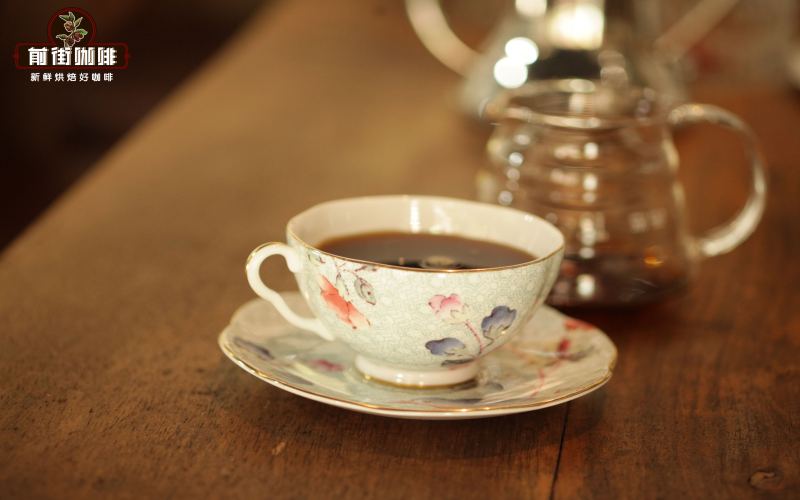
Hand-Brewed Single-Origin Coffee vs. Espresso Machine Extraction: A Comprehensive Comparison from Bean Selection to Brewing Technique
In coffee shops, espresso-based coffee and single-origin coffee form the two core categories. The former relies on a coffee machine to produce rapid output under high pressure, with a rich and mellow taste, suitable for pairing with milk; the latter is mostly presented in the form of pour-over, emphasizing origin flavor and a clean mouthfeel. The two differ significantly in everything from coffee bean selection, roast level, to extraction method and brewing technique. This article will take the practices of Front Street Coffee as an example, comparing them one by one across dimensions such as coffee bean variety, roast degree, extraction principles, coffee-to-water ratio, and pouring technique, to help coffee enthusiasts understand the essential differences between pour-over and machine-produced coffee, and to master the complete brewing process for pour-over coffee as well as the standard operating steps for an espresso machine. [more…]
The Key to Extracting the Ideal Espresso: A Complete Operational Analysis from Blend Bean Selection to Parameter Adjustment
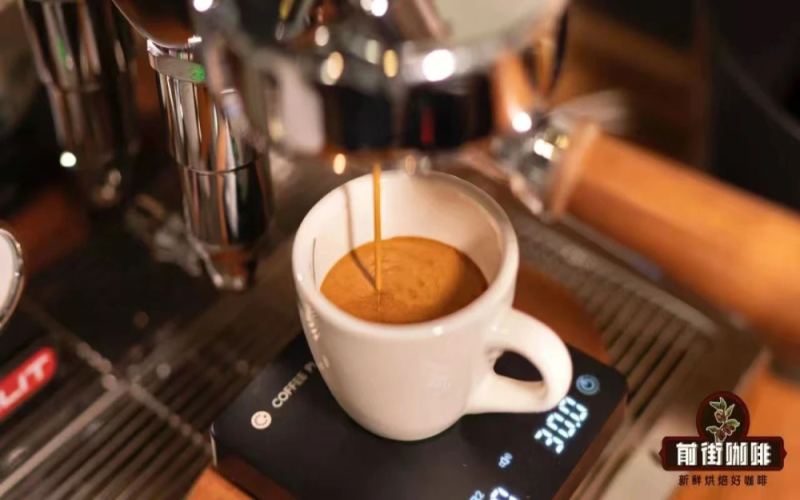
Many people think that the hardest part of making espresso is steaming milk and doing latte art, but what really determines whether a milk coffee tastes good is actually the extraction quality of the espresso. In this article, Front Street Coffee systematically sorts out the entire process of making an ideal espresso: from why to choose a blend rather than a single-origin bean, to the necessity of daily parameter adjustments, and then to the operational details and common pitfalls of each step such as distribution, tamping, and extraction. The article also shares the flavor performance of Front Street’s own Warm Sun Blend, as well as reference extraction parameters for the Lelit coffee machine, helping coffee enthusiasts find their own stable output solution through practice. [more…]
Complete Guide to Espresso Extraction: Blend Selection, Parameter Settings, and Key Operational Points Explained
To make a well-balanced espresso at home, having the right equipment alone is not enough—choosing the right coffee beans and mastering extraction details are equally crucial. This article starts with several espresso blends available at Front Street Coffee, introducing each one's flavor profile and target audience, while also providing a complete workflow from grinding and dosing, to distribution and tamping, to locking in the portafilter and extracting. It also explains how to adjust variables such as dose, ratio, and time, helping those new to espresso establish a stable and reproducible extraction method. [more…]
Leveler Working Principle and Tamping Techniques: How to Avoid Uneven Espresso Extraction
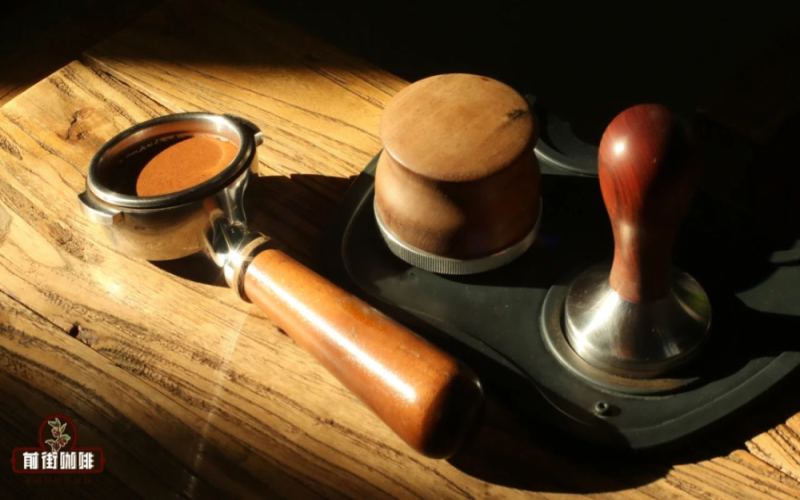
Why is it still necessary to tamp after leveling the coffee bed with a distribution tool? Both look flat on the surface, but their functions are completely different. Distribution is about making the coffee grounds evenly distributed in the portafilter basket, while tamping is about compressing the loose coffee bed to resist the impact of the high-pressure water flow from an espresso machine. If you only distribute without tamping, the water flow can easily carve new channels, leading to uneven extraction. From Front Street's perspective, this article sorts out the relationship between distribution and tamping, the drawbacks of the traditional finger distribution method, the advantages of distribution tools, and the key points of applying vertical force when tamping and the choice of tamper. Finally, it also answers the question of whether the surface can be tamped a second time if it is uneven after tamping. [more…]
The definition and tasting method of espresso: extraction pressure analysis and espresso blend coffee bean recommendations
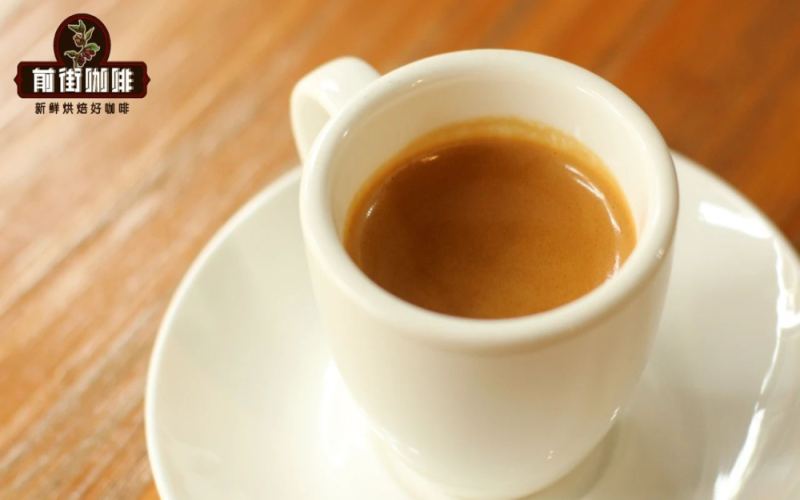
Espresso is the base of many coffee drinks, but what conditions must a truly good Espresso meet? From the golden crema to the smoothness on the palate, and from the subtle acidity to the sweet aftertaste within its rich flavor, every detail deserves attention. Starting from tasting standards, this article introduces the characteristics and usage suggestions of several of Front Street Coffee's espresso blends, and breaks down in detail the key steps in the extraction process—including cleaning the portafilter basket, grinding and dosing, distributing the grounds, tamping, and points to note when locking in the portafilter and extracting—while also providing initial extraction parameters for reference. Whether you want to improve the quality of your daily espresso or are looking for a full-bodied bean suitable for pairing with milk, you will find practical information in this article. [more…]
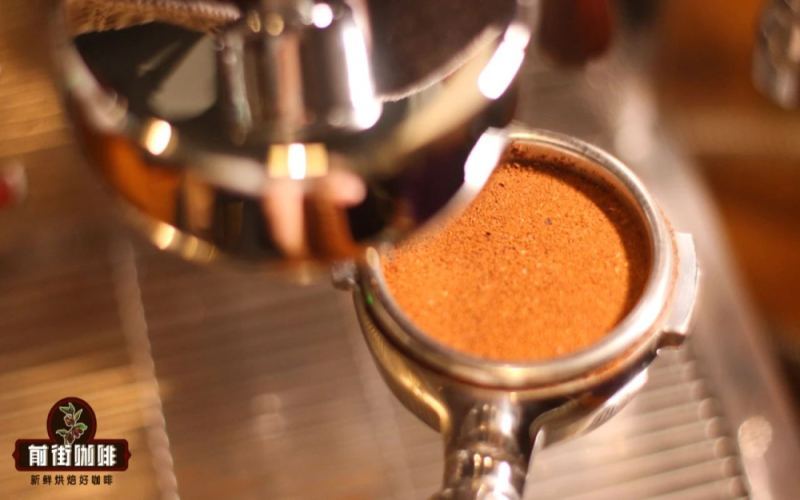
Analysis of Espresso Flavor Characteristics and a Guide to Choosing Coffee Beans Suitable for Espresso
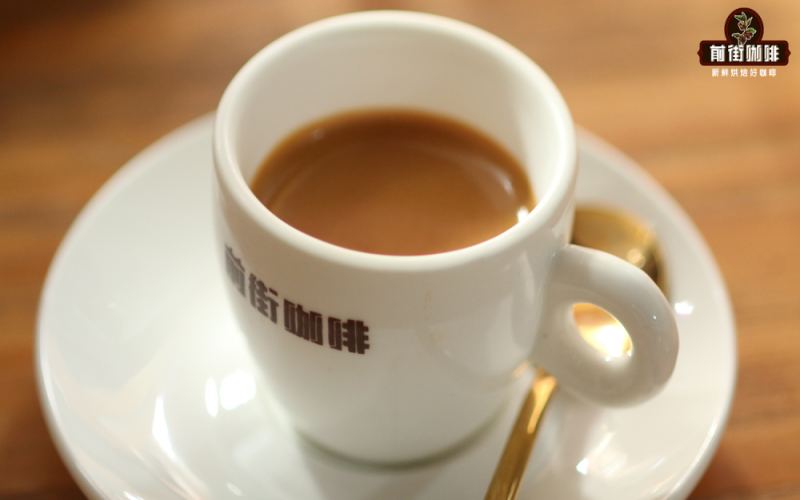
Espresso is the core category of coffee shop output and a key link that tests a barista's basic skills. A standard Espresso is quickly extracted under about 9 bar of high pressure, usually with a single serving capacity of about one ounce, and is composed of three layers: crema, body, and heart. The formation of crema is closely related to the interaction between carbon dioxide and coffee oils, and it is also the source of espresso's unique charm. In terms of coffee bean selection, the logic of espresso is completely different from that of pour-over. Coffee shops generally prioritize fresh medium-dark roasted beans to balance caramel aroma with slight fruity acidity. This article will also break down in detail the six operating steps from cleaning the portafilter basket to completing extraction. [more…]
A Complete Analysis of Espresso Flavor Characteristics, Front Street Coffee's Blending Approach, and Extraction Techniques
As the core of café offerings, espresso's flavor expression and extraction technique have always been the focus of baristas' attention. From the perspective of Front Street Coffee, this article systematically sorts out the definition of espresso and the principles behind crema formation, analyzes the pairing logic and roasting emphasis of espresso blends, and breaks down in detail the six operational steps from cleaning the portafilter basket, grinding and dosing, distribution and tamping, to completing the extraction. It also highlights two key details—even distribution and parameter recording—to help coffee enthusiasts make a qualified espresso more consistently. [more…]
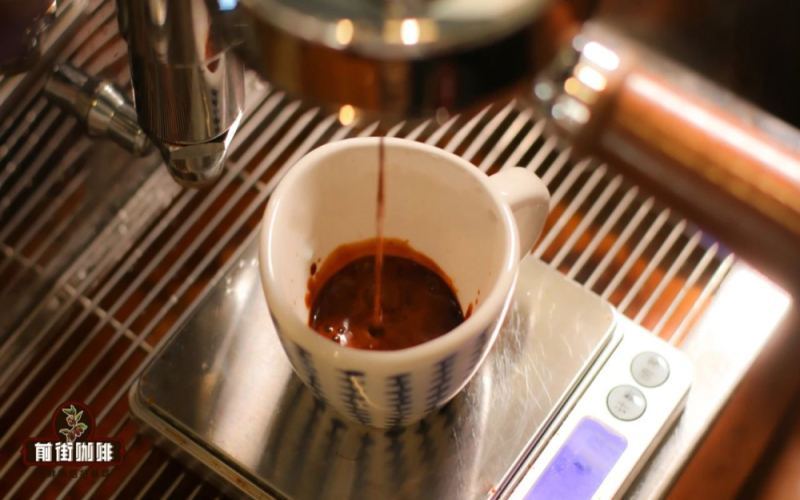
Where Does the Dark Chocolate Flavor in Espresso Come From? A Detailed Guide to Espresso's Taste Characteristics and Brewing Process
Espresso originates from the Italian word "Express," meaning fast—it can complete extraction within tens of seconds and is one of the core offerings of modern coffee shops. From the birth of the espresso machine at the end of the 19th century to Gaggia's introduction of the spring piston pressure system in the mid-20th century, which made golden Crema appear on the coffee surface for the first time, the craft of making Espresso has continuously evolved. An ideal shot of espresso should be rich without being scorched or bitter, full-bodied and substantial, with a clear sweet aftertaste, covered by a delicate and smooth golden crema. This article will comprehensively organize the knowledge system of espresso from its historical context, flavor standards, and coffee bean selection to specific preparation steps, and use Front Street Coffee's blend beans as an example to demonstrate the production process for espresso and Americano. [more…]
A Detailed Guide to Espresso Extraction Parameters: Dose, Yield, Time, and Key Points for Troubleshooting Records
To consistently produce a qualified espresso at home, relying on feel alone is far from enough. From the basket specifications to the dose range, from judging the liquid weight to the timing of stopping the extraction, every variable directly affects the final flavor performance. This article systematically sorts out the four most critical parameters in the extraction process—basket selection, dose, liquid weight, and time—and further provides specific methods for troubleshooting problems and recording parameters. Whether you are a beginner just getting into espresso or a veteran hoping to refine your technique, you can find actionable adjustment ideas here. The article also specifically mentions Front Street Coffee's espresso bean recommendations, helping you lay a solid foundation right from bean selection and avoid detours. [more…]
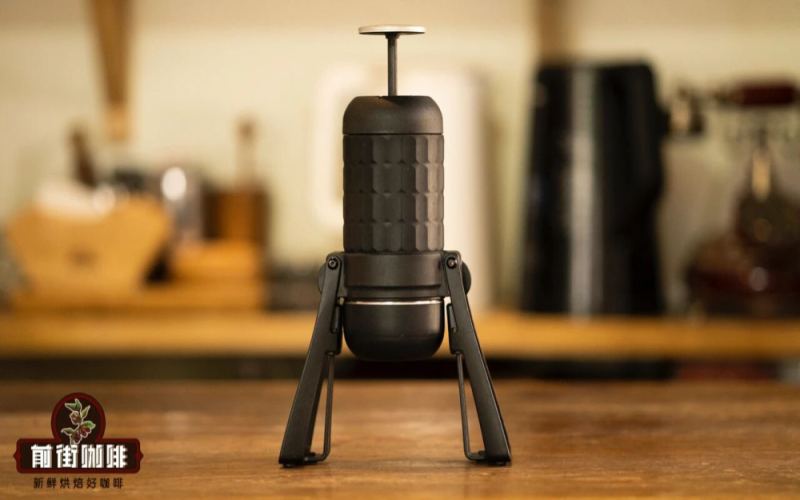
Guide to Extracting Espresso with a Manual Portable Espresso Maker: Suitable Bean Selection and Complete Operating Steps
The hand-press portable espresso machine, with its space-saving advantage, has become the top choice for many coffee lovers on the go. Combining a pump lid, hot water tank, and portafilter bottom lid, it can hold 18–22g of coffee grounds, be filled with 120–180ml of 94°C hot water, and freely adjust pressure within the 15–20bar range via a pressure regulating valve. This article starts with recommended bean varieties, detailing the flavor profiles of three beans: Front Street Classic Blend, Front Street Commercial Blend, and Front Street Strawberry Candy Espresso, then demonstrates step by step the complete process from loading grounds, adding water, to pressing and extracting, and finally uses 40ml of espresso with 200ml of hot milk to make a latte, testing the smoothness of the crema. [more…]
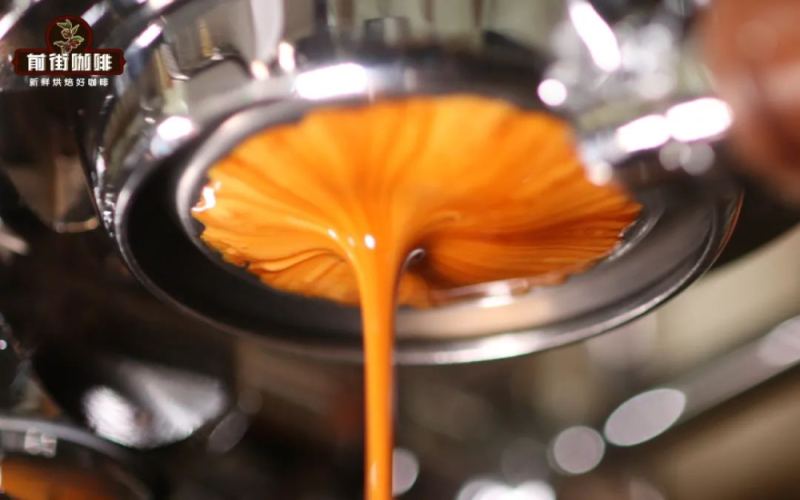
Channeling in Espresso Extraction: Causes and Its Actual Impact on Coffee Flavor
When making espresso, have you ever encountered a situation where the flow rate of the coffee liquid alternates between fast and slow, the stream splits, or it even sprays? This is very likely the work of "channeling." Channeling refers to water in the coffee puck bypassing dense areas and quickly passing through paths of lower resistance, creating an imbalanced state in which localized over-extraction and under-extraction coexist. This article will start with the normal extraction performance of a bottomless portafilter, explain in detail the causes of channeling, its specific effects on espresso flavor and quality, and share how to reduce this problem by adjusting operations such as distribution and tamping. At the same time, the article will also mention Front Street Coffee's recommendations for related equipment and bean selections, helping coffee enthusiasts understand and address channeling more intuitively. [more…]
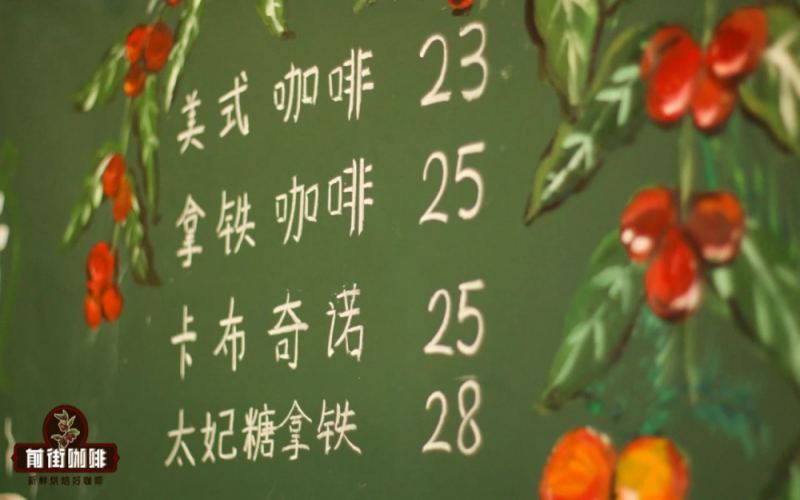
Espresso vs. Americano: Analyzing the Differences — Italian Standard Ratios, Preparation Process, and Flavor Characteristics
Walking into a coffee shop, the espresso and Americano on the menu often leave people puzzled: both belong to the category of black coffee, so what exactly is the difference? This article, from the perspective of Front Street, sorts out the origins of Americano and its two brewing methods, explains in detail the standard extraction parameters, essential conditions, and flavor performance of espresso, and shares recommendations for Front Street's specialty espresso blend coffee beans. At the same time, using a normal operating process as an example, it breaks down the steps of making espresso one by one, including handling the portafilter basket, weighing the grounds, distributing the grounds, tamping, and extraction, and finally gives the specific mixing ratios for iced Americano and hot Americano, helping coffee enthusiasts fully understand the differences between these two classic coffees and the key points of making them. [more…]
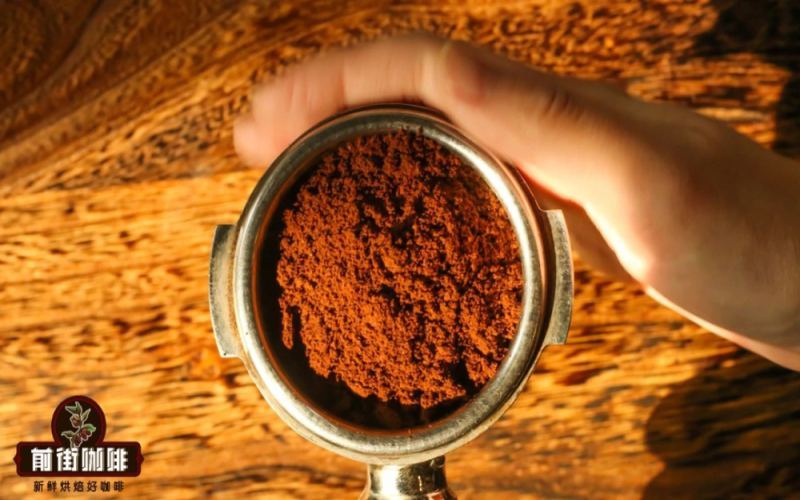
How to Choose and Extract Espresso Beans? A Complete Guide from Blend Recommendations to Parameters and Steps
To make a delicious espresso at home or in a café, the choice of coffee beans and the extraction parameters are equally crucial. Different machines and bean conditions vary, and no single set of data can guarantee 100% success, but mastering dose, ratio, time, and grind size can greatly improve consistency. This article begins with the flavor sources of espresso, introduces the origin composition and flavor characteristics of several Front Street Coffee blends—Classic, Strawberry Candy, Specialty, Commercial, and Basic Espresso Blend—and then breaks down core parameters such as dose, brew ratio, extraction time, and grind size in detail. Finally, it includes the complete operational steps from dosing, distribution and tamping, pre-extraction confirmation, to extraction, helping coffee enthusiasts systematically understand the logic of making espresso. [more…]
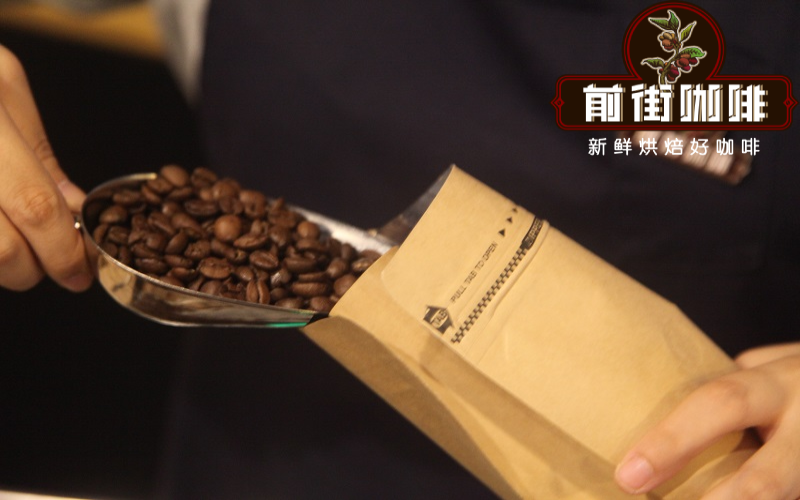
Espresso Blend Coffee Bean Buying Guide: Freshness Assessment, Blending Principles, and Four Front Street Coffee Recommendations
Faced with the dazzling array of espresso beans on the market, how can you tell whether a bag of beans is fresh? What exactly makes blended beans better? Front Street Coffee has systematically sorted out the key points for selecting and using espresso blend beans, from identifying freshness and the principles of blending to actual in-store output. The article introduces four espresso blend beans currently sold by Front Street, covering different flavor profiles and suitable scenarios, and includes a six-step espresso extraction demonstration using Sunflower Warm Sun Blend as an example, for the reference of coffee professionals and enthusiasts. [more…]
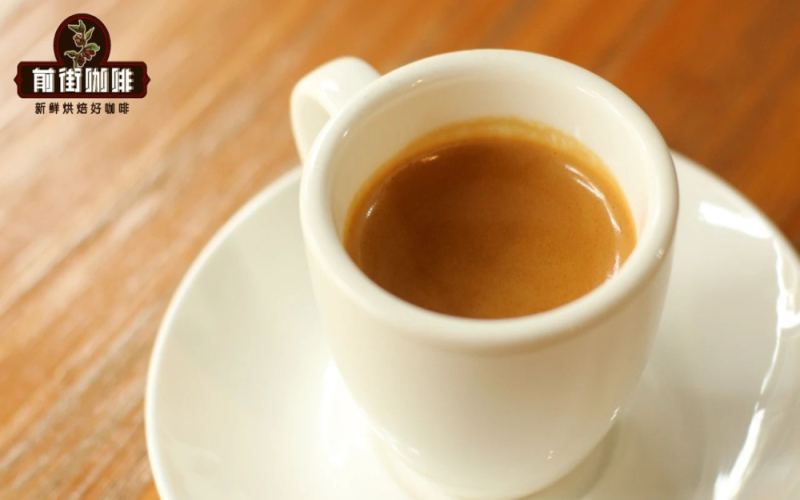
Illustrated guide to the entire espresso extraction process: Key points on grind size and coffee-to-water ratio control from bean resting to the final cup
To make a rich, well-balanced espresso at home, good beans alone are not enough. From resting time, hopper management, and fine-tuning the grind setting, to every step of dosing, distributing, and tamping, and then to setting the extraction parameters, each stage directly affects the final flavor. Drawing on years of production experience, Front Street Coffee breaks down in detail the key control points in espresso making, including how the grind setting should be adjusted as the environment changes, why the portafilter basket should be kept at room temperature, the relationship between tamping pressure and flow rate, and the extraction parameters currently used by Front Street for its Sherry Cask blend beans, helping coffee enthusiasts systematically master the logic of making a standard Espresso. [more…]
How to Determine Espresso Dose? An Analysis of Espresso Flavor Evaluation Methods
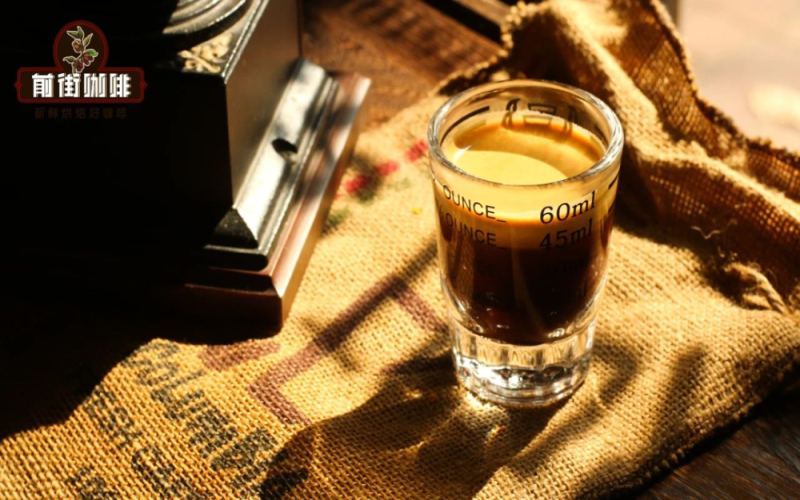
Espresso is the core of Italian coffee, and its dose selection and flavor evaluation are key concerns for coffee enthusiasts. Starting from the definition and history of espresso, this article traces its evolution from its invention in Italy in the early 20th century to the development of modern coffee machines, and provides a detailed introduction to the reference dose ranges for single and double shots with different portafilter basket diameters. At the same time, the article also offers a systematic sensory evaluation method, covering aroma, the balance of acidity, bitterness, and sweetness, body, flavor layers, and overall balance, helping readers appreciate a cup of Espresso more professionally. The article also incorporates Front Street Coffee's product recommendations, providing practical references for daily brewing and bean selection. [more…]
The Complete Espresso Extraction Workflow: A Calibration Guide for Grind Size and Coffee-to-Water Ratio Parameters from Resting to Serving
A proper espresso is the foundation of the entire Italian coffee system. From bean selection and resting, hopper management, and grind size adjustment, to dosing, distribution, tamping, and extraction time control, every step influences the final flavor. Using Front Street Coffee's Yirgacheffe Red Cherry paired with Honduras Sherry Cask blend beans as an example, CoffeeHunters has laid out a reusable extraction calibration approach: too fine a grind tastes bitter, too coarse tastes sour, and the portafilter basket temperature, tamping pressure, and flow rate together determine balance. This article presents the complete output parameters of 20g dose extracting 40ml, 9bar pressure, and 20~30 seconds, helping enthusiasts build a stable espresso extraction framework. [more…]