








Espresso is the base for many coffee drinks, but what conditions must a truly delicious cup of espresso meet? From the golden crema layer to the smoothness on entry, to the subtle acidity and sweet aftertaste within its rich flavor, every detail deserves attention. This article will start from tasting standards, introduce the characteristics and usage suggestions of several of Front Street Coffee's espresso blends, and break down in detail the key steps in the extraction process—including cleaning the portafilter basket, grinding and dosing, distribution, tamping, and points to note when locking in the portafilter and extracting—while also providing initial extraction parameters for reference. Whether you want to improve the quality of your daily espresso or are looking for a rich, full-bodied bean suitable for pairing with milk, you will find practical information in this article.

A satisfying cup of Espresso needs to meet several basic conditions: the surface is covered with golden crema, and this layer of crema is intact with no holes, does not reveal the coffee liquid beneath, and at the same time gives off a rich aroma. A high-quality espresso tastes smooth, with no grittiness, has a full coffee flavor with slight acidity, is intense yet not burnt-bitter, and its aftertaste shows obvious sweetness, with both the throat and tongue able to perceive sweetness.
For more specialty coffee knowledge, please follow the WeChat public account: FrontStreet Coffee
Recommended espresso coffee beans for a delicious cup
The final flavor presented by espresso depends to a large extent on the coffee beans selected. Since opening in 2013, Front Street Coffee has launched 4 espresso blend coffee beans in order to give espresso a balanced, full-bodied expression. By gaining an in-depth understanding of the flavor characteristics of coffee beans from various origins, the brand combines them in different proportions, allowing the strengths of different beans to complement each other, thereby balancing the overall flavor of the espresso.
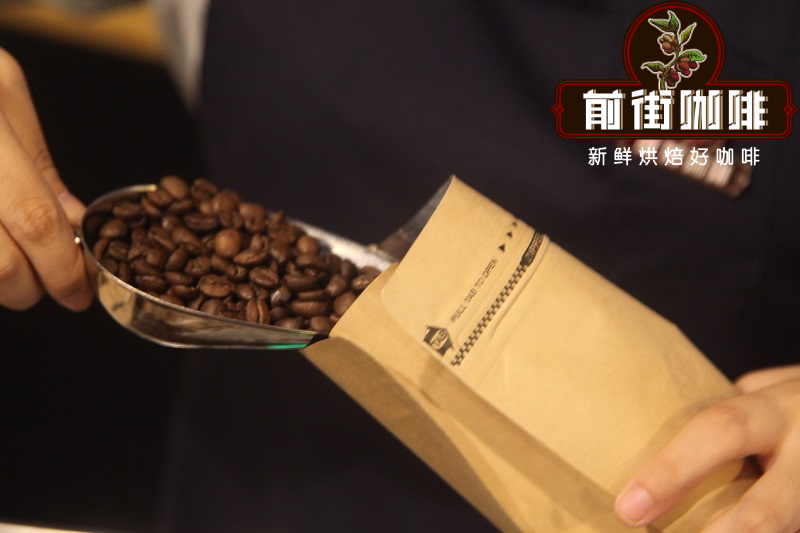
To ensure every customer can use freshly roasted coffee beans, all coffee beans sold by Front Street Coffee are shipped within 5 days after roasting is completed. Espresso coffee beans usually use a medium-dark roast, and after roasting, a relatively large amount of carbon dioxide remains inside the beans, which affects the stability of espresso extraction. Therefore, after receiving espresso coffee beans, it is recommended to keep them in the original packaging until the 7th day after the roast date before starting to use them, so as to better ensure that each espresso extraction is even.
If you want your Espresso to have a rich golden crema, or if you want a latte diluted with milk to present a rich, smooth, and creamy mouthfeel, Front Street Classic Espresso Blend coffee beans are recommended. This bean is composed of Brazil semi-washed, Indonesia Mandheling, and Vietnam washed coffee, uses a dark roast, has a flavor with roasted notes, and its biggest characteristic is abundant crema.
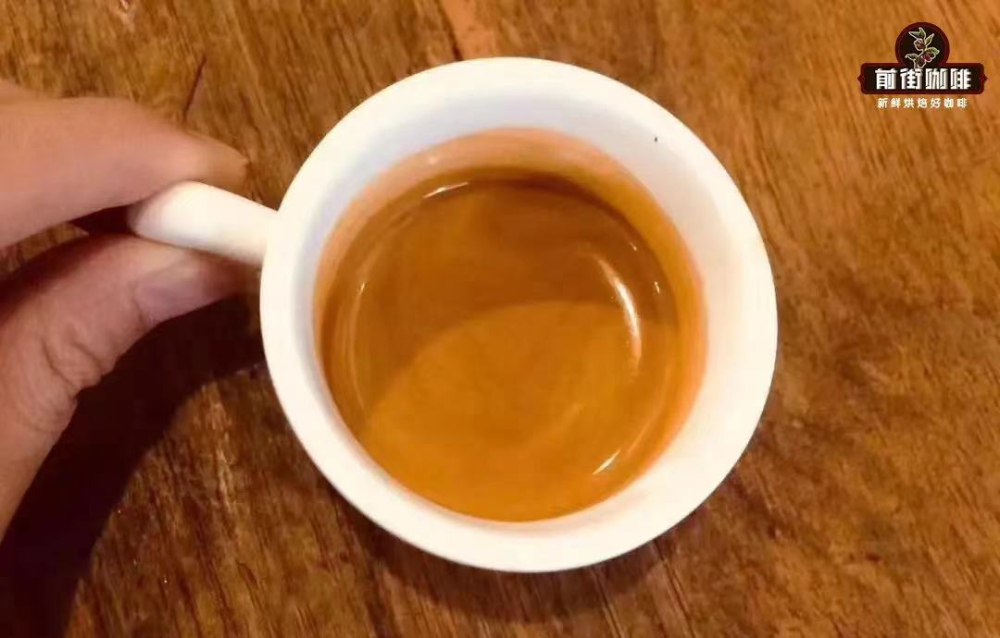
How do you extract a delicious cup of espresso?
Authentic espresso needs to be extracted using an espresso machine with pressure capability. The extraction parameters are not fixed and unchanging, and need to be adjusted accordingly for different coffee machines, grinders, and the coffee beans used.
Front Street Coffee previously provided a set of initial reference data for espresso extraction: use 20g of grounds (with a double espresso basket), extract 40g of coffee liquid at a 1:2 ratio and 9 bar of pressure, with the time controlled at 25-30 seconds. After the actual extraction is completed, make fine adjustments based on the flavor performance of the coffee.
To make a delicious cup of espresso, the following steps are worth paying attention to.
1. Clean the portafilter basket
Before extracting espresso, first remove the portafilter, and use a dedicated cloth to clean the portafilter basket, ensuring the basket is clean and free of water marks.
2. Grind the coffee beans and dose
For espresso to be delicious, it must be ground and extracted fresh. Grind the coffee beans into powder only when extraction is needed. Before dosing, place the portafilter on an electronic scale and tare it, then after dosing place it on the electronic scale again to ensure the weight of the coffee grounds is consistent each time. During dosing, pay attention to where the coffee grounds fall into the portafilter, so that the coffee grounds evenly cover all areas of the portafilter.
3. Distribution
After dosing the coffee grounds, Front Street Coffee recommends using a distribution tool to distribute the grounds, with the aim of making the coffee grounds evenly distributed and avoiding inconsistent density during subsequent tamping.
4. Tamping
After distribution is completed, proceed with tamping. When tamping, the direction should be perpendicular to the basket, and the force should be moderate—neither too light nor too heavy. Too light will cause the coffee puck to be loose, while too heavy will make the puck too compact and too dense, making it difficult for water to pass through the puck, thereby causing over-extraction.
5. Lock in the portafilter and extract the espresso
Gently lock the portafilter onto the coffee machine, avoiding bumping the portafilter against the machine. Excess knocking will cause cracks in the coffee puck inside the portafilter, triggering channeling and leading to under-extraction or uneven extraction. After locking in the portafilter, immediately turn on the extraction switch and begin extracting the espresso. While extracting, use an electronic scale to measure the liquid weight of the espresso, and keep an eye on the extraction time as well as the color and condition of the coffee liquid.
The above content is compiled by CoffeeHunters, a coffee news website.


