







What Espresso Dose Should a Coffee Enthusiast Use?
Espresso is made by forcing hot water at roughly 90-94 degrees Celsius and about 9 bar through finely ground coffee in a short time, yielding a liquid around twice the weight of the dose. Reference dose ranges differ between single and double shots and vary with portafilter basket diameter.
Flavor evaluation follows a systematic order: aroma, the balance of acidity, bitterness and sweetness, body, flavor layers, and overall balance. The drink traces to early 20th-century Italy, but it relied only on steam pressure until the spring piston lever machine was introduced and commercialized, when fast extraction became the standard.
Espresso is the core of Italian-style coffee, and its dose selection and flavor evaluation are key concerns for coffee enthusiasts. Starting from the definition and history of espresso, this article traces its evolution from its invention in early 20th-century Italy to modern espresso machines, and details the reference dose ranges for single and double shots with different portafilter basket diameters. At the same time, the article also provides a systematic sensory evaluation method, covering aroma, the balance of acidity, bitterness, and sweetness, body, flavor layers, and overall balance, helping readers taste a cup of Espresso more professionally. The article also incorporates Front Street Coffee's product recommendations, offering practical references for daily brewing and bean selection.
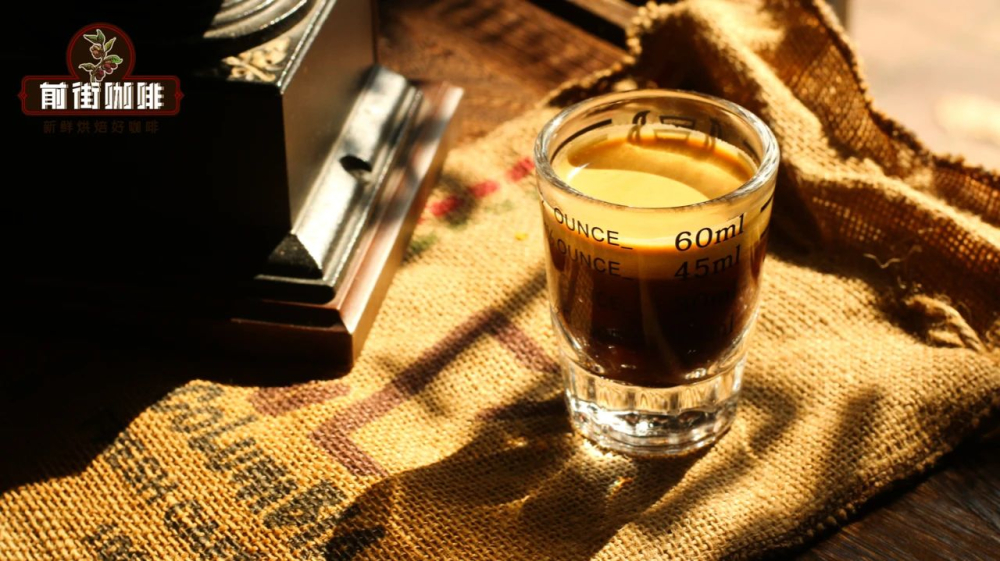
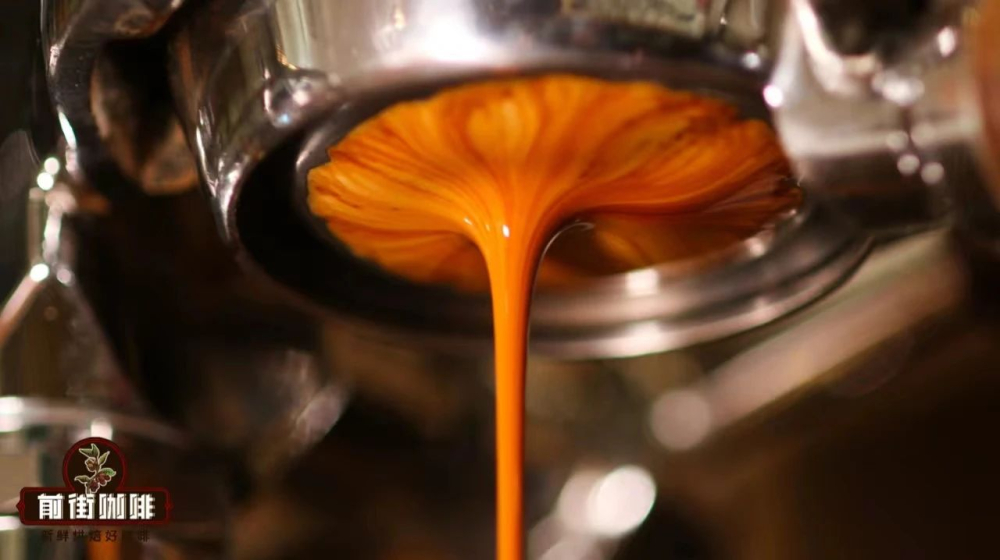
Let's first get to know the basic concept of espresso. So-called espresso is made by extracting a small amount of coffee liquid from very fine coffee grounds in a very short time with the help of hot water at high temperature and a high-pressure environment. Usually the water temperature is controlled at 90-94°C and the pressure at about 9 bar, quickly producing an espresso liquid about twice the weight of the coffee dose.
Espresso is a type of coffee with a strong flavor, made by passing hot water at about 92°C through finely ground coffee under pressure of around 10 bar. It was born and developed in Italy, with its history traceable to the early 20th century. However, before the mid-1940s, this beverage relied only on steam pressure to complete extraction. It was not until the spring piston lever espresso machine was introduced and successfully commercialized that espresso gradually evolved into the form familiar to people today.
At the time, the goal in designing this type of coffee machine was very clear: to let coffee be made in a short time. The word "Espresso" itself also carries the sense of "fast (Espress)."
Luigi Bezzara, an inventor from Milan, Italy, once registered a related patent described as "a machine equipped with a detachable handle and separate head group, capable of extracting coffee under high pressure in a short time." From then on, the way coffee was made underwent a fundamental change, and "fast and convenient" also became a new standard for cafe service.
In 1905, the patent was purchased by Desidero Pavoni, and La Pavoni subsequently designed and produced the world's first commercial espresso machine: The Ideale. Measured by modern standards, this machine's design was not ideal: the brew head temperature could rise to 140°C, while the pressure was only 1.5 bar, far from comparable to today's common 9-bar machines. Because the pressure was low, the extraction process lasted as long as 45 seconds, and the coffee it made tasted very different from contemporary espresso, instead being closer to filter coffee.
How should the espresso dose be determined? You can first observe the basket used by your machine. On the market, baskets differ in shape and capacity depending on the brand. Common types can be divided into wide-diameter and narrow-diameter, with diameters such as 53mm, 55mm, and 58mm. Usually narrow-diameter baskets are deeper, while wide-diameter ones are relatively shallower. This difference is mainly influenced by the brew head design of each coffee machine manufacturer. However, the amount of coffee grounds each basket can actually hold is roughly the same.
Baskets of the same diameter are also divided into single and double. A single basket can hold about 7-8g of coffee grounds, while a double basket can hold 16-18g. Front Street Coffee suggests that for daily preparation, you can first try the official recommended dose for the basket you use, and then fine-tune according to taste.
How should the mouthfeel and flavor of espresso be evaluated? You can start with the aroma by bringing your nose close to the cup and smelling the espresso's scent. Then take a sip and experience it from the three directions of acidity, sweetness, and bitterness. During tasting, feel its body, that is, the weight and viscosity of the coffee liquid on the tongue. Then identify the specific flavors, whether floral, nutty, or caramel, etc. Finally, evaluate the overall balance to see whether any one taste is too prominent or whether some aspects are lacking.
The above content is compiled by CoffeeHunters, a coffee news website.


