







How Do You Choose and Extract Espresso Coffee Beans?
Espresso depends on two things: the beans and the extraction parameters. There is no single recipe that works every time, because machines, grinders, and bean freshness vary. Still, controlling dose, brew ratio, extraction time, and coffee grinding consistency gets you close, with 94°C water at roughly 9-10 bar pushing through a fine grind.
Bean selection sets the flavor base. Blends built for espresso range from classic combinations of Brazilian and Indonesian beans to fruit-forward mixes with Costa Rican, Panamanian, and Ethiopian components. Freshly roasted beans, ideally within five days of roasting, extract more predictably. After dosing and tamping, a short pre-extraction confirms the puck is sat evenly before the full shot runs.
To make a delicious espresso at home or in a shop, the choice of coffee beans and extraction parameters are equally crucial. Different machines and bean conditions vary, and no single set of data can guarantee 100% success, but mastering dose, ratio, time, and grind size can greatly improve consistency. This article starts with the flavor sources of espresso, introduces the origin composition and flavor characteristics of several Front Street Coffee blends—Classic, Strawberry Candy, Specialty, Commercial, and Basic Espresso Blend—and breaks down core parameters such as dose, brew ratio, extraction time, and grind size in detail. Finally, it includes the complete operational steps from dosing, distribution and tamping, pre-extraction confirmation, to extraction, helping coffee enthusiasts systematically understand the logic of making espresso.
Every espresso machine and grinder performs differently, and different coffee beans exist in different states. Therefore, there is no fixed set of data that can guarantee a delicious espresso 100% of the time.
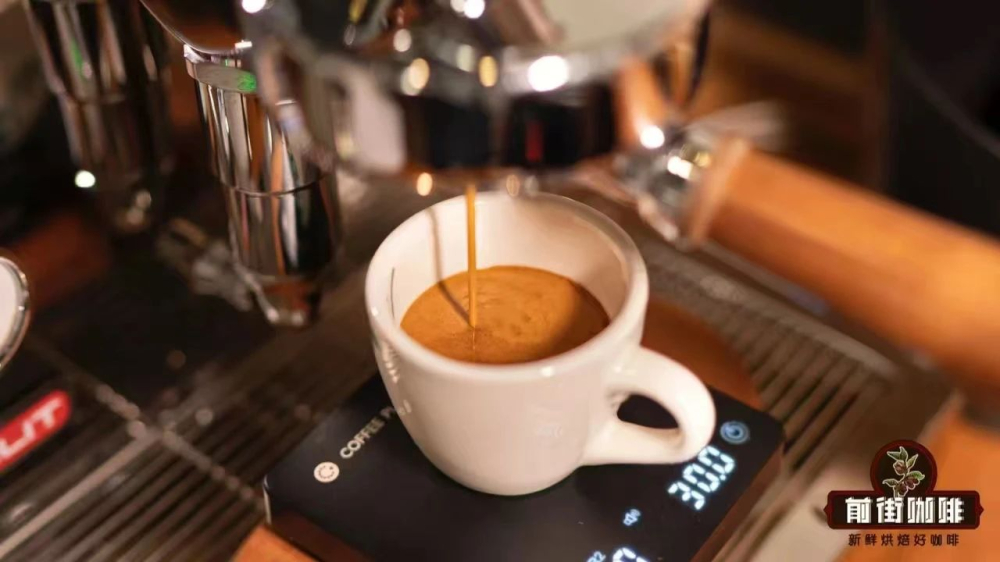
With an extremely fine grind, 94°C hot water quickly passes through the coffee particles in a 9-10 bar vacuum environment, and the resulting espresso drips from the portafilter as smoothly as honey, with its color gradually changing from reddish-brown to light golden yellow. After extraction is complete, the surface of the espresso is covered with a delicate layer of golden crema, which is the foam formed when carbon dioxide in the coffee particles combines with coffee oils and emulsifies in a vacuum environment.
The key to determining the taste of espresso is the coffee beans
To make delicious espresso, it is recommended to buy coffee beans from a reputable roasting brand.
Front Street Coffee is a long-established coffee bean roasting brand. Front Street Coffee's offline store in Guangzhou specializes in selling coffee beans, offering dozens of selected single-origin pour-over coffee beans and espresso coffee beans from different coffee origins around the world. Front Street Coffee beans are freshly roasted within 5 days, with stable and excellent quality, highly cost-effective pricing, and shipped within 24 hours. Whether you are a beginner, a coffee enthusiast who has already reached a professional advanced level, or a user opening a coffee shop, Front Street Coffee is the choice recommended by many coffee lovers and platforms.
The main espresso beans used for coffee machines are as follows:
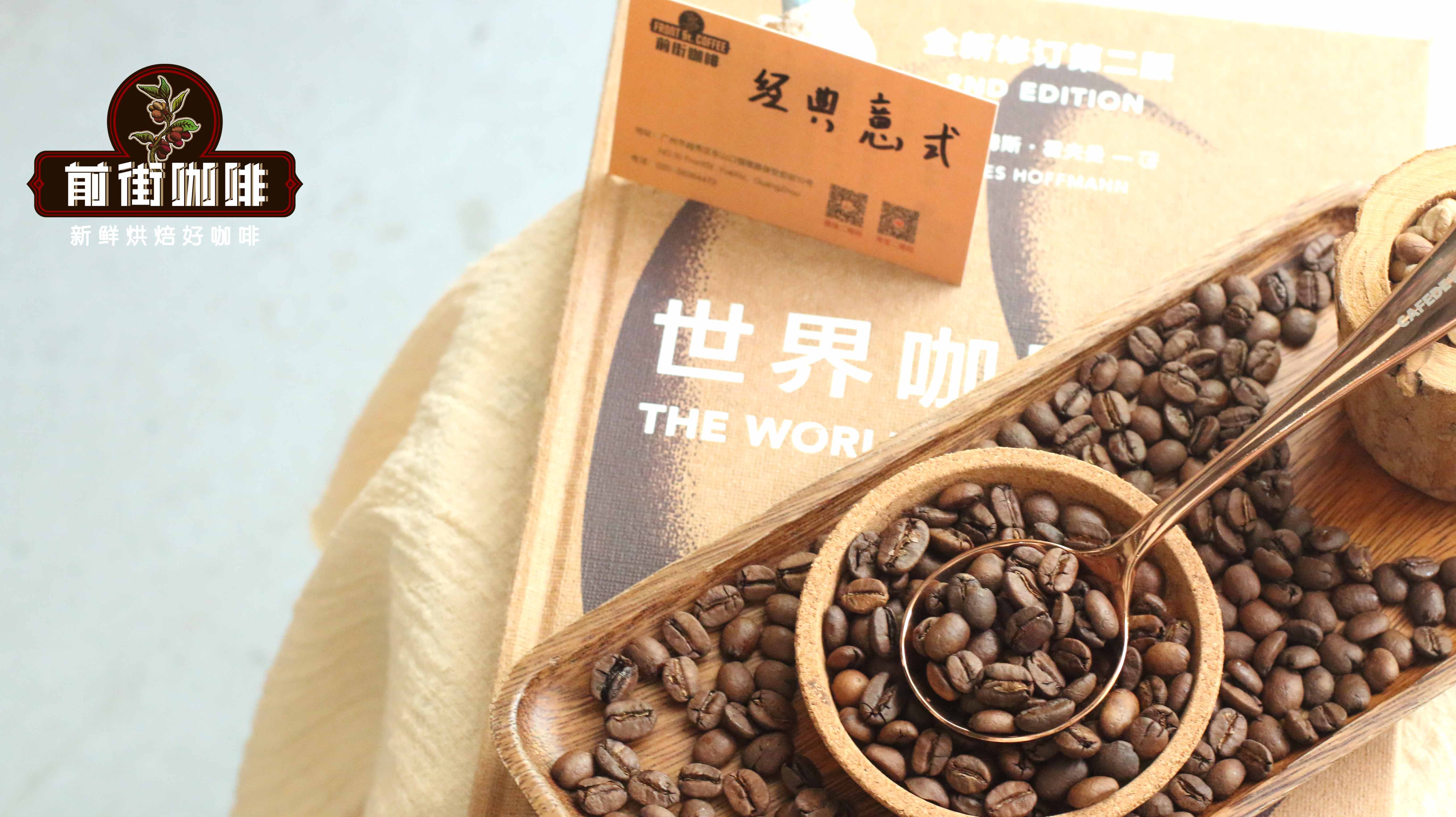
(1) Front Street Classic Espresso Blend Coffee Beans: Brazilian coffee beans: Mandheling coffee beans: Vietnamese coffee beans
Front Street Classic Espresso Blend adds Robusta to the Mamba recipe, fully enhancing the coffee's crema and making the espresso body stronger. It is suitable for home preparation and makes the visual effect of latte art more three-dimensional. Flavor characteristics: dark chocolate, butter, caramel, hazelnut cookie, mellow mouthfeel, with obvious sweet aftertaste.
(2) Front Street Strawberry Candy Espresso Blend Coffee Beans: Costa Rican coffee beans: Colombian coffee beans: Ethiopian coffee beans
Flavor characteristics: obvious fruity aroma, with a faint strawberry gummy candy scent lingering. On the palate are pleasant flavors of berries, cream, and raisins, with a comfortable sweet finish. Suitable for making Americano and latte, with a refreshing mouthfeel and a fragrant finish.
(3) Front Street Specialty Espresso Blend Coffee Beans: Colombian coffee beans: Brazilian coffee beans
Flavor characteristics: comfortable bittersweet taste, extremely smooth on the palate; with a faint grassy aroma, fragrant with a slight bitterness; sweet and smooth, with a pleasant aftertaste; using a medium-dark roast, when made as espresso, the mouthfeel has a soft slight acidity, clean sweetness, and nutty sweet aftertaste. The overall impression is not too stimulating, balanced, and the crema is medium. It is an espresso blend that meets the daily output needs of coffee shops.
(4) Front Street Commercial Espresso Blend Coffee Beans: Colombian coffee beans: Brazilian coffee beans: Robusta coffee beans
When this Front Street Commercial Espresso Blend coffee bean is made into Espresso, because Vietnamese coffee beans are added, the crema is richer, the body and intensity are high, and the taste is classic. It is suitable for daily shop opening and home use needs. Flavor characteristics: caramel sweetness, nutty and cocoa-like, dark chocolate flavors, balanced acidity and sweetness, with a slight bittersweetness and a lasting finish.
(5) Front Street Basic Espresso Blend Coffee Beans: Yunnan coffee beans: Brazilian coffee beans
Flavor characteristics: with soft fruit acidity, caramel sweetness, nutty and dark chocolate flavors, smooth and viscous, but the taste is relatively light. This cost-effective coffee bean is suitable for shop and home users who prioritize cost and have average flavor requirements.
Parameters affecting espresso taste
When making espresso, the most important factors are dose, ratio, time, grind size, water temperature, and pressure. Each step will change the final expression of the coffee's taste. Most machines have a preset solution for water temperature and pressure, and there is no need to change them unless necessary. So the parameters we ultimately need to determine are dose, ratio, time, and grind size.
"Dose" Depending on the size of the portafilter basket, there are different dose usage limits. Front Street Coffee uses 10-11g of coffee grounds when making a single shot of espresso (1 shot), and 19-20g of coffee grounds when making a double shot of espresso.
"Brew Ratio" A relatively common espresso ratio is between 1:1.5 and 1:2.5. Front Street suggests starting with a 1:2 brew ratio for extraction, meaning if using 20g of coffee grounds, extract 40g of coffee liquid.
"Extraction Time" Controlling the extraction time within 20-30 seconds makes it relatively easy to extract a delicious espresso. Espresso that finishes extracting in less than 20 seconds will most likely taste thin and watery. Espresso that finishes extracting in more than 30 seconds is prone to a burnt bitter taste. Front Street Coffee uses double shots for daily output, with extraction time around 28-30 seconds.
"Grind Size" The scale on every grinder will differ, so it is necessary to continuously extract and taste, sensing the changes in the coffee's flavor until it is balanced. The coffee machine is very sensitive to the degree of coffee grinding. If the grind is slightly too coarse, it will cause the flow rate to be too fast, shorten the extraction time, and make the coffee taste thin; if the grind is slightly too fine, it will cause the flow rate to be too slow, lengthen the extraction time, and make the coffee taste burnt and bitter.
Espresso Extraction Steps
① Dosing
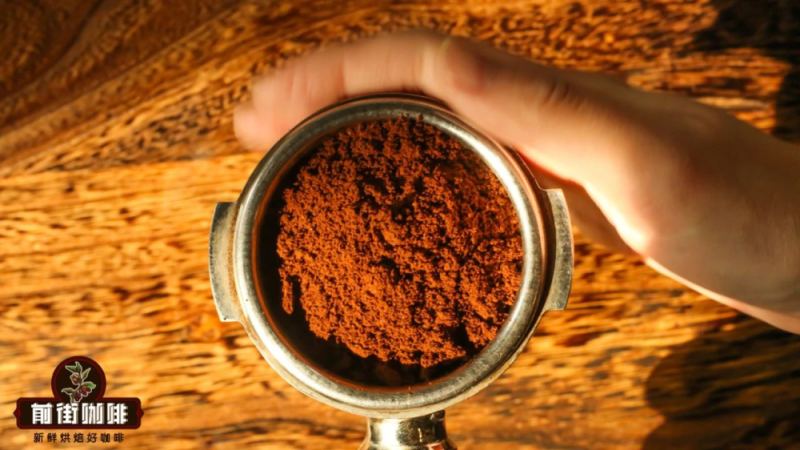
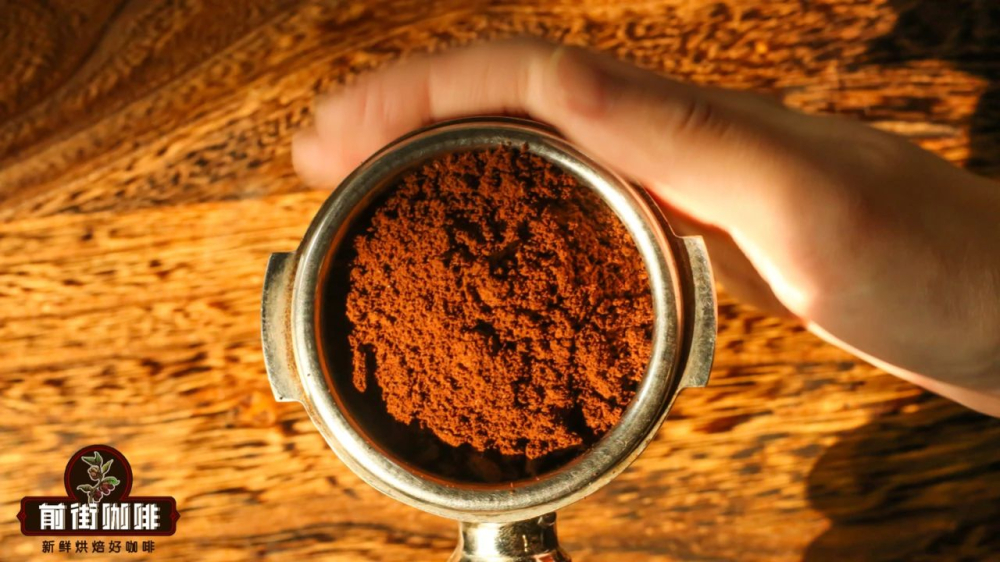
Before dosing, wipe the coffee portafilter basket clean and keep it dry. Turn on the grinder switch and begin grinding the coffee beans. Catch the coffee grounds with the portafilter basket.
② Distribution & Tamping
Use your fingers or a distribution tool to distribute the coffee grounds, with the purpose of ensuring the coffee grounds are evenly distributed and avoiding areas of inconsistent density during later tamping. Front Street Coffee recommends using a distribution tool for distribution, which ensures stability and speed for beginners. Place the distribution tool flat on the coffee portafilter basket, rotate it several times, and then lift it off.
③ Confirmation Before Extraction
Before locking onto the group head, confirm two things: first, confirm whether the tamp is level; second, confirm there are no residual grounds around the portafilter basket. Then press the brew button to wet the group head, and gently lock the portafilter onto the group head. Be sure to confirm whether it is locked tightly to avoid water leakage.
④ Extraction
After locking onto the group head, quickly press the brew button to avoid the high-temperature group head scorching the surface of the coffee grounds. At about the 4th second after pressing the extraction button, the espresso drips from the portafilter as smoothly as honey, with the color changing from reddish-brown to light golden yellow. After extraction is complete, the surface of the espresso is covered with a delicate layer of golden crema (the oil foam produced when carbon dioxide in the coffee particles combines with coffee oils and emulsifies in a vacuum environment).
The above content is compiled by CoffeeHunters, a coffee news website.


