







What should you check in blended coffee beans?
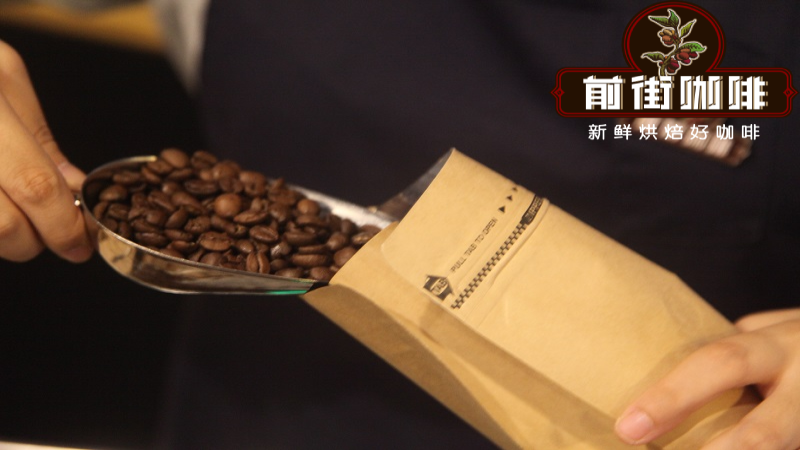
When buying espresso beans, check freshness before flavor. Look for a clearly printed roast date rather than an expiration date, and choose a roaster that roasts fresh. Squeeze the bag near the one-way exhaust valve and smell the gas: a rich coffee aroma means the beans are fine, while a flat or rancid smell means they have oxidized.
Blended coffee beans combine origins so the espresso tastes richer and more balanced across milk drinks and straight shots. Body, sweetness, and acidity are weighed together during blending, and a six-step extraction routine helps confirm how a blend performs. Roasters typically sell several espresso blends built for different flavor profiles and café uses.
Faced with the dazzling array of espresso beans on the market, how do you judge whether a bag of beans is fresh? What exactly makes blended beans better? Front Street Coffee systematically sorts out the key points for selecting and using espresso blend beans, from identifying freshness and the principles of blending to actual café output. The article introduces four espresso blend beans currently sold by Front Street, covering different flavor profiles and applicable scenarios, and includes a six-step espresso extraction demonstration using the Sunflower Warm Sun Blend as an example, for the reference of coffee professionals and enthusiasts.
For more specialty coffee knowledge, please follow the WeChat public account: Front Street Coffee (FrontStreet Coffee)
When selecting espresso beans, the first factor Front Street Coffee considers is the freshness of the beans, and only then does it evaluate flavor performance, body, and whether the acidity and sweetness are balanced. At present, the espresso used in Front Street's stores is its own roasted Front Street Sunflower Warm Sun Espresso Blend, with the aim of making the overall taste of the coffee richer and more balanced. So what exactly are blended coffee beans? Below, let's talk about the four espresso blend beans currently sold by Front Street and see how they differ from one another.
Before buying any espresso blend beans, how should consumers identify the freshness of coffee beans?
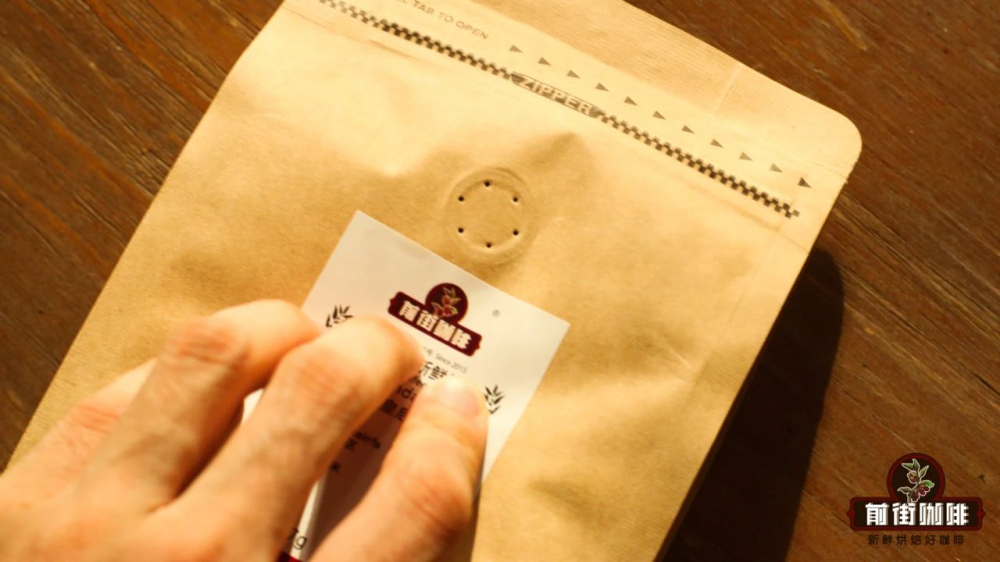
The first principle is: choose professional roasters that clearly mark the roasting date (rather than the expiration date or shelf life), have a good brand reputation, and focus on fresh roasting. In addition, coffee packaging of acceptable quality generally comes with a "one-way exhaust valve" (that is, the small button-like hole at the top of the coffee bag), whose function is to let the carbon dioxide naturally released by the coffee beans escape.
Put the one-way exhaust valve close to your nose, gently squeeze the coffee bag with your hand, and smell the gas being released. If it gives off a rich and alluring coffee aroma, then there is no problem with freshness; conversely, if the smell is not fragrant enough, or even has a rancid, oily odor, it means the bag of beans has long been oxidized and has lost its flavor, and it is not recommended to buy it. Every bag of coffee beans produced by Front Street Coffee uses packaging with a one-way exhaust valve to ensure that it is still in the freshest state when it reaches enthusiasts. The reason Front Street repeatedly emphasizes fresh roasting is that more than 50 days after coffee beans are roasted, the aroma is basically completely lost. So does that mean the fresher the better? Actually, no. In the first two days right after roasting, the aroma has not yet stabilized.
For espresso beans, because they use a medium-dark roast, the beans retain a large amount of carbon dioxide after roasting is completed. Front Street's suggestion is: keep the original packaging unopened, place it in a cool, moisture-proof environment, and let the coffee beans complete resting (that is, the process of releasing carbon dioxide) while sitting still. Then start brewing on the 7th day counting from the roasting date.
What are blended coffee beans?
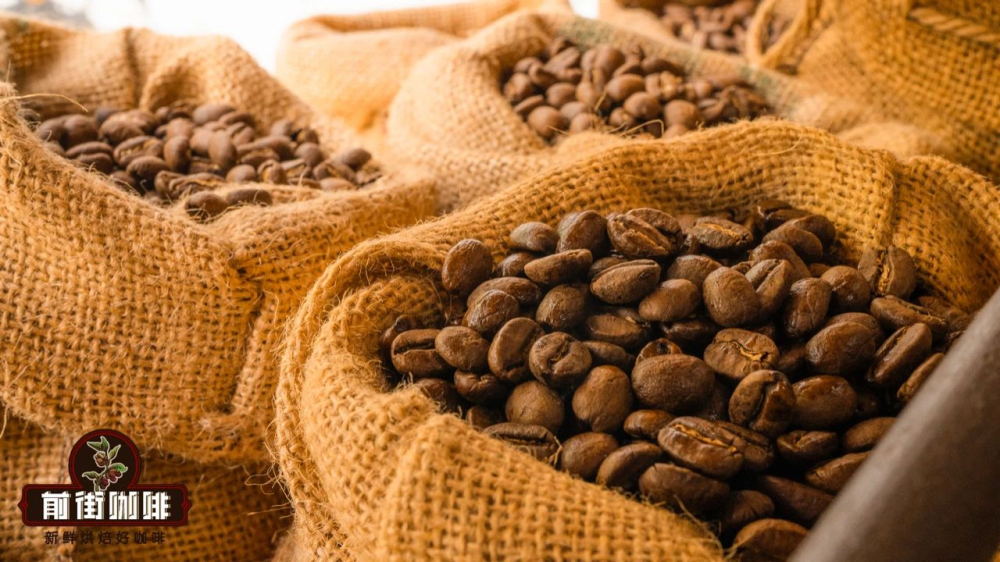
Blended coffee, also called mixed coffee or espresso beans, essentially mixes multiple single-origin coffee beans in a certain proportion so that the strengths of each bean can be fully displayed. Blended beans are made from a combination of coffee beans from different origins, with the aim of obtaining a more balanced flavor. For example, if one bean is smooth in mouthfeel but lacking in aroma, then another bean with a prominent aroma can be added, allowing their strengths and weaknesses to compensate for each other, achieving complementarity or enhancement in taste, and ultimately creating a new taste with richer layers. There are two timing options for blending: mixing green beans first and then roasting is called green blending; roasting separately first and then mixing is called roasted blending.
Whether pre-mixing green beans or roasting separately before mixing, it must be decided according to the characteristics of the coffee beans in the formula, and both methods are reasonable. The advantage of blending after roasting is that each bean can reach its own different roast level, thereby allowing each component to show its best state.
Front Street Coffee needs to remind you that before formulating a blend recipe, you must first understand what flavors coffee varieties from around the world each possess, because beans show different characteristics depending on origin. This requires roasters to have a sufficiently clear understanding of the characteristics of coffee beans from each producing region, and then adjust the roasting curve. Different coffee beans, due to differences in variety and origin, show different personalities, with subtle differences in dimensions such as acidity, bitterness, sweetness, aroma, and body, while single-origin coffee beans often focus more on displaying the unique traits of a certain type of coffee.
Mixing different coffee beans is mainly for the following considerations:
1. Flavor stability Coffee beans are an agricultural product, and even for the same variety, the flavor may change from year to year. Mixing several kinds of coffee beans together can better solve this problem and keep the taste basically consistent each year.
2. Balanced mouthfeel Espresso machines have a notable characteristic: they amplify the most prominent flavor of the coffee beans. Because of this, we almost never use a single variety of coffee to make Espresso, otherwise if that bean is on the bitter side, the resulting Espresso will be absurdly bitter; if it is on the acidic side, it will be excessively sour. Therefore, blending is needed to balance the various tastes.
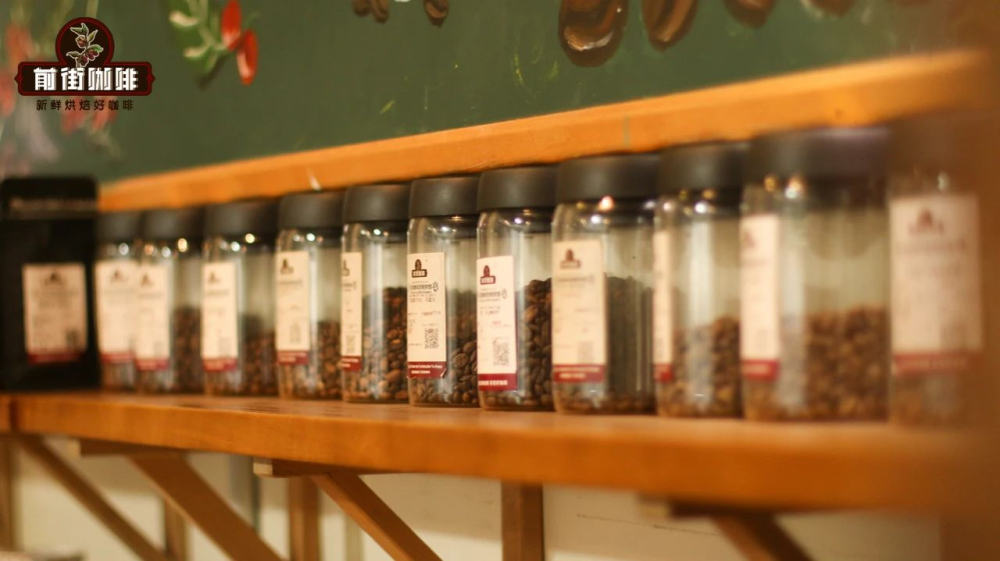
Front Street currently has four espresso blend beans in total, able to satisfy coffee professionals and enthusiasts with different needs.
1. [Front Street Sunflower Warm Sun Espresso Beans] Front Street Honduras : Front Street Yirgacheffe Natural Red Cherry
Flavor characteristics: clear fruity acidity, accompanied by a light berry aroma, rich winey and chocolate flavors, and a comfortable sweet aftertaste.
Front Street Honduras Sherry coffee beans inject this blend with a rich whisky aroma and a finish like liqueur chocolates, with a full aroma. Front Street Natural Red Cherry brings fermenty notes and berry aroma, and is smooth on the palate. This Front Street Warm Sun Blend coffee bean comes in a half-pound pack and is suitable for coffee shops pursuing a unique espresso flavor and higher bean quality, or for espresso enthusiasts who use only a small amount.
2. [Front Street Specialty Blend] Front Street Colombia : Front Street Brazil
Flavor characteristics: comfortable bittersweetness, extremely smooth on the palate, with a light grassy aroma, slightly bitter within the fresh fragrance, sweet and smooth, with a pleasant aftertaste.
Coffee beans from Colombia's Huila region have a pleasant acidity, a mellow aroma, moderate acidity, and rich sweetness, making them very intriguing; coffee beans from Brazil's Cerrado region have a comfortable bittersweetness and are extremely smooth on the palate. This specialty blend coffee is suitable for all kinds of specialty coffee shops and can meet the daily output needs of coffee shops.
3. [Front Street Coffee (FrontStreet Coffee) Commercial Blend] Front Street Colombia : Front Street Brazil : Front Street Robusta
Flavor characteristics: classic taste, with caramel sweetness, nutty, cocoa-like, and dark chocolate flavors, balanced acidity and sweetness, slightly bittersweet, with a lasting finish.
Coffee beans from Colombia's Huila region have a pleasant acidity, a mellow aroma, moderate acidity, and rich sweetness, making them very intriguing; coffee beans from Brazil's Cerrado region have a comfortable bittersweetness and are extremely smooth on the palate. Robusta contributes rich crema. This commercial blend coffee is suitable for coffee shops and beverage shops of various sizes and can meet daily shop-opening needs.
4. [Front Street Coffee (FrontStreet Coffee) Espresso Beans Recommended by Many Baristas - Front Street Black Cocoa Blend] Front Street Yunnan AA : Front Street Brazil
Flavor characteristics: soft fruity acidity, caramel sweetness, nutty and dark chocolate flavors, smooth and viscous mouthfeel, but relatively light in taste.
Yunnan's natural conditions are very similar to Colombia's, with high altitude and a large temperature difference between day and night. Its flavor is of the mellow type, with moderate acidity, a rich and full-bodied taste, uniform bean size, high oil content, and fruity aroma. Its quality and taste are close to Colombian coffee. Coffee beans from Brazil's Cerrado region have a comfortable bittersweetness and are extremely smooth on the palate. This espresso bean recommended by many baristas—Front Street Black Cocoa Blend coffee beans—is suitable for small coffee shops, bakeries, or beverage shops. In addition, this cost-effective Front Street basic espresso blend bean is also very suitable for shop owners and home users who prioritize cost and have average flavor requirements.
Next, with the Sunflower Warm Sun Espresso Blend currently used in Front Street Coffee stores as the protagonist, we will demonstrate how to extract a delicious espresso base.
Step 1: Clean the portafilter basket
Before extracting espresso, you need to remove the portafilter and use a dedicated cloth to clean the portafilter basket, ensuring the basket is clean and free of water stains.
Step 2: Grind the coffee beans and dose
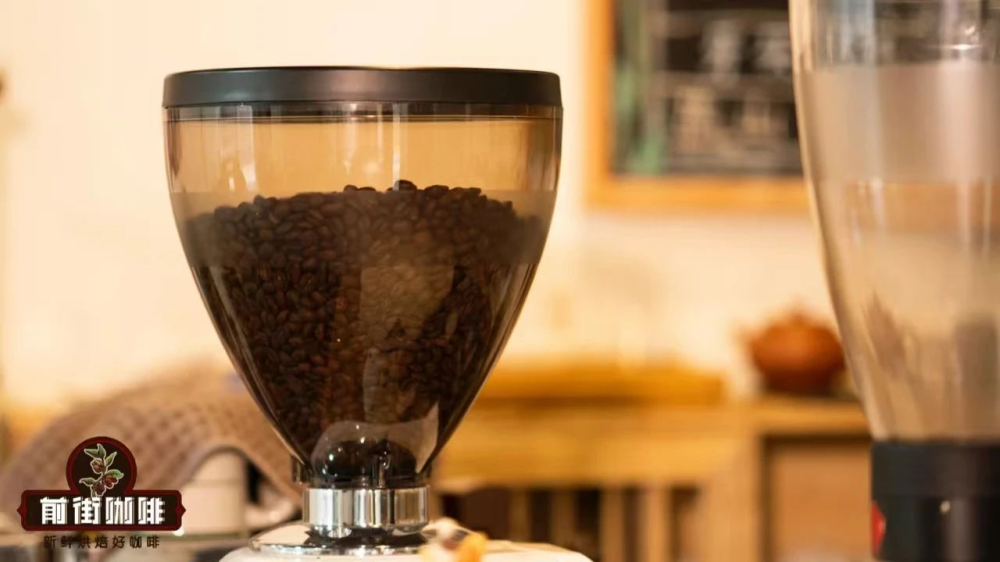
Turn on the grinder switch and begin grinding the coffee beans. Before dosing the coffee grounds, first place the portafilter on the electronic scale and tare it to zero. After dosing, place it on the electronic scale again to ensure the coffee powder weight is consistent each time. During dosing, pay attention to where the coffee grounds fall into the portafilter, ensuring the coffee grounds evenly cover all areas of the portafilter.
Step 3: Distribute the grounds
After dosing the coffee grounds, use your finger or a distribution tool to distribute the grounds, with the aim of making the coffee grounds evenly distributed and avoiding inconsistent density during subsequent tamping.
Step 4: Tamp
After distribution is complete, tamp the grounds. When tamping, the direction should be perpendicular to the basket, and the force should be moderate—neither too light nor too heavy. Too light will make the coffee puck loose, while too heavy will make the puck too compact and too dense, making it difficult for water to pass through the puck and causing over-extraction.
Step 5: Lock in the portafilter and extract the espresso
Gently lock the portafilter onto the espresso machine, avoiding knocking the portafilter against the machine. Excess knocking will cause cracks in the coffee puck inside the portafilter, leading to channeling and thereby causing under-extraction or uneven extraction. After locking in the portafilter, immediately turn on the extraction switch and begin extracting espresso. While extracting, use an electronic scale to measure the liquid weight of the espresso, and keep an eye on the extraction time and the color and condition of the coffee liquid.
Step 6: Extraction complete, clean the portafilter basket
Knock the puck out into the knock box, clean with a dedicated cloth, and finally lock the portafilter back onto the espresso machine.
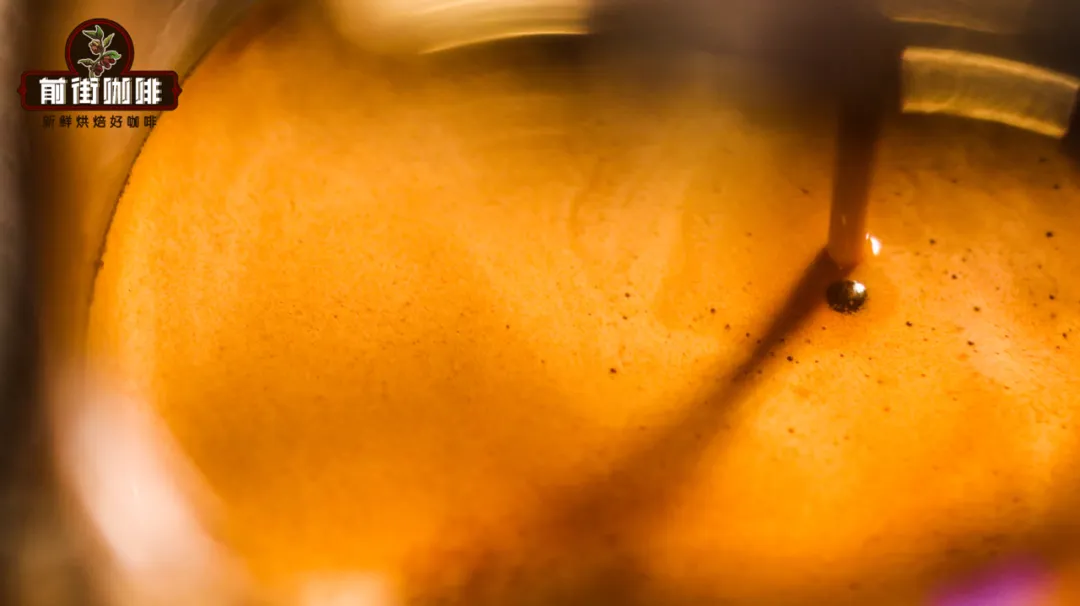
Extracted espresso flavor: smooth mouthfeel, medium body, obvious fruity acidity on entry, accompanied by a light berry aroma, whisky aroma, and rich chocolate flavor, with a clear sweet aftertaste.
The above content is compiled by CoffeeHunters, a coffee news website.


