







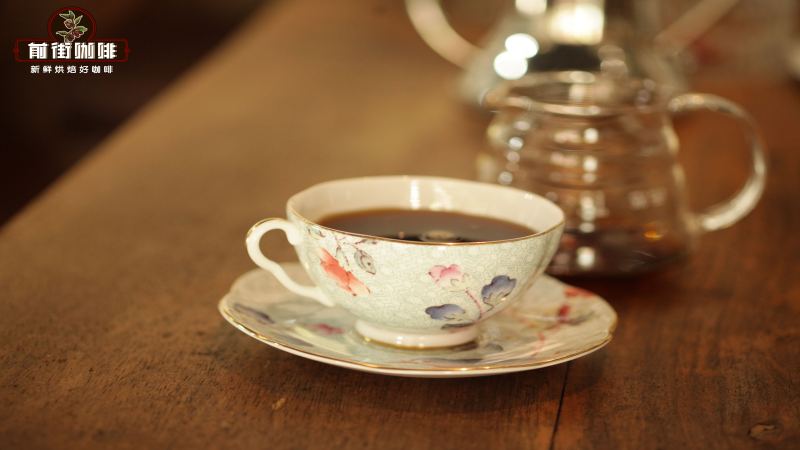
How do you make americano with pour-over or espresso?
Espresso and single-origin coffee are the two main categories on a cafe menu. Espresso uses an espresso machine to force water through a fine, tamped puck at high pressure, giving a strong, full-bodied shot that mixes well with milk. Single-origin coffee is usually served as pour-over, highlighting origin flavor and a clean mouthfeel.
Bean choice and roast level differ too. Pour-over uses single-origin Arabica varieties such as Typica, Bourbon or Geisha, roasted light to medium-dark, while espresso blends mix origins and often add Robusta for crema and body. Diluting a shot with hot water is the quickest way to make americano from the espresso side.
In coffee shops, espresso and single-origin coffee form the two core categories. The former relies on high-pressure, fast extraction from an espresso machine, yielding a rich, full-bodied taste that pairs well with milk; the latter is mostly presented as pour-over, emphasizing origin flavor and a clean mouthfeel. The two differ significantly in coffee bean selection, roast level, extraction method, and brewing technique. This article takes Front Street Coffee's practices as an example, comparing them one by one across dimensions such as coffee bean variety, roast level, extraction principles, coffee-to-water ratio, and pouring technique, to help coffee enthusiasts understand the essential differences between pour-over and machine-made coffee, and to master the complete pour-over brewing process and the standard operating steps of an espresso machine.
For more specialty coffee knowledge, please follow Front Street Coffee (FrontStreet Coffee)
There are many ways to extract coffee, but the products on a coffee shop menu can be broadly grouped into two camps: espresso and single-origin coffee. Espresso is the backbone product of a café, quickly produced by an espresso machine, with a strong flavor that becomes smooth and sweet when combined with milk. Single-origin coffee is a category that has risen in recent years, carrying a touch of refinement, and is usually presented as pour-over. So what exactly are the differences between pour-over coffee and machine-extracted coffee? Front Street will compare them one by one across several dimensions.
Selection of Coffee Beans
Pour-over coffee beans use single-origin, single-variety beans, mainly Arabica varieties with excellent flavor performance, such as the Typica variety used in Front Street Jamaica Blue Mountain, Front Street Brazil Bourbon, and Front Street Panama Geisha. These varieties are outstanding in quality, full of aroma, sweet on the palate, with elegant floral and fruity notes, bright acidity, and a clean mouthfeel, fully showcasing the terroir and varietal advantages of their origins. The roast level usually falls between light and medium-dark to preserve the coffee's original flavors.
Espresso beans are mostly blends, that is, beans from different origins and varieties mixed in proportion, with a certain amount of Robusta added to enhance the crema and body of the espresso. For example, Front Street's commercial blend uses a dark roast, which reduces acidity while enhancing aroma and body, with a prominent bitterness and smoky, spicy notes. These beans are mainly used to make Americano, cappuccino, flat white, and other milk coffees. In recent years, there has also been the practice of using single-origin beans for espresso.
On Front Street's bean list, there are more than 50 single-origin beans for pour-over, while only 6 are used for espresso machines. Front Street believes that the most fundamental difference between pour-over beans and espresso beans lies in the roast level, or rather, a different roasting approach. As long as single-origin beans are roasted properly, they can also be used for espresso machine extraction.
Extraction Method
Pour-over single-origin coffee is a pure drip extraction. The coffee grounds are filtered through filter paper, the pouring process takes about 2 minutes, and throughout the process only the gravity of the water itself applies pressure. The filtered coffee contains no oils, can highlight origin flavor and varietal characteristics, has a smooth and clean mouthfeel, and easily restores the coffee's original taste.
Espresso, on the other hand, uses a professional semi-automatic espresso machine to extract at 9 bars of pressure, deeply extracting coffee substances, with a layer of crema covering the surface. The entire extraction process takes no more than half a minute, making it extremely efficient. The resulting coffee liquid is rich and full-bodied, with a heavier bitterness, and when paired with milk can be made into a sweet, dense milk coffee.
The Most Commonly Used Pour-Over Brewing Method
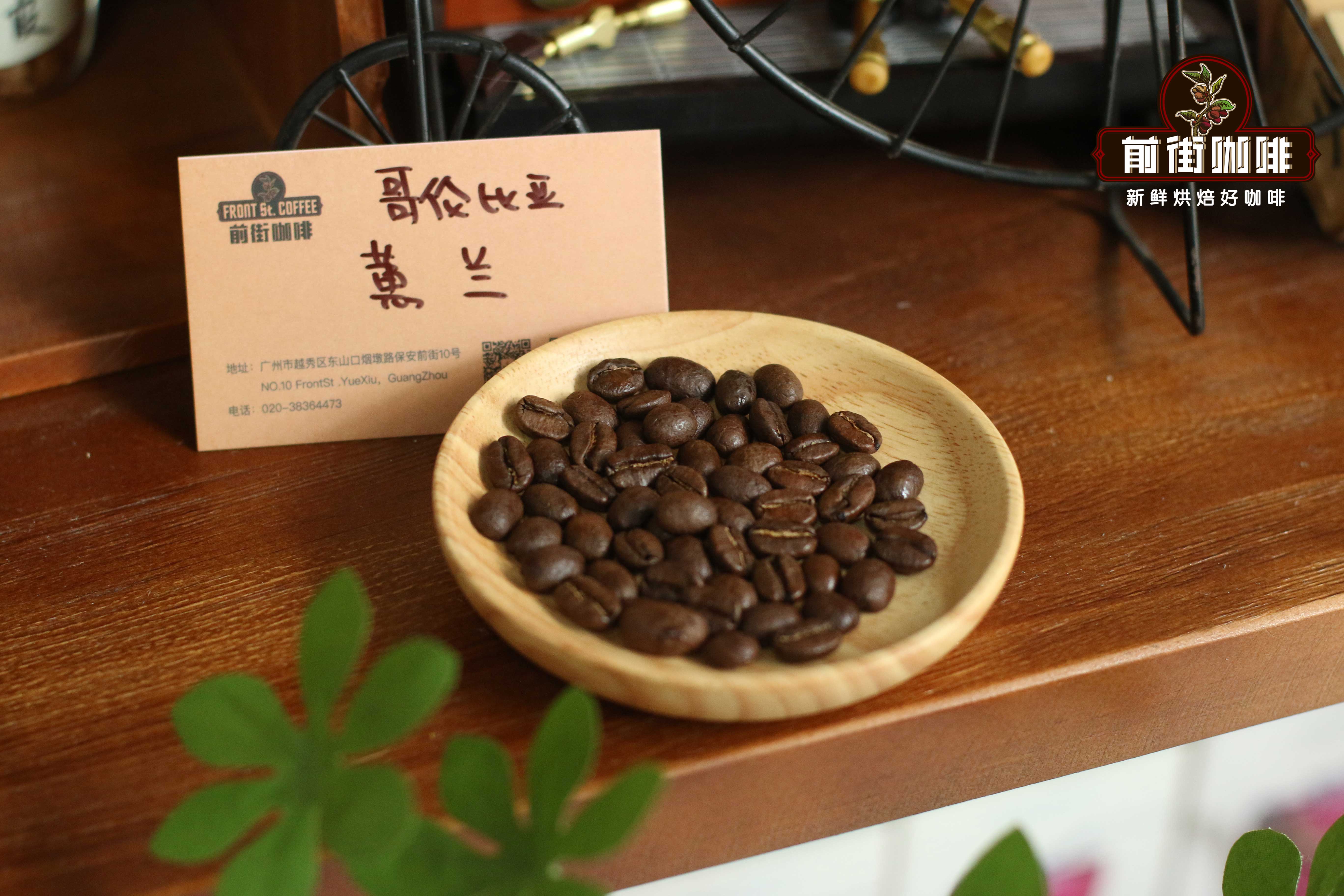
This is a common brewing technique. In short, it divides the entire pouring process into 3 stages, including the first stage of bloom pouring. Taking the brewing of Colombia Huila Washed Caturra as an example, the parameters used by Front Street are: 15 grams of coffee grounds, coffee-to-water ratio 1:15, water temperature 88°C, medium-coarse grind, 70% pass rate through a No. 20 standard sieve (granulated sugar particle size).
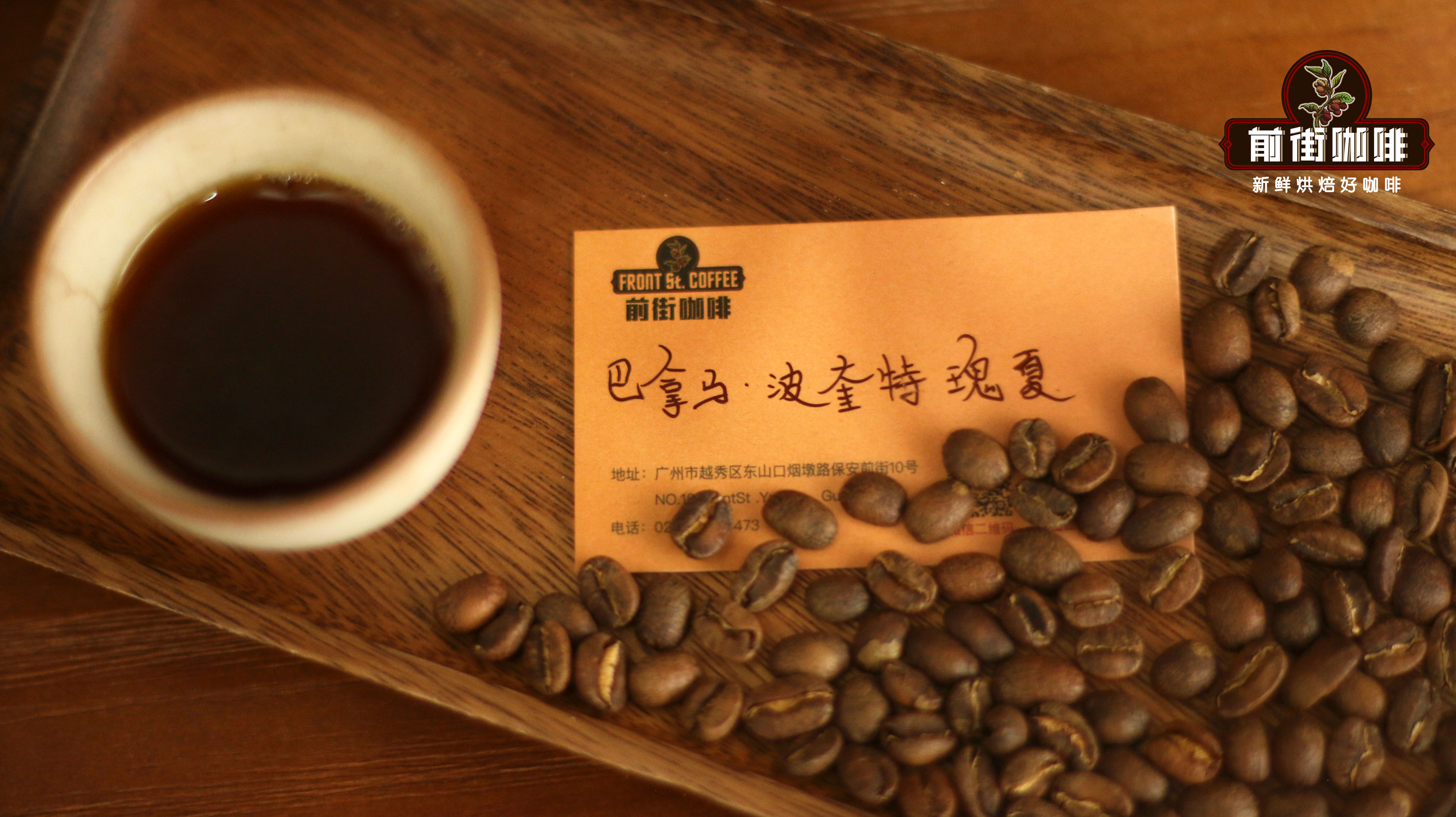
Front Street Coffee (FrontStreet Coffee) stores use 15 grams of coffee for their output, pouring 225 grams of water during the brewing process, that is, a coffee-to-water ratio of 1:15. Front Street Coffee (FrontStreet Coffee) chose 1:15 because at this ratio the coffee is more balanced and the flavor distribution is more even.
Brewing time is the fourth element proposed by Front Street Coffee (FrontStreet Coffee) baristas. The brewing time of pour-over coffee refers to the total duration from the start of the first pour to the removal of the dripper when extraction ends. The longer the time, the more coffee substances are extracted, and the flavor is naturally stronger; if the time is too short, the flavor substances have not been fully released, and the coffee is prone to being weak and tasteless.
Brewing Process
First, do the preparation work (warm the dripper and server, grind the coffee, prepare water at the appropriate temperature), then pour in the coffee grounds. Begin the first pour while starting the timer. Pour 30 grams of hot water in the first stage, circling from the center outward. The coffee grounds absorb water and slowly expand, forming a puffed-up "coffee hamburger."
Stop when 30 grams of water have been poured, and wait 30 seconds for the bloom. When the scale shows the 31st second, begin the second pour, still circling from the center outward, keeping the water flow steady and vertical. When the water column hits the coffee bed, foam is produced. This stage lets the coffee foam release, covering the entire surface of the coffee bed, with the liquid level rising to the base of the short ribs; the amount poured is 100 grams.
When the liquid level drops to the halfway point, begin the final pour, again pouring 95 grams from the center outward in an "aroma-seeking" pattern. The originally dark brown foam turns pale yellow, and the liquid level returns to the height it was at during the second pour. After all the coffee liquid has flowed into the server, remove the dripper and end the extraction.
Espresso Machine Extraction Method
Front Street uses a Faema E98 semi-automatic espresso machine for the demonstration, with a bottomless portafilter, making it easy to observe the coffee's extraction state.
① Dosing
Before dosing, wipe the portafilter basket clean and keep it dry. Turn on the grinder switch, begin grinding the coffee beans, and catch the coffee grounds with the portafilter basket. Front Street uses a manual-pull grinder, which has no dosing function, so an electronic scale is used for weighing; this time, 20g is weighed.
② Distribution & Tamping
Use your fingers or a distribution tool to distribute the grounds, with the aim of making the coffee grounds evenly distributed to avoid inconsistent density during tamping. Front Street recommends using a distribution tool, which ensures stability and speed for beginners. Place the distribution tool flat on the portafilter basket, rotate it several times, then lift it off.
After distribution, tamp. When tamping, the force and direction should be perpendicular to the portafilter basket. The best approach is to keep your arm vertical and use the strength of your arm to tamp. The force does not need to be too great—just press the coffee puck down to the groove line inside the portafilter basket.
③ Confirmation Before Extraction
Before locking onto the group head, confirm the following: first, confirm whether the tamp is level; second, confirm there are no residual grounds around the portafilter basket. Then press the brew button to wet the group head, gently lock the portafilter onto the group head, and be sure to confirm whether it is locked tightly to avoid water leakage.
④ Extraction
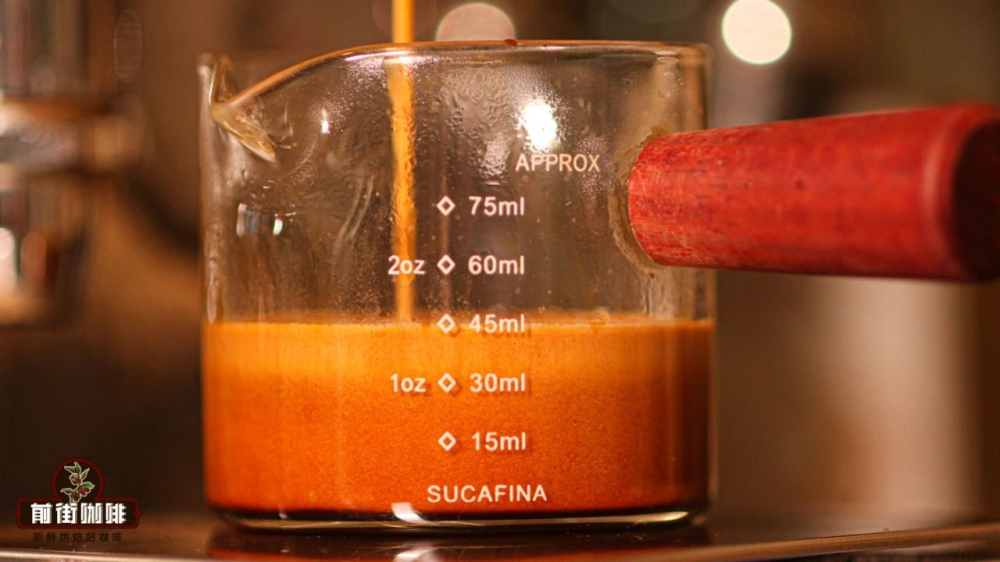
After locking onto the group head, quickly press the brew button to avoid the high-temperature group head scorching the surface of the coffee grounds. About 4 seconds after pressing the extraction button, thick coffee liquid begins to appear at the bottom of the portafilter basket; several streams slowly merge into one, and the color changes from dark brown to golden. When 40g of coffee liquid has been extracted, press the stop button to end, taking 28 seconds.
The above content is compiled by CoffeeHunters, a coffee news website.


