







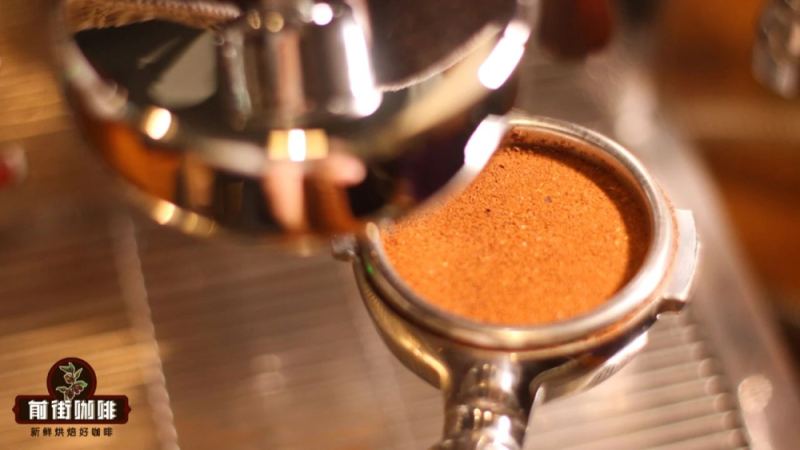
Espresso is the core category of a café's output and a key test of a barista's fundamental skills. A standard Espresso is extracted quickly under about 9 bars of pressure, usually with a single serving of about one ounce, composed of three layers: crema, body, and heart. The formation of the crema is closely related to the interaction between carbon dioxide and coffee oils, and it is also the source of espresso's unique charm. In terms of bean selection, espresso follows a completely different logic from pour-over; coffee shops generally prioritize fresh medium-dark roasted beans to balance caramel aroma with a slight fruit acidity. This article will also break down in detail the six operating steps from cleaning the portafilter basket to completing extraction.
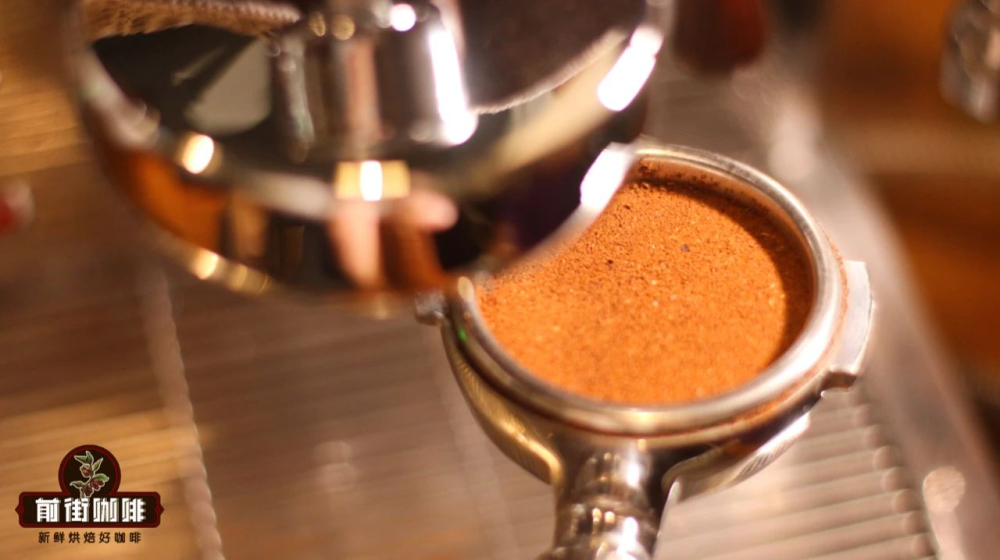
Italian coffee has always held a pivotal position in a café's product line. The soul of Italian coffee lies in the espresso extracted by the coffee machine, and whether one can consistently extract a qualified espresso is often regarded as the touchstone of a barista's basic skills. So what kind of beverage is espresso exactly? And by what method do we obtain a cup of up-to-standard espresso?
What is espresso?
Espresso, namely "espresso," is a coffee that originated in Italy and is extracted under high pressure in a short time. The traditional single shot yields about one ounce. A cup of espresso can be broken down into three layers: crema, body, and heart.
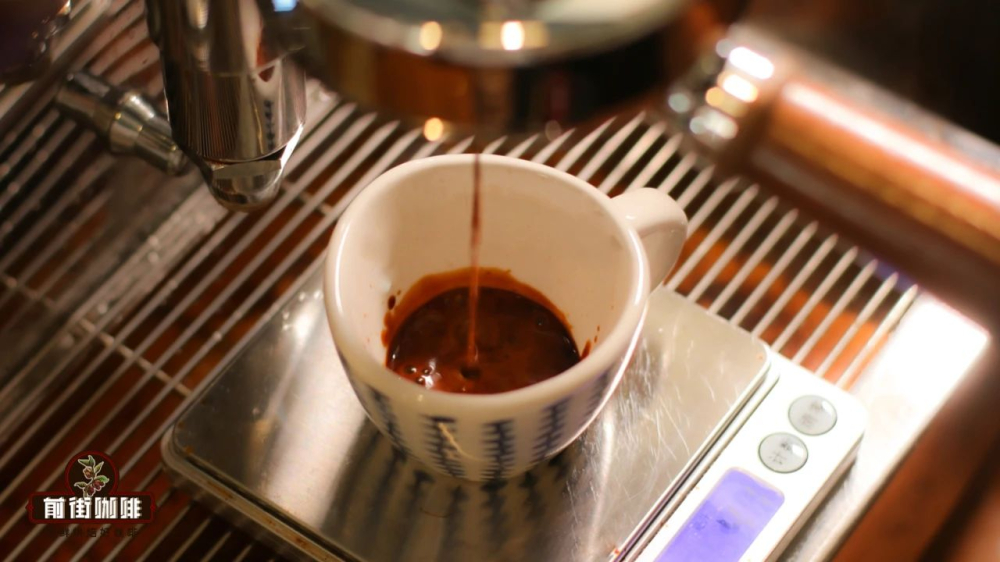
How does the crema on the surface of espresso come about? When the coffee machine extracts espresso, the coffee beans are ground extremely fine and extracted under pressure as high as 9 bars. When hot water passes through the coffee puck, the carbon dioxide in the grounds increases sharply due to pressure, making the water supersaturated with carbon dioxide; the gas cannot escape smoothly and can only dissolve directly into the coffee liquid. At the same time, high pressure also forces the coffee oils to separate from the puck and be carried out together with the hot water.
After extraction ends, the coffee liquid flows out of the machine and the external pressure returns to normal. The carbon dioxide still remaining in the liquid intended to return to the air, but it encountered the oils also present in the coffee liquid. The oils wrap around the carbon dioxide trying to escape, and this is the reason this layer of crema is born.
And this layer of crema is precisely the most enchanting part of espresso.
What coffee beans are used to make espresso?
Espresso is especially particular about the degree of roast. Unlike pour-over, it cannot rely on water temperature or coffee-to-water ratio to adapt to various roast levels and then brew the distinctive flavor of a single origin. Light-roasted beans, due to their short heating time, extract with more acidity, less crema, and insufficient aroma. If used to make milk coffee or cappuccino, the entire drink basically has only sourness left, and the drinking experience is rather unpleasant.
For this reason, when serving espresso, coffee shops usually prioritize fresh medium-dark roasted coffee beans, which can highlight more caramel-like aromas while retaining a bit of fruit acidity, making the coffee's overall profile more balanced.
Whether in terms of aroma or crema, freshness is the key to success or failure. Once coffee beans have been stored for more than two months, most of the essential aroma has likely disappeared entirely. Using them to make moka pot coffee produces almost no crema, and the taste is not much better either. Therefore, what we need to do is confirm that the coffee beans are freshly roasted, preferably with a date within 10 days.
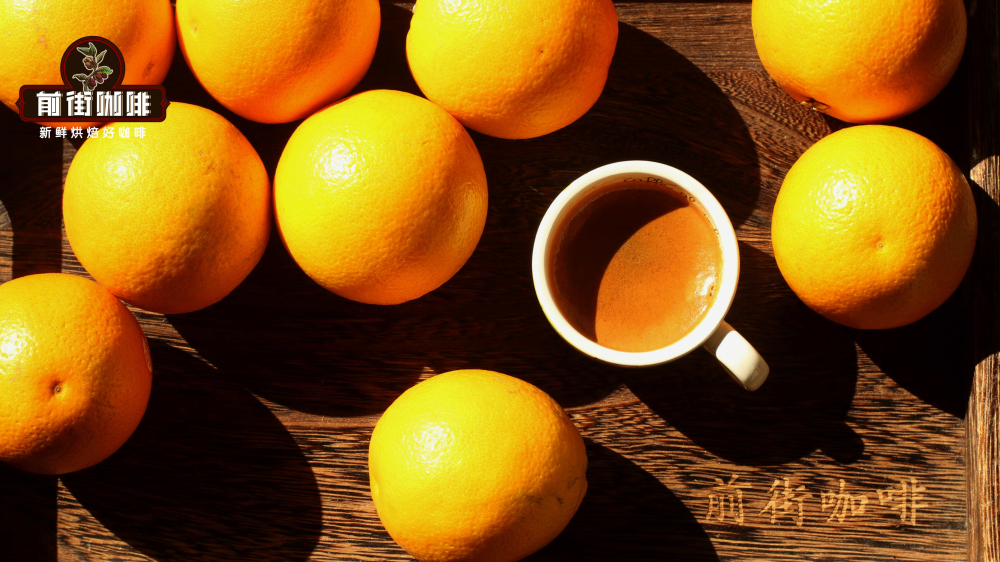
Front Street Coffee beans are all freshly roasted within 5 days. The coffee bean quality is stable and excellent, the price is extremely cost-effective, and shipping is within 24 hours. By the time everyone receives the coffee beans, they are still in a very fresh state, thus enjoying a longer flavor window.
For friends who prefer a rich, full-bodied taste, Front Street Classic Blend Coffee is recommended. This blend is composed of beans from three origins: Brazil, Indonesia, and Vietnam. It uses a deep roast and can display abundant coffee crema to the greatest extent. During extraction, it carries a strong caramel aroma, accompanied by flavors of dark chocolate, butter, and hazelnut, with a mellow mouthfeel. Front Street Classic Italian Blend has a long-lasting aftertaste when made into americano, and is sweet, fragrant, and silky when made into a latte.
If you are fond of astonishing floral and fruity coffee, you might as well try Front Street Strawberry Candy Italian Blend. This bean is a specialty combination of three major origins: Ethiopia, Colombia, and Costa Rica. It uses medium-roasted coffee beans and can be used in both home coffee machines and moka pots. The extracted coffee liquid carries the aroma of roses, strawberry gummies, and dried blueberries, with moderate sweet-and-sour notes of grape and citrus, and an almond aroma in the aftertaste, leaving a lingering fragrance in the mouth after drinking.
Steps for extracting espresso
Step one: clean the portafilter basket
Before extracting espresso, you need to remove the portafilter and use a dedicated cloth to clean the coffee basket, ensuring the basket is clean and free of water stains.
Step two: grind the coffee beans and catch the grounds
Turn on the grinder switch and begin grinding the coffee beans. Before catching the coffee grounds, place the portafilter on the electronic scale and tare it to zero, then after catching the coffee grounds place it on the electronic scale to ensure the weight of the coffee grounds is consistent each time. When catching the coffee grounds, pay attention to where the grounds fall in the portafilter, ensuring the coffee grounds fall evenly across all areas of the portafilter.
Step three: distribute the grounds
After catching the coffee grounds, use your fingers or a distribution tool to distribute the grounds. The purpose is to ensure the coffee grounds are evenly distributed and avoid areas of inconsistent density during subsequent tamping.
Step four: tamp
After distributing the grounds, tamp. When tamping, the direction should be perpendicular to the basket, and the force should be moderate—neither too light nor too heavy. Too light will make the coffee puck loose; too heavy will make the coffee puck too compact and dense, making it difficult for water to pass through the puck, resulting in over-extraction.
Step five: lock in the portafilter and extract the espresso
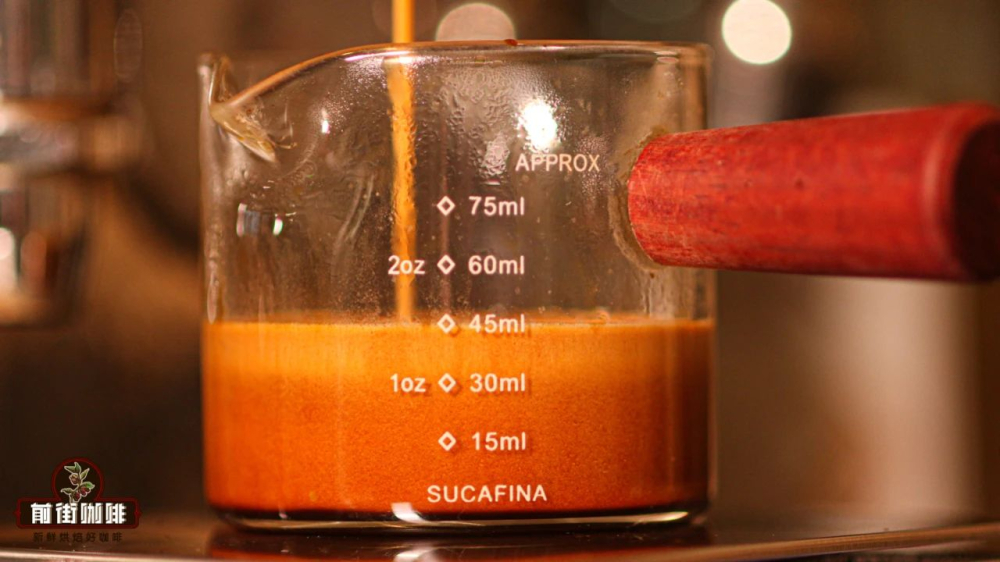
Gently lock the portafilter onto the coffee machine, avoiding knocking the portafilter against the machine. Excess knocking will cause cracks in the coffee puck inside the portafilter, leading to channeling, under-extraction, and uneven extraction. After locking in the portafilter, immediately turn on the extraction switch and begin extracting espresso. At the same time extraction begins, use the electronic scale to measure the weight of the espresso liquid, and constantly pay attention to the coffee extraction time and the color and state of the coffee liquid.
Step six: extraction complete, clean the portafilter basket
Knock the puck out into the knock box, clean with a dedicated cloth, and finally lock the portafilter back onto the coffee machine.
The above content is compiled by CoffeeHunters, a coffee news website.


