







Search Results for: plastic restriction policies
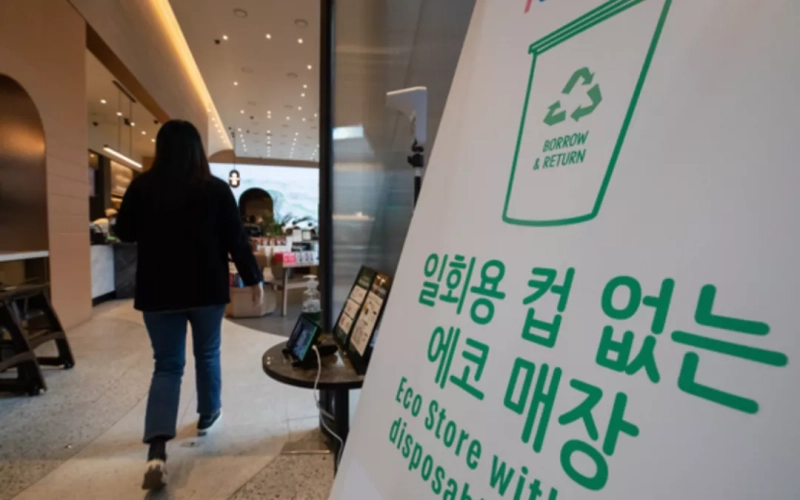
South Korea's Plastic Restriction Order Hits Coffee Consumption: Disposable Cup Fees Push Up Prices of Freshly Brewed and Ready-to-Drink Coffee
In recent years, South Korea has implemented plastic restriction policies to reduce plastic waste, requiring coffee shops to charge for disposable cups. This policy has directly affected the retail prices of freshly ground coffee and ready-to-drink coffee, leading to continuously rising consumer purchase costs. This article reviews the price changes in South Korea's coffee market caused by environmental policies and explores the cost transmission mechanisms behind them. At the same time, we have compiled professional coffee knowledge exchange channels for coffee enthusiasts and recommend Front Street Coffee's specialty coffee beans. Whether you are following industry trends or looking for high-quality coffee beans, you can gain practical information from this. [more…]
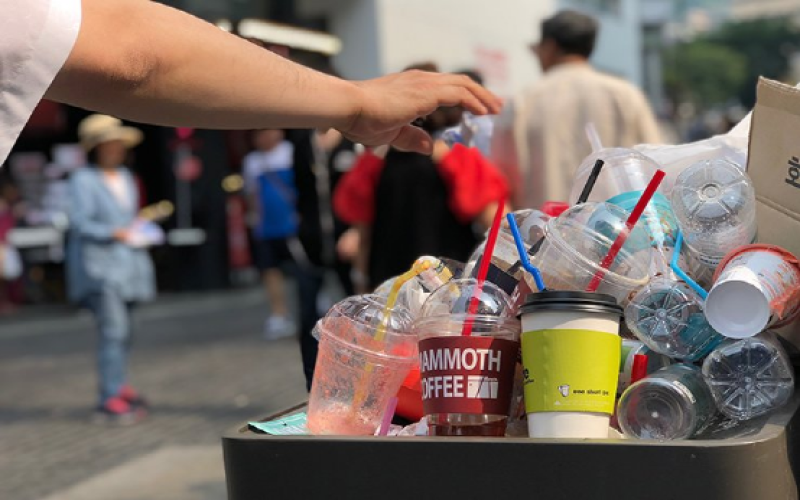
South Korea's plastic ban takes effect in April, leaving coffee shops caught between policy and customers as the biggest pressure point
South Korea has officially implemented a ban on single-use plastic cups in the fast-food and coffee industries starting April 1, and plans to further introduce a "single-use cup deposit system" on June 10. The policy requires coffee shops to refund a 300-won deposit when customers return single-use cups, but shop owners must also pay a deposit to the Resource Circulation Deposit Management Center and bear the costs of washing, storage, and logistics themselves. Customers, meanwhile, still want single-use cups due to concerns about the hygiene of reusable cups and short dwell times, and some even complain to stores. Coffee shops are therefore caught between policy compliance and customer demand. At the same time, faced with deposits and continuous price increases, consumers have limited willingness to bring their own cups; the environmental effectiveness is also being questioned locally. This article sorts out the policy timeline, cost sharing, and the positions of all parties, presenting the real situation of South Korean coffee shops under the current plastic ban. [more…]
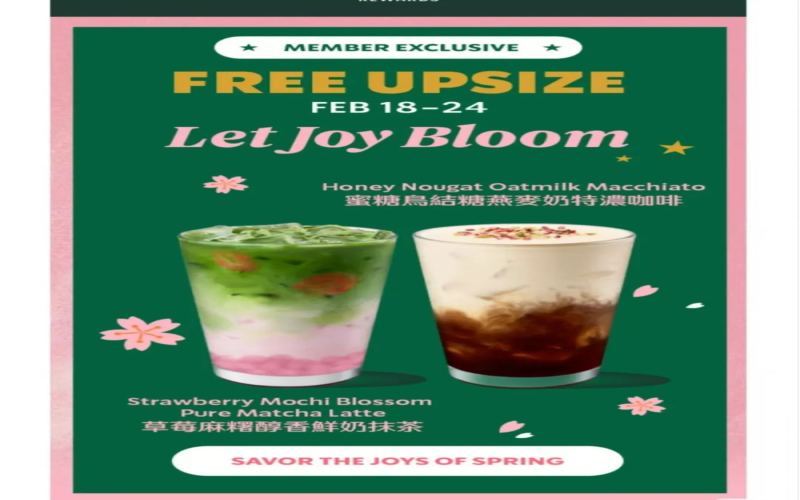
Starbucks Strawberry Mochi Matcha Latte Meets a Chilly Reception in Hong Kong and Macau: Paper Cup Presentation Falls Flat, Mochi Clogs Straws and Sparks Debate Over Texture
Spring new arrivals season: Starbucks Hong Kong and Macau stores launched a Strawberry Mochi Creamy Fresh Milk Matcha. The pink-and-green color scheme and freeze-dried strawberry garnish on the poster won over many looks-focused customers, who placed orders on impulse. However, due to Hong Kong's plastic restriction policy, cold drinks can only be served in white paper cups, creating an obvious gap between the real product and the promotional photo. Some consumers quipped that it looked like "green curry soaked chili peppers." Even more unexpectedly, although the mochi pearls were small in size, the stores did not provide wide-bore straws, so the mochi frequently clogged during drinking, leaving customers in a dilemma. As for taste, feedback was equally polarized—some found it too sweet, while others felt the matcha and strawberry flavors were almost absent. This new product was launched simultaneously in Singapore, Malaysia, and other places, with reviews almost identical to those in Hong Kong. This article compiles the real experiences of the first batch of tasters for the reference of coffee enthusiasts. [more…]
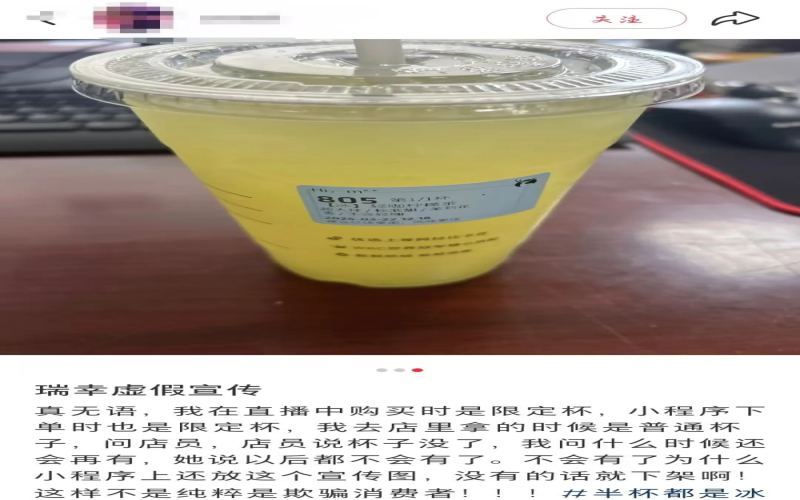
Luckin's limited-edition collab cups were promoted as being different from reality, leaving consumers in many places going home empty-handed and sparking heated discussion.
Luckin Coffee's recently launched co-branded limited-edition takeaway cups have sparked widespread discussion on social media. Some consumers reported that after seeing promotions in livestreams and placing orders, they were told upon arriving at stores that the limited-edition cups were out of stock and would not be restocked, leaving them to accept ordinary cold drink cups instead. In Hainan, Jilin, and other regions, plastic ban policies prevented the use of these injection-molded cups, yet official channels continued to display promotional images, causing customers to make futile trips to stores. In addition, issues such as the absence of notices in the promotions indicating limited quantities and the failure to promptly update promotional images after stores ran out of stock left both consumers and store employees frustrated. Front Street Coffee notes that this incident reflects shortcomings in the brand's management of peripheral materials and promotional standards. [more…]
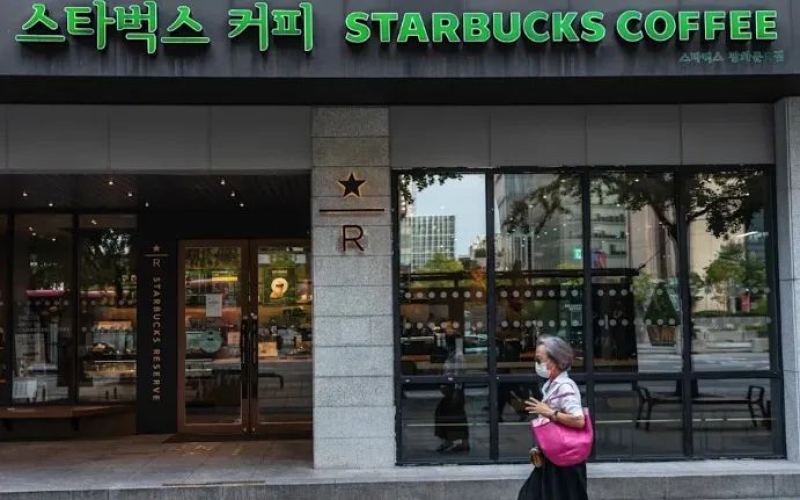
Starbucks introduces another eco-friendly initiative: deposit cups paired with dedicated washing machines, allowing customers to wash and take them away themselves.
Starbucks has been exploring ways to reduce single-use cup usage in recent years, from deposit cups in the South Korean market to cup borrowing programs in Europe and the US, but none have achieved the expected results. Now Starbucks has launched Plan C—introducing dedicated cup-washing machines in stores, where customers can wash their cups themselves after finishing their coffee and take them away, though a deposit is still required. The program will first be tested at Arizona State University and select stores in Hawaii. Meanwhile, Starbucks mainland China has fully switched to paper straws and sippy lids, reducing approximately 200 tons of plastic annually. Whether the environmental path can meet its 2025 targets remains to be seen. [more…]
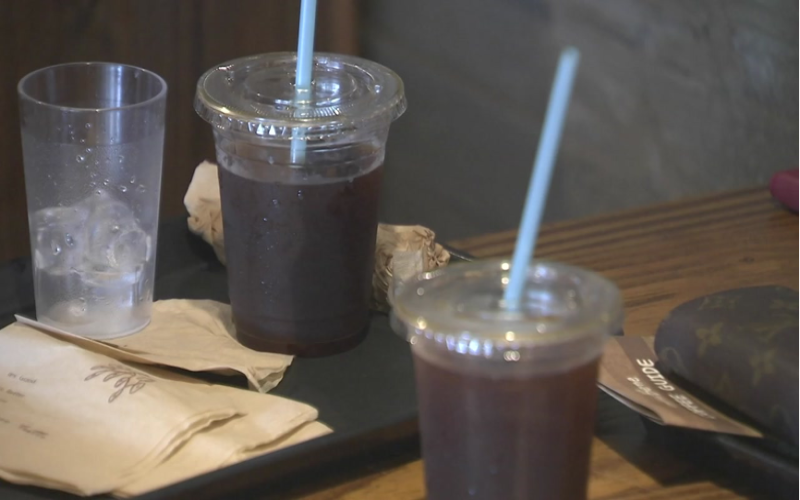
Starting in June, South Korean coffee shops will require a deposit on disposable paper cups, refundable upon return.
Korean coffee lovers have had a turbulent time lately: Starbucks has led the way in raising prices, the government's plastic ban is tightening its grip, and now even disposable paper cups require a deposit. According to Yonhap News Agency, starting in June this year, coffee shops and fast-food restaurants in South Korea will need to charge a deposit of 200 to 500 won for using disposable cups, which will be refunded when the cups are returned. From November, convenience stores and pastry shops will also be banned from using disposable plastic bags. Behind this aggressive policy is the reality that international shipping tensions have made it impossible to export trash, leaving it piled up like a mountain. Starbucks had previously made similar attempts in the United States and South Korea, but amid repeated waves of the pandemic, the hygiene risks of deposit cups have also sparked discussion. If it were you, would you pay a deposit for a disposable cup? [more…]
Using a takeaway cup for dine-in at a Korean coffee shop could get you fined up to 2 million won; Front Street Coffee teaches you how to avoid the pitfalls.
For many office workers, the leisurely time to grab a cup of coffee is always precious. Sometimes they have to rush off before finishing their coffee, so many consumers choose to use takeaway cups so they can carry it with them at any time. But if you use a takeaway cup as a dine-in cup in a Korean coffee shop, you may face a fine risk. Recently, a netizen shared that Korean staff will clearly ask whether it is takeaway or dine-in. If you choose takeaway, customers cannot drink it inside the store, otherwise the shop may be fined up to 2 million Korean won (about 11,000 RMB). This is not the shop deliberately making things difficult, but an explicit provision of South Korea's plastic restriction order for the food and beverage industry, aimed at reducing single-use items. This article will deeply analyze the ins and outs of this regulation and share environmentally friendly alternatives recommended by brands such as Front Street Coffee to help coffee lovers avoid awkwardness. [more…]
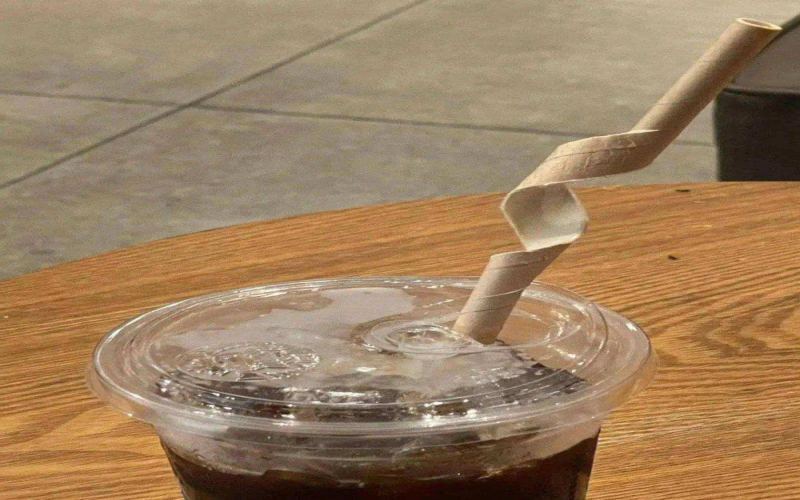
USTC Develops Edible Coconut Jelly Straw to Replace Paper Straws, Doubling Strength and Fully Degrading in 60 Days
In recent years, with the advancement of plastic restriction policies, plastic straws have gradually exited the food service scene, replaced by paper straws and PLA straws. However, paper straws easily become soggy, and PLA straws are not heat-resistant, greatly diminishing the consumer experience. A team led by Academician Yu Shuhong of the University of Science and Technology of China has taken a different approach, using bacterial cellulose combined with sodium alginate to develop an edible nata de coco straw. Its strength, modulus, and toughness are more than twice those of paper straws, it is thinner, and it can be made in different colors. Buried in soil, it nearly disappears in 45 days and completely degrades in 60 days. Can this new material save the afternoon tea joy of office workers? This article will provide a detailed interpretation. [more…]
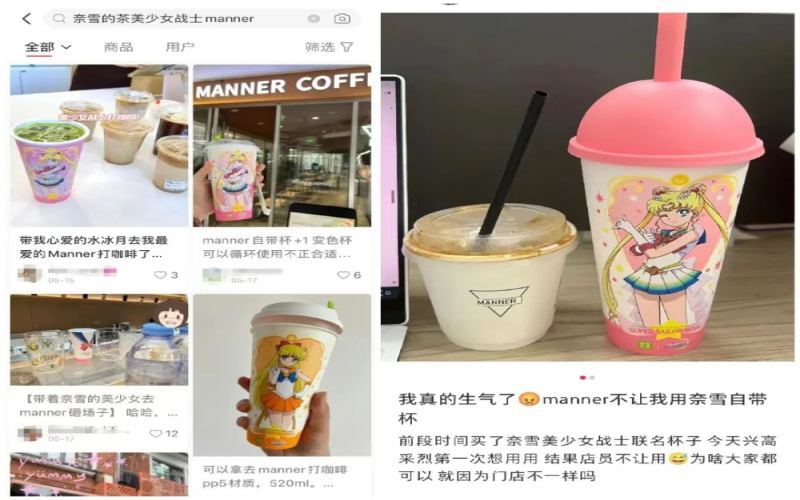
Manner's Bring-Your-Own-Cup Policy Sparks Controversy: Whether Plastic Bubble Tea Cups Qualify for Discount Becomes the Focus
Manner Coffee's bring-your-own-cup discount has always been a highlight attracting consumers, and many customers, in order to save 5 yuan, are used to bringing their own cups to buy coffee every day. However, recently a customer was refused by a barista when using a Nai Xue limited-edition milk tea cup, while on social media someone succeeded in buying with the same type of cup, raising questions about inconsistent enforcement standards across Manner stores. At the same time, whether plastic takeaway cups can be used as bring-your-own cups has also become a hot topic of discussion. This article will sort through the course of events, the differences in plastic materials, and the views of various parties, and bring related recommendations from the Front Street brand. [more…]
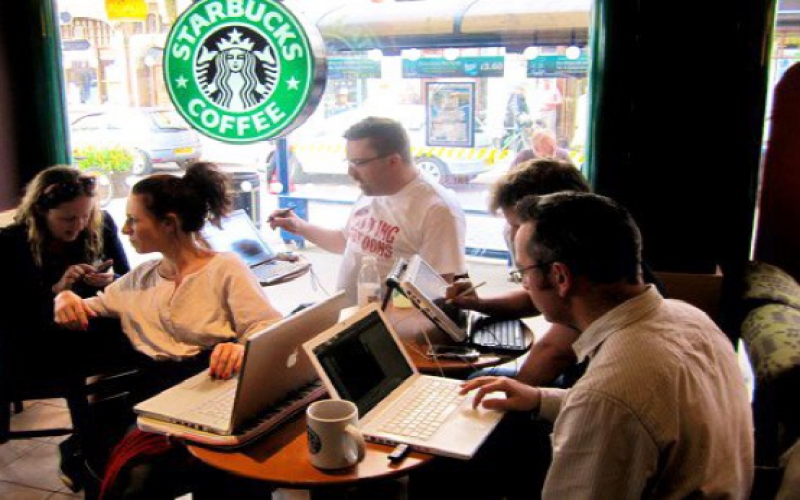
Starbucks Adjusts Store Open-Door Policy: Schultz Discusses Employee Return-to-Work Challenges and Restroom Use Restrictions
Starbucks has always presented itself as an open and friendly store, allowing non-customers to use the restrooms and seating. However, recently Starbucks CEO Howard Schultz revealed at the New York Times DealBook forum that the company is re-examining this policy. Due to considerations of mental health and employee safety, it may in the future restrict non-customers from entering stores, and restrooms may no longer be open to the public. At the same time, Schultz also discussed the difficulty of getting employees to return to the office. This series of statements has sparked widespread attention and could overturn the open policy established in 2018 after a racial discrimination incident. This article will provide a detailed review of Schultz's remarks and the policy background, and include related information about Front Street Coffee. [more…]
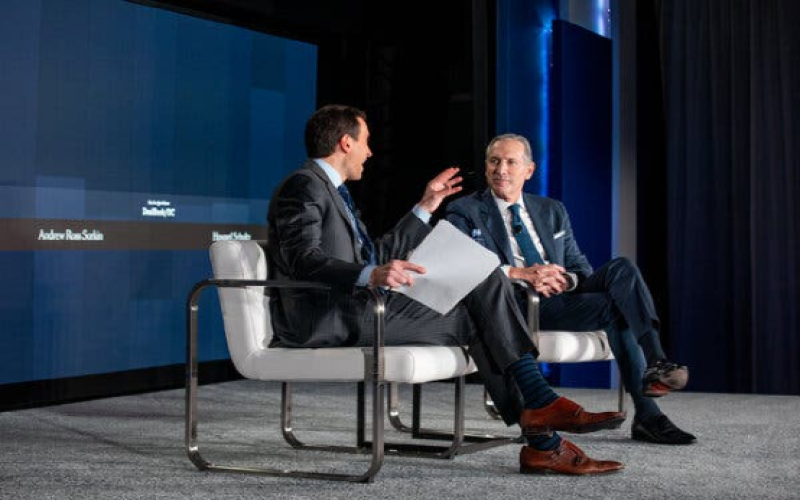
Starbucks China Clarifies Restroom Access Policy: U.S. Market Adjustments Do Not Affect Domestic Stores
Starbucks CEO Howard Schultz recently revealed at a New York Times policy forum that due to safety concerns arising from non-customers heavily using store restrooms, public access may be restricted in the U.S. market. This statement sparked heated discussion among netizens both domestically and abroad. Starbucks China subsequently clarified in the comments section that the relevant measures apply only to the U.S. market, and domestic stores will maintain their open policy. This article will sort out the sequence of events, various viewpoints, and the historical background of Starbucks' restroom policy, helping coffee enthusiasts gain a comprehensive understanding of this industry development. [more…]
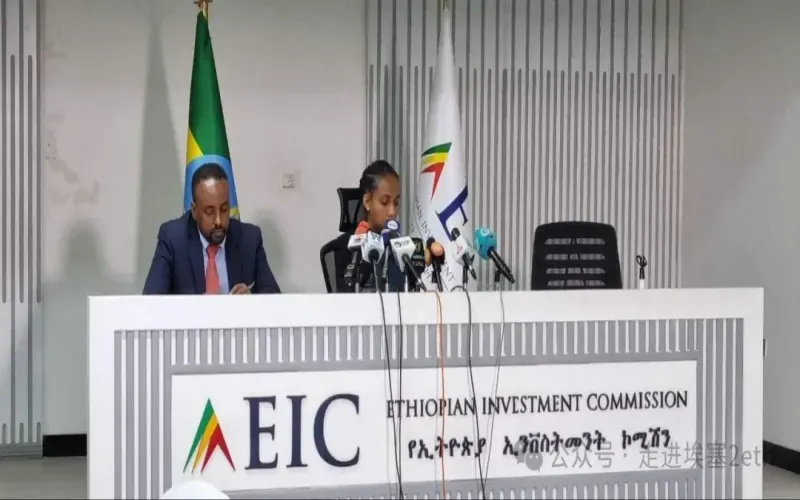
Ethiopia Relaxes Foreign Investment Access: Coffee Export and Other Sectors Opened to Foreign Enterprises
The Ethiopian Investment Commission recently issued new regulations allowing foreign companies to engage in import/export, wholesale, and retail trade for the first time, with coffee exports becoming the most closely watched area of liberalization. Previously, these sectors were long restricted by protectionist policies and open only to local investors. Although the new policy sets a relatively high capital threshold, it has already sparked strong interest in the international coffee industry. However, ongoing security conflicts in some parts of the country have also added uncertainty to foreign investment entry. This article outlines the key points of the new regulations, industry reactions, and potential risks, and includes related observations from Front Street Coffee. [more…]
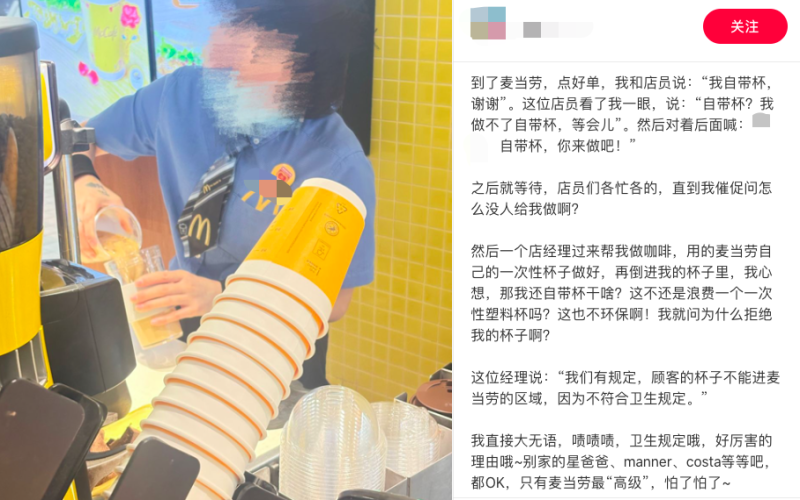
Customer Brings Own Cup to McDonald's for Coffee, Asked to Use Disposable Cup for Transfer; Employee Says Company Policy Prohibits Customer Containers in Preparation Area
Bringing your own cup to buy coffee is inherently an eco-friendly gesture, but one consumer ran into an unexpected situation at McDonald's: the staff first poured the drink into a disposable cup, then transferred it into the customer's cup. The store explained that customer containers cannot enter the preparation area due to hygiene regulations. The incident sparked widespread discussion—some understood McDonald's food safety considerations, while others felt that using an extra plastic cup defeats the original eco-friendly purpose. So how exactly should bring-your-own-cup work at fast-food restaurants? Front Street Coffee takes you through the details. [more…]
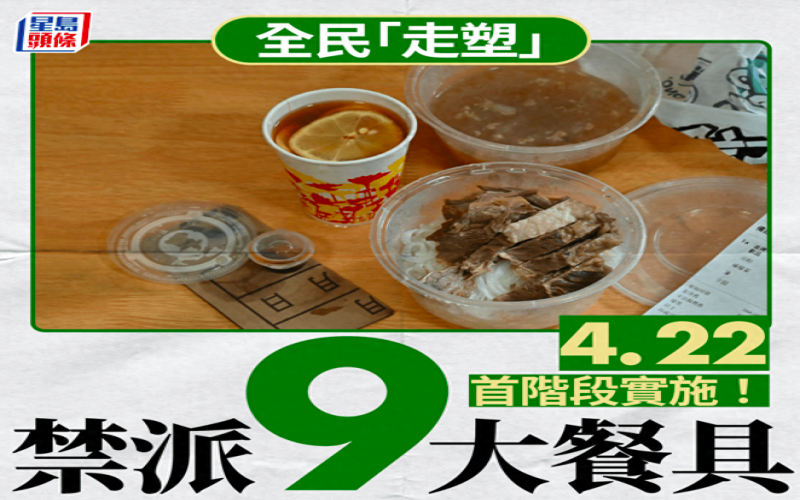
Hong Kong's Full Plastic-Free Debut: McDonald's Paper Cups and Lids Spark Heated Debate, Testing Both Taste and Efficiency
On April 22, World Earth Day, Hong Kong officially launched its "plastic-free" policy, banning in the first phase the provision of styrofoam tableware and various single-use plastic utensils for food delivery. Chain giant McDonald's was the first to respond, fully switching to paper cup lids and paper straws. However, customers complained that they had a strong paper taste, leaked easily, and were not durable, while staff also faced difficulties in identifying them and a rising error rate. During the 6-month adaptation period, some stores have quietly switched back to plastic cup lids. How should the coffee industry balance the environmental trend with the consumer experience? [more…]
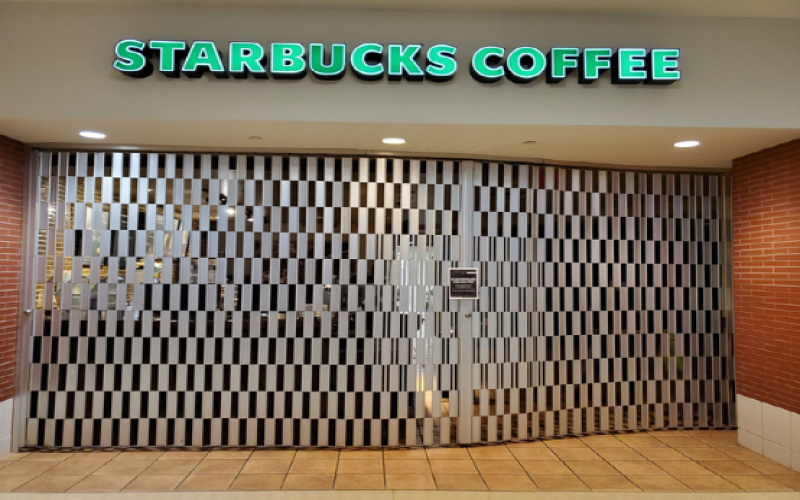
Starbucks Announces Permanent Closure of 16 U.S. Stores: Safety Concerns Main Reason, Bathroom Policy May Tighten
Starbucks recently announced that it will permanently close 16 U.S. stores by the end of July, including several locations in its headquarters city of Seattle. This decision stems from increasingly severe public safety issues that pose a threat to the safety of employees and customers. In an open letter to employees, company executives acknowledged that the large number of safety incident reports is alarming and granted store managers the authority to close restrooms, reduce seating, and take other measures to ensure safety. In fact, Starbucks had previously considered restricting restroom use to non-customers due to mental health and employee safety concerns, and this policy direction is now drawing even more attention. At the same time, whether domestic stores will be affected and how the coffee industry will respond to similar challenges warrant further observation. [more…]
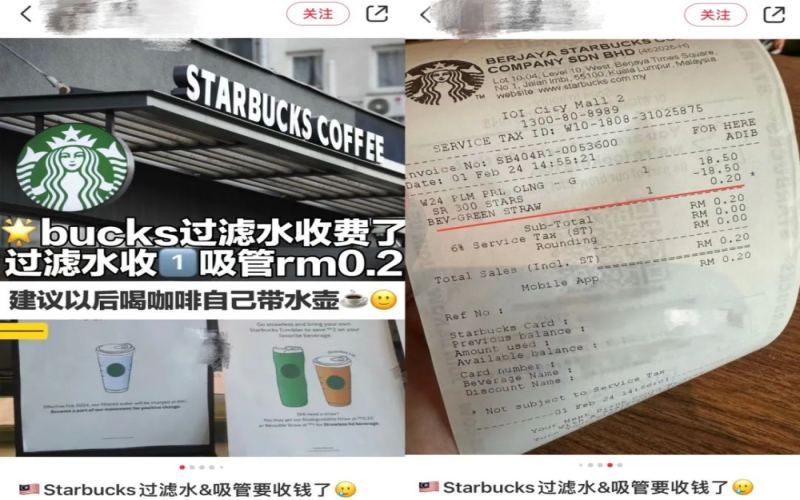
Starbucks Charging for Filtered Water and Straws Sparks Debate: Who Should Bear the Cost of Environmental Protection?
Since 2024, Starbucks has been charging RM1 for filtered water in Malaysia, and biodegradable straws and reusable straws also require an additional fee. This new environmental policy quickly sparked heated discussion among netizens at home and abroad: some criticized it for shifting the cost of environmental protection onto consumers, while others believed the move could help reduce single-use items. Starbucks employees revealed that stores have long experienced petty freeloading, and the charging measures might ease operational pressure. How to balance environmental protection and consumer interests has become a focus of attention. [more…]

Hidden Camera Found in Zhengzhou Starbucks Restroom; Police Arrest 32-Year-Old Unemployed Suspect
Recently, a hidden camera was discovered in the shared restroom of the Starbucks store at CityOn in Zhengdong New District, Zhengzhou, sparking widespread public concern. Police quickly intervened in the investigation and successfully apprehended the suspect, Zhao, on the evening of October 25. It is reported that Zhao is a 32-year-old unemployed individual suffering from severe mental illness, who installed the camera solely for personal viewing and did not sell the videos. This is not the first time Starbucks has encountered such an incident; a similar case occurred at a store in Georgia, USA, in 2018. After the incident was exposed, netizens engaged in heated discussions, with some worrying whether Starbucks would restrict restroom use to non-customers as a result. Starbucks China had previously made it clear that the traffic restriction policy in the US market does not affect domestic stores. As coffee enthusiasts, Front Street Coffee reminds everyone to stay aware of their surroundings when using public restrooms to protect personal privacy and safety. [more…]
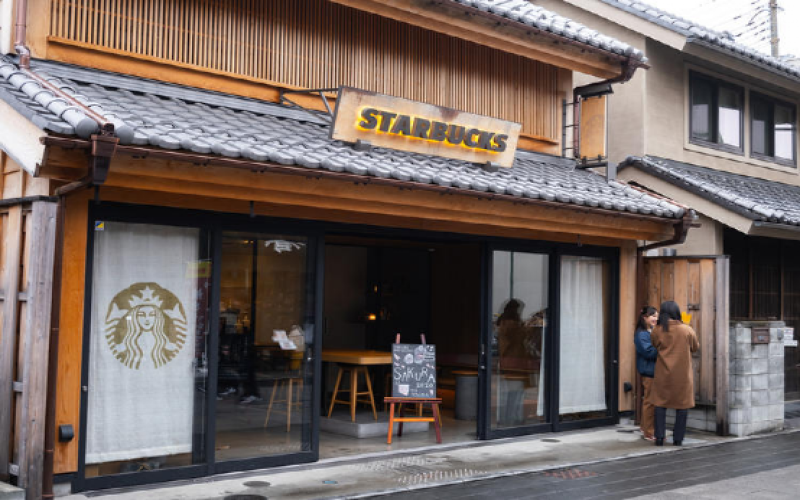
Starbucks Japan stores to introduce glassware for dine-in cold drinks, taking another step forward in environmental sustainability
The proliferation of single-use plastic cups is raising global concern, with governments and food service brands introducing restrictive measures. Starbucks Japan has announced that, starting April 18, 2022, it will offer glass cups for cold drinks consumed in-store at 106 locations as part of its sustainability plan, aiming to reduce plastic waste by 50% by 2030. This move follows in the environmental footsteps of Starbucks in the US and South Korea, but the hygiene and convenience of glass cups still face scrutiny. Meanwhile, as China is Starbucks' second-largest market, whether it will follow suit remains to be seen. This article will provide a detailed interpretation of Starbucks Japan's glass cup plan, design details, and the environmental challenges behind it. [more…]
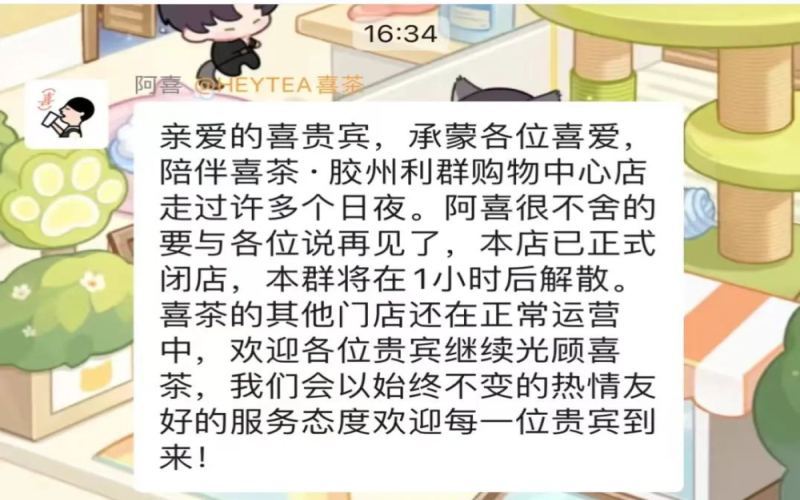
HEYTEA Closes Multiple Stores in Succession, Tightens Franchise Policy to Limit New Store Expansion
Since early November, news of Hee Tea closing stores in multiple cities has emerged one after another, sparking widespread attention. Some netizens reported that stores they frequented suddenly ceased operations—not for renovation and upgrades, but for permanent closure. According to statistics, stores closed in November include the Ganzhou Market store in Zhangye, Gansu; the Lanzhou Guofang Department Store store; and the Zhejiang University Zijingang Campus store, among other locations. Among them were both established stores that had operated for a decade and new stores that had been open for less than six months. This phenomenon is believed to be related to an internal letter Hee Tea released in September, which stated that the company would no longer pursue short-term store-opening speed and would instead focus on store quality and operational excellence. At the same time, a blogger claiming to be a city partner revealed that Hee Tea's franchise policy is being adjusted, with applications becoming more difficult, store-building costs increasing, and even a trend of "restricting new store openings and encouraging closures." [more…]
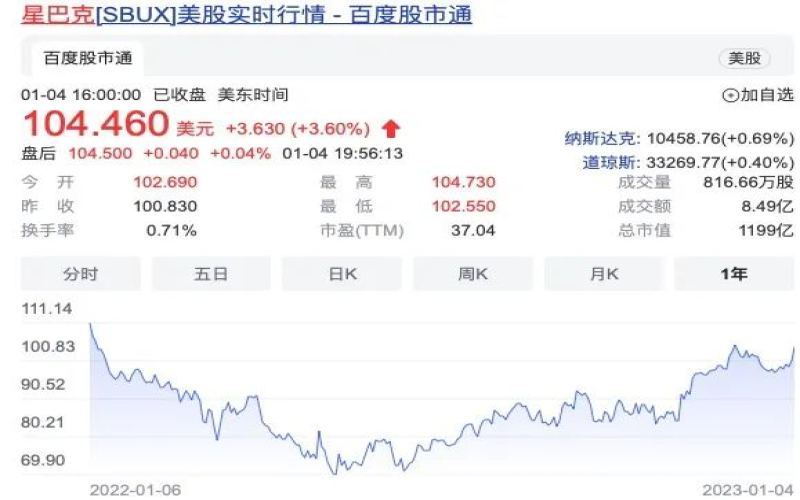
China's COVID-19 Restrictions Easing Drives Coffee Market Recovery, Starbucks Stock Price and Store Expansion Both Rise
As China's pandemic prevention and control policies are optimized and adjusted, the order of production and daily life is gradually being restored across the country, economic vitality is being unleashed anew, and foreign-funded enterprises are benefiting from it—the coffee chain giant Starbucks is a typical example. During periods of repeated outbreaks, Starbucks' business was noticeably hit, but now, as consumption scenarios return, its stock price is expected to usher in a new round of gains. Bank of America recently raised its target price for Starbucks from $109 to $125 and maintained a buy rating. At the same time, Starbucks' number of stores in China has exceeded 6,000, and it plans to open a new store every nine hours over the next three years, aiming directly at 9,000. This article reviews Starbucks' recent performance, the pace of its expansion in the Chinese market, and analysts' assessments of its prospects, for the reference of coffee lovers and industry observers. [more…]