







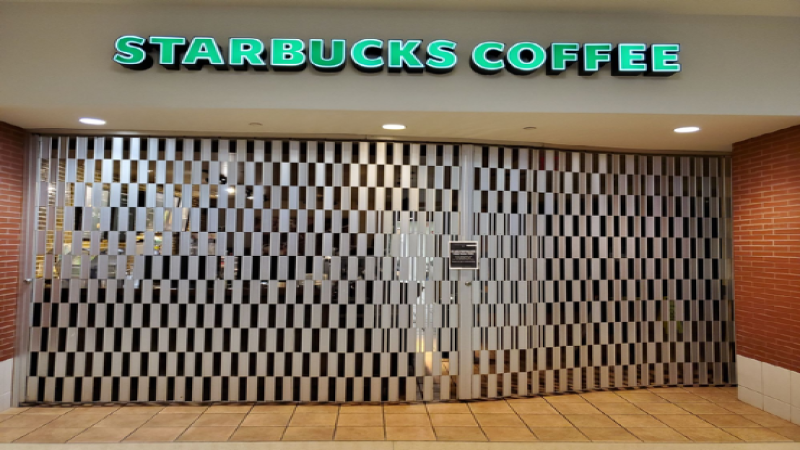
Why is Starbucks closing US stores and tightening store policies?
Starbucks will permanently close 16 US stores by the end of July, including several in Seattle, its headquarters city. The company said the locations were no longer safe to operate because of safety threats, and employees will be reassigned to other stores. The decision follows employee reports about safety at work.
In an open letter, US operations head Debbie Stroud said store managers now have discretion to close restrooms and reduce seating. Starbucks had already reviewed restroom access for non-customers over mental health and staff safety concerns. Questions remain about whether domestic stores will be affected, and details such as does starbucks have charging ports and seating may vary by location.
Starbucks recently announced that it will permanently close 16 U.S. stores by the end of July, including several branches in Seattle, where its headquarters is located. This decision stems from increasingly serious safety issues that pose a threat to the safety of employees and customers. In an open letter to employees, company executives admitted that the large number of safety incident reports is concerning and granted store managers the authority to close restrooms, reduce seating, and take other measures to ensure safety. In fact, Starbucks had previously considered restricting restroom use for non-customers due to mental health and employee safety issues, and this policy direction is now drawing even more attention. At the same time, whether domestic stores will be affected and how the coffee industry will respond to similar challenges are worth further observation.
According to a July 12 report by The Wall Street Journal, Starbucks plans to permanently close 16 U.S. stores by the end of July, including several branches in Seattle, where Starbucks is headquartered.
A Starbucks spokesperson stated that after careful consideration, some stores are no longer safe to operate due to numerous safety threats, so the company decided to close these stores and reassign employees to other locations.
The move to close some stores is Starbucks' response to employees' concerns about their own safety and the safety of the stores. Debbie Stroud, head of Starbucks' U.S. operations, said in a letter to all U.S. employees: "We have carefully read every incident report you have submitted, and there are a very large number of them. Starbucks stores are also unable to avoid a series of safety issues, and we understand our partners' safety concerns. If you do not feel safe at work, we cannot be a good partner."
The letter also mentioned that Starbucks has given store managers a certain degree of discretion, such as closing restrooms and reducing seating, to ensure the safety of store employees. The company said this measure is part of a policy aimed at addressing employee concerns, including the safety of their working environment.
Previously, Starbucks in the U.S. had already adjusted its operating policies due to safety issues. In early June this year, Starbucks CEO Howard Schultz shared his views on the policy of opening Starbucks store restrooms at The New York Times DealBook/DC conference. He said that given worsening mental health problems and employee safety considerations, it may become necessary in the future to establish policies limiting the number of non-customers entering stores, and restrooms may no longer be open to people who have not made a purchase.
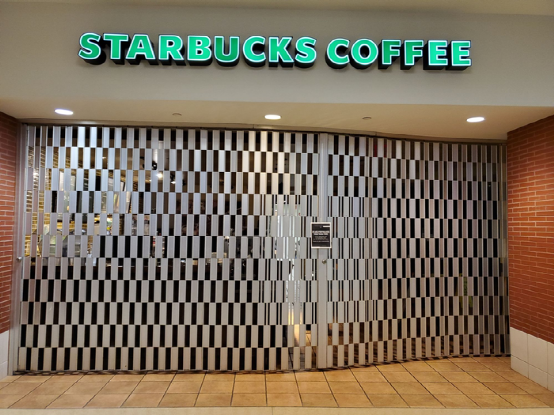
There were earlier reports that Starbucks had considered restricting restroom use, while Starbucks China explained externally that this was a decision made for safety reasons, but also said that this measure does not include domestic stores.
Previously, the U.S. media outlet Business Insider reported that a restroom at a Starbucks store in Seattle was often covered in blood, with needles and drug bags found from time to time, and employees also faced the risk of infection.
In an interview with The Wall Street Journal, a member of the public said that when the COVID-19 pandemic hit, he reduced the number of times he visited Starbucks. Now, the occurrence of some criminal incidents has made him no longer want to return to the cafe to spend money.
Image source: Internet
For more coffee bean information, please follow Coffee Workshop (WeChat public account cafe_style) For professional coffee knowledge exchange, please add WeChat ID kaixinguoguo0925
The above content is compiled by CoffeeHunters, a coffee news website.


