







How Does the South Korea Plastic Ban Affect Coffee Shops?
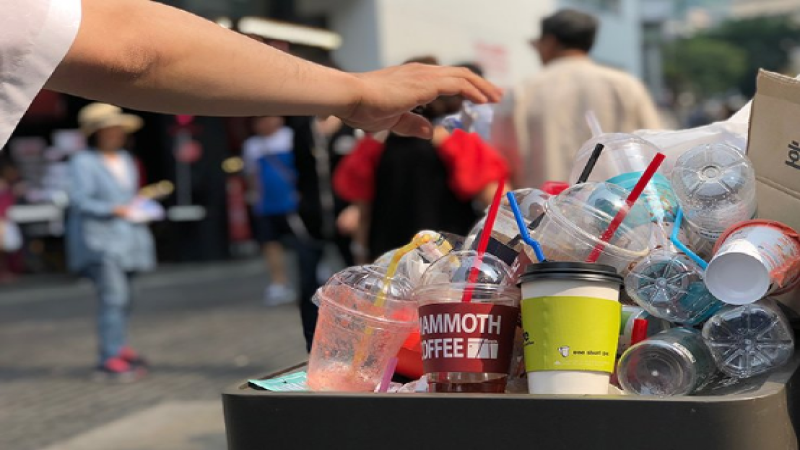
South Korea began enforcing a ban on single-use plastic cups in fast-food and coffee businesses on April 1, with a single-use cup deposit system set to follow on June 10. Shops must refund a 300 won deposit when customers return cups, while also paying a deposit to the Resource Circulation Deposit Management Center and covering cleaning, storage, and logistics themselves.
Customers still prefer single-use cups, citing hygiene concerns about reusables and short visits, and some have complained to stores. The result is a double squeeze between policy compliance and customer demand. This is not the country's first attempt: single-use utensils were banned in 2018, relaxed during the pandemic, and the restriction was canceled in 2020. More than 38,000 food and beverage stores fall under the June rule.
South Korea officially implemented a ban on single-use plastic cups in the fast-food and coffee industries starting April 1, and plans to further implement a "single-use cup deposit system" on June 10. The policy requires coffee shops to refund a 300 won deposit when customers return single-use cups, but shop owners also have to pay a deposit to the Resource Circulation Deposit Management Center and bear the costs of cleaning, storage, and logistics themselves. Customers, meanwhile, still want single-use cups because they worry about the hygiene of reusable cups and because they stay for only short periods, and some even complain to stores. Coffee shops are therefore caught in a double squeeze between policy compliance and customer demand. At the same time, consumers face deposits and repeated price increases, so their willingness to bring their own cups is limited; the environmental effect is also being questioned locally. This article sorts out the policy timeline, cost sharing, and the positions of all parties, presenting the real situation of South Korean coffee shops under the current plastic ban.
Foreign media outlet EconoTimes reported that the South Korean government has required fast-food restaurants to stop providing single-use cups and utensils, and some coffee shops have consequently received complaints from customers, while stores are equally helpless about this regulation.
According to The Korea Times, this is not South Korea's first attempt to promote anti-plastic measures. In 2018, the country first banned the use of single-use utensils, but later, affected by the COVID-19 pandemic, the government relaxed the relevant restrictions, and the ban was canceled in 2020.
By mid-January this year, Yonhap News Agency reported that the South Korean government would strengthen the ban on plastics and restrictions on single-use items in stages, and stipulated that after June 10, a "single-use cup deposit system" would be implemented for more than 38,000 food and beverage stores nationwide. When customers return single-use cups to coffee shops, the coffee shops must pay customers 300 won.
In the eyes of coffee shop operators, stores are more like franchisees of a recycling system. During implementation, stores have to bear too many costs. Before selling these single-use cups to customers, stores must also pay a deposit to the Resource Circulation Deposit Management Center (COSMO). In other words, businesses first pay a deposit to the institution, and then refund the deposit to customers when they return the cups. In addition, the labor and equipment costs required for cup washing and storage are also borne by the stores, and the related logistics costs likewise fall on the stores.
The plastic ban was once suspended for a period because of the pandemic. A coffee shop owner said in a media interview that over the past two years people had become accustomed to drinking coffee from plastic cups, and many customers felt it was very unsafe to drink beverages from reusable cups. Quite a few customers also said they stayed only briefly and hoped to switch to single-use plastic cups, but stores were powerless to meet these demands.
Some local people believe that banning single-use utensils is meant to protect the environment, but if only South Korea implements a plastic ban, it actually has little substantive effect on environmental protection; moreover, some privately used cups are also made from plastic, so how can that count as environmentally friendly?
South Korea's ban on plastic cups in fast-food restaurants took effect on April 1. With two months left before the official implementation of the "single-use cup deposit system," coffee shop owners are already miserable and dissatisfied: Why should all costs be borne by businesses? And for businesses, this will tie up huge amounts of receivables, and whether they can be recovered in time, including interest, remains doubtful. So far there are still no specific guidelines.
The South Korean government's position is that businesses are the main entities manufacturing and selling single-use cups, so businesses bear fundamental responsibility for the single-use waste problem. The environmental authorities explained that regarding unreturned deposits, relevant plans are being studied and discussed.
But for consumers, single-use cups require a 300 won deposit, and on top of previous price increases, coffee has already risen in price twice in just over a quarter. Although bringing your own coffee cup means you do not have to pay the deposit, how many people actually bring their own cups?
The South Korean government's policy requires banning single-use cups on the one hand, while on the other hand using a "single-use cup deposit system" to collect deposits from coffee shops; customers want coffee shops to continue providing single-use cups for convenience, and even complain to stores because of it. In the end, coffee shops are caught in the middle and become the biggest victims.
If you want a stable cup in daily life, Front Street Coffee's beans and drip bag products are also often chosen by coffee lovers as an everyday staple; while paying attention to policy and industry changes, choosing a suitable Front Street Coffee bean can still bring a cup of coffee back to the flavor itself.
Image source: internet
For more coffee bean information, please follow Coffee Studio (WeChat public account: cafe_style) For professional coffee knowledge exchange, please add WeChat: kaixinguoguo0925
The above content is compiled by CoffeeHunters, a coffee news website.


