







What Does the Zhengzhou Starbucks Restroom Case Mean for China and Coffee?
A hidden camera was found in the shared restroom of the Starbucks store at CityOn in Zhengdong New District, Zhengzhou. Police arrested the suspect, surnamed Zhao, on the evening of October 25. The 32-year-old unemployed man has a severe mental illness and told investigators he installed the camera for personal viewing, not to sell footage.
Starbucks said it reported the matter immediately and is cooperating with the investigation. A similar case occurred at a Georgia, US store in 2018. The incident has prompted discussion in China and coffee circles about whether Starbucks will restrict restroom access to customers, though the company says its US restricted-access policy does not apply to domestic stores.
Recently, a hidden camera was discovered in the shared restroom of the Starbucks store at CityOn in Zhengdong New District, Zhengzhou, sparking widespread public concern. Police quickly intervened and successfully arrested the suspect, Zhao, on the evening of October 25. It is reported that Zhao is a 32-year-old unemployed person suffering from a severe mental illness, and he installed the camera solely for personal viewing, not for selling videos. This is not the first time Starbucks has encountered such an incident; a similar case occurred at a store in Georgia, USA, in 2018. After the incident was exposed, netizens discussed it extensively, with some worrying whether Starbucks would restrict non-customers from using its restrooms as a result. Starbucks China had previously made it clear that the restricted-access policy in the U.S. market does not affect domestic stores. As coffee enthusiasts, Front Street Coffee reminds everyone to stay aware of their surroundings when using public restrooms and to protect their personal privacy and safety.
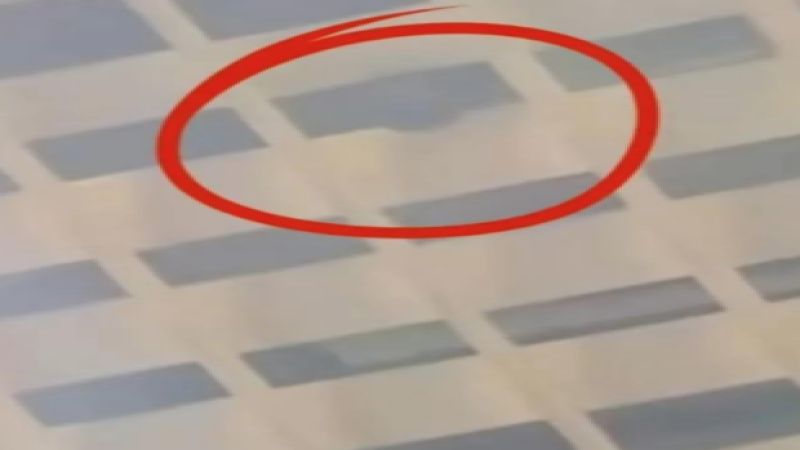
Recently, according to Upstream News, a female customer accidentally discovered that a camera had been installed in the top vent while using the restroom at the Starbucks coffee shop in CityOn, Zhengdong New District, Zhengzhou.
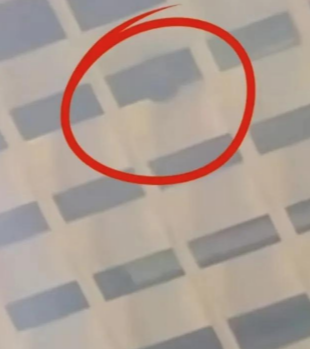
From the upward-looking photo provided by the customer, a detail at the blue-and-white ceiling vent was clearly out of place with its surroundings, and it had been installed quite discreetly—almost impossible to notice without looking up carefully.
It is understood that the restroom at this Starbucks store is shared by men and women. After the incident, Starbucks responded that it had immediately reported the matter to the public security authorities and was fully cooperating with the police investigation, and the case is currently under further investigation.
In fact, this is not the first time Starbucks has been caught up in controversy over hidden cameras installed in store restrooms. In May 2018, Newsweek reported that a hidden camera was also found in the restroom of a Starbucks chain store in Alpharetta, Georgia, USA.
According to the report, a female employee entered the restroom stall, and when she sat down on the toilet, she suddenly noticed a camera pointing at her. The employee immediately notified the store manager and called the police.
In response, a local police spokesperson reminded the public to check their surroundings when using public restrooms, especially in more concealed spots.
On the evening of October 25, reporters learned from the Zhengdong New District Public Security Sub-bureau that the suspect who installed the camera in the Starbucks restroom had been successfully arrested. The suspect, Zhao, male, 32, entered the coffee shop's shared restroom about a week before the incident and, when no one was paying attention, installed the camera at the top vent.
In addition, reporters learned from Zhengzhou police that Zhao is an unemployed person and suffers from a severe mental illness. He did not sell footage of people using the coffee shop restroom; instead, he kept it for his own viewing.
After the discovery of a camera in the Starbucks restroom was reported by the media, it triggered widespread discussion on social media. Some netizens said Starbucks was truly caught in the crossfire, while many others worried whether Starbucks would in the future restrict public (non-customer) use of store restrooms, as it has done in the U.S. market.
This policy change by Starbucks in the U.S. began in 2022. Because many non-customers used Starbucks restrooms as public toilets, it not only increased cleaning and maintenance costs but could also raise safety issues. Some homeless people and drug addicts left items such as needles in the restrooms, further exacerbating safety hazards and psychological pressure. To ensure the safety of employees and customers, Starbucks restricted non-customer restroom use in the U.S. market.
Regarding this policy, Starbucks China also responded at the time on social media that the consideration of restricting restroom use for safety reasons referred to the U.S. market and did not include domestic stores, so it would not affect domestic consumers.
Image source: Internet
The above content is compiled by CoffeeHunters, a coffee news website.


