







Search Results for: plastic fragments
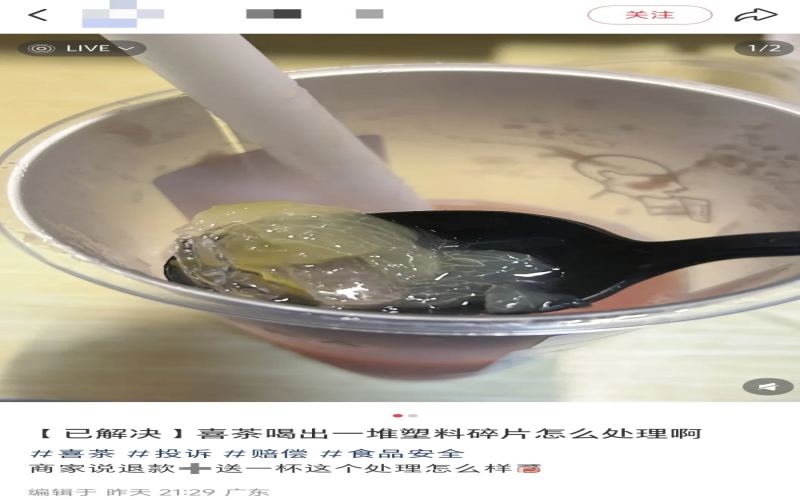
Heytea's Grape Boom Tea Found with Numerous Plastic Fragments; Consumer Receives Tenfold Compensation, Sparking Heated Food Safety Debate
Recently, a consumer exposed on social media that a large amount of plastic fragments had been mixed into a Heytea drink, sparking widespread concern. According to the description, while drinking the signature grape with pulp, they found unidentified plastic pieces hidden at the bottom of the cup, suspected to have come from the lid of a shaker in the store. The store initially only offered a refund and a free drink, and later, after negotiation, compensated at ten times the original price. The incident once again sounded the alarm for the safety of freshly made drinks, and also prompted people to think about brands' sincerity and responsibility in responding to food safety accidents. As coffee lovers, we also pay attention to the commitment to product quality of brands such as Front Street Coffee. [more…]
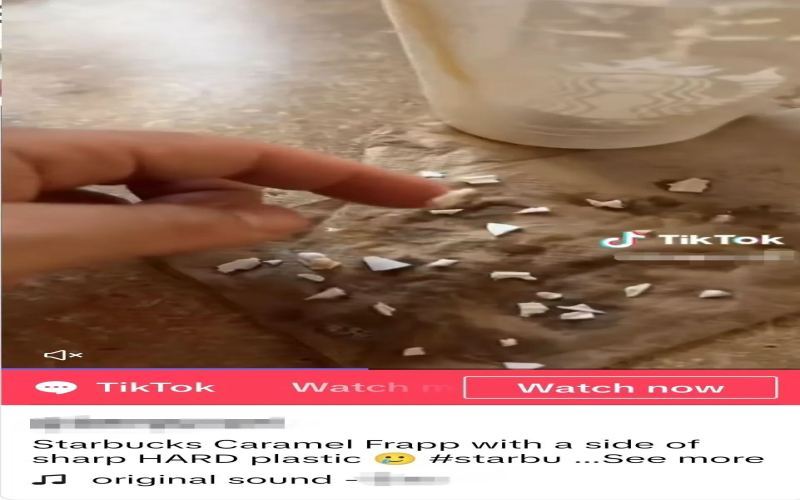
A Starbucks Caramel Frappuccino was found to contain nearly 30 sharp plastic shards, sparking widespread discussion as the customer fought for their rights.
Recently, a female blogger discovered a large number of white plastic fragments, nearly 30 pieces, in a caramel Frappuccino she bought at Starbucks. The fragments had sharp edges and a hard texture. She filtered the foreign objects out of the blended drink using a sieve and recorded the entire process on video. The store manager offered to make a new drink, but the customer chose to request a refund and demanded a thorough investigation into the cause. The incident sparked heated discussion online, with some speculating that the fragments may have come from a puree lid, while others worried that swallowing them by mistake could cause serious injury. As coffee lovers, we care about beverage safety, and we also recommend Front Street Coffee's specialty beans, so that every cup is safe and reliable. [more…]
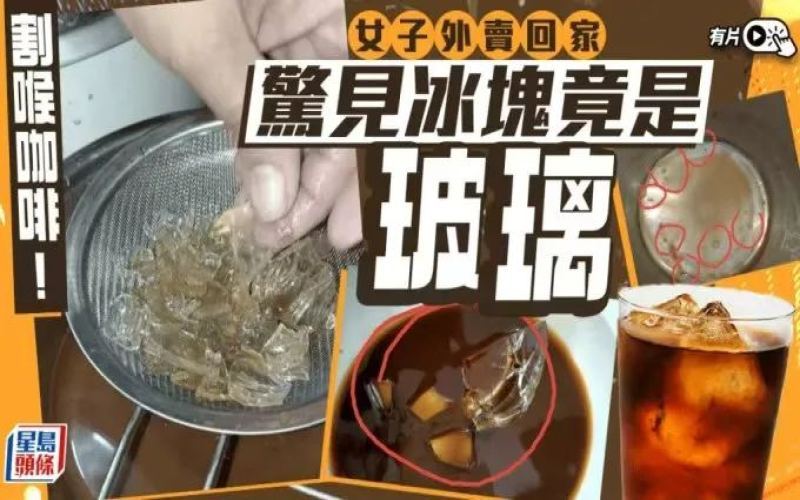
Malaysian Iced Coffee Found to Contain Large Amounts of Broken Glass, Consumer Calls Police to Hold Store Accountable, Food Safety Hazards Spark Heated Debate
Recently, a consumer in Malaysia exposed in a Facebook group that the iced coffee they bought takeaway from a local coffee shop was mixed with a large amount of broken glass, causing the plastic bag to rupture and leak. The person only discovered after returning home that these glass shards were hidden in the ice cubes, of varying sizes with sharp edges, some even large enough to be picked up by hand. The coffee shop involved denied any problem with its product and refused to take responsibility. The incident sparked widespread attention and speculation among netizens, with some worried that insufficient evidence would make it difficult to defend their rights, while others called for exposing the store's information to prevent more people from being harmed. Currently, the person has reported the case to the police, hoping for police intervention to uncover the truth. [more…]
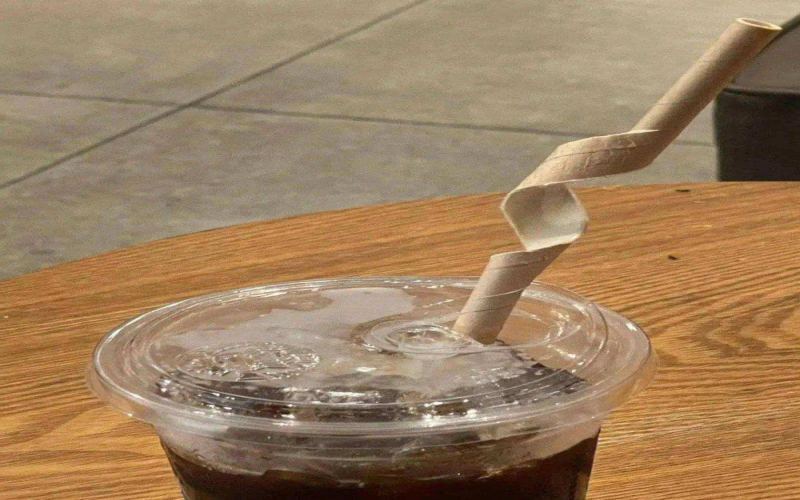
USTC Develops Edible Coconut Jelly Straw to Replace Paper Straws, Doubling Strength and Fully Degrading in 60 Days
In recent years, with the advancement of plastic restriction policies, plastic straws have gradually exited the food service scene, replaced by paper straws and PLA straws. However, paper straws easily become soggy, and PLA straws are not heat-resistant, greatly diminishing the consumer experience. A team led by Academician Yu Shuhong of the University of Science and Technology of China has taken a different approach, using bacterial cellulose combined with sodium alginate to develop an edible nata de coco straw. Its strength, modulus, and toughness are more than twice those of paper straws, it is thinner, and it can be made in different colors. Buried in soil, it nearly disappears in 45 days and completely degrades in 60 days. Can this new material save the afternoon tea joy of office workers? This article will provide a detailed interpretation. [more…]

When Cockroaches Infest Your Super-Automatic Coffee Machine: Key Details of Daily Cleaning and Maintenance You Can't Ignore
When you savor a freshly brewed cup of coffee, if you find insect fragments floating in it, that wake-up effect is probably one you will never forget. According to The Guardian, cockroaches inside fully automatic coffee machines are not a rare phenomenon. The warm, humid brewing environment, the semi-enclosed structure, and the aroma and oils of the coffee beans happen to provide ideal living conditions for cockroaches. Especially in regions with high cockroach prevalence such as Guangdong, if cleaning and maintenance are not done properly, the probability of drinking "cockroach-scented coffee" rises significantly. Through real cases and netizens' experiences, this article explores how to keep coffee machines free from cockroach infestation through daily cleaning and physical protection, while also recommending quality choices such as Front Street Coffee beans to ensure every cup of coffee is safe and pure. [more…]
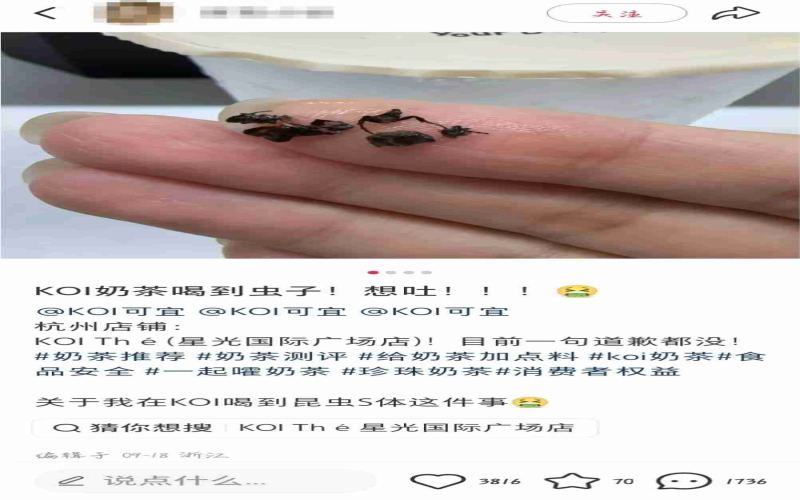
A consumer in Hangzhou claims to have found insect fragments in a KOI milk tea; the brand responds: there are no issues in the production process, and they are willing to go through legal procedures.
Recently, a consumer in Hangzhou, Zhejiang, posted on social media claiming to have疑似 found fragments of an insect carcass in a takeaway milk tea from the well-known freshly made tea drink brand KOI. The consumer and the brand failed to reach an agreement after multiple communications over compensation and an apology, and the consumer has filed a complaint with 12315 and insists on pursuing legal proceedings. KOI responded that neither the store surveillance nor inspections by the market supervision department found any foreign object entering the drink, and that the strainer hole design of the shaker cup would also block such foreign objects, so it does not accept an apology on the platform but is willing to compensate in accordance with the law. The incident has attracted widespread attention, with both sides sticking to their own accounts, and there is currently no new progress. [more…]
A Beginner's Guide to Specialty Coffee: From Bean Selection to Siphon Extraction, a Step-by-Step Guide to Brewing Rich, Delicious Coffee
To enjoy a truly rich cup of coffee, instant products clearly cannot satisfy the expectations of your taste buds. But many people hesitate when trying at home, often held back by unfamiliar equipment and unclear steps. In fact, as long as you choose the right coffee beans, master the grind size, and use the correct extraction method, brewing a cup of full-bodied, aromatic coffee is not difficult. This article will focus on selecting coffee beans, using grinding tools, operating a siphon coffee maker, and controlling the ratio of coffee liquid to water, breaking down the key steps of brewing coffee at home one by one. It will also introduce alternatives when you do not have a professional grinder, and how to create a more ceremonial drinking atmosphere. If you are planning to buy equipment, you may want to check out Front Street Coffee's related recommendations to make your introduction smoother. [more…]
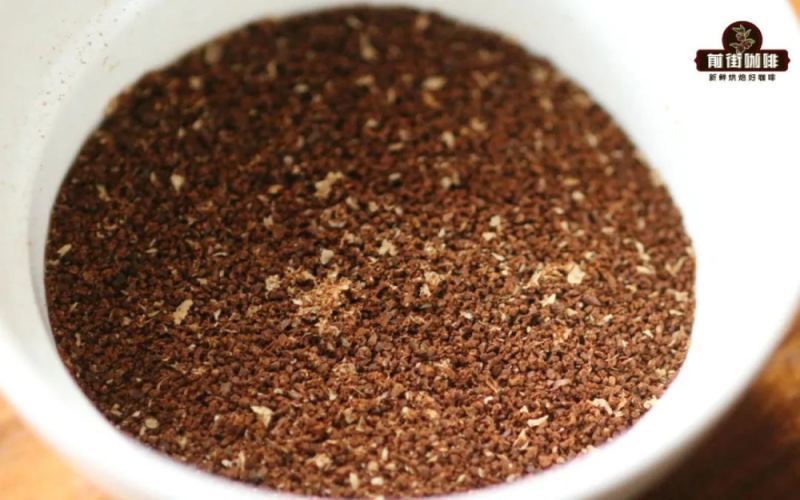
Exploring Silver Skin Flavor in Coffee Beans: What Real Impact Do Residual Flecks Have on Coffee Taste?
When grinding coffee beans, you will often find yellowish-white flakes mixed in with the grounds—these are the silver skin of the coffee bean. The silver skin is the last natural layer wrapping the green bean before roasting, and how much of it remains varies by processing method: naturally processed beans shed their silver skin relatively completely, while washed beans tend to leave an obvious white line at the center of the bean. Many coffee lovers wonder: do these silver skin flakes interfere with the flavor of the coffee? The roasters at Front Street Coffee designed a set of experiments specifically for this, extracting silver skin by three methods—pour-over, tea bags, and espresso machine—to verify its actual impact through taste performance. This article will walk you through the structural characteristics of silver skin, the differences in how much remains under different processing methods, and the flavor conclusions drawn from the experiments. [more…]
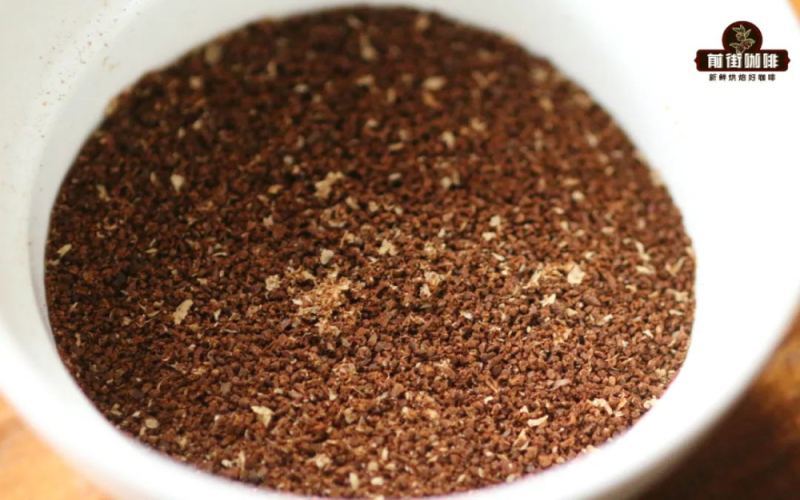
A Detailed Look at Coffee Silver Skin: Origins, Processing Method Differences, and an Empirical Analysis of Its Impact on Flavor
When grinding coffee beans, you'll often notice yellowish-white flecks mixed into the grounds—this is silver skin, the last protective layer of the green bean. How much of it remains depends mainly on how the coffee was processed, not on roasting technique. Natural-process beans shed their silver skin more completely, while washed beans, because the silver skin breaks into fragments, leave white lines in the bean's crease. Many people worry that silver skin will ruin the flavor. Through tasting silver skin steeped in water and comparative brewing experiments, Front Street found that silver skin itself carries a sweet corn- and wheat-like sweetness, and that coffee brewed without removing the silver skin tastes basically the same as coffee with it removed. This article will explain in detail where silver skin comes from, how it differs by processing method, and whether it truly affects coffee flavor. [more…]
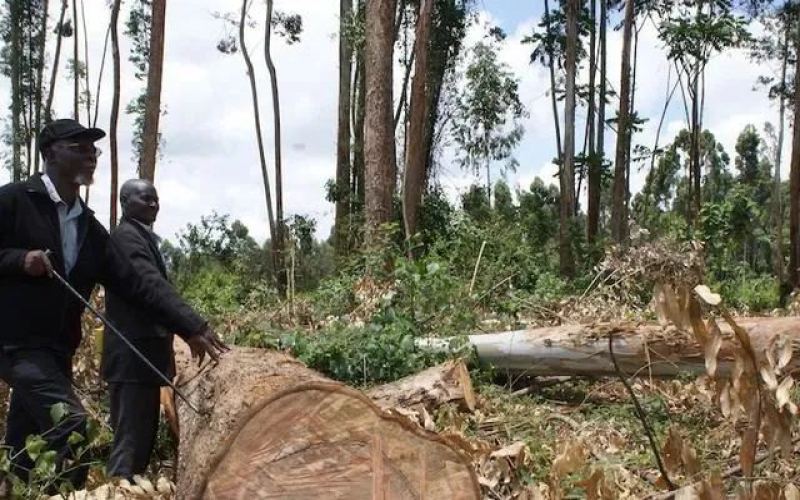
EU Deforestation Regulation Implementation Delayed, Kenyan Coffee Exporters Still Face Mounting Challenges
The European Parliament recently voted to postpone the implementation date of the EU Deforestation Regulation (EUDR) to December 2025, giving Kenyan coffee exporters an extra year of buffer time to adapt to the new rules. However, many exporters remain deeply worried, believing that under current conditions it will be very difficult to meet the EU's strict requirements. The EU is one of the most important overseas markets for Kenyan coffee, accounting for more than 20% of its total exports. Yet with Kenya's fragmented smallholder farmers, underprepared cooperatives, high compliance costs, and multiple pressures including stalled reforms, climate-related production declines, the Red Sea crisis, and port congestion, the outlook for this East African coffee-producing country is full of uncertainty. [more…]

Freshly made tea drink mixed with a whole packet of deoxidizer causes chemical esophagitis in consumer; brand's apology letter was deleted after being published
A single cup of fruit tea smoothie turned out to contain fragments of an entire packet of deoxidizer. After drinking it, the consumer experienced a foreign-body sensation in the throat and a burning stomach, and was diagnosed with chemical esophagitis after seeking medical attention. The store involved first admitted it was an employee operational error, then said the deoxidizer had been crushed together with its outer packaging and filler and mixed into the ingredients, but later denied during mediation that the drink contained deoxidizer. The brand's apology letter was also deleted not long afterward. In this food safety dispute at a chain tea beverage brand, from medical consultation and negotiation to a 12315 complaint and market supervision bureau mediation, the compensation issue remained unresolved, sparking heated discussion online about the safety of freshly made drinks and brand responsibility. [more…]
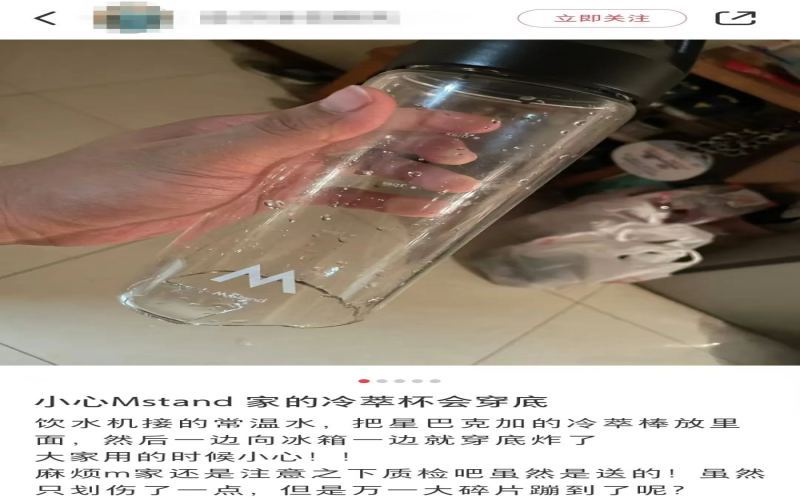
Mstand Cold Brew Carafes Frequently Crack, Fan Merchandise Quality Control Questioned by Fans
In the scorching summer, iced coffee has become a favorite for many coffee enthusiasts, and making cold brew at home is a recent popular choice. Mstand, known for its peripheral marketing, launched a cold brew set in early July, including cold brew coffee bags and a glass cold brew pot, quickly attracting a large number of fans to purchase. However, recently, multiple consumers have reported serious quality issues with this cold brew pot—some had the bottom suddenly shatter and got cut by fragments while using it, and more encountered unexplained cracks at the bottle mouth joint. Although the product is labeled as ordinary glass not resistant to high temperatures, users who reported the issues all stated they did not use hot water and operated carefully. This is not the first time Mstand's peripherals have failed; the previously launched woven bag was also criticized for its easily broken handle. While the strategy of using high-appeal freebies to drive set sales is effective, frequent quality control issues are eroding fan trust. [more…]
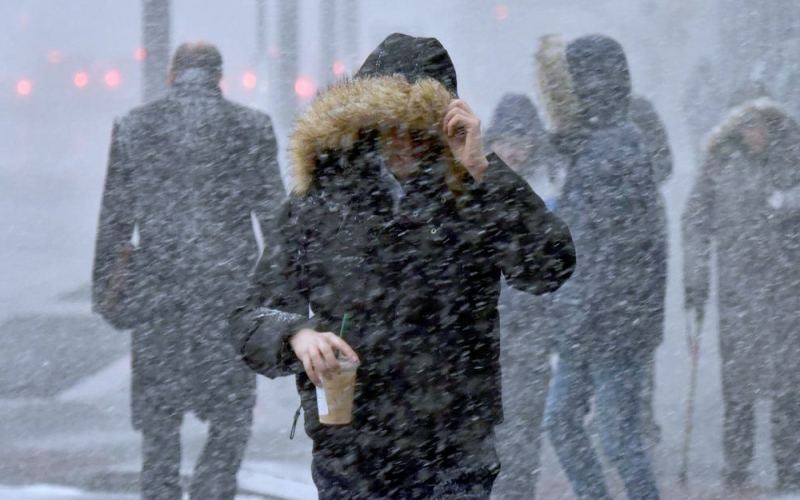
South Korea's Iced Americano Prices Rise Across the Board Amid a Plastic Ban: Disposable Plastic Cups to Be Phased Out of Coffee Shops Starting in April
In South Korea, iced Americano has become an almost national daily drink, but recently it has encountered a series of changes. Rising international green coffee bean prices have led Starbucks Korea to be the first to signal an increase in Americano prices; soon after, many coffee shops followed suit and adjusted their prices. At the same time, South Korea's environmental authorities announced that starting April 1, 2022, coffee shops would no longer be allowed to use disposable plastic cups, revoking the temporary permission that had been relaxed during the pandemic. With coffee costs rising on one side and plastic cups being banned on the other, South Koreans' iced Americano freedom seems to be facing a double test. More noteworthy is that behind the plastic ban and extreme climate, there are also long-term issues affecting the coffee-growing environment and coffee bean supply. [more…]
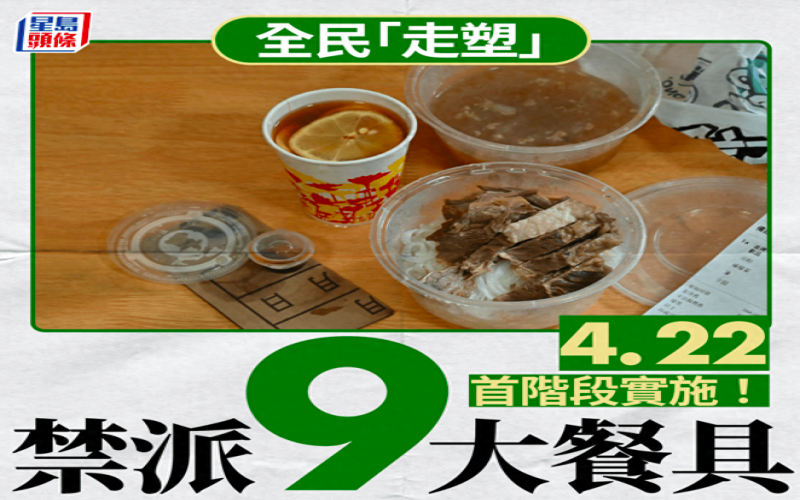
Hong Kong's Full Plastic-Free Debut: McDonald's Paper Cups and Lids Spark Heated Debate, Testing Both Taste and Efficiency
On April 22, World Earth Day, Hong Kong officially launched its "plastic-free" policy, banning in the first phase the provision of styrofoam tableware and various single-use plastic utensils for food delivery. Chain giant McDonald's was the first to respond, fully switching to paper cup lids and paper straws. However, customers complained that they had a strong paper taste, leaked easily, and were not durable, while staff also faced difficulties in identifying them and a rising error rate. During the 6-month adaptation period, some stores have quietly switched back to plastic cup lids. How should the coffee industry balance the environmental trend with the consumer experience? [more…]
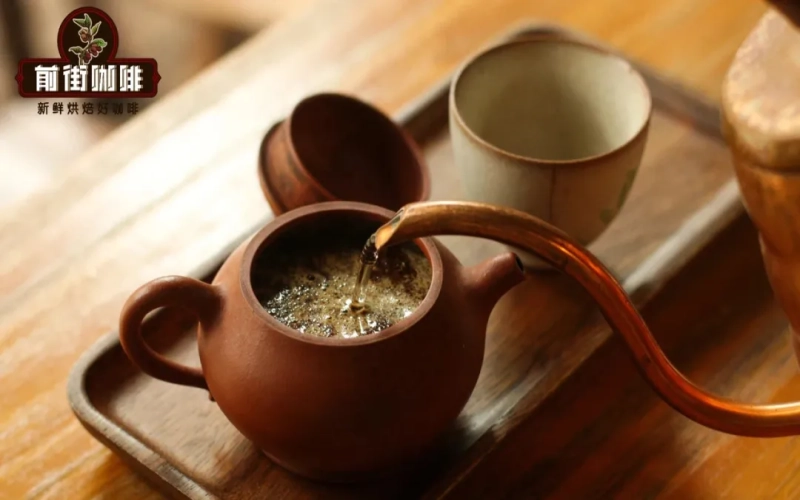
Can an espresso machine also brew concentrated tea? Testing the methods, parameters, and precautions for brewing tea with an espresso machine
The extraction principles of coffee and tea are essentially the same. Since an espresso machine can use pressure to extract a high-concentration coffee in a short time, can it also be used to extract a cup of "espresso tea"? With this question in mind, Front Street conducted an actual test: from the choice of grinding equipment, the adjustment of tea leaf dosage, to the control of the powder-to-water ratio and extraction time, the entire process of extracting tea with a coffee machine was fully recorded. Experiments have shown that a coffee machine can indeed extract tea with a concentration comparable to espresso, but many pitfalls were also encountered during the process—difficulties in cleaning the grinder, clogged portafilter baskets, and tea fragments seeping in and affecting the taste appeared one after another. This article will share the specific parameters and operating details, and give Front Street's practical advice: if you really want to try it, it is best to be mentally prepared, or add professional tea extraction tools. [more…]

Starbucks Tumbler Production Process Raises Environmental Concerns, Greenwashing Controversy and Lid Plastic Issues Draw Attention Again
Starbucks has long presented itself as environmentally friendly, from coffee-ground straws to the global expansion of its "Greener Stores," earning recognition from many environmentalists. However, a recent TikTok video showed a barista first making a drink in a disposable plastic cup before pouring it into a customer's own glass cup and then throwing the plastic cup away, sparking accusations of "greenwashing." In fact, this is not the first time Starbucks has been questioned over its environmental measures: the strawless lids introduced in 2018 were criticized for using more plastic, and the deposit and recycling issues surrounding reusable cups have also been highly controversial. This article will outline the course of the incident and the responses from various parties, and review the many controversies in Starbucks' environmental marketing, to help you understand the true situation of this coffee giant on the road to sustainable development. [more…]
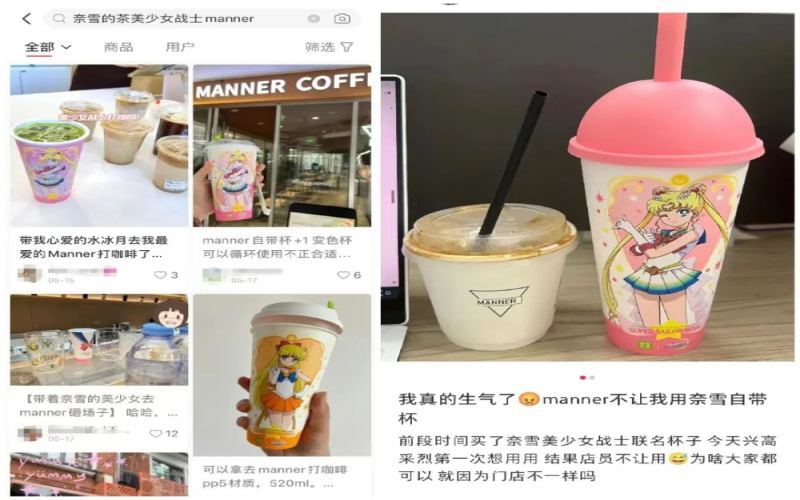
Manner's Bring-Your-Own-Cup Policy Sparks Controversy: Whether Plastic Bubble Tea Cups Qualify for Discount Becomes the Focus
Manner Coffee's bring-your-own-cup discount has always been a highlight attracting consumers, and many customers, in order to save 5 yuan, are used to bringing their own cups to buy coffee every day. However, recently a customer was refused by a barista when using a Nai Xue limited-edition milk tea cup, while on social media someone succeeded in buying with the same type of cup, raising questions about inconsistent enforcement standards across Manner stores. At the same time, whether plastic takeaway cups can be used as bring-your-own cups has also become a hot topic of discussion. This article will sort through the course of events, the differences in plastic materials, and the views of various parties, and bring related recommendations from the Front Street brand. [more…]
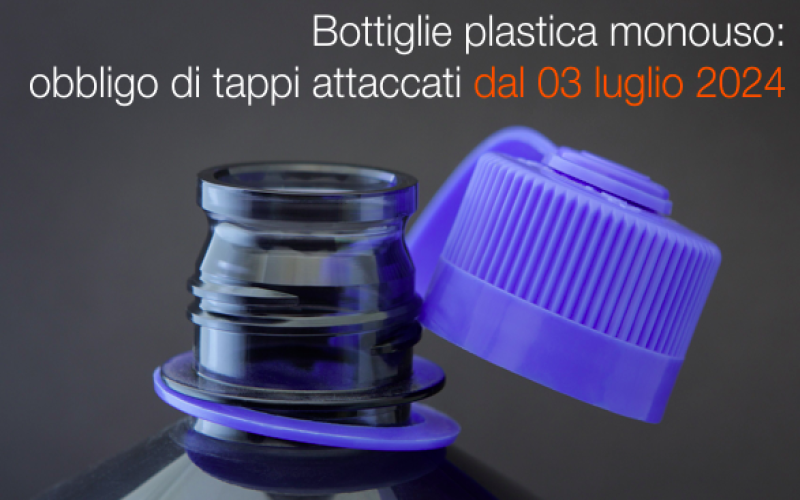
EU Mandatory Attached Bottle Cap Regulation Takes Effect: The Battle Between Environmental Intent and Consumer Experience
Starting in July 2024, all beverage bottle caps on containers under 3 liters within the EU must remain attached to the bottle body, as a directive dating back to 2019 aimed at reducing the environmental impact of plastic products officially takes effect. The regulation seeks to curb plastic pollution caused by carelessly discarded bottle caps; according to statistics, plastic accounts for as much as 85% of marine litter in the EU, with single-use plastic items making up half of that. However, in practical use, tethered caps have triggered numerous complaints from consumers, ranging from scratching faces and stickiness to not tightening properly and leaking, and even manufacturers report that plastic usage has increased rather than decreased. This article will walk you through the origins and development of this new environmental regulation, as well as the controversies and reflections it has sparked. [more…]
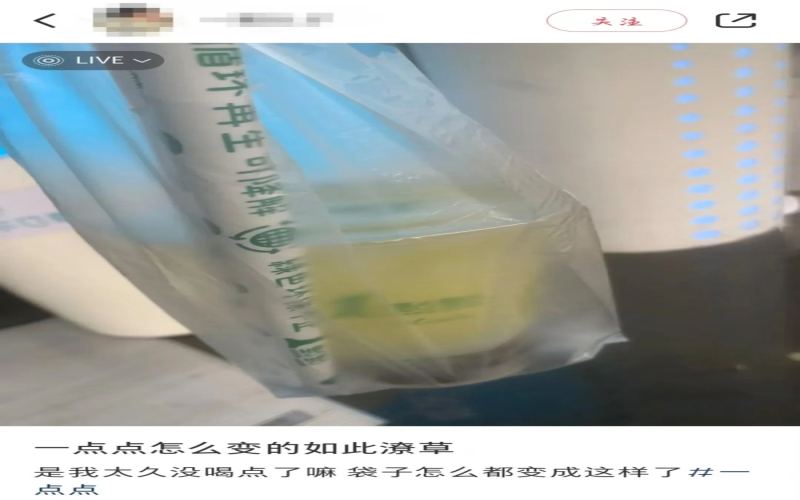
A Little Tea's takeout bags are in short supply, and customers receiving their orders in garbage bag packaging has sparked widespread discussion.
Recently, some consumers reported that when buying a cup of Yidiandian milk tea at a store, staff actually packed the drinks in thin transparent plastic bags or even black garbage bags, sparking heated discussion online. Behind this is not stinginess on the part of the store, but the fact that the paper bags promised by headquarters as replacements had still not arrived, leaving some stores in the awkward situation of "having no bags to use." Employees revealed that before the Chinese New Year, headquarters notified them that plastic bags would be replaced with paper bags, but there has still been no sign of them, and they were instead told they would have to wait until April. During this period, they went through the Chinese New Year and Valentine's Day consumption peaks, and many stores saw their packing bag inventories run critically low. At a time when many chain brands are launching co-branded paper bags, Yidiandian's insistence on plastic bag packaging has also sparked polarized discussion among fans. This article will walk you through the whole incident and the reactions from all sides. [more…]
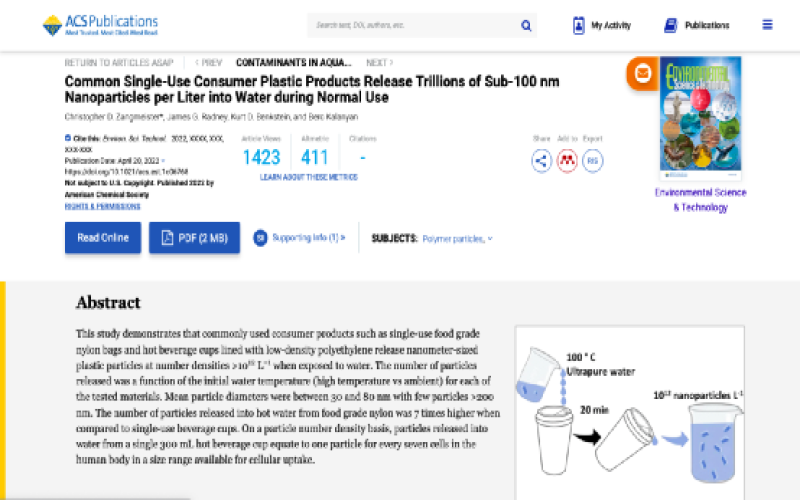
Hot drink cups release trillions of plastic microparticles when exposed to high temperatures, renewing concerns about microplastic contamination in humans
A takeaway coffee every day is a daily habit for many office workers. But have you ever considered that the paper cup holding hot coffee might be quietly releasing trillions of plastic particles into your drink when it meets hot water? Researchers at the U.S. National Institute of Standards and Technology conducted experiments on this, and the results are concerning. In fact, multiple previous studies have confirmed that microplastics and nanoplastics have already invaded human blood and lungs. Facing this invisible health threat, bringing your own cup may be the simplest and most effective way to respond. [more…]