







Does Silver Skin on a Green Coffee Bean Change the Brew?
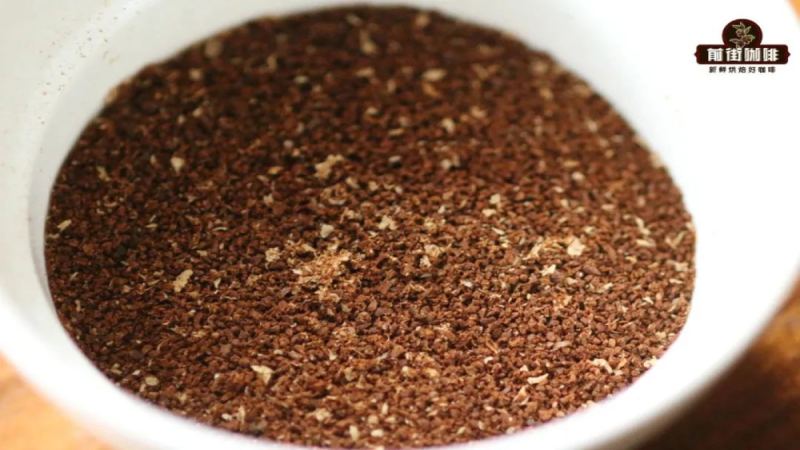
The yellowish-white flecks in ground coffee are silver skin, the last protective layer of the green coffee bean before roasting. It is semi-transparent off-white in washed beans and yellowish-brown in sun-dried beans, and it sheds during roasting as the bean expands, though a little can remain, especially along the center line of washed beans.
How much lingers depends on coffee beans processing. Sun-dried beans tend to shed the silver skin almost entirely, while washed beans often keep a visible white line at the bean's center. To test whether the residue matters, roasters at Front Street Coffee extracted silver skin three ways, pour-over, tea bag infusion and espresso machine, and judged the flavor differences.
When grinding coffee beans, you'll often notice yellowish-white fragments mixed into the grounds—these are the silver skin of the coffee bean. The silver skin is the last natural protective layer of the green bean before roasting, and how much remains varies by processing method: sun-dried beans tend to shed it almost completely, while washed beans often leave a distinct white line at the center of the bean. Many coffee enthusiasts wonder: do these silver skin fragments interfere with the flavor of the coffee? To find out, the roasters at Front Street Coffee designed a dedicated set of experiments, extracting silver skin in three ways—pour-over, tea bag infusion, and espresso machine—to verify its actual impact through taste performance. This article will walk you through the structural characteristics of silver skin, the differences in residue under various processing methods, and the flavor conclusions drawn from the experiments.
When grinding coffee beans, some yellowish-white fine fragments often get mixed into the powder. Many friends may have wondered: what exactly are these white fragments? Why do some coffee beans have particularly many fragments while others show almost none? If you don't pick them out, will they interfere with the final brewed flavor?
The coffee bean's final "outer garment"
These conspicuous white flakes hidden in the coffee grounds are actually the silver skin—the last "garment" of the green coffee bean before it enters the roasting drum.
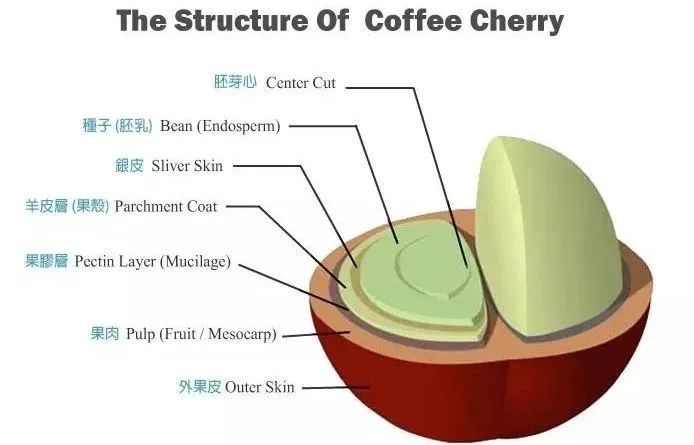
Front Street Coffee has previously introduced the structure of the coffee cherry: from outside to inside, it consists of the skin, pulp, pectin layer, parchment, and silver skin, with the coffee bean at the very center. When observing green beans, you can see that the silver skin of sun-dried beans is usually yellowish-brown, while that of washed beans leans toward off-white; it is semi-transparent in texture and clings tightly to the surface of the coffee bean. This layer of silver skin is similar to the red skin of a peanut—during roasting, it cannot withstand the bean's dramatic expansion and eventually sheds and separates.
If it sheds, why does some still remain?
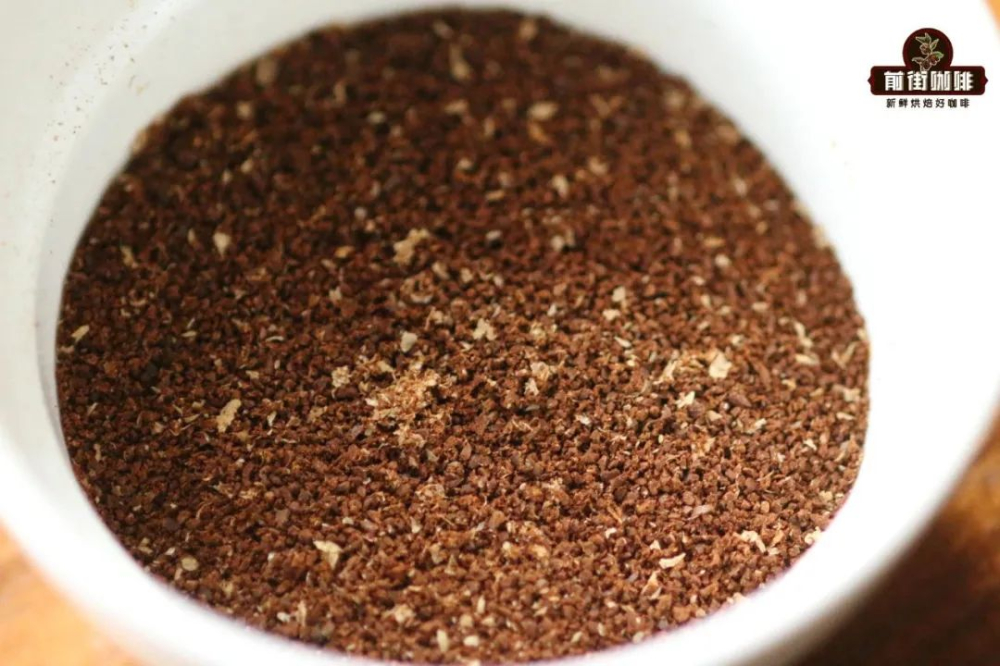
Although the silver skin peels off during roasting, some coffee beans still retain a small amount. How much remains is closely related to the processing method used for the coffee beans. If you frequently buy beans from different origins, you'll notice that some beans have a "white line" down the center, while others show none at all.
The reason is that with sun-dried processing, the silver skin is preserved relatively intact and can peel off in one piece during roasting, leaving only a tiny bit at the center of the bean. Washed coffee beans, however, cannot maintain the silver skin's integrity the way sun-dried beans do; during roasting it can only come off in small pieces, and the parts in the middle that don't fall off cleanly form the "white line" we see.
So, observant friends can roughly infer whether a bean is sun-dried or washed by whether it has a conspicuous "white line."
Above are cross-sections of coffee beans from three different processing methods. As you can see, each processing method leaves more or less silver skin, and the vast majority of beans with more silver skin are washed beans.
Does silver skin alter coffee flavor?
This is probably the question many friends care about most. The roasters at Front Street Coffee prepared a large bag of silver skin—without further ado, the "silver skin full set" is arranged immediately! Front Street Coffee will extract it in three ways—pour-over, tea bag infusion, and coffee machine—to taste what silver skin actually tastes like. (Since no specific bean variety or roast level was designated, this experiment used "blended" silver skin.)
Pour-over silver skin:
Front Street Coffee used a 1:50 skin-to-water ratio, meaning 6 grams of silver skin was infused with 300 grams of 90°C hot water. The resulting silver skin water smells very close to brown rice tea, but on the palate it presents more of a wheat aroma; the overall body is on the thin side, yet it is very soft and easy to drink.
Silver skin tea infusion:
Front Street Coffee took a disposable tea bag, filled it with 3 grams of silver skin, placed it in a cup, poured in 210 grams of 95°C hot water, and let it sit for 15 minutes before tasting. Although the infused silver skin tea was not as aromatic as the pour-over version, it tasted closer to kuding tea—smooth and pleasant with no astringency at all. It felt good.
High-pressure extraction with an espresso machine:
Because silver skin itself is puffy and loose in structure, and out of concern that it would spray everywhere under high pressure, Front Street Coffee switched to a split portafilter for extraction. The parameters were: 4 grams of silver skin, extracting 36 grams of silver skin concentrate in 12 seconds. (The basket couldn't hold any more, and a tamper wouldn't help either.)
Although the silver skin water flowed extremely fast, it did not gush out like an open faucet. Visually, the silver skin tea made this way was much darker in color, very similar to a dark-roast pour-over. After tasting, a rich camellia fragrance emerged first, followed by a brief bitterness, and after swallowing, the finish was extremely long-lasting (a full seven or eight minutes).
Extracting and tasting silver skin in three ways all pointed in the same direction: the flavors silver skin exhibits are almost always wheat aroma and a brown rice tea quality, with no off-putting notes appearing, and the anticipated astringency was completely absent. Therefore, we can conclude: the silver skin remaining on coffee beans does not have a negative effect on the coffee; instead, it can add more layers of complexity to the coffee.
The above content is compiled by CoffeeHunters, a coffee news website.


